Algeti National Park: Day Trips from Tbilisi | Hiking & Horse Riding Tours
Most travelers rush past Kvemo Kartli on their way to Kakheti or the mountains. That’s a mistake. Sitting just 60 kilometers south of Tbilisi, Algeti National Park protects one of Georgia’s most accessible wilderness areas, where ancient spruce forests meet medieval fortresses, and the only crowds you’ll find are flocks of rare Caucasian Black Grouse.
We’ve been running tours through Algeti since 2011, and it remains one of our favorite escapes from the capital. You can be hiking through old-growth forest within 90 minutes of leaving your Tbilisi hotel.
What Makes Algeti Special
Algeti protects the southeastern edge of the Eastern Spruce and Nordmann Fir range. These aren’t just any trees. Some specimens here predate the founding of Tbilisi itself.
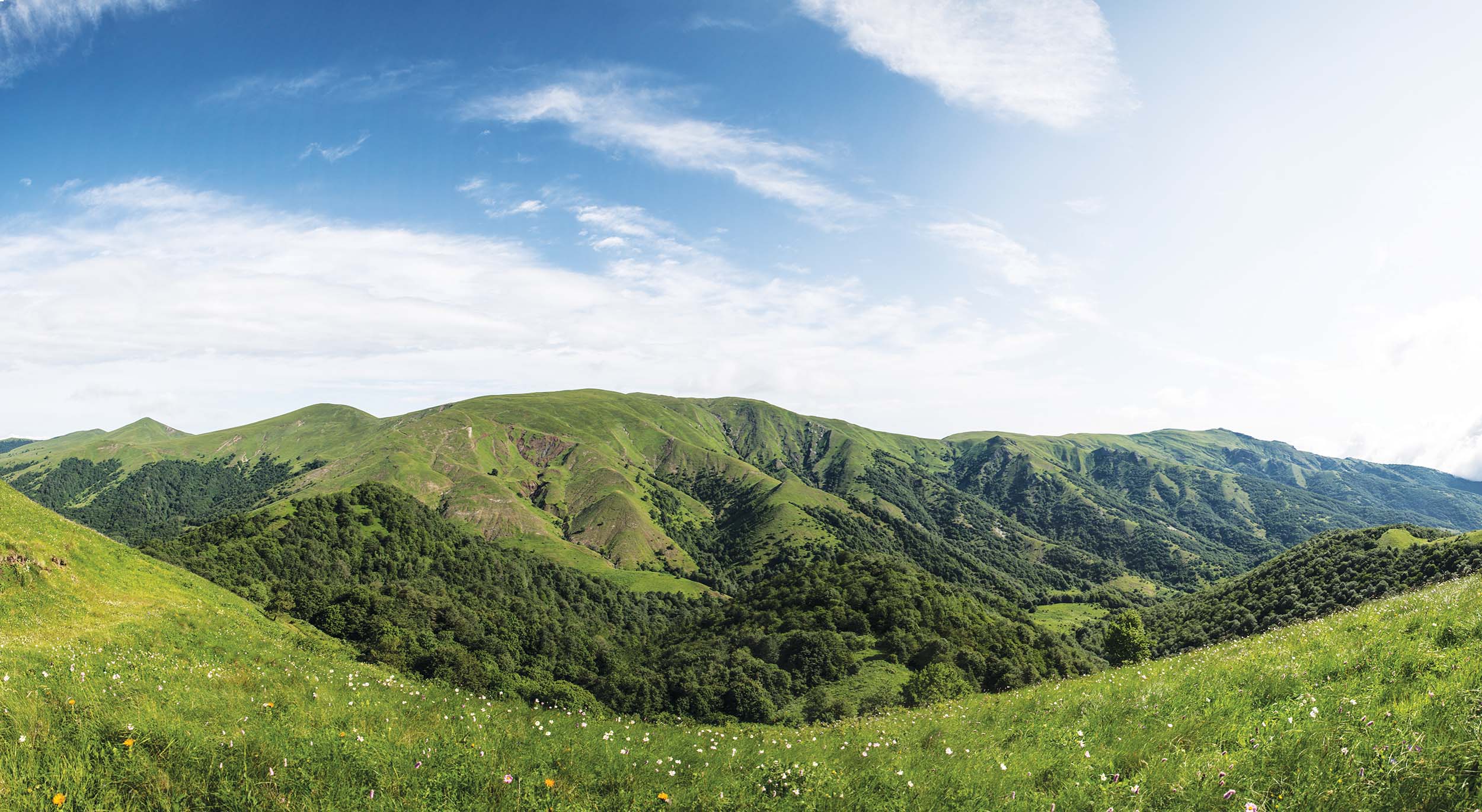
The park covers nearly 7,000 hectares across the southern slopes of the Trialeti Range, rising from 1,100 meters at the entrance to just under 2,000 meters at Kldekari peak. The Algeti River cuts through the heart of the territory, feeding dozens of smaller streams that keep the forest floor cool even in August.
What strikes most visitors is the quiet. No tour buses. No souvenir stands. Just birdsong, running water, and the occasional rustle of a roe deer disappearing into the undergrowth.
Best Time to Visit
- Spring (April to June) brings wildflowers and excellent birdwatching. The forest floor explodes with color, and migratory birds join the resident population.
- Summer (July to August) offers the best conditions for longer hikes. Temperatures stay comfortable under the forest canopy even when Tbilisi bakes in 35-degree heat.
- Autumn (September to October) transforms the oak and beech zones into a patchwork of gold and rust. This is also mushroom season, and local guides know where to find the best specimens.
- Winter (November to March) sees snow at higher elevations. The park remains open, but access can be limited. Wildlife tracking becomes easier with fresh snow revealing animal movements.
Read more about when is the best time to visit Georgia.
Wildlife You Might See
Algeti supports a surprising diversity of animals for a park so close to the capital.
Brown bears live in the more remote sections, though sightings are rare. Wolves pass through occasionally, and you have a decent chance of spotting red foxes, wild boar, and roe deer on early morning visits.
The real draw for naturalists is the birdlife. Over 80 species have been recorded here, including the Caucasian Black Grouse, a species found nowhere else on earth outside the Caucasus mountains. Imperial Eagles hunt over the open areas, and Black Woodpeckers drum through the fir stands.
Several snake species live in the park, including the harmless Transcaucasian Rat Snake and the venomous Nose-horned Viper. Watch where you step on warm days, though encounters are uncommon.
Trails and Activities
The park offers several marked trails ranging from easy two-hour walks to full-day expeditions.
- Forest Loop Trail (2-3 hours): Winds through mixed beech and fir forest with minimal elevation gain. Good for families and a solid introduction to the park.
- Kldekari Summit Trail (5-6 hours): Climbs to the park’s highest point at 2,000 meters. Clear days offer views across Kvemo Kartli to the Lesser Caucasus.
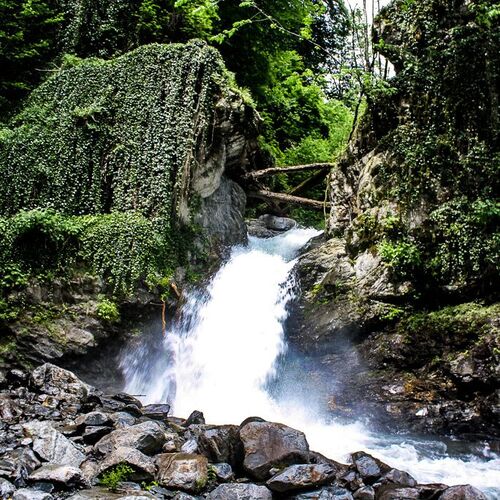
- River Trail (3-4 hours): Follows the Algeti River through the gorge. Best in late spring when water levels create small waterfalls.
- Horse Riding Tours: We run guided horseback trips starting from the town of Manglisi, riding into the park through forest trails that vehicles can’t reach. No previous riding experience needed.
Beyond hiking and riding, the park works well for photography tours, botanical excursions, and archaeological visits to the surrounding monuments.
Historical Sites Near Algeti
The land around Algeti has been inhabited for at least 5,000 years. Archaeological digs have uncovered settlements from the Eneolithic and Early Bronze periods.
Within easy reach of the park boundaries:
- Birtvisi Fortress stands on a cliff above the Algeti gorge. This 11th-century stronghold controlled the trade route south and remained unconquered through centuries of conflict. The hike to the fortress takes about 2 hours from the nearest road.
- Manglisi Cathedral dates to the 4th century, making it one of the oldest churches in Georgia. The current structure has been rebuilt several times, but the site has held a church since Christianity first reached the country.
- Kldekari Fortress (9th century) guards the high pass at the park’s edge. Only ruins remain, but the setting is dramatic.
- Didgori Battlefield lies just northeast of the park boundary. Here in 1121, King David the Builder won his greatest victory against a Seljuk army several times larger than his own. A modern monument marks the site.
These historical sites combine well with park visits. We often build half-day itineraries that mix forest hiking with fortress exploration.
How to Get There
From Tbilisi: Take the main highway toward Marneuli, then turn west toward Tetritskaro. The park entrance near Manglisi is about 60km from central Tbilisi. Allow 90 minutes by car.
By Public Transport: Marshrutkas run from Didube station in Tbilisi to Manglisi. From Manglisi, you’ll need to arrange local transport to the park entrance, about 8km further.
With a Guide: Our day tours from Tbilisi include pickup from your hotel, a local guide who knows the trails, and lunch. This is the easiest option if you don’t have your own vehicle.
What to Bring
- Footwear: Sturdy hiking boots or trail shoes. The forest floor stays damp, and some trails cross streams.
- Clothing: Layers work best. Forest temperatures run 5-10 degrees cooler than Tbilisi. Bring rain gear in spring and autumn.
- Water and Snacks: No facilities inside the park. Carry at least 1.5 liters per person.
- Binoculars: Essential for birdwatching, useful for wildlife spotting generally.
- Camera: The forest light filtering through the old-growth canopy creates excellent photography conditions.
Park Fees and Regulations
Entry to Algeti National Park costs a small fee payable at the visitor center. As of our last visit, fees were 7 GEL for adults and 1 GEL for children.
Stay on marked trails. The park was established specifically to protect the fragile forest ecosystem.
Camping requires advance permission from park administration. Fires are prohibited except in designated areas.
For current fees and regulations, check the official park website.
Combine Algeti with Other Destinations
Algeti works as a standalone day trip, but it also combines well with other sites in Kvemo Kartli.
- Algeti + Manglisi + Birtvisi: A full day mixing nature and history. Start at the cathedral, ride or hike through the park, end at the fortress.
- Algeti + Bolnisi + Dmanisi: Add Georgia’s oldest inscribed church and the remarkable 1.8-million-year-old hominid site for a diverse exploration of the region.
- Multi-day Option: Combine Algeti with Borjomi-Kharagauli National Park for a two-park wilderness experience. The parks sit about 3 hours apart.
Book Your Algeti Adventure
We run regular horse riding tours in Algeti and can arrange custom hiking trips for individuals and groups.
Looking for something specific? Contact us with your interests, and we’ll put together an itinerary. We’ve been exploring Algeti’s trails for over a decade and know the park in every season.