
Guria travel guide
Guria: Georgia’s Overlooked Region (And That’s Kind of the Point)
Magnetic sand beaches, a mountain resort locals love, and wetlands that feel like the Amazon—Guria is where you go when you’ve already done everything else in Georgia.
Let’s be honest up front: most people skip Guria.
You probably haven’t heard of it. Your Georgia itinerary probably doesn’t include it. The guidebooks give it a page or two at most. And that’s… fine. Guria is the region you drive through on the highway between Batumi and Kutaisi, glancing at the Black Sea to your left and green mountains to your right, never actually stopping.
But here’s the thing: for a specific type of traveler, Guria is exactly what you’re looking for.
This small region in western Georgia offers black magnetic sand beaches (Ureki), a mountain resort that’s popular with Georgians but virtually unknown to foreigners (Bakhmaro), and wetlands that locals call “Georgia’s little Amazon” (Kolkheti National Park). It’s quiet, undeveloped, affordable, and refreshingly free of tourist infrastructure.
Is it a must-visit? No. Should you rearrange your Georgia trip to include it? Probably not. But if you have extra time, want to escape crowds, or you’re specifically interested in therapeutic magnetic sand or off-the-beaten-path nature, Guria delivers a side of Georgia most tourists never see.
Think of it as Georgia’s B-sides album—not the hits, but if you’re a fan, there are some gems here.
Recommended: 3 columns on desktop, 1 column on mobile.
01
The honest answer
Should You Actually Visit Guria?
It depends. Guria is a bonus destination, not a primary one.
Skip Guria if:
- You have less than 10 days in Georgia—prioritize Kazbegi and Batumi.
- You want dramatic mountain scenery—Svaneti and Tusheti are better.
- You want pristine beaches—neighboring Adjara’s beaches are nicer.
- You need tourist infrastructure: hotels, restaurants, and English speakers.
- You want Georgia’s “greatest hits”—Guria isn’t on that list.
Visit Guria if:
- You’ve already done the main Georgia destinations and want something different.
- You’re interested in therapeutic magnetic sand—Ureki’s claim to fame.
- You want an affordable, uncrowded Black Sea beach experience.
- You’re a nature enthusiast interested in wetlands and birdwatching at Kolkheti National Park.
- You’re passing between Batumi and Kutaisi anyway and want to break up the drive.
- You like discovering places where tourism hasn’t taken over yet.
- You’re traveling with Georgian friends—Bakhmaro is popular with locals.
02
The main reason tourists visit Guria
Ureki Beach: The Magnetic Sand Phenomenon
Ureki (also spelled Urekhi) is a small beach resort town famous for one thing: magnetic black sand. The beach contains magnetite, a naturally magnetic mineral that creates a black sand beach with supposed therapeutic properties.
What’s the Deal with Magnetic Sand?
The sand at Ureki Beach has a high concentration of magnetite (iron oxide), which makes it literally magnetic. Bring a magnet to the beach and watch the sand stick to it. It’s the only magnetic sand beach in Georgia and one of the few in the world.
The claimed health benefits
- Improves blood circulation
- Helps with cardiovascular conditions
- Reduces inflammation
- Benefits the nervous system
- Aids in recovery from injuries
What to expect
- Black sand beach—unusual and striking
- Warm, shallow water—good for families with kids
- Wider and less crowded than Batumi beaches
- More natural and less developed
- Soviet-era sanatoriums, many still operating
Visiting Ureki Beach
Beach profile
The beach
- Length: Several kilometers of coastline
- Sand: Black magnetic sand—fine, like volcanic sand
- Water: Black Sea, warm in summer from June to September
- Depth: Gradual and shallow—great for kids
- Crowds: Busy in July-August with Georgian tourists; quieter in other months
- Facilities: Basic—some cafes, rental loungers, and changing rooms
Season
Best time to visit
- June or September: Warm enough to swim, fewer crowds, affordable
- July-August: Peak season, busy with Georgian families
- May or October: Warm days, but the water might be cool
- Winter: Dead—everything closes
Where to Stay on the Coast
Classic beach base
Ureki
- Soviet-era sanatoriums: €20-40/night—basic and nostalgic
- Small hotels: €25-40/night—standard
- Guesthouses: €15-25/night—family-run
- Beach villas: €150-350/night for an entire modern, self-catering villa for groups or families
- Newer hotels: €80-200/night—more comfort and better amenities
More polished
Shekvetili
- Luxury hotels: €80-200/night—resort-style and modern
- Mid-range hotels: €40-80/night—comfortable
- Beach villas: €200-400/night—newer and more upscale than Ureki
- Apartment complexes: €50-100/night—modern and near the entertainment district
Quietest choice
Grigoleti
- Guesthouses: €15-25/night—the quietest and least developed option
- Small hotels: €25-40/night
- Budget villas: €120-250/night
Other Accommodation Bases
Bakhmaro
- Guesthouses with meals: €20-35/night—mountain hospitality
- Small hotels: €30-50/night
- Options are limited, so book ahead in summer.
Ozurgeti
- Small hotels: €20-30/night
- Usually used as a transit point, not an overnight destination.
General accommodation notes
- Villa boom: Ureki and Shekvetili have hundreds of villas now—great for families and groups.
- Shekvetili is upgrading: New luxury options appear every year.
- Book ahead: July-August requires advance booking—two to three months for luxury properties and villas.
- Off-season deals: May-June and September offer 30-50% discounts.
- English: Limited except in newer luxury properties.
- Payment: Cash is still preferred in many places, especially villas and guesthouses.
Food, Transport and Length of Stay
Where to eat
Small restaurants line the beach road, while guesthouses serve Georgian home cooking. Nothing is fancy, but expect fresh fish and Georgian staples. Prices are about €5-10 per meal.
How to get there
- From Batumi: Marshrutka from the central station—3-4 GEL, 1.5 hours
- From Kutaisi: Marshrutka—4-5 GEL, 1.5 hours
- By car: Easy—Ureki is on the main coastal highway
- Parking: Available near the beach, usually free or inexpensive
How long to stay: One or two nights is enough unless you’re specifically here for “magnetic sand therapy”; some people stay a week.
Is Ureki Worth It?
Pros
- Unique beach—the magnetic black sand is genuinely interesting
- Quieter than Batumi
- Very affordable
- Good for families with small children because of the shallow water
- Authentic local vibe, not tourist-focused
Cons
- The beach isn’t spectacular—it’s nice, but not amazing
- Limited infrastructure
- Very little English spoken
- Not much to do beyond the beach
- Accommodations are dated
Verdict: If you’re curious about the magnetic sand phenomenon, have extra time, or want a budget beach alternative to Batumi, Ureki is worth a night or two. If you’re short on time or expecting a resort experience, skip it.
03
Guria’s other main attraction
Bakhmaro: The Mountain Resort Georgians Know
While foreigners flock to Gudauri, Bakhmaro sits at 2,000 meters elevation in Guria’s mountains, quietly being one of Georgia’s favorite domestic summer resorts.
What Is Bakhmaro?
A small mountain resort village known for:
- Cool summer climate: When the lowlands are sweltering, Bakhmaro is 15-20°C.
- Clean mountain air: Pine forests and alpine meadows.
- Hiking trails: Moderate difficulty with beautiful views.
- Horse riding: Locals offer trail rides.
- Winter potential: It gets snow but is undeveloped for skiing.
The vibe: Soviet-era dachas, new guesthouses, Georgian families escaping the summer heat, and very little foreign tourism. It feels like a local secret.
Why Visit Bakhmaro?
June-September
Summer
- Escape coastal humidity
- Hike in pine forests and alpine meadows
- Enjoy a cool, refreshing climate
- See wildflowers in June and July
- Go horseback riding
- Stargaze with minimal light pollution
December-March
Winter
- Heavy snow—up to three meters
- No ski infrastructure, just a natural winter wonderland
- Only for serious adventurers or snow lovers
- The road is often impassable
- Most accommodations are closed
What to Do in Bakhmaro
Hiking
Multiple trails cross the forests and meadows:
- Easy trails: One- to two-hour loops around the village
- Moderate trails: Three- to four-hour hikes to viewpoints
- Challenging: Full-day hikes to higher peaks. There are no marked trails, so ask locals for directions.
Horseback Riding
Locals rent horses for 20-30 GEL for a few hours. Ride through meadows and forests. There’s no formal booking system—just ask around the village.
Simply Relaxing
Many visitors come just to breathe mountain air, read books on guesthouse balconies, and disconnect.
Gomismta
A nearby, even more remote mountain area. It’s less developed than Bakhmaro and only for serious adventurers. The road is rough and facilities are fewer.
Practical Information
How to get there
- From Ozurgeti: Marshrutka or taxi—40-50 km, 1.5-2 hours
- By car: 4WD recommended; the road is rough, especially the last section
- Road condition: Paved until the final section, then a rough mountain road
- In winter: Often impassable without 4WD and chains
Where to stay
- Guesthouses: €15-30/night, family-run, meals included
- Small hotels: €25-40/night
- Book ahead in July-August, when Georgian tourists arrive
- Many places close in the off-season
Where to eat
- Most guesthouses serve meals—book ahead
- Few standalone restaurants
- Simple Georgian home cooking
- Fresh dairy from local farms
What to bring
- Warm clothes—even in summer, nights get cold
- Rain jacket—the weather changes quickly
- Good walking shoes
- Cash—there are no ATMs in Bakhmaro
When to visit
- Best: June-September
- Peak: July-August—crowded with Georgians escaping the heat
- Shoulder: May and October—cooler and quieter
- Winter: Only for hardcore adventurers
04
Beyond the beach
Guria’s Unique Attractions
★★★★☆ · Music and culture
Musicians Park (Next to Black Sea Arena)
Located in Shekvetili, next to the Black Sea Arena, this park is dedicated to Georgian musicians and composers who came from Guria.
Why it matters: Guria has a disproportionately large contribution to Georgian music. The region is famous for its polyphonic singing traditions and has produced numerous renowned musicians. This park celebrates that heritage.
What’s here
- Sculptures and monuments of famous Georgian musicians from Guria
- Walking paths through landscaped gardens
- Benches and shaded areas
- The modern Black Sea Arena concert hall is adjacent
- Musical performances are occasionally held in the arena
Who should visit
- Music lovers interested in Georgian culture
- Anyone passing through the coastal area
- Travelers looking for a relaxing walk
Practical info: The park is in Shekvetili, in Ozurgeti Municipality, next to Black Sea Arena. Entry is free. Allow 30-60 minutes. It works as a stop on the coastal route or on the way to or from Bakhmaro.
Honest assessment: It’s a pleasant park with cultural significance, but not a must-see unless you’re specifically interested in Georgian music or have time to spare. The Black Sea Arena itself is architecturally interesting from the outside.
★★★★☆ · Artisan experience
Tea Plantations
Modern Artisan Tea Producers
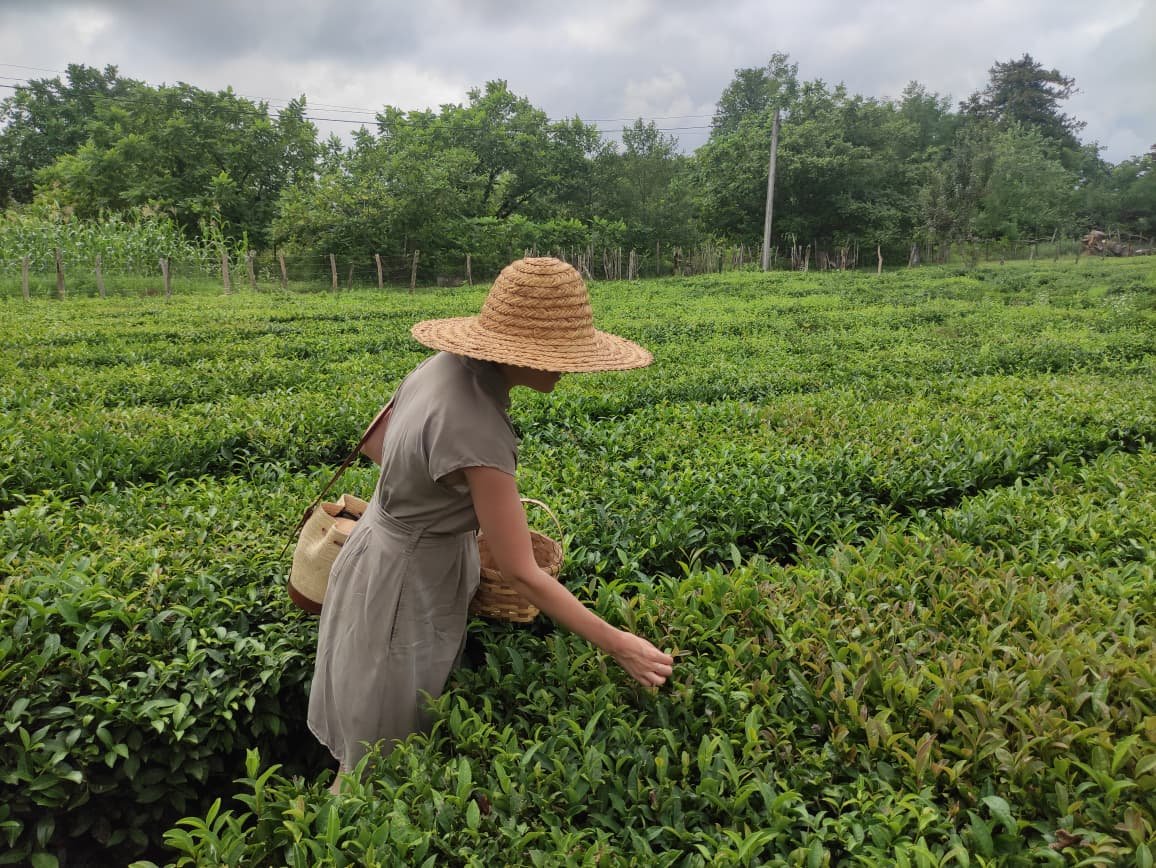
In recent years, a new generation of Georgian tea farmers has emerged in Guria, moving away from Soviet-style mass production to focus on high-quality, artisanal tea. These small-scale producers make exclusive, organic teas and actively welcome tourists for visits, tastings, and farm experiences.
What makes them special
- Quality over quantity: Small-batch production and hand-picked leaves
- Organic methods: No pesticides or chemical fertilizers
- Traditional + modern techniques: Georgian tea heritage combined with contemporary processing
- Direct sales: Buy exclusive teas you won’t find in stores
- Tourist-friendly: English-speaking owners, organized tours, and proper tasting experiences
- Sustainable farming: Environmental practices and preservation of tea culture
The experience
- Guided tours: Walk through tea plantations with the farmer
- Processing demonstrations: See how leaves become finished tea
- Professional tastings: Learn to taste tea properly, similar to wine tasting
- Workshops: Some farms offer tea-picking or processing experiences
- Farm-to-table: Fresh tea prepared on-site
- Personal stories: Hear about the revival of Georgian tea culture
- Purchase options: Buy exclusive teas directly from the producer
Our recommendation: If you’re genuinely interested in tea and want a quality experience, visit one of the modern artisan producers. If you just want to see tea fields for photos and don’t care about tasting, the old plantations are fine.
Booking tip: Contact farms at least two or three days in advance, especially in summer. These are small family operations: they need time to prepare, and farming is their primary business while tourism is secondary.
★★★★☆ · Family entertainment
Tsitsinatela Amusement Park
Shekvetili’s entertainment complex. Tsitsinatela, which means “firefly” in Georgian, is a large entertainment complex and Georgia’s attempt at a theme park and resort destination.
Amusement park section
- Rides for kids and families—Ferris wheel, carousels, and more
- Water attractions
- Mini-golf
- Game zones
- Climbing walls
- Trampolines
Summer entertainment
- Concerts by Georgian and international artists
- Dance shows
- Children’s performances
- Cultural events
- Evening light shows
Who it’s for
- Families with kids: The primary audience
- Georgian tourists: Very popular with domestic visitors
- Couples: Evening entertainment and concerts
- Beach-goers: Something to do beyond the beach
Practical info: The complex is in Shekvetili on the coastal highway. Entry is free, with individual attractions costing 5-15 GEL. Concert tickets vary from 20-100 GEL. Hours are generally 18:00-22:00 and longer in peak summer. It operates May-September, with some winter activities. Parking is available and free.
Honest assessment: Tsitsinatela is fun for families and provides entertainment beyond the beach. It’s not Disneyland—think regional amusement park rather than world-class theme park. The medieval castle aesthetic is kitschy but charming. Georgian families love it, especially when concerts are happening. It’s worth visiting with kids or for evening entertainment; anyone expecting major theme-park thrills will be disappointed.
★★★☆☆ · Architecture in miniature
Park of Miniatures (Georgia in Miniatures)
Located in Shekvetili, this outdoor park features miniature replicas of Georgia’s most famous buildings and monuments.
What’s here
- More than 50 scale models, approximately 1:25 scale
- Tbilisi landmarks: Narikala Fortress, Holy Trinity Cathedral, and the Bridge of Peace
- Historic churches: Svetitskhoveli, Jvari, Gelati, and Alaverdi
- Fortresses: Ananuri, Gonio, and various mountain fortresses
- Regional buildings: Traditional Svaneti towers and traditional houses
- Modern structures: Some contemporary Georgian buildings
- Walking paths connecting all models
- Information plaques in Georgian and English
- Fun photo opportunities with tiny buildings
Why visit
- See “all of Georgia” in one place—useful if you won’t visit every region
- Great for kids, who tend to love miniature worlds
- Educational introduction to Georgian architecture
- Creative perspective photos
- A quick 30-60-minute activity
Practical info: The park is in Shekvetili near the Tsitsinatela complex. Entry is 10 GEL for adults and 5 GEL for children. Hours are 10:00-20:00 in summer and 10:00-18:00 off-season. Allow about one hour. It’s best for families, architecture enthusiasts, and rainy days. Flat paths make it wheelchair accessible.
Honest assessment: It’s cute and mildly interesting. Kids enjoy it; adults find it charming for about 45 minutes. The models are well-made and maintained. If you’re in Shekvetili with time to kill or traveling with children, it’s worth 10 GEL. Adults without kids can skip it unless they specifically enjoy miniature parks. Combine it with Tsitsinatela for a full entertainment-complex experience.
★★★☆☆ · Botanical stop
Dendrological Park (Ozurgeti)
This small dendrological park—a botanical garden focused on trees and shrubs—is a green oasis in Guria’s capital.
What’s here
- A collection of native Georgian and exotic trees and plants
- Walking paths through gardens
- Benches and shaded areas
- Small ponds
- Old trees, some over 100 years old
- Labeled plants, mostly in Georgian
History: Established in the 19th century and expanded during Soviet times. It’s not as grand as Batumi Botanical Garden, but it has its own charm as a local, unpretentious garden.
What to expect
- Small size—you can walk the whole thing in 30-45 minutes
- Local atmosphere, with families walking and elderly people resting
- Peaceful and quiet surroundings
- Well-maintained but not touristy
- No English signs or information
Practical info: It is in Ozurgeti city center; ask locals for “Dendrologiuri Parki.” Entry is usually free or a minimal 2-3 GEL. Typical hours are daylight hours, roughly 09:00-19:00. Allow 30-60 minutes. It’s best for plant lovers, peaceful walks, or filling spare time in Ozurgeti.
Who should visit: Botanical enthusiasts, people with extra time before or after a Bakhmaro trip, and anyone wanting a quiet escape from the heat.
Who can skip: Anyone short on time or uninterested in plants. Batumi Botanical Garden is better.
Honest assessment: It’s a pleasant local park, nothing spectacular. If you’re passionate about dendrology or botanical gardens, you’ll appreciate it. If you’re nearby anyway, it’s a nice 30-minute diversion. Otherwise, skip it. Batumi Botanical Garden is far more impressive and worth prioritizing if you’re choosing between the two.
★★★☆☆ · Wetland wilderness
Kolkheti National Park
Georgia’s wetland paradise. This 29,000-hectare national park protects Colchian wetlands—bogs, marshes, lakes, and forests along the Black Sea coast. It’s part of the ancient Colchis region: think Jason and the Golden Fleece.
What’s here
- Wetlands ecosystem
- Over 190 rare bird species—a paradise for birdwatchers
- Walking trails and boardwalks through marshes
- Pichori River, called “Georgia’s little Amazon” by locals
- Lake Paliastomi
Activities
- Birdwatching—bring binoculars
- Kayaking on the Pichori River
- Nature photography
- Guided eco-tours
Practical info: The visitor center is near Poti in the neighboring Samegrelo region. Entry is 5 GEL. The best periods are the spring and autumn migrations—March-May and September-October. Ask at the visitor center or book through an eco-tourism agency.
Is it worth it? Only if you’re specifically interested in wetlands, birdwatching, or unique ecosystems. It’s not tourist-friendly in the conventional sense; it’s for nature enthusiasts.
Local heritage
Churches and Monasteries
Guria has several historic churches:
- Shemokmedi Monastery—11th-13th century
- Church in Likhauri
- Archangel’s Church in Jumati
Reality check: These are small, local churches—interesting for architecture enthusiasts but not major pilgrimage sites like Mtskheta or Gelati.
05
Plan the logistics
Practical Information
Getting to Guria
By car
- From Batumi: 90 km north, 1.5 hours on the coastal highway
- From Kutaisi: 100 km south, 1.5 hours on the main highway
- From Tbilisi: 300 km west, five hours via Kutaisi
By marshrutka
- Batumi to Ureki: 3-4 GEL, 1.5 hours
- Kutaisi to Ozurgeti: 4-5 GEL, 1.5 hours
- Tbilisi to Ozurgeti: 15-20 GEL, 5-6 hours, infrequent
By train: The Tbilisi-Batumi train passes through Guria but doesn’t stop at the tourist areas.
Getting Around Guria
Reality check: Public transport is limited. A car is highly recommended for exploring.
Without a car
- Marshrutkas connect the main towns: Ozurgeti, Ureki, and Shekvetili
- Taxis work for shorter trips
- Bakhmaro is difficult to reach without a car
With a car
- Easy access to beaches, mountains, and parks
- Roads are mostly good, except mountain roads to Bakhmaro
- Parking is easy and usually free
When to Visit
Best months: June or September. It’s warm enough for Ureki Beach, comfortable in Bakhmaro, less crowded, and more affordable.
Summer · July-August
- Beach season at Ureki
- Bakhmaro is busy with Georgian tourists escaping the heat
- Prices are higher, though still affordable
Spring · April-May
- Good for Kolkheti National Park bird migration
- The beach is too cold
- Bakhmaro might still have snow
Autumn · September-October
- Still warm enough for the beach in early September
- Beautiful in the mountains
- Fewer tourists
Winter · November-March
- Most places are closed
- Bakhmaro is inaccessible or very difficult to reach
- Only for hardcore adventurers
- Skip it unless you have a specific reason
Budget
Guria is one of Georgia’s cheapest regions. Even mid-range travel is affordable.
Per person
Budget · €25-35/day
- Accommodation: €10-15—guesthouse
- Food: €8-12—local restaurants
- Transport: €3-5—marshrutkas
- Activities: €3-5—national park entry and similar
Per person
Mid-range · €45-60/day
- Accommodation: €25-30—small hotel
- Food: €15-20—restaurants
- Transport: €10-15—taxis or private driver
- Activities: €10
Specific costs
- Guesthouse in Ureki: €15-25/night
- Guesthouse in Bakhmaro: €20-30/night
- Meal at a local restaurant: €5-10
- Marshrutka from Batumi to Ureki: 3-4 GEL
- National park entry: 5 GEL
- Beach lounger rental: 5-10 GEL
06
Choose your base
Where to Stay
For the beach
Ureki
- Soviet-era sanatoriums: €15-30/night
- Small hotels: €25-40/night
- Guesthouses: €15-25/night
For the mountains
Bakhmaro
- Guesthouses with meals: €20-35/night
- Options are limited—book ahead in summer
For transit
Ozurgeti
- Small hotels: €20-30/night
- Usually used as a transit point, not an overnight destination
Recommendation: Base yourself in Ureki for the beach or Bakhmaro for the mountains. Don’t stay in Ozurgeti unless necessary.
Recommended: 3 columns on desktop, 1 column on mobile.
Go beyond the guidebook
Ready to Explore Off-the-Beaten-Path Georgia?
If you’re the type of traveler who wants to discover Georgia beyond the guidebook highlights, we can help you explore Guria alongside the main destinations.
Contact us for a custom itinerary that includes Guria in a comprehensive Georgia tour, or browse our tours to see how we can incorporate off-the-beaten-path destinations into your trip.
Guria works well combined with:
- Batumi → Guria → Kutaisi—a coastal-to-mountain route
- Complete Georgia tours—three weeks that include everything
- Nature-focused tours—Kolkheti + Borjomi + Vashlovani parks
We’re honest about destinations: if Guria doesn’t fit your interests or timeline, we’ll tell you. But if you’re curious about Georgia’s quieter corners, we’ll show you why they’re worth discovering.


