Tusheti Adventure Guide
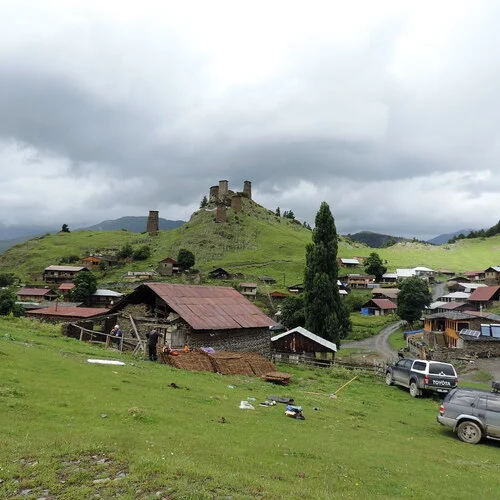
Where ancient towers pierce the clouds and shepherds still walk paths unchanged for centuries, Tusheti offers the kind of adventure that has all but vanished from the modern world.
Georgia has no shortage of dramatic mountain landscapes. But Tusheti exists on another plane entirely. This isn’t a destination you simply visit—it’s a place you earn, a world you enter, and an experience that fundamentally changes how you understand what travel can be.
Cut off from civilization by one of the most dangerous roads on the planet, accessible only four months per year, and home to communities whose traditions predate Christianity, Tusheti represents something rare in our over-connected age: genuine remoteness. No mountain pass in Europe requires more commitment to cross. No valley rewards that commitment more generously.
Whether you come for multi-day treks through alpine wilderness, cultural immersion in stone villages frozen in time, the thrill of crossing Abano Pass in a jeep, or the ancient tradition of horseback travel through the high Caucasus, Tusheti delivers experiences impossible to replicate anywhere else in the world.
Why Tusheti Matters: More Than Mountains
Every travel writer eventually confronts the problem of superlatives. How many places can truly be “unique” or “unforgettable”? The words lose meaning through overuse.
So let me be specific about what makes Tusheti different.
First, there’s the access—or rather, the deliberate lack of it. The only road into the region crosses Abano Pass at 2,926 meters, climbing through terrain so extreme that it remains impassable roughly eight months per year. When the road is technically “open,” it still requires a skilled driver in a capable 4×4 vehicle, nerves of steel, and a willingness to accept that the journey itself is an adventure. This natural barrier has done what regulations and tourism management never could: it has preserved Tusheti almost exactly as it has existed for centuries.
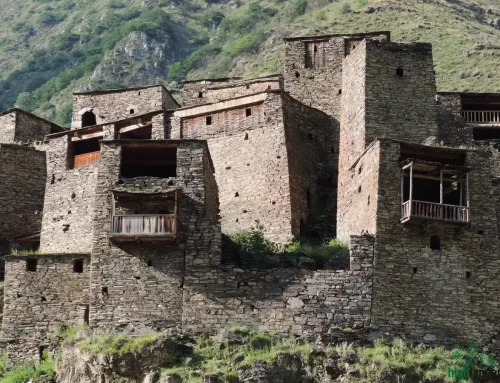
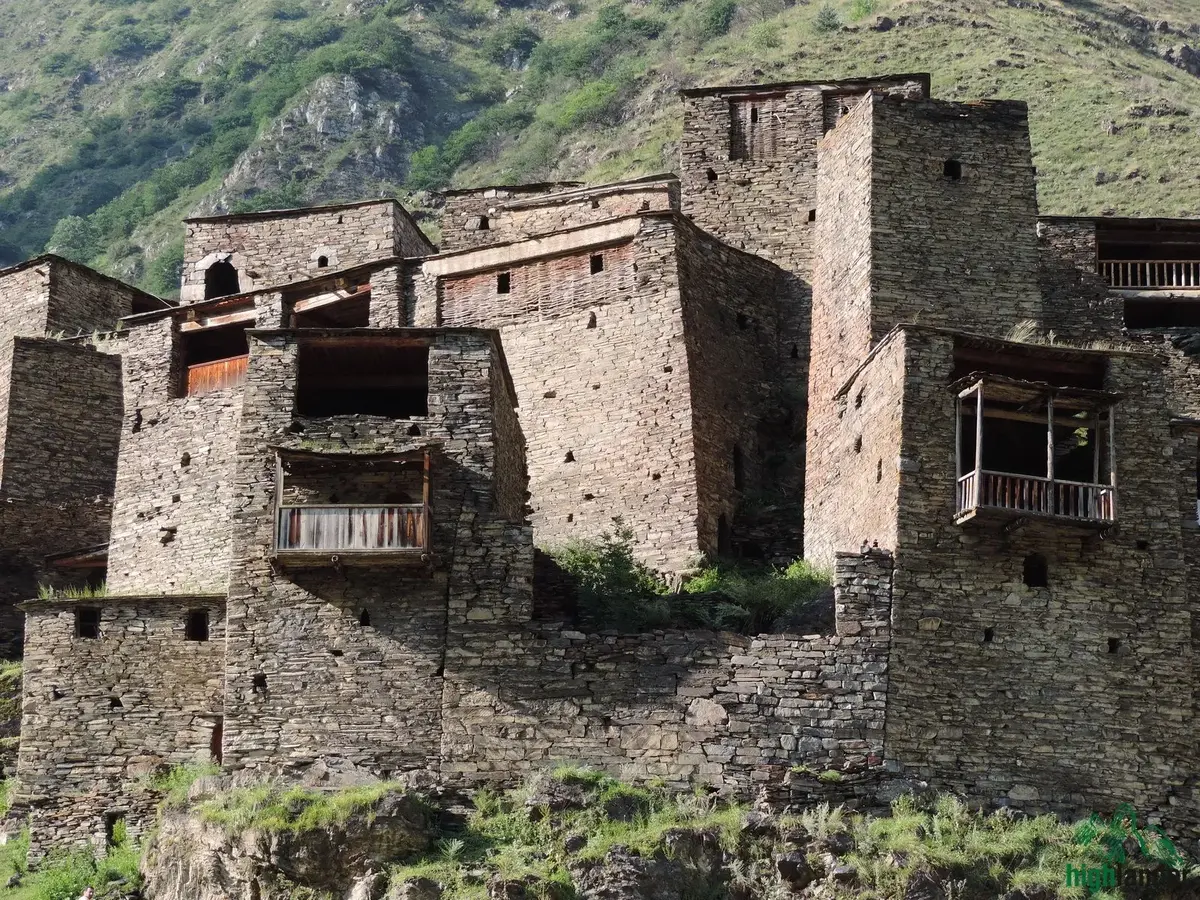
Second, there’s the culture. The Tush people have maintained their identity through millennia of invasions, empires, and political upheaval. Their stone defensive towers still stand as they did in medieval times. Their relationship with the mountains follows seasonal patterns established before written history. The Tushuri sheep they herd remains a distinct breed found nowhere else. Even today, many families practice transhumance—the ancient pattern of moving livestock between highland summer pastures and lowland winter grazing—maintaining a way of life that has otherwise disappeared from Europe.
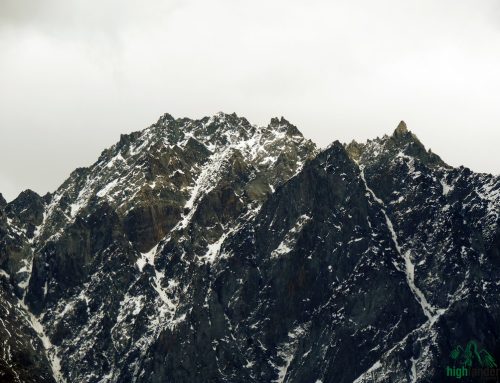
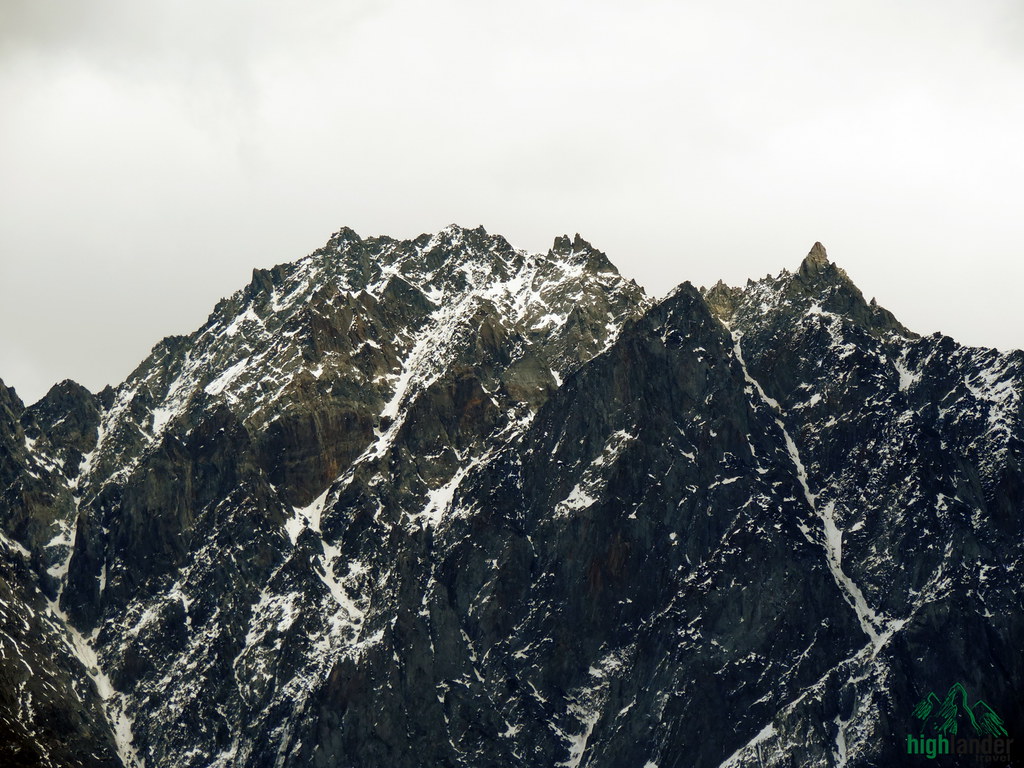
Third, there’s the landscape itself. Tusheti National Park and the surrounding protected areas encompass some of the most pristine high-mountain ecosystems remaining in the Caucasus. Endemic species flourish in valleys rarely touched by human impact. Alpine meadows explode with wildflowers each summer. Eagles soar above peaks that exceed 4,000 meters. The terrain shifts from dense forests to open grasslands to bare rock within a single day’s hike.
And finally, there’s what all of this means for the traveler willing to make the journey. Tusheti offers adventures that simply cannot be manufactured or replicated elsewhere—not because someone has protected it from development, but because the mountains themselves serve as guardians. You cannot build a resort where you cannot build a road. You cannot create mass tourism where mass transportation is impossible.
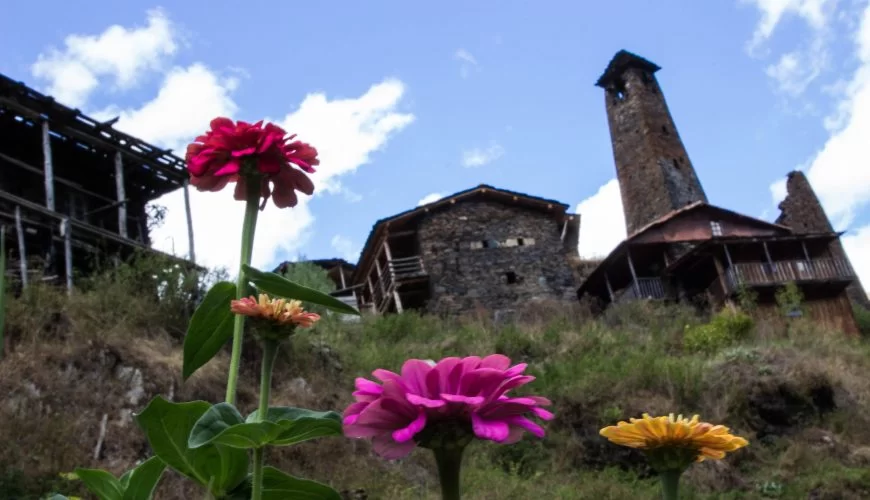
Understanding the Geography: Where Exactly Is Tusheti?
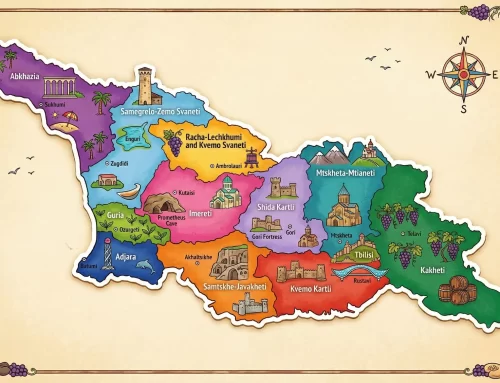
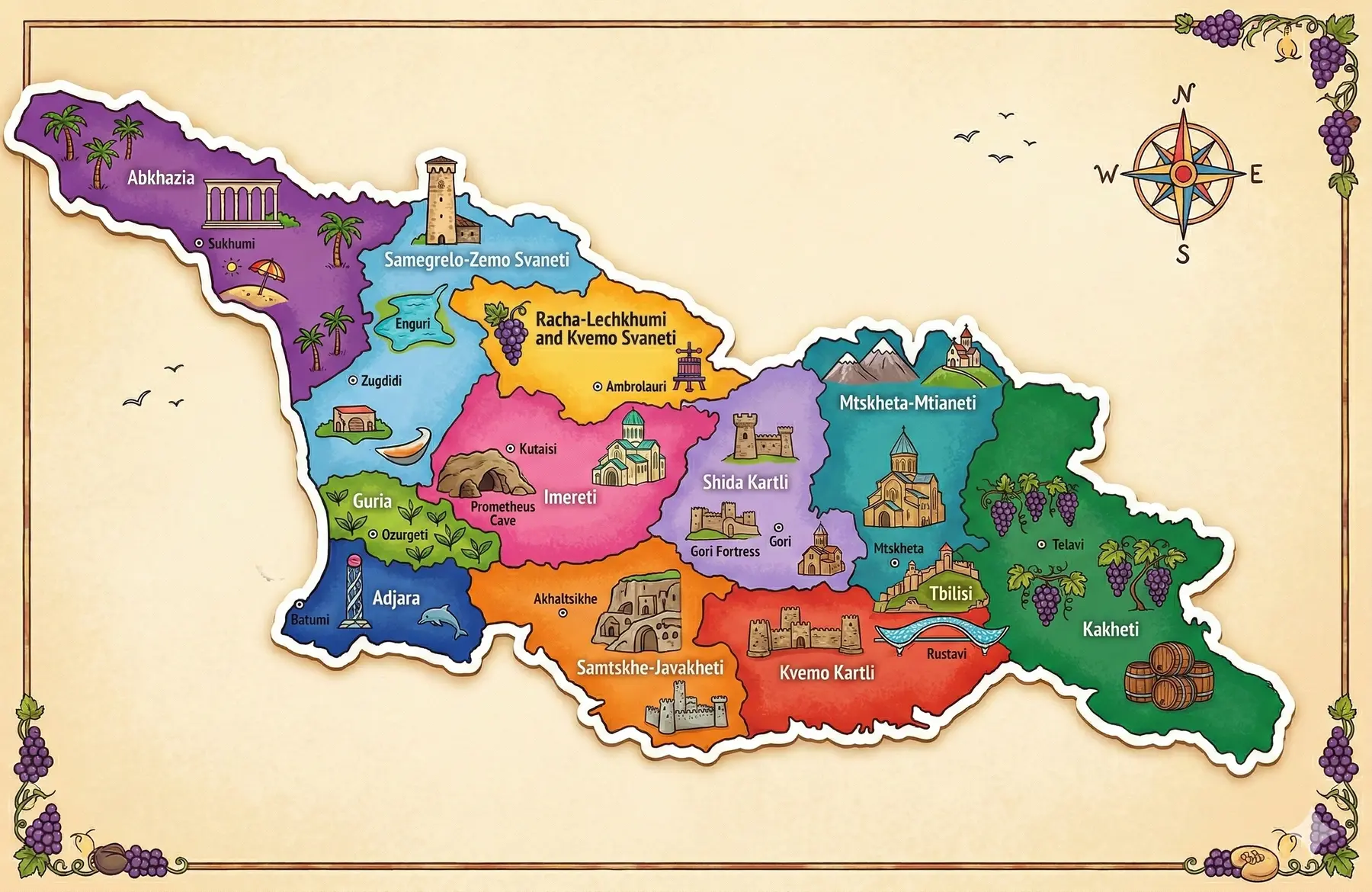
Tusheti occupies the northeastern corner of Georgia, pressed against the border with Russia’s Chechnya and Dagestan. Administratively, it falls within the Kakheti region, under Akhmeta Municipality—the same wine country that produces Georgia’s most celebrated vintages, though the contrast between the gentle slopes of Kakheti’s vineyards and the savage grandeur of Tusheti’s peaks could hardly be more extreme.
The region encompasses roughly 900 square kilometers of high mountain terrain, most of it protected as part of Tusheti National Park and the larger Tusheti Protected Landscape. Four main valleys—Pirikita Alazani, Gometsari, Chanchakhovani, and Chagma—radiate from the central highlands, each with its own character, villages, and trekking possibilities.
The main settlements cluster in the Pirikita Alazani valley: Omalo (both upper and lower), Dartlo, Chesho, Parsma, and others. These stone villages, many now only seasonally inhabited, represent the heart of Tushetian culture and serve as the starting points for most adventures in the region.
Elevation throughout Tusheti ranges from approximately 1,600 meters in the lower valleys to peaks exceeding 4,400 meters. Most villages sit between 1,800 and 2,400 meters, meaning even base camp activities involve significant altitude. This elevation contributes both to Tusheti’s spectacular scenery and to the physical demands it places on visitors.
The protected landscape system preserves not just wilderness but also cultural heritage—the towers, villages, shrines, and pastoral traditions that make Tusheti unique are all considered part of what must be protected for future generations.
The Road In: Conquering Abano Pass
No honest account of Tusheti can minimize what it takes to get there. The journey itself is half the adventure—and half the reason so few people ever make it.
From Kakheti’s regional center of Telavi, the paved road continues to Pshaveli, then Alvani, where the world, as most travelers know it, effectively ends. Beyond Alvani, the asphalt disappears, and the infamous Tusheti road begins its 72-kilometer climb to Abano Pass and descent into the highland valleys.
What Makes This Road Legendary
Abano Pass is regularly cited as one of the most dangerous roads on Earth, and having made the crossing many times, I can confirm this reputation is earned. The statistics are sobering: the road gains over 2,500 meters of elevation in roughly 30 kilometers of switchbacks. Sections are carved into cliff faces with no barriers and drops measured in hundreds of meters. The surface alternates between loose gravel, exposed bedrock, and mud depending on recent weather. Two vehicles meeting on many stretches must negotiate which one will reverse to a passing point.
And yet thousands of people cross Abano each summer—local herders moving sheep, supply trucks provisioning villages, and adventure travelers seeking what lies beyond. The key is understanding that this crossing requires proper preparation, an experienced driver, and the right vehicle.
Getting There: Your Options
Shared Jeeps from Alvani or Telavi: The most economical option for independent travelers. Marshrutka-style shared jeeps depart when full, typically in the early morning. Expect a rough ride in close quarters with locals, their luggage, and quite possibly their livestock. The experience is authentic but not comfortable, and departure timing is unpredictable.
Private Jeep Transfer: For groups or travelers who prefer guaranteed timing and dedicated service, private jeep transfers offer door-to-door transportation from Tbilisi, Telavi, or other starting points directly to your accommodation in Tusheti. Costs are higher, but so is the convenience and flexibility.
As Part of an organized tour, most travelers exploring Tusheti through organized trekking, horse riding, or adventure tours have transportation included. This eliminates logistics stress and ensures professional drivers who know every meter of the road.
What to Expect on the Journey
From Alvani, the road immediately begins climbing through mixed forest, following the Stori River valley. The scenery is pleasant but unremarkable—lush green slopes, occasional villages, nothing to suggest what’s coming.
Then the forest opens, the switchbacks begin in earnest, and the true character of the journey reveals itself. Over perhaps two hours of continuous ascent, the world transforms. The tree line falls away. The views extend across mountain range after mountain range. The road narrows to a track carved into seemingly impossible terrain.
The pass itself, at 2,926 meters, offers a moment of triumph—and spectacular 360-degree views when the weather cooperates. But the descent into Tusheti can be equally challenging, particularly after rain when sections become slick with mud.
Total travel time from Alvani typically runs 3-4 hours, though conditions can extend this significantly. From Tbilisi, expect a full day of travel in each direction.
Timing and Road Conditions
The road typically opens in late May or early June, depending on snowpack and repair work, and closes again in mid-October when autumn snows begin accumulating. Even within this window, the road can close temporarily due to landslides, severe storms, or accident recovery.
Current road status is essential information before departure. Local drivers and guesthouse owners in Tusheti maintain the most reliable intelligence—when booking your trip, your tour operator or accommodation can advise on conditions.
A Note on Self-Driving
While technically possible for experienced off-road drivers in properly equipped vehicles, self-driving to Tusheti carries significant risks. Beyond the technical challenges of the road itself, there are practical concerns: vehicle rental companies in Georgia generally prohibit their vehicles from crossing Abano, insurance coverage is typically void on such roads, and recovery services are essentially nonexistent in the event of mechanical failure or accident.
For most travelers, the wisest approach is to leave the driving to professionals who cross this pass regularly and know its every mood.
When to Go: Timing Your Tusheti Adventure
The window for visiting Tusheti is narrow—roughly mid-June through mid-September, with some flexibility on either end depending on specific year conditions. Within this brief season, timing matters significantly for different types of adventures.
Early Season (Mid-June to Early July)
The road has recently opened, and high passes may still hold snow. Rivers run high with snowmelt, making some crossings challenging. However, this is prime time for wildflowers—the alpine meadows explode with color in a display that rivals any in Europe. Wildlife is active after winter, and you may have the trails largely to yourself.
Considerations: Some higher trekking routes may remain inaccessible. The weather is unpredictable with frequent rain. Local infrastructure is still getting into the swing of the season.
Peak Season (July to Mid-August)
All routes are typically accessible. The weather is at its most stable and warmest, though afternoon thunderstorms remain common. This is the busiest period, though “busy” in Tusheti means you might encounter other trekking groups rather than having perfect solitude.
Considerations: Guesthouse availability requires advance booking, especially in Omalo and Dartlo. Shared jeeps are most frequent. This is the optimal window for challenging multi-day treks requiring high passes.
Late Season (Mid-August to September)
Crowds diminish as the European holiday period ends. The landscape takes on autumn tones with golden grasses and the first hints of fall color. Weather remains generally good though increasingly unpredictable. Local shepherds begin preparing for the annual migration down to winter pastures—a cultural experience worth witnessing.
Considerations: Days grow noticeably shorter. The road can close with little warning when early snow arrives. Some guesthouses begin closing for the season.
Weather Realities
Even in peak summer, Tusheti weather demands respect. Daytime temperatures in the valleys might reach 25°C, but nights drop sharply—near freezing is possible even in July at higher elevations. Afternoon thunderstorms can materialize from clear skies with surprising speed. Wind in the high passes can be severe.
For any activity in Tusheti, come prepared for four seasons in a single day. Layers are essential. Rain gear is non-negotiable. And plans must remain flexible—the mountains, not your itinerary, have the final word.
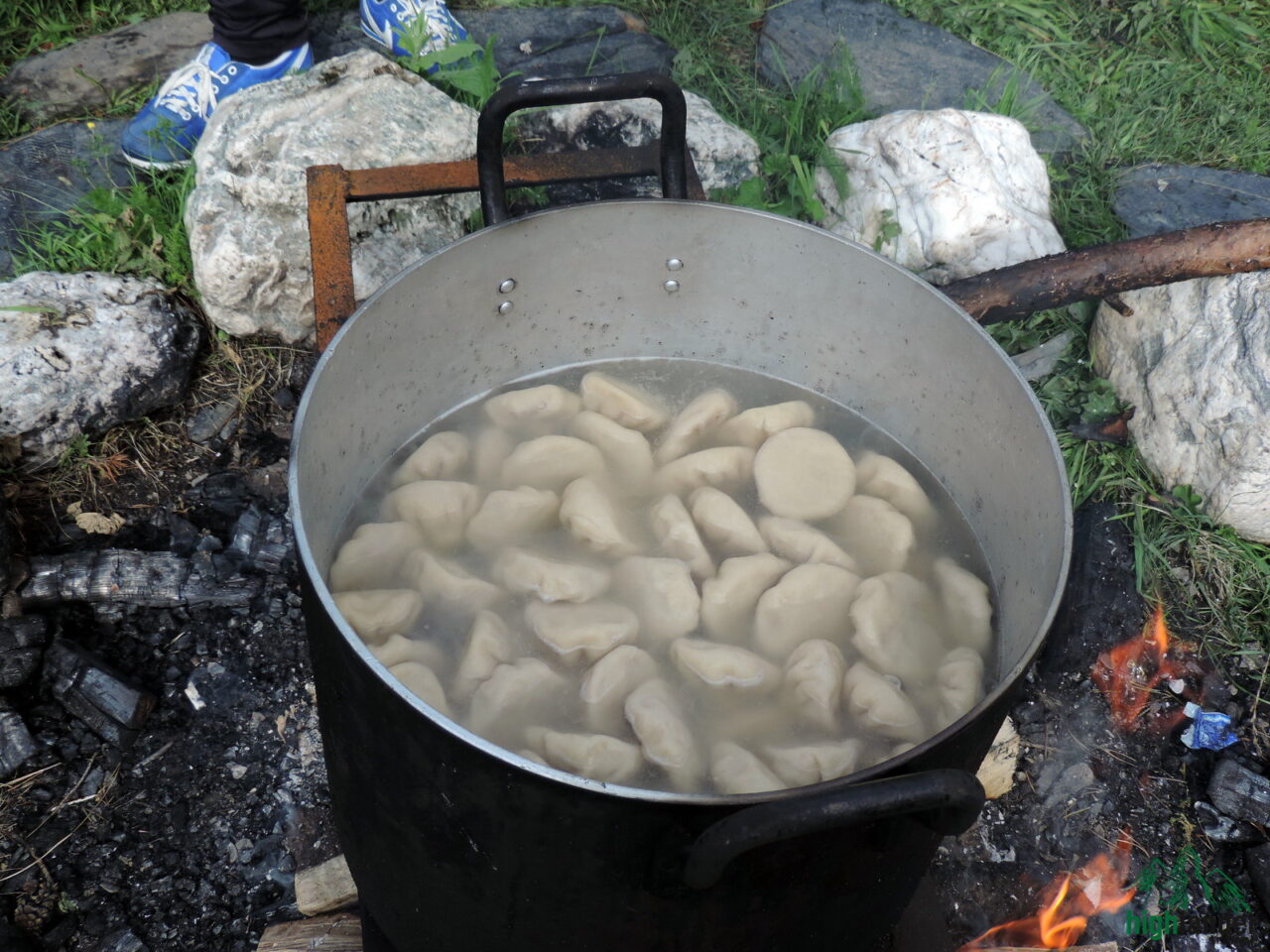
Trekking in Tusheti: A Complete Guide
Tusheti exists for trekkers. Not in the sense that it was designed or developed for them—precisely the opposite. It exists in a state that has become vanishingly rare: an extensive network of trails connecting remote communities across spectacular terrain, used by shepherds and traders for centuries, now available to adventurous walkers willing to accept the conditions.
What Makes Tusheti Trekking Different
Most popular trekking destinations have evolved infrastructure to support hikers: marked trails, mountain huts, reliable maps, and established emergency response. Tusheti has essentially none of this. The trails are ancient routes that local herders know intimately, but that exist on no officially maintained map. Accommodation means village guesthouses that may or may not have space, or camping in the wilderness. Resupply is impossible once you leave the main villages. The weather can strand you in place for days.
This isn’t a criticism—it’s a description of what makes Tusheti trekking extraordinary. You are following paths that have seen continuous use for thousands of years, through a landscape essentially unchanged from what medieval travelers experienced. The challenges are real, which makes the rewards authentic rather than manufactured.
Classic Multi-Day Routes
The Omalo-Dartlo-Parsma Circuit: This is Tusheti’s signature trek, a journey through the heart of the region’s cultural and natural heritage. The route connects the main villages of the Pirikita Alazani valley, passing medieval tower complexes, crossing high ridges with panoramic views, and providing deep immersion in Tush culture. Depending on pace and conditions, this circuit requires 3-5 days.
The Tusheti-Khevsureti Traverse: For experienced trekkers seeking a more serious undertaking, the route crossing from Tusheti into neighboring Khevsureti via Atsunta Pass (3,431m) offers one of the great Caucasus adventures. This remote crossing follows ancient trading paths through truly wild terrain. Allow 5-7 days and ensure proper preparation for high-altitude conditions.
Valley Explorations: Tusheti’s multiple valleys offer numerous possibilities for multi-day treks beyond the main routes. The Gometsari valley, the Chagma valley, and various combinations linking them provide options for trekkers seeking solitude and exploration.
Understanding Trek Difficulty
Grade your expectations carefully. “Easy” in Tusheti means something different than in the Alps or even the rest of Georgia. Even the gentlest day hikes involve significant elevation change on unmarked trails. Multi-day routes regularly cross passes above 3,000 meters on loose terrain. River crossings can be challenging when water runs high.
Physical fitness is essential—you’ll be carrying your own equipment over demanding terrain, often with no option to bail out or summon help. Previous mountain trekking experience is strongly recommended. High-altitude experience is valuable for routes crossing major passes.
With a guide or independently?
This question generates debate among experienced travelers, and the honest answer is: it depends on your experience, risk tolerance, and what you want from the journey.
Arguments for guided trekking: Professional guides know the trails intimately, including alternatives when conditions close primary routes. They handle logistics—accommodation, meals, route-finding—freeing you to focus on the experience. They provide safety backup in a region with no emergency services. And they offer cultural interpretation that transforms the journey from physical accomplishment to meaningful encounter.
Arguments for independent trekking: You set your own pace and itinerary. You engage more directly with locals when you’re not part of an organized group. Costs are lower if you’re truly self-sufficient. And for experienced mountain travelers, the challenge of navigating genuinely wild terrain is part of the appeal.
My recommendation: Unless you have extensive experience in remote mountain navigation, speak Georgian or Tushetian, and are fully prepared for self-sufficiency including emergency situations, trek with a guide. The modest additional cost is repaid many times over in safety, cultural access, and the freedom to actually enjoy the experience rather than worrying about logistics.
Horse Support for Treks
Traditional Tushetian travel was on horseback for good reason—the terrain is demanding, and distances are significant. Today, many trekking options include horse support for carrying equipment, allowing trekkers to walk with day packs while horses transport camping gear, food supplies, and heavier items.
This isn’t luxury or weakness—it’s a practical adaptation to the conditions. Horse-supported trekking allows you to cover more ground, take on more challenging routes, and arrive at each camp with energy remaining to actually enjoy the evening. For longer treks, especially, horse support transforms the experience from a survival march to a genuine adventure.
Day Hiking from Tusheti Villages
Not every Tusheti experience requires a multi-day commitment. The main villages—particularly Omalo, Dartlo, and Shenako—offer access to excellent day hiking that delivers Tushetian rewards on a more accessible scale.
Hikes from Omalo
Keselo Fortress: The iconic cluster of medieval towers crowning the ridge above Omalo is visible from throughout the valley. The climb is steep but short—perhaps an hour of sustained effort—and the reward is both the towers themselves and the commanding view across Tusheti. This should be on every visitor’s list regardless of fitness level.
Diklo Ridge Walk: For stronger hikers, the ridge extending from Omalo toward the abandoned village of Diklo offers a challenging full-day route with exceptional views into multiple valleys. The terrain is exposed in places and route-finding can be tricky—consider a guide or ensure you’re confident with navigation.
Valley Walks: The valley floor around Omalo offers gentler walking through pastoral landscape—grazing sheep, traditional farms, river crossings on footbridges. Perfect for acclimatization days or travelers seeking scenery without significant climbing.
Hikes from Dartlo
Dartlo’s setting at the confluence of valleys makes it an ideal base for exploration. The village itself rewards extended wandering—the density of historic towers and traditional stone architecture creates an open-air museum of Tush culture.
Kvavlo Valley: A relatively gentle half-day walk following the river upstream into increasingly dramatic scenery. The trail passes summer shepherd camps and offers opportunities for wildlife observation.
Chesho and Beyond: The trail connecting Dartlo to the neighboring village of Chesho makes an excellent moderate day hike, with options to extend to more remote settlements for stronger parties.
Hikes from Shenako
Saint George Church: Shenako is home to one of Tusheti’s most significant religious sites, an ancient church that remains an active pilgrimage destination. The walk from the village center is brief but the cultural significance is profound.
Ridge Routes: The ridges above Shenako provide access to spectacular viewpoints and connect to various longer routes for ambitious hikers.
Practical Considerations
Even day hikes in Tusheti require proper preparation. Bring layers, rain gear, sun protection, and sufficient water and food. Trails are generally unmarked—pay attention to your route and don’t hesitate to turn back if conditions or your navigation confidence warrant it. Afternoon weather can change rapidly; start early and build in time margins.
For hikes beyond the immediate village environs, hiring a local guide adds both safety and cultural depth. Costs are modest and support the local economy.
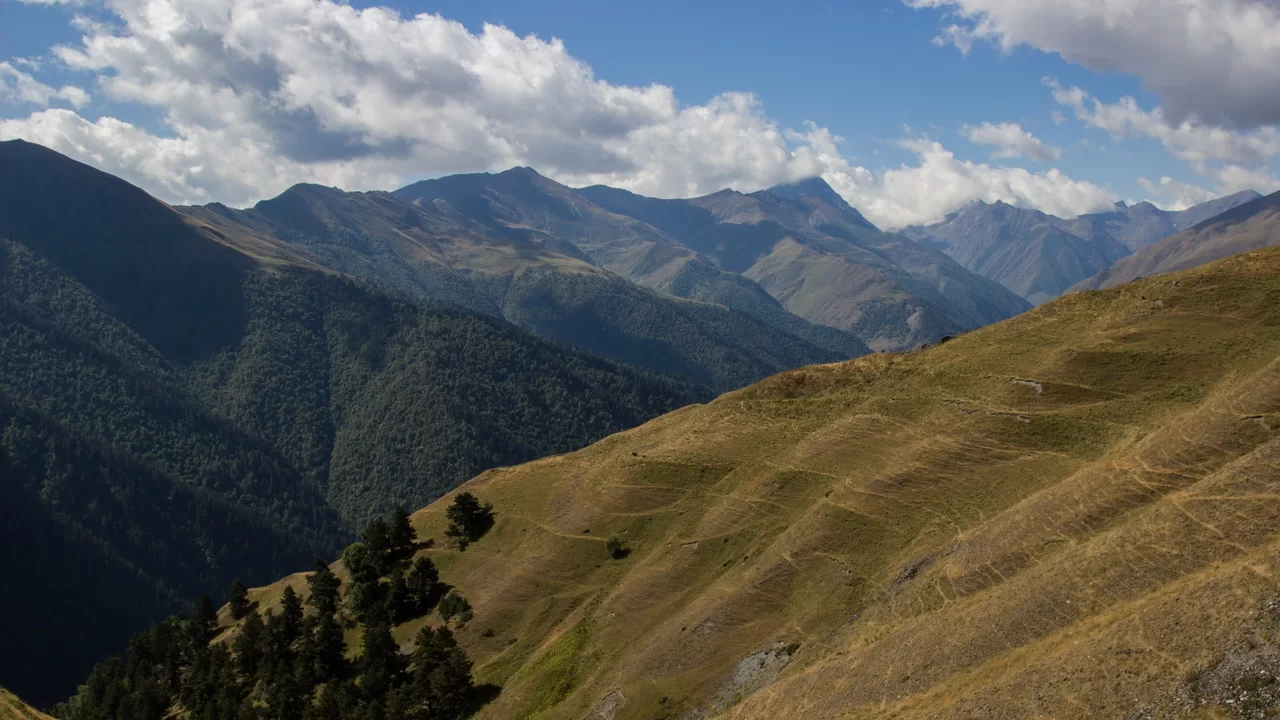
Horse Riding in Tusheti: Following Ancient Traditions
Long before the 4×4 road was bulldozed across Abano Pass, before modern trekking gear made foot travel practical, the people of Tusheti traveled on horseback. Their sturdy mountain horses were bred for this terrain—sure-footed on steep trails, calm in rough conditions, capable of carrying loads across passes that would defeat pack animals from gentler climates.
Riding in Tusheti isn’t adventure tourism grafted onto an unrelated landscape. It’s the traditional form of travel in a region where the tradition remains alive. When you ride through these mountains, you’re doing what Tushetians have done for centuries.
Why Horseback Travel Makes Sense Here
The terrain of Tusheti was shaped by hooves, not boots. Trails that seem punishing on foot become manageable from the saddle. Distances that would require days of hiking are compressed into achievable daily stages. And the rhythm of travel—the pace of a walking horse, the elevated view, the partnership with an animal adapted to this specific environment—creates an experience fundamentally different from either motorized transport or foot travel.
For travelers seeking cultural authenticity, horse riding provides access to the oldest layer of Tushetian life. The horses themselves are part of the heritage. The skills of the local guides who lead these trips descend directly from generations of mountain horsemen. The camps you stay in, the routes you follow, the way of moving through the landscape—all connect to a continuous tradition.
What to Expect
Typical horse riding trips in Tusheti range from half-day excursions out of main villages to multi-day expeditions crossing high passes and connecting remote valleys. The horses are mountain-bred and accustomed to the terrain; they’re not racing stock but reliable, steady mounts appropriate for variable conditions.
For beginners: Some previous riding experience is helpful but not essential for shorter trips. The horses are calm and guides provide support. However, this is not a pony ride—the terrain is real and requires attention. Multi-day horse trips are better suited to riders with at least basic competence.
For experienced riders: Tusheti offers genuine horseback adventure in challenging terrain. Longer itineraries access areas essentially unreachable by other means, covering ground that would require weeks on foot. The riding is practical rather than performance-oriented, but the environment is genuinely demanding.
Popular Horse Routes
Multi-day horse riding trips typically follow established routes connecting the main valleys and villages, with camping in wilderness areas or accommodation in village guesthouses depending on the specific itinerary. Routes can be customized based on rider experience, available time, and specific interests.
Some trips focus on cultural immersion, spending more time in villages and including visits to historic sites and interaction with local communities. Others prioritize wilderness and mountain scenery, maximizing time in remote areas with camping in spectacular settings.
Booking and Practical Information
Horse riding trips should be arranged in advance through experienced operators who maintain their own horses or work with trusted local partners. Quality varies significantly—well-cared-for horses with experienced handlers create entirely different experiences than poorly-maintained stock with indifferent guides.
Riding gear appropriate for mountain conditions is essential. The weather in Tusheti can be harsh even in summer, and you’ll be exposed without the protection of a vehicle or building. Proper boots, layers, and rain gear are non-negotiable.
Jeep Tours: Adventure by 4×4
For travelers seeking Tusheti’s rewards without the physical demands of trekking or horseback travel, jeep tours provide access to the region’s highlights while the vehicle does the hard work of conquering the terrain.
This isn’t merely a compromise solution for those unable to trek—jeep touring offers its own particular pleasures. The infamous road in is part of the experience rather than just logistics. Destinations too far-flung for practical trekking become accessible. And the vehicles themselves—often classic Soviet-era 4x4s driven by characters who’ve been navigating these mountains for decades—are adventure rather than mere transportation.
What Jeep Tours Offer
Abano Pass Experience: For many visitors, the crossing itself is a highlight. Experiencing this legendary road from inside a capable vehicle with a confident driver is simultaneously terrifying and exhilarating. The views, the exposure, the sense of pushing into truly wild terrain—it’s an adventure even if you never leave the vehicle.
Village Access: Jeep tours in Tusheti efficiently connect the scattered villages of Tusheti, allowing visitors to experience multiple communities, tower complexes, and viewpoints within limited time. What might require days of hiking compresses into hours of driving.
Combination Possibilities: Many travelers combine jeep transport with shorter hiking, riding, or cultural activities. The vehicle handles logistics and long distances while you experience highlights on foot or horseback.
Photography and Scenery: From a vehicle, you can reach viewpoints and locations that would require significant trekking effort otherwise. For photographers especially, this efficiency can mean more time making images and less time getting to positions.
Typical Jeep Itineraries
Jeep tours to Tusheti typically range from intensive single-day round trips (very long days, more driving than experiencing) to leisurely multi-day explorations with overnight stays in village guesthouses.
For most visitors, 2-3 days provides a reasonable balance—enough time to absorb the journey in, explore multiple villages and key sites, take some short walks, and return without feeling perpetually rushed. Longer trips allow for deeper exploration, combination with hiking or riding, and relaxed pacing.
Who Should Consider Jeep Tours
Jeep touring suits travelers who want authentic Tusheti experience with lower physical demands—older travelers, families with children, those with physical limitations that preclude strenuous trekking, or simply visitors whose interests and available time favor breadth over depth.
It also suits adventure travelers who want to experience the legendary road and dramatic landscapes even without specific interest in hiking or cultural immersion.
Understanding Tusheti Tour Costs: Why Quality Adventures Aren’t Cheap
Visitors accustomed to budget travel in Georgia often express surprise at Tusheti tour pricing. The region seems to defy the country’s reputation for affordable adventure. Understanding why reveals important truths about what makes Tusheti experience possible.
The Logistics Challenge
Every cup of tea you drink in Tusheti, every meal served in a guesthouse, every piece of equipment used by your guide arrived over Abano Pass. There is no other way. No supplies are manufactured locally. No infrastructure exists beyond what can be maintained with hand labor and materials hauled in by jeep or horse.
This means the cost of everything in Tusheti includes the extraordinary expense of transport over one of the world’s most difficult roads. Fuel, food, equipment, building materials, medical supplies—it all crosses that pass. The economics are inescapable.
Vehicle and Driver Costs
The vehicles that make Tusheti accessible are specialized equipment. Standard cars cannot make the crossing; rental vehicles are prohibited from attempting it. The 4x4s that do this work daily are purpose-maintained for demanding conditions. Drivers are specialists who’ve spent years or decades mastering this specific road.
Vehicle depreciation on Abano is extreme. Maintenance costs are substantial. Skilled drivers command fair wages for demanding, sometimes dangerous work. When you pay for jeep transport or a vehicle-supported tour, you’re paying for genuine expertise and appropriate equipment.
Local Economy Realities
Tusheti has no permanent year-round population—residents move to lower elevations each winter when the pass closes. This compressed season means tourism income must support families for the entire year in a few months of activity. Pricing reflects this economic reality.
Additionally, the protected status of the region limits commercial development that might reduce costs through scale. There will never be a budget hotel chain in Omalo, no matter how popular Tusheti becomes. The authentic, family-run guesthouses that exist are the only option—and their operators deserve fair compensation for hospitality provided in genuinely challenging circumstances.
Guide and Support Costs
Professional guides working in Tusheti face certification requirements, insurance costs, and the physical demands of repeatedly leading groups through strenuous terrain. Horse handlers bring animals that require year-round care on a brief season of working income. Porters and support staff often come from local families whose livelihoods depend on summer tourism.
Fair wages for this work translate directly into tour costs. Budget operations that undercut pricing typically do so by underpaying staff or cutting corners on safety and quality.
What You’re Actually Paying For
When you book a properly organized Tusheti tour—whether trekking, horse riding, jeep adventure, or combination—your costs reflect: expert local knowledge accumulated over lifetimes; appropriate equipment maintained for extreme conditions; fair compensation for skilled workers in a brief season; logistics that require crossing one of Earth’s most demanding roads; accommodation and meals in a region where everything is imported; safety margins that remote mountain travel demands; and preservation of an authentic experience that mass-market economics would destroy.
Tours in Tusheti typically range from three days to week-long immersions. The per-day costs exceed what similar activities might run elsewhere in Georgia. But there is nowhere else in Georgia—or anywhere—quite like Tusheti. The price reflects the privilege.
Tusheti Culture: What Visitors Should Know
The mountains of Tusheti have sheltered a distinct culture for thousands of years—a community that maintained its traditions through invasions, empires, Soviet collectivization, and now the pressures of the modern world. Understanding and respecting this culture enriches your visit and helps preserve what makes Tusheti remarkable.
The Tush People and Their Identity
The Tushetians are ethnically Georgian but culturally distinctive, having developed in relative isolation from the lowland Georgian mainstream. Their language incorporates dialect elements not found elsewhere. Their traditional dress, music, and oral traditions have their own character. Their seasonal migration patterns—summers in the highland pastures, winters in the Kakheti lowlands—have shaped their identity for countless generations.
This pastoral lifestyle persists. You will encounter working shepherds, not performers in folk costumes. The sheep you see grazing alpine meadows are the Tushuri breed, a living heritage distinct to this region. The paths you walk are routes the herds still follow.
Religious Traditions and Sacred Sites
Tushetian spiritual life blends Orthodox Christianity with older beliefs that predate conversion. Sacred groves and mountain shrines coexist with Christian churches. Certain sites carry restrictions and spiritual significance that visitors should respect absolutely.
The most important cultural protocol: do not approach, enter, or photograph sacred sites without explicit local permission and guidance. Some locations are restricted by gender. Others are closed to outsiders entirely. Asking before proceeding shows respect and often opens doors—literally—that would otherwise remain closed.
The Pork Taboo
Uniquely among Georgian Christians, Tushetians traditionally avoid pork. The origin of this prohibition is debated—possible pre-Christian roots, possible Islamic influence from neighboring communities, and possible practical adaptation to mountain conditions unsuitable for pig husbandry. Whatever the historical explanation, the taboo persists.
For visitors, this means pork is not served in traditional Tusheti guesthouses, and bringing pork products into the region is considered disrespectful. This is a modest accommodation that honors local tradition.
Respectful Behavior
Common-sense cultural courtesy applies: dress modestly, especially near religious sites; ask before photographing people, particularly in meaningful activities; avoid loud behavior that disrupts village tranquility; be patient with the pace of local life, which operates on mountain time rather than tourist schedules.
The towers that dot Tusheti villages are not tourist attractions constructed for your entertainment—they are the ancestral defensive structures of specific families, often still owned by descendants. Treat them as you would someone’s family home, because that’s essentially what they are.
Engaging Authentically
The most rewarding cultural encounters happen naturally when you stay in family guesthouses, accept hospitality, show genuine interest rather than treating locals as photo subjects, and remain present for longer than the minimum time to check off sights.
Learning even a few words of Georgian—or the greeting phrases specific to Tusheti—generates warmth and connection. Sharing meals with your hosts, asking about their lives and traditions, participating in daily activities when invited—these create memories far beyond any monument or viewpoint.
Villages and Highlights: Where to Focus Your Time
Tusheti’s settlements are small, scattered, and largely seasonal, but each has distinct character and attractions. Understanding the options helps shape your itinerary.
Omalo
The administrative center and most accessible village, Omalo actually consists of two settlements: Lower Omalo in the valley and Upper Omalo on the slope above. Most visitor services concentrate here—guesthouses, basic shops, the occasional vehicle when roads cooperate.
Keselo Fortress, crowning the ridge above Upper Omalo, is Tusheti’s most recognizable landmark—a cluster of medieval defensive towers silhouetted against the sky. The climb to the fortress is steep but achievable for anyone reasonably fit, and the views justify every labored breath.
For visitors short on time, Omalo provides the most accessible Tusheti experience with the least logistical complexity.
Dartlo
Many consider Dartlo the most beautiful village in Tusheti—and given the competition, that’s significant praise. The concentration of historic towers and traditional stone architecture creates an almost impossibly photogenic ensemble. The village occupies a spectacular position at the junction of valleys, with multiple trekking routes branching from its center.
Dartlo also offers good guesthouse options and serves as the most popular base for multi-day trekking and exploration.
Shenako
Less visited than Omalo or Dartlo, Shenako rewards those who make the effort. The village is home to the Church of Saint George, one of Tusheti’s most significant religious sites and an active pilgrimage destination.
The surrounding landscape offers excellent hiking with fewer fellow travelers than busier areas.
Diklo and the Abandoned Villages
Several traditional villages now stand empty or nearly so, their populations having departed permanently during Soviet times or since. Diklo is the most accessible of these ghost settlements—a haunting place where towers stand watch over fields no longer worked, buildings slowly returning to the mountains that spawned them.
Visiting these abandoned places requires sensitivity. They are not ruins to be climbed on or picked through for souvenirs; they are the homes and heritage of families whose descendants may return seasonally or who visit from elsewhere in Georgia. Treat them with the respect you would accord a cemetery.
Girevi, Chesho, and Beyond
Smaller settlements throughout Tusheti offer glimpses of village life away from the relative bustle of Omalo and Dartlo. Visiting requires more time and typically involvement in multi-day trekking or riding itineraries, but rewards with authenticity that more accessible villages cannot quite match.
Accommodation: What to Expect
Forget hotels, lodges, or resorts—Tusheti accommodation means guesthouses run by local families, and understanding what that entails prevents disappointment while opening doors to genuine hospitality.
Guesthouse Reality
A typical Tusheti guesthouse offers simple private rooms (sometimes shared rooms for larger groups), shared bathroom facilities, electricity via generator or solar (often limited hours), and meals prepared by the host family using local ingredients and traditional recipes.
Hot water is not guaranteed—some guesthouses have it, others don’t, and it may depend on solar heating working cooperatively. Wifi exists in some locations but is unreliable and shouldn’t be expected. Laundry facilities are essentially nonexistent.
What you get instead is authenticity. Your hosts are Tushetians whose families have lived in these mountains for generations. The food is traditional and homemade. The hospitality reflects genuine cultural values rather than hospitality-industry training. The experience of staying with a family, sharing meals at their table, learning about their lives—this is accommodation as cultural immersion.
Booking and Availability
In peak season, popular guesthouses in Omalo and Dartlo fill quickly. Advance booking through tour operators or direct contact is strongly recommended. Arriving without reservations is possible but risky—you may find beds, or you may find every guesthouse full.
For travelers on organized tours, accommodation is typically included and arranged in advance, eliminating this concern.
Camping
For trekkers heading into wilderness areas, camping is the only option. Bring all necessary gear—nothing is available for rental in Tusheti. Choose sites with care, following Leave No Trace principles and respecting any local guidance about sensitive areas.
Wild camping is generally permitted in the protected landscape but prohibited in certain zones. Your guide (or advance research) should clarify where camping is appropriate.
Planning Your Tusheti Experience
With an understanding of what Tusheti offers and requires, how do you plan your specific trip?
Duration Considerations
The minimum time for a meaningful Tusheti experience is three days: one day for the journey in, one day exploring, one day returning. This provides a taste but leaves much unexplored.
A week allows for genuine immersion—multi-day trekking or riding, visiting multiple villages, absorbing the rhythm of mountain life. This is the timeframe that transforms Tusheti from destination to experience.
Tours ranging from three days to seven or eight days cover the full spectrum of possibilities, from efficient highlights to deep exploration. Longer isn’t always better—it depends on your interests, fitness, and what you want from the journey.
Matching Activities to Abilities and Interests
Physical fitness matters. Be honest with yourself about your capabilities. Tusheti is not the place to discover you’re less fit than you imagined—there’s no easy way out when passes are high and help is distant.
Interest focus shapes itinerary. Cultural immersion suggests more time in villages, interaction with families, visits to historic and sacred sites. Wilderness experience points toward multi-day trekking into remote areas. Photography requires flexibility for light and conditions. Adventure seeking might emphasize the road crossing, dramatic landscapes, challenging routes.
Time constraints require tradeoffs. With limited days, you cannot see everything—focus on what matters most to you rather than trying to check every box.
Organized Tours vs. Independent Travel
For most visitors, organized tours provide the optimal Tusheti experience. Professional operators handle logistics that are genuinely complex in this environment, provide guides whose knowledge transforms the journey, ensure safety support appropriate to remote mountain travel, and allow you to focus on experience rather than survival.
Independent travel is possible for experienced mountain travelers with language skills, navigation ability, physical fitness, and genuine self-sufficiency. It’s not recommended for first-time visitors to the region.
What to Bring
Essential gear for any Tusheti visit: layers for temperature extremes, rain gear regardless of forecast, sturdy footwear appropriate to your planned activities, sun protection, basic first aid supplies, and headlamp or flashlight for guesthouses with limited electricity.
For trekking: full camping kit if you’ll be in the wilderness, or at minimum a light pack appropriate for day hikes. Technical hiking poles are valuable on steep terrain.
For horseback: riding boots or sturdy footwear, appropriate clothing for long hours in the saddle, rain gear that works while mounted.
For jeep tours: layers (mountain air through windows cools quickly), camera with charged batteries, snacks and water for the road.
What not to bring: excessive luggage (there’s nowhere to leave it and no service to carry it), heavy electronics you can’t charge, expectations of connectivity, and anything that requires infrastructure Tusheti doesn’t have.
Frequently Asked Questions
Can I visit Tusheti without a 4×4 vehicle?
There is no public transportation to Tusheti. The only vehicle access is via Abano Pass, which requires a capable 4×4 with an experienced driver. You can reach Tusheti by arranging shared or private jeep transport, or as part of an organized tour that includes transportation.
Is Tusheti safe for solo travelers?
Tusheti is extremely safe in terms of crime or interpersonal danger—the local communities are welcoming and trustworthy. However, solo travel in remote mountain terrain carries inherent risks that require honest self-assessment. Solo trekking into the wilderness without local knowledge, experience, and proper preparation is not advisable. Solo visitors who stay in villages and take day hikes within their abilities can have excellent experiences.
Do I need a guide?
For village-based visits with short local walks, a guide isn’t strictly necessary. For multi-day trekking, horseback expeditions, or any travel into remote areas, a guide is strongly recommended for all but the most experienced mountain travelers. Beyond safety, guides provide cultural interpretation, local knowledge, and logistical support that significantly enhance the experience.
What’s the best month to visit?
July and August offer the most reliable access and weather. Late June can be excellent for wildflowers but with some route limitations. September provides autumn beauty with thinner crowds but increasing weather unpredictability. There’s no single “best” time—it depends on your priorities and tolerance for uncertainty.
How fit do I need to be?
This depends entirely on your planned activities. Jeep touring with short walks requires only moderate fitness. Day hiking from villages demands reasonable cardiovascular condition and comfort on uneven terrain. Multi-day trekking requires genuine mountain fitness—the ability to hike 6-8 hours daily over challenging terrain with pack weight, often at elevation.
Can I visit Tusheti as a day trip?
Technically possible but not recommended. The road journey alone takes 3-4 hours each direction from the nearest lowland bases. A round trip with any time to actually experience Tusheti makes for an extremely long and exhausting day that barely scratches the surface. The minimum meaningful visit is two nights/three days.
What about phone and internet?
Mobile coverage exists in some villages but is unreliable. Internet is available at some guesthouses, typically slow and intermittent. Plan to be essentially offline during your visit—consider it a feature, not a bug.
Are there ATMs or places to pay by card?
No. Bring sufficient cash in Georgian lari for your entire visit, including margin for unexpected expenses.
Begin Your Tusheti Adventure
Some places exceed their reputation. Tusheti is one of them.
The challenges of reaching this highland realm—the infamous road, the remote villages, the demanding terrain—are not obstacles to be overcome but gatekeepers ensuring that what lies beyond remains worthy of the journey. Every traveler who earns passage across Abano enters a world that has nearly vanished from our planet: genuinely wild mountains, living pastoral traditions, communities whose rhythms follow seasons rather than screens.
Whether you choose to trek the ancient paths connecting stone villages, ride mountain horses through valleys their ancestors have crossed for millennia, or let a sturdy jeep carry you into landscapes that reward every kilometer of demanding road, Tusheti delivers experiences impossible to manufacture or replicate.
Tours begin at three days for an introduction to the region’s highlights and extend to week-long immersions for travelers seeking depth over efficiency. Whatever your timeframe, whatever your preferred style of adventure, this corner of the Caucasus offers something increasingly precious: authenticity that cannot be faked, in a world that has largely forgotten such places exist.
The mountains are waiting. The villages have welcomed travelers for centuries. The adventure begins when you decide you’re ready.
Georgia Tours has been organizing adventures in Tusheti since 2011. Our guides know these mountains intimately—the trails, the families, the weather patterns, and the stories that bring this remarkable region to life. Contact us to design your perfect Tusheti experience.