
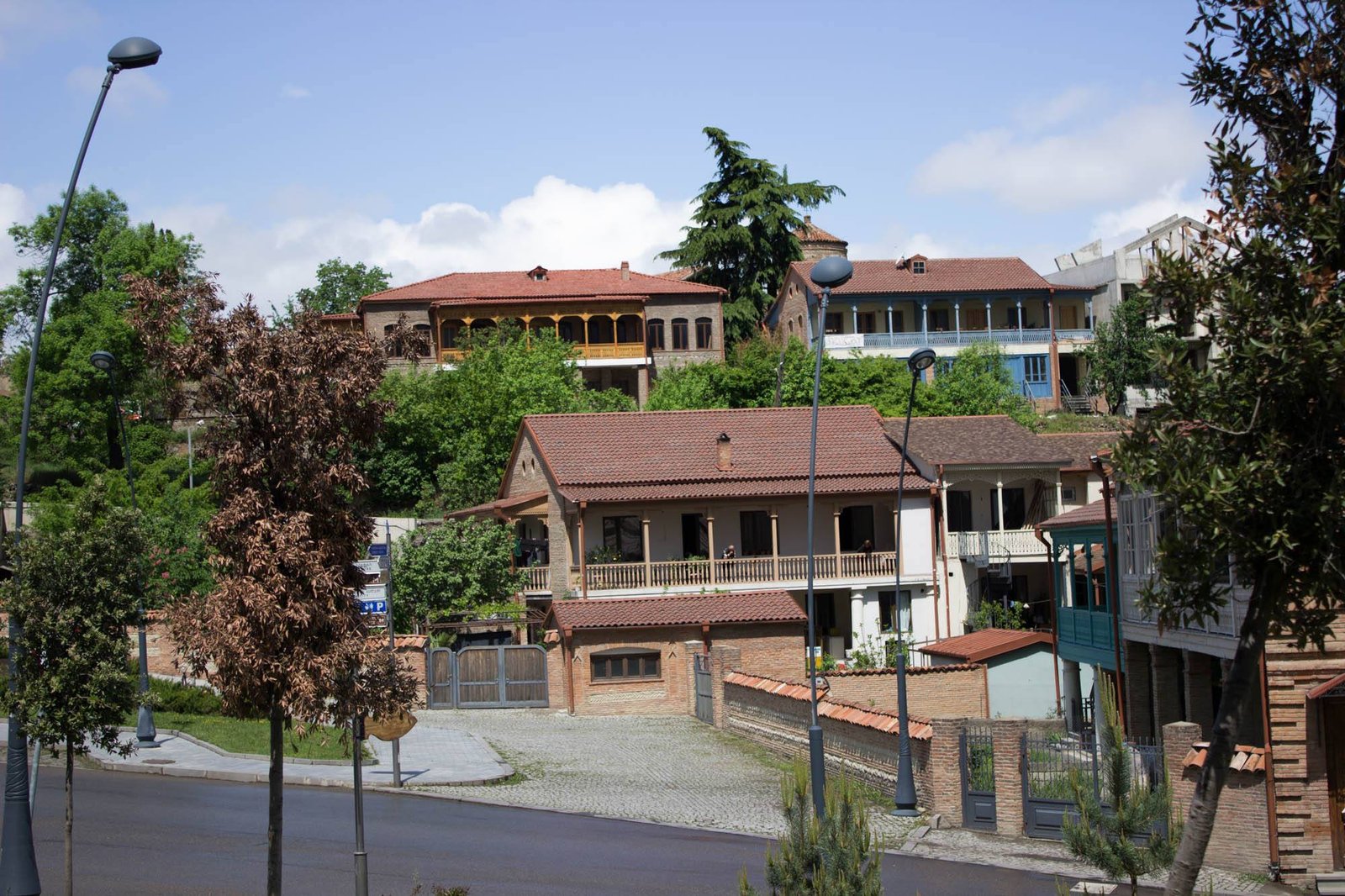
There is a feeling I get in Telavi that I do not find anywhere else in Georgia. It is warm—not just because of the climate, although the Alazani Valley sun plays its part. It is the kind of warmth that comes from a place that has never learned to hurry.
Telavi is quiet. Not empty or boring, just unhurried. The cafés fill slowly in the morning. Old men play backgammon in the park beneath the giant plane tree. Families stroll along Cholokashvili Street in the evening, stopping to talk with neighbours they have known for decades. Nobody seems to be rushing somewhere else.
Telavi is also delicious in a way that sneaks up on you. Fresh churchkhela from the bazaar is still soft. Khinkali have a distinct Kakhetian seasoning. Local cheese tastes like the valley itself, while wine is poured directly from qvevri in family cellars. Every meal feels like an act of generosity.
Cosy is the word that keeps coming back to me. Telavi feels like a place where you can settle in, let your shoulders drop and simply be. While Tbilisi rushes towards the future and Sighnaghi poses for photographs, Telavi continues making wine, baking bread and following the rhythms of Kakhetian life.
For travellers, Telavi offers something increasingly rare: a real Georgian city that welcomes visitors rather than a tourist attraction pretending to be a city. The capital of Kakheti has royal history, serious wine culture, impressive mountain views and a sense of authenticity that is becoming harder to find. This guide explains how to experience it properly.
Why Telavi Deserves More Than a Day Trip
Many visitors treat Telavi as a quick stop on a Kakheti wine tour before returning to Tbilisi. That is a mistake.
Telavi served as the capital of the Kingdom of Kakheti, and its royal heritage remains visible in the fortress, palace and traditional wooden balconies lining the old streets. The city sits at approximately 490 metres in the Alazani Valley, with the snow-covered Greater Caucasus stretching across the northern horizon.
Telavi reveals itself slowly. The bazaar is best in the morning, the fortress views improve towards sunset and the wine cellars become livelier in the evening. Rush through in four hours and you will see the main buildings. Stay for two or three days and you begin to understand why Kakhetians consider their region the soul of Georgia.
Telavi also works well as a base for exploring Kakheti. Sighnaghi may be more immediately photogenic, but Telavi has stronger transport connections, more restaurants and convenient access to the monasteries, estates and wineries spread across the Alazani Valley.
What to See in Telavi
Batonis Tsikhe: The Fortress That Defined a Kingdom
Every Georgian child learns about King Erekle II, the last major ruler before Russian annexation. He fought against Persian and Ottoman forces and eventually sought Russian protection for his kingdom. His fortress dominates central Telavi and represents the closing years of Georgia’s political independence.
Batonis Tsikhe means “Master’s Fortress.” The complex took its present form during the 17th and 18th centuries. Its Persian-influenced design, circular towers and massive stone walls reflect the difficult diplomatic position of Georgian rulers caught between the Persian and Ottoman empires.
Inside the walls, the former royal palace houses the Telavi History Museum. Restored Shebeki-style coloured-glass windows cast light across carpets and exhibits. King Erekle II was born and died within this complex, and the museum contains royal portraits, medieval weapons and archaeological material from Kakheti.
The art gallery includes works by Telavi-born painter Jemal Khutsishvili, whose paintings depict wine harvests, breadmaking and scenes from everyday Kakhetian life.
Visiting information: Allow one to two hours. Check current opening hours, entrance fees and guide availability before visiting.
The Ancient Plane Tree
Behind Batonis Tsikhe stands one of Georgia’s most famous trees. The enormous plane tree is traditionally said to be around 900 years old. Its trunk measures approximately 12 metres around, while its canopy spreads across much of the surrounding park.
Legend says that King Erekle II held meetings beneath its branches. Generations of Georgians have touched its bark and posed inside the hollow trunk, finding something reassuring in the persistence of a living thing that has survived centuries of political change.
The tree is most impressive during summer and early autumn, when its canopy is full.
Cholokashvili Street and Erekle II Street
Telavi’s character is most visible in its residential streets, where carved wooden balconies hang above old pavements and neighbours still know one another’s families.
Cholokashvili Street contains many of Telavi’s best-preserved historic buildings. Restored balconies display intricate woodwork painted turquoise, dark green or left in a natural finish. The street also contains cafés, small shops and a ceramics studio.
Erekle II Street combines traditional balconied houses, Soviet apartment buildings, arched entrances leading into hidden courtyards and formal public architecture. The Vazha-Pshavela State Theatre and Tourist Information Centre stand nearby.
Look for QR codes mounted on selected buildings. They form part of a self-guided walking project providing historical information about Telavi’s architecture.
Nadikvari Park and the Alazani Valley View
Telavi’s best panorama is found at Nadikvari, a hilltop park southeast of the centre. On a clear day, you can see across the Alazani Valley to the snow-covered peaks of the Caucasus, with Telavi’s rust-coloured roofs below.
The park has leafy paths, Soviet-era monuments, contemporary sculptures and a retro amusement area popular with local families. Nadikvari Terrace offers outdoor seating positioned towards the sunset.
The uphill walk takes approximately 15–20 minutes from central Telavi. Bring water during summer.
Telavi Bazaar
Telavi’s bazaar is an excellent place to observe daily life. Beneath its curved roof are rows of fruit, vegetables, spices, churchkhela, cheese and dried produce. Stand near the top of the main staircase for one of the best views across the market.
This is a working local market rather than a souvenir bazaar. Prices are generally fair, while the selection includes products less commonly found in Tbilisi: fresh walnuts in their green husks, regional adjika blends, homemade fruit leather and drinks produced by farmers from nearby highland communities.
The best churchkhela comes from vendors who make it themselves. Look for pieces that remain slightly soft rather than hard and completely dried out.
Best time to visit: Go before 11:00 for the freshest products and busiest atmosphere.
Telavi and Georgian Wine Culture
Georgia has one of the world’s oldest documented winemaking traditions, stretching back approximately 8,000 years. Kakheti produces most of the country’s wine, and Telavi stands at the centre of the region. It is difficult to understand the city without understanding wine.
Qvevri: The Vessel That Defines Georgian Wine
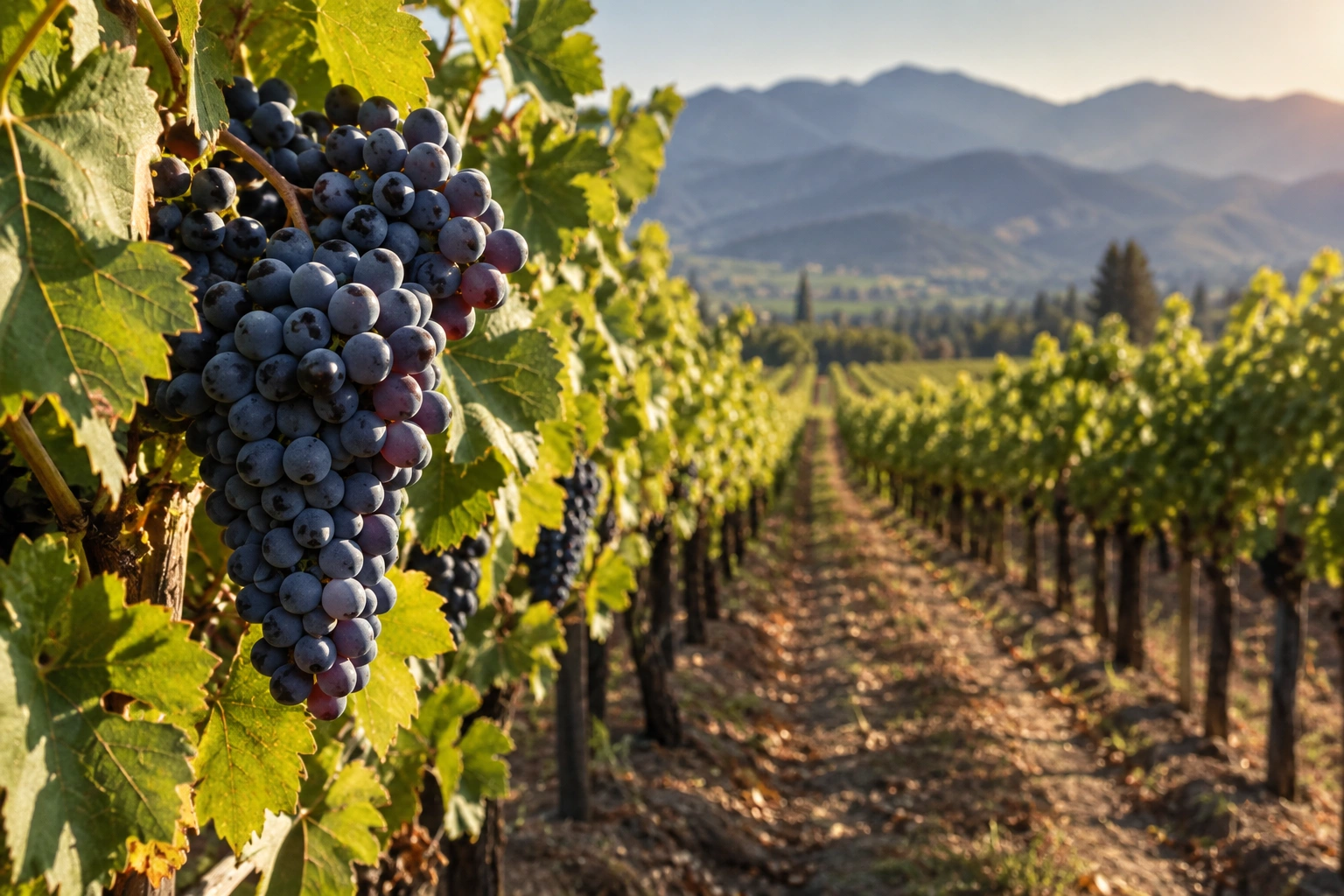
What makes traditional Georgian wine distinctive is not only the indigenous grapes, such as Saperavi and Rkatsiteli. It is also the qvevri: a large, egg-shaped clay vessel buried in the ground, where wine ferments and matures with the grape skins and sometimes the stems.
This method produces amber wines with tannins, structure and flavours that differ considerably from conventional white wine. UNESCO recognised traditional qvevri winemaking as Intangible Cultural Heritage in 2013.
The practice survived Soviet collectivisation in family cellars across Kakheti. Today, Georgian amber wines are experiencing an international revival.
In and around Telavi, visitors can meet qvevri makers, tour family cellars and taste wines produced using techniques preserved over many generations.
Wine Bars and Cellars in Telavi
- Dakishvili Wine and Chocolate: An underground wine bar and shop operated by a respected Telavi winemaking family, offering wines paired with handmade chocolates
- Rostomaant Marani: A family wine cellar in central Telavi offering tastings in a traditional setting
- Zurab Kviriashvili Vineyards: A small producer specialising in natural qvevri wines; advance reservations are recommended
- Doli Restaurant: A contemporary Kakhetian restaurant with a carefully selected Georgian wine list
Rtveli: The Grape Harvest
If possible, visit Telavi during late September or October. Rtveli, the grape harvest, transforms Kakheti into a region-wide celebration. Trucks loaded with grapes fill the roads, families work in their vineyards and cellars begin crushing and fermenting the new harvest.
Neighbours help one another, communal meals appear and music accompanies the work. It is Georgian hospitality concentrated into one season.
Small wineries may close to visitors during Rtveli because everyone is occupied with production. Larger estates normally remain open, while guesthouses can sometimes arrange visits to family vineyards where travellers can observe or participate in the harvest.
Places to Visit near Telavi
Telavi’s location is one of its greatest advantages. Within a short drive are important monasteries, historic estates and traditional wine cellars. A rental car or hired driver makes these places much easier to explore.
Alaverdi Cathedral
Approximately 20 kilometres northwest of Telavi, Alaverdi Cathedral rises from the valley floor against the mountains. At around 50 metres tall, it is one of Georgia’s highest historic religious buildings.
The monastery was founded in the 6th century by Joseph Alaverdeli, one of the 13 Assyrian Fathers associated with the spread of Christianity in Georgia. The present cathedral dates mainly from the 11th century and has survived earthquakes, invasions and the Soviet period.
Medieval frescoes cover parts of the interior. Monks continue to live at the complex and produce wine in a cellar whose tradition is associated with the monastery’s long history.
Visitors may be able to hear morning prayers if they arrive early. Remain quiet and respectful during services.
Visiting information: Entrance is normally free, and a strict dress code applies. Confirm current opening hours before travelling.
Ikalto Academy and Monastery
Approximately 10 kilometres from Telavi, Ikalto Monastery contains the ruins of an important medieval academy. Founded in the early 12th century, the institution taught theology, philosophy, astronomy, geometry, medicine, pottery, metalworking and winemaking.
Tradition holds that Shota Rustaveli, Georgia’s national poet and author of The Knight in the Panther’s Skin, studied here. The academy attracted scholars from across the Christian East before invasions ended its most productive period.
Three churches remain within the complex, together with the ruins of academy buildings. Ancient qvevri scattered around the grounds demonstrate the importance of winemaking at Ikalto.
Visiting information: Entrance is normally free. Ikalto and Alaverdi can easily be combined in a single excursion.
Tsinandali Estate
Approximately 10 kilometres east of Telavi, Tsinandali Estate represents the meeting point between Kakhetian winemaking and European techniques.
The estate belonged to Alexander Chavchavadze, a 19th-century aristocrat, poet and military officer who travelled extensively in Europe. He created formal gardens, developed an elegant manor and established one of Georgia’s first European-style wineries.
Today, the property includes a museum in the restored manor, extensive gardens and an enoteca containing bottles dating back to the 19th century. Guided cellar tours explain how European methods influenced Georgian wine production.
The Radisson Collection Tsinandali Estate occupies part of the wider property and provides luxury accommodation.
Visiting information: Check current museum hours, ticket prices and photography rules before visiting.
Gremi Citadel
Across the Alazani Valley, the turquoise-domed Church of the Archangels stands on a green hill above the remains of Gremi. The city served as the capital of Kakheti before Persian forces devastated it in 1615.
The church and bell tower survived because they occupied higher ground. The commercial town, royal residence and marketplace below were largely destroyed.
Frescoes remain inside the church. The bell tower contains a small museum with archaeological finds and portraits of Kakhetian rulers. Visitors can climb higher for views across the valley.
Visiting information: Confirm current opening days and entrance fees before travelling.
Old and New Shuamta Monasteries
Approximately 11 kilometres from Telavi on the road towards Tbilisi, two monasteries stand within walking distance of one another, representing different periods of Georgian Christian architecture.
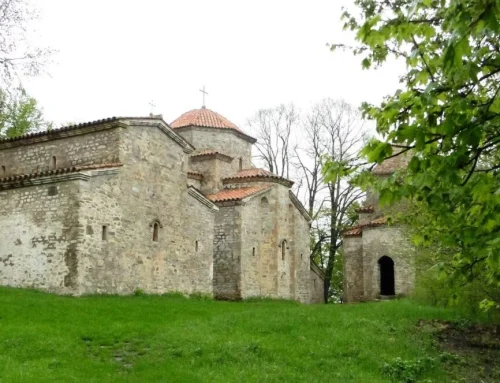
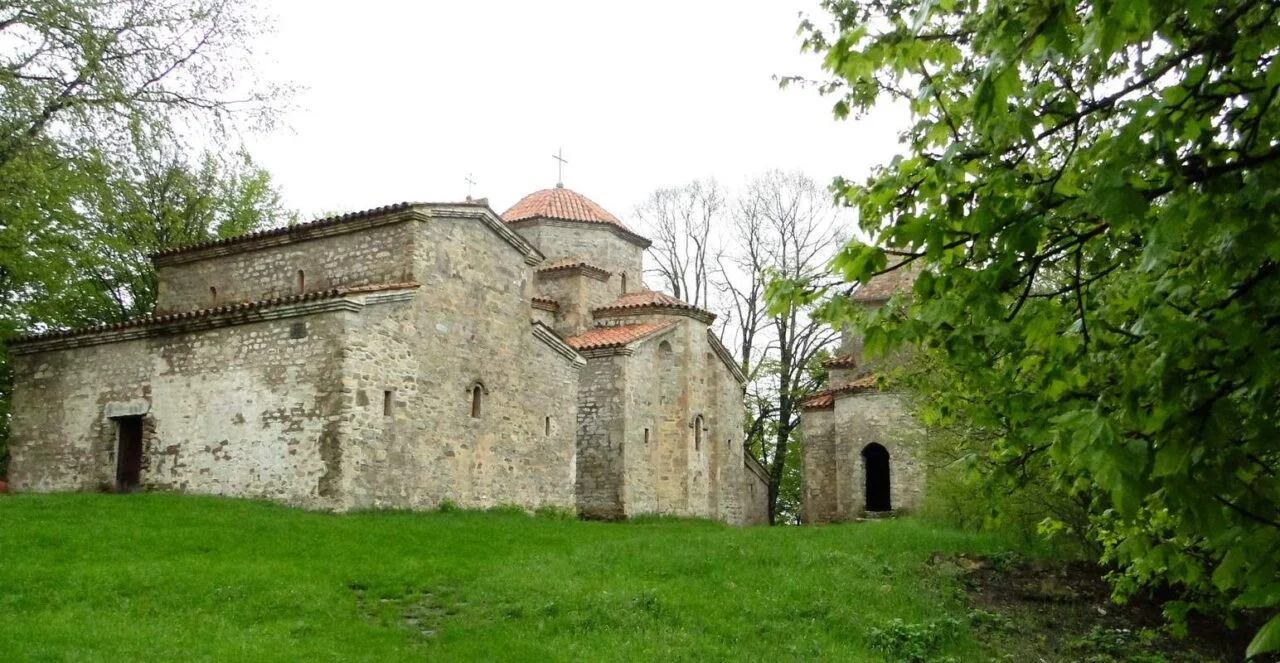
Dzveli Shuamta, or Old Shuamta, dates from the early medieval period and is one of Georgia’s oldest monastic complexes. Its modest churches stand beneath the wooded Tsiv-Gombori Range. “Shuamta” means “among the mountains.”
Akhali Shuamta, or New Shuamta, was built during the 16th century. An active community of nuns maintains the churches and gardens.
A forest path connects the two complexes. Check trail conditions before walking after heavy rain.
Where to Eat in Telavi
Kakhetian cuisine places particular emphasis on grilled meat, fresh vegetables, regional cheeses, herbs and wine. Telavi’s restaurant scene now includes everything from family dining rooms to contemporary culinary projects.
Odlisi Cheese Bar: Owner Rati Rostomashvili produces gourmet cheeses flavoured with ingredients such as wild garlic, truffle and nettle. Tastings take place in a restored schoolhouse, and guests may be able to visit the cheese-ageing room. Reserve in advance.
Doli: A contemporary Kakhetian restaurant attached to Communal Hotel. Its khinkali, made with Doli wheat flour, beef and thyme, are particularly good. The restaurant also has an excellent Georgian wine list.
Kapiloni: A local favourite serving traditional Georgian food in a leafy courtyard. Portions are generous and the menu includes grilled meat, kebabs and Kakhetian dishes.
Zodiaqo: A simple restaurant best known for its khinkali. It also operates a branch in Tbilisi.
Biblus Piatto: A bookstore café overlooking the river, suitable for breakfast, coffee and lighter meals.
Nadikvari Terrace: Best visited for sunset views and its wine selection.
Marleta’s Farm: A venue outside the city specialising in goat cheese, with artworks by Georgian painter Malkhaz Gorgadze and mountain views. Advance reservations are required.
Where to Stay in Telavi
Budget – Guest House Lilia: A family-run property with clean rooms, a garden veranda and a wine cellar.
Heritage boutique – Dzveli Galavani: A restored building on Cholokashvili Street with a small number of rooms, heritage details and private bathrooms.
Mid-range – Hestia Hotel, Wine and View: A hilltop hotel with comfortable rooms, home-cooked dinners and panoramic views from its rooftop terrace.
Boutique – Communal Telavi: A central boutique hotel on Cholokashvili Street with an outdoor pool and the Doli restaurant.
Luxury – Radisson Collection Tsinandali Estate: Five-star accommodation on the historic Chavchavadze property, a short drive from Telavi.
Practical Information for Visiting Telavi
Getting to Telavi
Marshrutka from Tbilisi: Minibuses travel from Tbilisi to Telavi via the Gombori Pass. Departure points, prices and schedules can change, so confirm the current arrangements locally.
Taxi or private transfer: A private vehicle is more comfortable and can include stops along the way. Agree on the itinerary and total price before departure.
Organised tour: Day trips and multi-day private tours are available from Tbilisi. Our Kakheti wine tours combine Telavi with wineries, monasteries and family cellars.
Self-driving: Telavi is approximately 95 kilometres from Tbilisi via the Gombori Pass. The road is paved but winding, so drive carefully and check winter conditions.
Getting Around Telavi
Central Telavi is compact and walkable. Taxi applications operate in the city and are useful for restaurants or accommodation outside the centre.
A hired driver or rental car is the easiest way to reach monasteries, wineries and villages beyond Telavi. Guesthouses can often recommend local drivers.
Best Time to Visit Telavi
Rtveli season: Late September and October bring the grape harvest. This is an atmospheric but busy period, so reserve accommodation early.
Spring: April and May offer green landscapes, wildflowers and generally pleasant temperatures, with occasional rain.
Summer: June through August can be very hot. Begin sightseeing early, carry water and take a break during the hottest part of the afternoon.
Winter: December through February is quiet, with clearer mountain views and very few visitors. The landscape is drier, and snow may affect the Gombori Pass.
How Much Time Do You Need in Telavi?
One day: Enough for Batonis Tsikhe, the plane tree, Cholokashvili Street, the bazaar and one nearby monastery. It will feel rushed.
Two days: Allows comfortable city exploration, two or three nearby sites, proper meals and at least one wine tasting.
Three days or longer: Provides time for several monasteries and wineries, a sunset walk at Nadikvari and a better sense of Telavi’s daily rhythm.
Frequently Asked Questions
Should I visit Telavi or Sighnaghi?
Visit both if time allows. Sighnaghi is a compact hilltop town with defensive walls and broad valley views. Telavi is a working regional capital with more restaurants, accommodation and transport connections. Telavi generally works better as a base, while Sighnaghi is more immediately photogenic.
Is Telavi worth visiting if I do not drink wine?
Yes. Its monasteries, royal history, architecture, food and mountain views all stand independently of wine culture. Understanding the region’s winemaking traditions will provide additional context, but drinking is not required.
Can I visit the monasteries by public transportation?
It is theoretically possible but often impractical. Marshrutkas connect Telavi with surrounding villages, but their routes and schedules make visiting several monasteries in one day difficult. A hired driver provides much greater flexibility.
What should I buy in Telavi?
Look for fresh churchkhela from the bazaar, regional adjika, honey from monastery shops, handmade ceramics and locally produced wine if you can transport it safely.
Is Telavi safe?
Telavi is generally considered very safe for visitors. Use normal travel precautions, particularly when carrying money or visiting busy markets.
Why Telavi Matters
Telavi is not performing for anyone.
The fortress is not a recreation. The monasteries are not museums, and the wineries are not simply tasting rooms designed by marketing consultants. These places continue doing what they were built to do: churches hold services, cellars make wine and the bazaar feeds the city.
That continuity is one of Georgia’s greatest treasures: thousands of years of winemaking, seventeen centuries of Christianity and generations of families working the same land, singing the same polyphonic songs and preparing familiar foods for the same holidays.
Telavi provides access to this continuity not as a spectator watching a performance but as a guest invited into something ongoing. The table would be set even if you were not there. The wine would continue fermenting in its qvevri, and the monks would still sing their morning prayers.
You are simply fortunate enough to witness it.
Plan Your Visit to Telavi
We organise Kakheti tours from Tbilisi with guides who know the region’s family cellars, back roads and small vineyards. Private itineraries provide flexible schedules and time to explore beyond the standard routes.
Visit Georgia-Tours.eu to explore available tours and plan your trip.



[…] it: Omalo during the summer season, usually from July to September, or at Tushetian restaurants in Telavi and […]
[…] Vellino winery, Jenny’s Okro’s Wines in Sighnaghi, and a qvevri master’s workshop near Telavi. You’ll taste twelve to fifteen wines and have lunch overlooking the Alazani […]
[…] Telavi to Omalo via Abano Pass […]
[…] is one of the most atmospheric early Christian sites in Kakheti. Located only a short drive from Telavi, the monastery feels remarkably secluded despite its proximity to Kakheti’s regional […]
[…] It’s longer, and worth it if you’re continuing north into the wine villages. Read our Telavi travel guide if you’re deciding between the two […]
[…] known for its cheeses, churchkhela, fruit leathers, chacha and draft qvevri wine. Base yourself in Telavi or Sighnaghi. Family cellars and home-cooked meals usually need to be arranged in advance; our […]