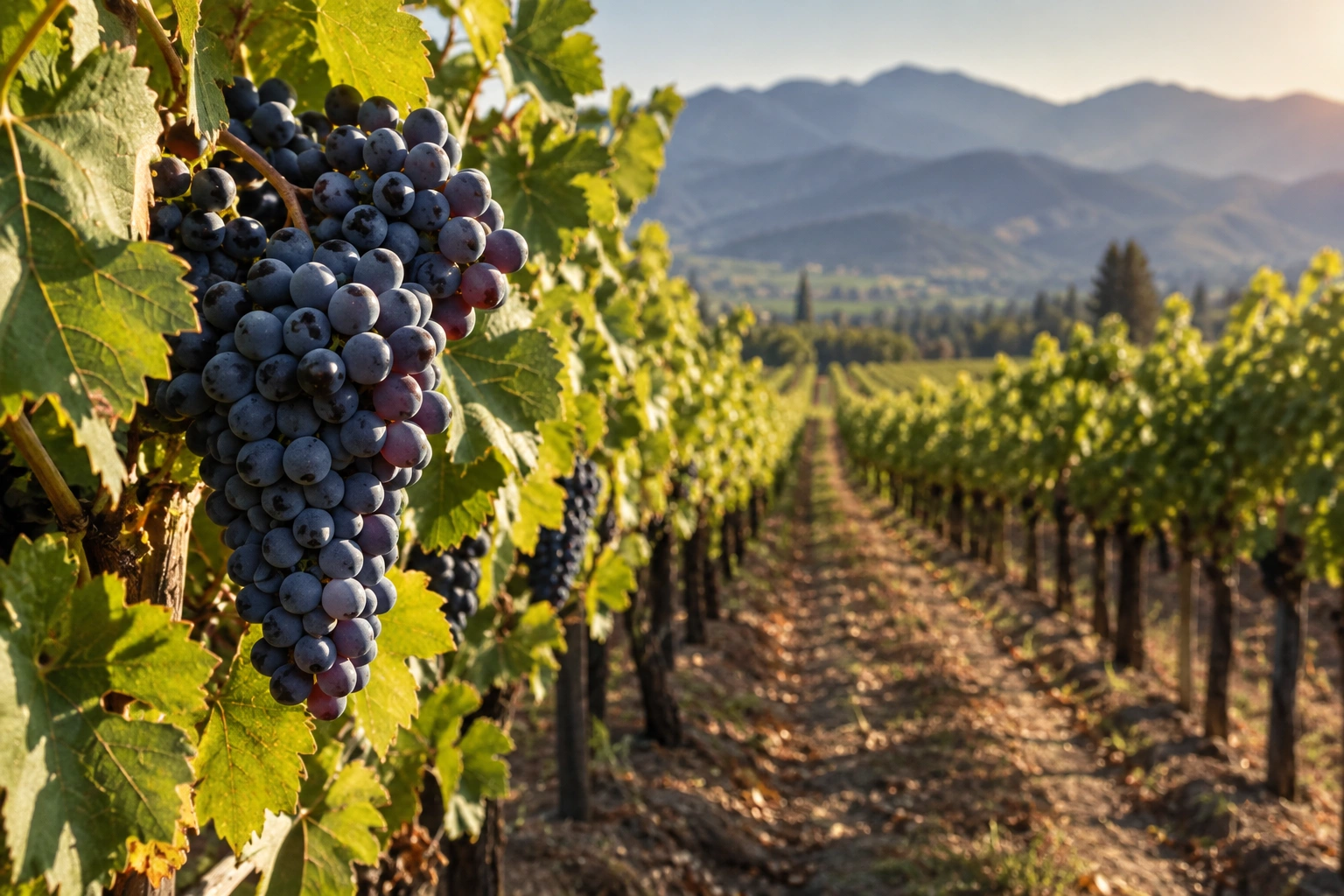
By ten in the morning, your hands are sticky to the wrist. The crates are heavy and wasps have found the Rkatsiteli before you did. Somewhere behind the vines, a tractor is idling beside a cellar door. Nobody has said the word “tour” all day, and that is exactly the point.
This is Rtveli (pronounced rt-VEH-lee), Georgia’s grape harvest. It isn’t a festival with a ticket booth. It’s several weeks of family work that ends every evening at a long table, and in Kakheti, the country’s main wine region, visitors can join in. You can do it on your own, through a winery, or on our 2-day Kakheti wine tour from Tbilisi, with a night in Kvareli so you aren’t racing the sunset back to the capital.
Here’s when it happens, what you’ll actually do, and how to turn up at the right vineyard on the right day.
Rtveli at a glance
- What: the grape harvest and pressing, followed by a supra (feast).
- When: late August to early October in Kakheti, and into November further west.
- Where it’s easiest to join: Kakheti, especially around Telavi, Kvareli and Gurjaani.
- Book: 2–4 weeks ahead for September weekends.
- Wear: closed shoes and clothes you don’t mind staining purple.
What Rtveli actually is
The word just means “harvest”. The meaning runs deeper than the dictionary suggests. For families with a vineyard behind the house (and in Kakheti that is a lot of families), Rtveli is the busiest and most sociable part of the year. Cousins come back from Tbilisi, neighbours lend a hand, and the work runs from dawn picking to evening pressing.
The grapes are crushed in a satsnakheli, a long wooden trough where the pressing is traditionally done by foot. Feet are gentler than machines: they break the skins without cracking the pips and stems, which would make the wine bitter. The juice, skins and often the stems then go into qvevri, egg-shaped clay vessels buried up to their necks in the cellar floor. There the wine ferments and ages for months. UNESCO added this method to its intangible heritage list in 2013, although to the people doing it, it is simply how wine is made.
Nothing is wasted. Some of the fresh juice is boiled down with flour into tatara, a thick grape pudding. Strings of walnuts are dipped into it again and again to make churchkhela, the knobbly candles you’ll see hanging at every roadside stall in Kakheti. The pressed skins go into the still and come out months later as chacha, a grape brandy that is far stronger than it tastes.
Then there is the supra. Once the last crate is in, the table comes out: fresh shoti bread from the clay oven, cheese, herbs, grilled pork mtsvadi over vine cuttings, and wine from last year’s qvevri. A tamada, the toastmaster, leads the evening one toast at a time. If you’ve read about Georgian hospitality and wondered whether it’s exaggerated, this is where you find out it isn’t.
When does Rtveli happen?
There’s no fixed date. Each family and winery picks when the sugar levels are right, and that shifts with the weather, altitude and grape variety. In recent years the Kakheti harvest has started anywhere from mid-August to early September. Harvests in the cooler hills and the humid west come weeks later.
| Region | Typical harvest window | Grapes you’ll be picking | Why go |
|---|---|---|---|
| Kakheti | Late August – early October | Rkatsiteli, Saperavi, Mtsvane, Kisi | The most wineries open to visitors, and easy access from Tbilisi |
| Kartli | September – October | Chinuri, Goruli Mtsvane, Tavkveri | Sparkling and lighter wines, less than an hour from Tbilisi |
| Imereti | Late September – October | Tsolikouri, Tsitska, Krakhuna | Wine made in churi (the western name for qvevri), with fewer skins |
| Racha-Lechkhumi | October – early November | Aleksandrouli, Mujuretuli, Tsulukidzis Tetra | Naturally semi-sweet Khvanchkara country, a mountain-valley harvest |
| Guria & Adjara | October – November | Chkhaveri | The last harvest of the year, with rosy wine near the Black Sea coast |
If you only have one window, aim for the second half of September in Kakheti. Most families are picking by then, the weather is warm but not scorching, and the wineries have their harvest programmes running. Arriving in October? Head to the later regions, or join a Kakheti winery for the pressing and cellar work. That stage carries on well after the vines are bare. Our Georgian wine varieties guide explains what each grape tastes like once it’s in the glass.
What a harvest day looks like
Every vineyard runs its own way, but most days follow the same rhythm.
Early morning. Picking starts while the grapes are still cool, often not long after sunrise. You get secateurs and a crate, and you’re shown which bunches to leave, usually the unripe or rotten ones. It’s easy work to learn and surprisingly hard to stop doing. The hills around the Alazani Valley turn gold, and the Caucasus stands on the horizon like a painted backdrop someone forgot to take down.
Late morning. The full crates go by tractor or truck to the marani, the wine cellar. The grapes are sorted and crushed, either by foot in the satsnakheli or through a small destemmer. If treading grapes has always been on your list, say so when you book. Not every cellar still does it.
Midday. The must goes into the qvevri, where it will sit for the winter. This is also when churchkhela might be made, with walnut strings dipped into warm tatara and hung up to dry like wax candles.
Afternoon into evening. The supra. Plan to lose the rest of the day to it. Toasts come in a set order (to peace, to the ancestors, to the guests, to the vine), and each one is a reason to refill. Nobody expects you to drain every glass, and knowing that will be the most useful thing you take home.
How to join Rtveli: three ways in
Nobody sells tickets to a family harvest, so how you join shapes the whole experience. Here are the three realistic options, from the most spontaneous to the most organised.
- Stay with a winemaking family. Book a guesthouse in a village near Telavi or Kvareli that makes its own wine, then ask the hosts whether they’re picking during your stay. This is the most genuine version and the least predictable one. The harvest date moves with the weather, so give yourself a few flexible days. Our Telavi travel guide covers where to base yourself.
- Book a winery’s harvest programme. Many Kakheti wineries offer set harvest days in September and early October: a short picking session, pressing, a cellar visit and lunch. You’ll know exactly what you’re getting, but you’ll share it with other visitors. Book ahead. The popular weekend dates go early.
- Go with a local guide. A private tour takes care of the part independent travellers find hardest: knowing which families and small cellars are picking on which day. It also means someone else drives after the supra. That last point matters more than it sounds.
On our 2-day Kakheti wine tour the route takes in Tsinandali, the Kvareli wine cave and family wineries, with a night in the valley. In September and October we’ll try to add a picking session wherever a family is harvesting that day. Just mention it when you enquire. Only have one day? The organic wine tour in Kakheti visits three small qvevri producers. In autumn you’ll often find them in the middle of their own harvest.
Harvest-season events in 2026
You don’t need a festival to experience Rtveli. Still, a few events are worth planning around, especially if your dates are fixed.
- Gurjaani Wine Festival (scheduled for Saturday 10 October 2026). Kakheti’s biggest harvest-season gathering, with tastings from more than a hundred producers, food stalls and live music. Confirm the date locally before you travel, because Georgian event schedules can move.
- Tbilisoba (usually the first weekend of October). Tbilisi’s city festival fills the Old Town with regional food, wine and churchkhela stalls. It’s a good taste of the harvest if you can’t get out to the vineyards.
- Late harvests in Racha and the west (October–November). For a quieter, higher-altitude Rtveli, the Khvanchkara vineyards in Racha pick weeks after Kakheti has finished.
Before you go: practical tips
A few things make the difference between a great harvest day and a slightly chaotic one.
- Don’t turn up unannounced. Harvest is the most pressured time of the winemaking year. Always arrange your visit ahead, even with small family cellars.
- Stay the night. Harvest days start early and the supra ends late. Sleeping in Telavi, Kvareli or Sighnaghi beats a three-hour drive back to Tbilisi with a head full of Saperavi.
- Dress for purple. Grape juice stains everything. Wear closed shoes (the rows get muddy after rain), long sleeves against the wasps, and nothing white.
- Pace yourself at the table. Georgian toasts are long, frequent and sincere. A small sip per toast is perfectly polite, and filling up on bread and cheese early is a well-known local strategy.
- Ask before you photograph. Families are generous about visitors, but the cellar and the table are private spaces. A quick gesture toward your camera goes a long way.
- Bring cash. Small wineries and roadside stalls selling churchkhela, honey and homemade chacha often don’t take cards.
If you’d rather have someone else handle the dates, the driving and the introductions, our wine tours in Georgia cover one-day and two-day options from Tbilisi. For the wider picture of the region, from monasteries to where to eat, see our Kakheti travel guide.
Join the harvest with Highlander Travel Private 2-day Kakheti wine tour from Tbilisi: vineyards, qvevri cellars, a family supra and a night in Kvareli. See the tour · Plan my trip
Frequently asked questions about Rtveli
When is Rtveli in 2026?
In Kakheti, the main harvest runs from late August to early October, with the busiest picking in September. Imereti and Kartli harvest through October, and Racha, Guria and Adjara continue into November. There’s no single national date, because each vineyard picks when its grapes are ready.
Can tourists take part in the grape harvest?
Yes. You can pick and press grapes by staying with a winemaking family, booking a winery’s harvest programme, or joining a guided wine tour from Tbilisi. Arrange it in advance, since harvest is a working time and cellars can’t host unexpected guests.
Is Rtveli a festival?
Not in the usual sense. Rtveli is the harvest season itself, spread across many families and wineries over several weeks. Events such as the Gurjaani Wine Festival and Tbilisoba happen during it, but the heart of Rtveli is the work in the vineyard and the supra afterwards.
Can I do a Rtveli day trip from Tbilisi?
You can. Kakheti is about two hours’ drive away. But harvest days start early and the feast runs late, so a night in Telavi, Kvareli or Sighnaghi makes the experience far more relaxed.
What should I wear to a grape harvest in Georgia?
Closed shoes, long sleeves and old clothes in dark colours. Bring a hat and sunscreen for September. In October, add a light jacket, since mornings in the vineyards can be cool.
What is the difference between Rtveli and the New Wine Festival?
Rtveli is the autumn harvest, when the wine goes into the qvevri. The New Wine Festival in Tbilisi takes place in spring, usually in May, when that same wine is opened and tasted for the first time. If you catch both, you’ll have seen a full Georgian wine year.