Nekresi Monastery at a glance
| Detail | Information |
|---|---|
| Location | Kvareli Municipality, Kakheti |
| Distance from Tbilisi | Approximately 130–150 km, depending on the route |
| Driving time from Tbilisi | About 2–2.5 hours without long stops |
| Elevation | Approximately 480 m |
| Monastery foundation | 6th century |
| Time needed | Approximately 1.5–2 hours, including access from the lower parking area |
| Admission | The monastery is normally free; the local shuttle may charge a small fee |
| Best combined with | Gremi, Kvareli, Telavi and Alaverdi |
Saint Abibos Nekreseli and the sacred flame
Nekresi’s monastic history is linked to Saint Abibos Nekreseli, one of the Thirteen Assyrian Fathers credited by Georgian tradition with strengthening monastic life in the 6th century. Abibos came to Georgia with Saint Ioane of Zedazeni and later worked in eastern Georgia, while other members of the group established communities at places such as David Gareja and Alaverdi. At the time, much of eastern Georgia was under Sasanian Persian influence, and Zoroastrianism was promoted alongside existing local beliefs. Georgian hagiographical tradition presents Abibos as a determined Christian missionary who preached in the valleys and mountain communities east of the Aragvi. According to his medieval life, Abibos extinguished a sacred Zoroastrian fire with water to demonstrate that the flame was a natural element rather than a deity. Persian officials arrested him, and he was eventually executed. The episode belongs to religious tradition rather than contemporary historical reporting, but it became an enduring symbol of Christian resistance to Persian religious pressure. Tradition holds that Abibos was first buried at Samtavisi and that his relics were later moved to Samtavro Monastery in Mtskheta. His feast is observed on 29 November in the church calendar, corresponding to 12 December in the civil calendar currently used in Georgia.The ancient city beneath the forest
The hilltop monastery formed only one part of a much larger settlement. Georgian chronicles associate the foundation of Nekresi with King Parnajom in the late 2nd or early 1st century BC. Archaeological work beginning in 1984 has revealed buildings scattered across the wooded slopes and surrounding plain, although dense vegetation means that the full size of the ancient town remains unknown. Nekresi developed into an important urban and religious centre during Late Antiquity. Excavations have uncovered a large winery, ritual structures and two major early Christian churches. Together, these discoveries show that the area supported substantial communities before the visible hilltop monastery was established.The Nekresi ritual complex
At the foot of Nazvrevi Gora, archaeologists found a large complex dating broadly from the 2nd to the 5th centuries. Its excavator interpreted it as a Zoroastrian fire temple, and it is commonly presented under that name. Other scholars have suggested that its layout may instead point to solar observation or a Manichaean sanctuary, so its precise religious function remains debated.Chabukauri Basilica
Discovered in 1998, the Chabukauri Basilica is one of the largest early Christian churches found in eastern Georgia. It is generally dated to the 4th–5th centuries. The excavator proposed that it may be the church Georgian chronicles attribute to King Trdat, although that identification is not universally accepted.Dolochopi Basilica
The ruined Dolochopi Basilica, discovered in 2012, is a large 5th-century church built over an earlier Christian structure. A sample from the earlier phase produced a radiocarbon date around AD 387, placing it among Georgia’s earliest known Christian sites. The scale of Chabukauri and Dolochopi challenged the older assumption that early churches in eastern Georgia were necessarily small and simple. Their design also reflects contacts with the wider Eastern Christian world.The Nagebebi winery
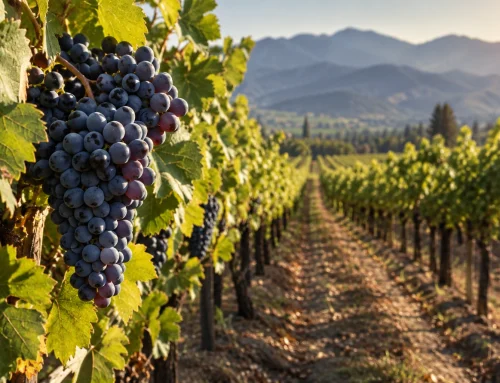
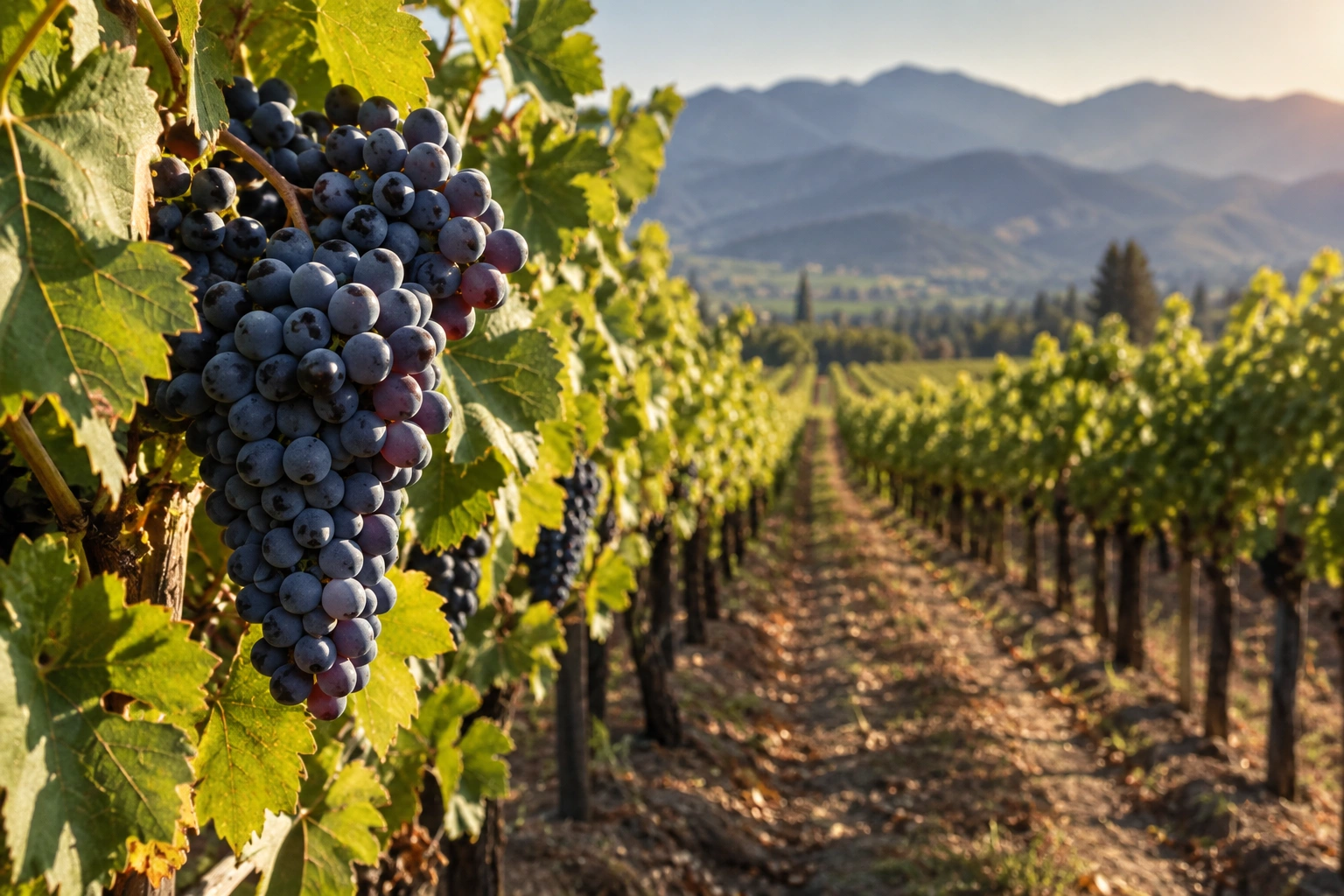
Archaeologists also uncovered a substantial stone winery at the Nagebebi complex. Its winepress and associated facilities show that viticulture formed an important part of Nekresi’s economy—a connection that remains immediately visible in the vineyards of modern Kakheti.Why the small church is no longer dated to the 4th century
For much of the 20th century, the small building inside the monastery was described as a 4th-century church erected over a Zoroastrian shrine. This interpretation, developed by Georgian art historian Giorgi Chubinashvili, made it appear to be one of Georgia’s oldest surviving churches. Archaeological investigations in 2008–2009 found no evidence of occupation on the hill before the 6th century. The structure is now more convincingly identified as a 6th-century mortuary chapel. Some tourism materials still repeat the earlier dating, so visitors may encounter both versions. This correction does not reduce the importance of Nekresi. The nearby Chabukauri and Dolochopi basilicas provide the evidence for early Christianity in the wider settlement, while the visible monastery represents the later development of organised monastic life.The monastery complex
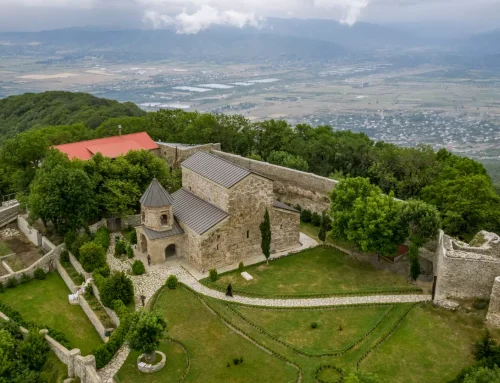
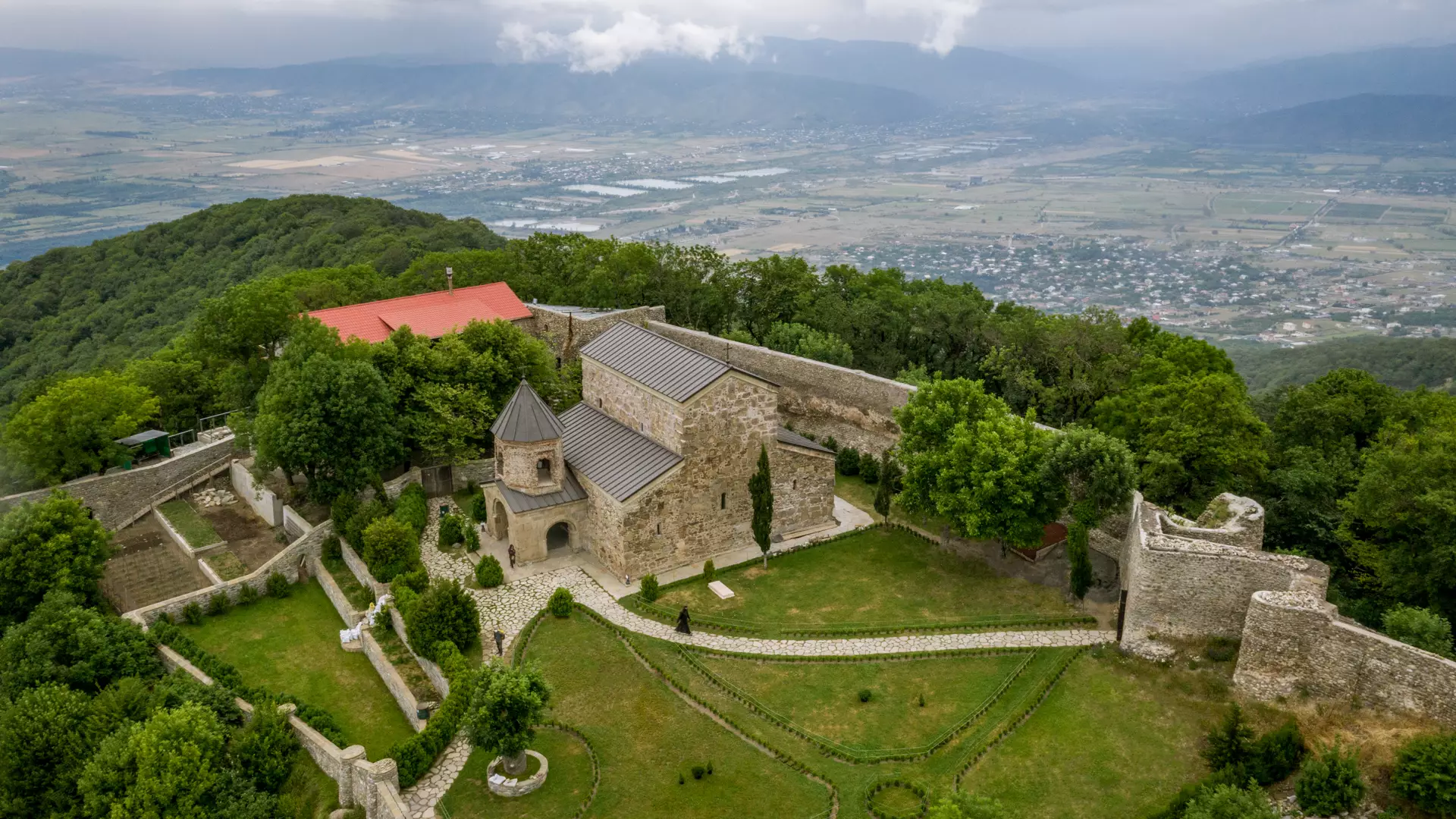
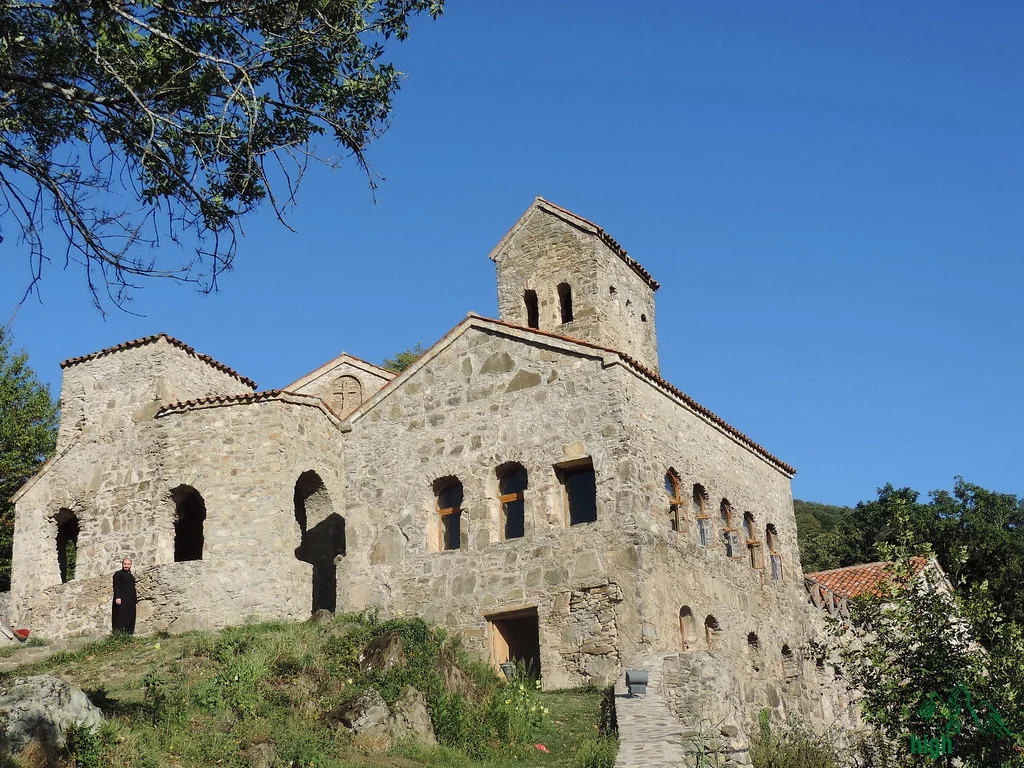
The surviving buildings date from approximately the 6th to the 16th century, with later additions and restorations. Their different plans and construction phases make Nekresi particularly valuable for understanding the development of Georgian ecclesiastical architecture.Mortuary chapel
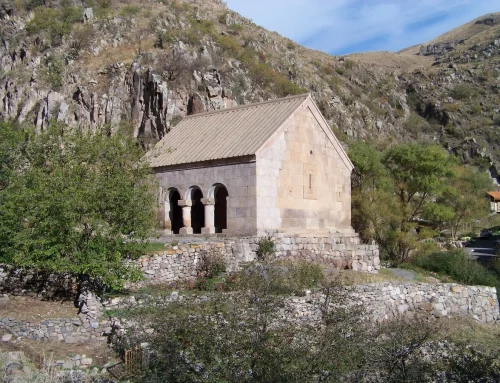
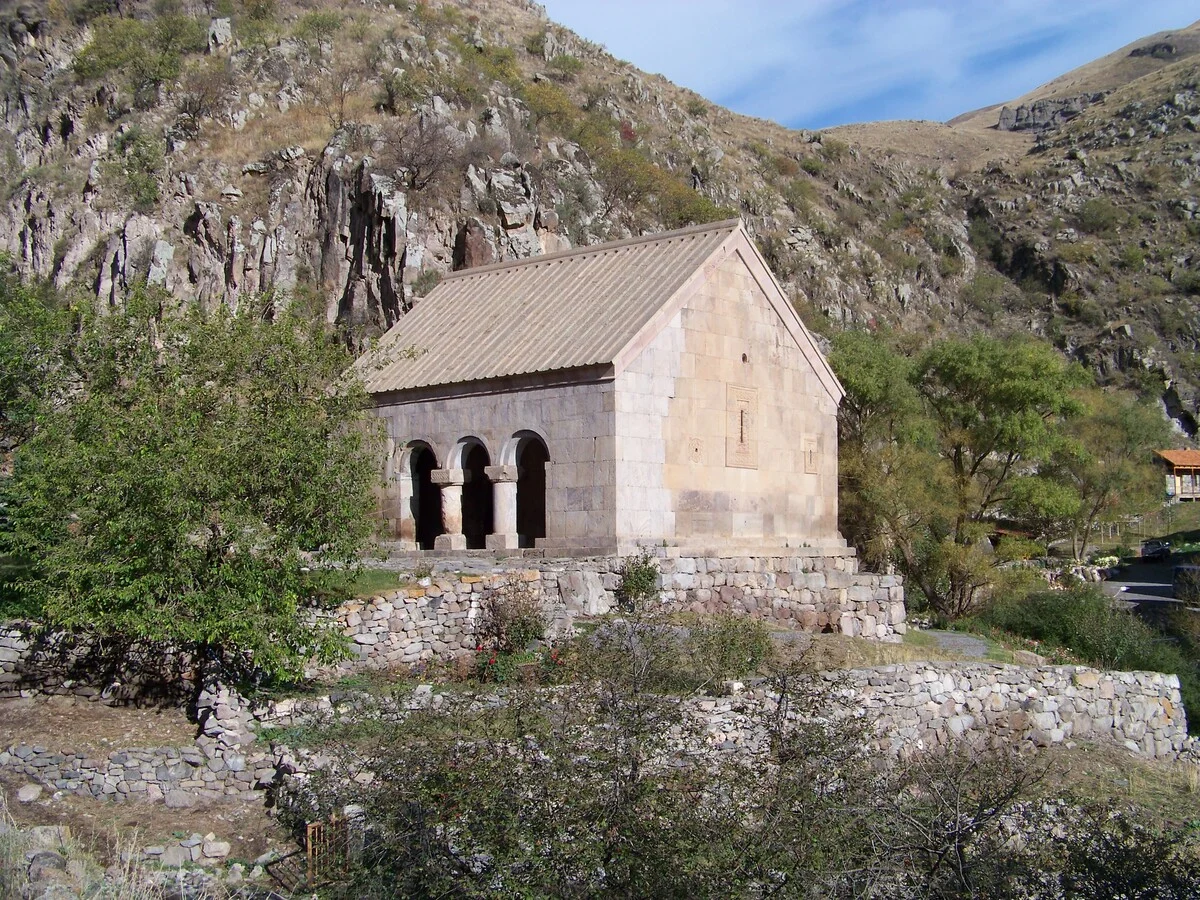
The small 6th-century mortuary chapel is the oldest surviving building in the hilltop monastery. Its compact hall, horseshoe-shaped sanctuary and vaulted crypt indicate that it was used to commemorate and bury members of the monastic community.Church of the Dormition of the Mother of God
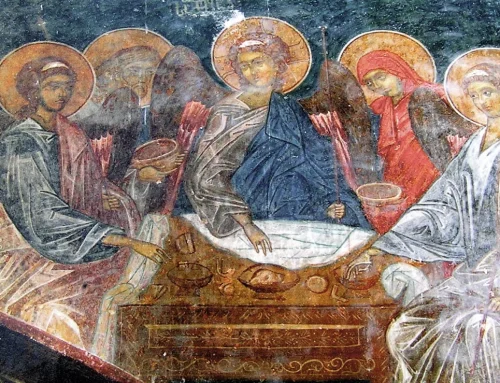
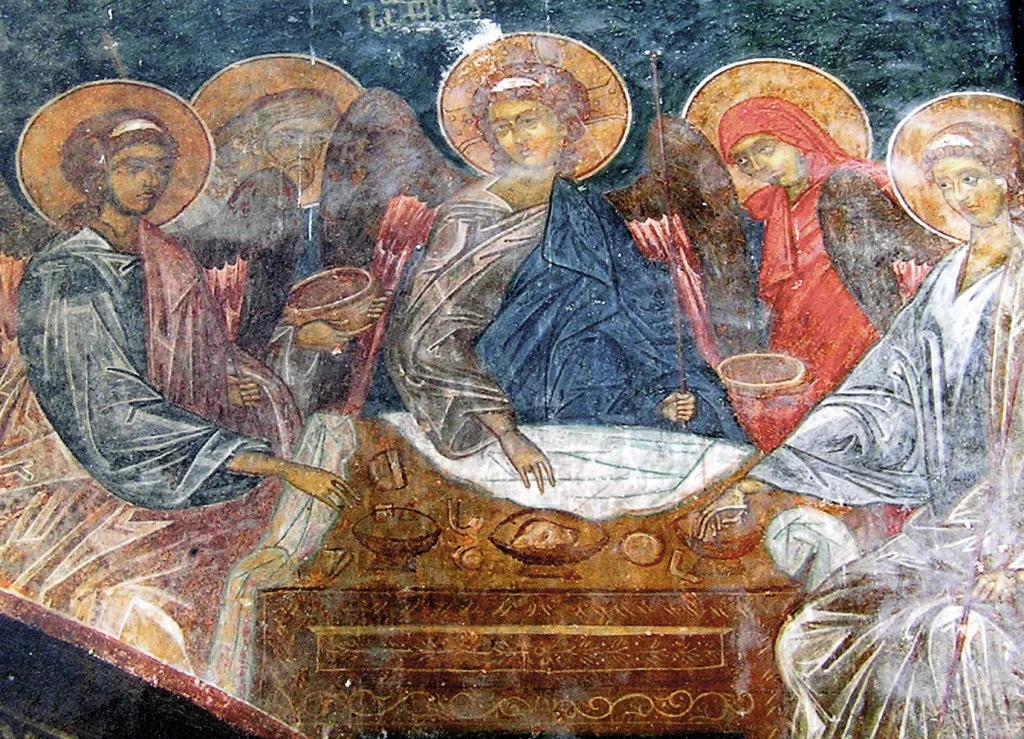
The principal church, dated to the 6th–7th centuries, is a three-church basilica. In this characteristically Georgian form, solid walls divide the central nave from the side aisles, creating three connected but distinct worship spaces. Inside are 16th-century frescoes commissioned during the reign of King Levan of Kakheti. Despite damage and darkening from age and candle smoke, visitors can identify biblical scenes and donor portraits of King Levan, Queen Tinatin and their son Alexander. The western exterior also features a large cross created through the arrangement of the masonry.Church of the Archangel Michael
The 8th–9th-century Church of the Archangel combines elements of a centralised domed church with features associated with the three-church basilica. Its tall interior, side aisles and exterior arcades mark an important transitional stage in Georgian church design.Bishop’s palace and wine cellar
The two-storey bishop’s palace is generally dated to the 9th century. Its lower level contains a wine cellar with a stone winepress and qvevri—large clay vessels buried in the floor—while the upper level provided living and administrative rooms. A 12th-century refectory stands beside the palace.Defensive tower
A four-storey rectangular tower was added in the 16th century, when raids from communities north of the Greater Caucasus made stronger defences necessary. Its arrow slits and elevated position allowed guards to monitor approaches across the valley.The diocese, abandonment and revival
Nekresi served for centuries as the seat of a Georgian bishop bearing the title Nekreseli. The monastery flourished particularly under the Kakhetian kings Levan and Alexander II, who supported its fortification and artistic development. Repeated raids made the exposed hilltop increasingly difficult to defend. In 1785, the bishop transferred his seat to the Church of the Mother of God in nearby Shilda. After the Russian imperial authorities reorganised the Georgian Church in 1811, the Nekresi diocese was abolished and the monastery was dissolved. The Eparchy of Nekresi was re-established in 1995, and monks returned to the monastery in 2000. Archaeological investigation and extensive renovation followed between 2008 and 2010. Nekresi received the status of a cultural monument of national significance in 2006.The Nekresoba pig tradition
Nekresi is associated with an unusual local tradition involving pigs as votive offerings. According to legend, Lezgin raiders once surrounded the monastery while local people sheltered inside. The defenders slaughtered pigs and spread their blood around the enclosure; the Muslim attackers, for whom pigs were ritually unclean, then withdrew. The story is a religious and folk tradition rather than a verifiable account of a specific siege. It is nevertheless used to explain why pigs, rather than the sheep or poultry more commonly associated with Georgian votive customs, are connected with Nekresoba. Nekresoba is observed on 7 January, the date of Orthodox Christmas in Georgia. Visitors should treat the event as a living local religious custom and avoid intrusive photography.Visiting Nekresi Monastery
Location
Nekresi is in Kvareli Municipality near the village of Shilda, approximately 7–8 km from Kvareli. The complex sits at about 480 m above sea level on a wooded slope overlooking the Alazani Valley. From central Tbilisi, the journey is approximately 130 km via the Gombori–Telavi route or around 150 km via the Kakheti highway through Gurjaani. Allow about 2–2.5 hours without sightseeing stops, depending on traffic, weather and the chosen route.Parking, shuttle and walking route
Visitors normally leave private vehicles in the lower parking area. A local minibus provides transport up the steep final section when operating, and a small separate fare may apply. Timetables and prices can change, so confirm the return arrangement before boarding. You can also walk uphill from the parking area. Allow approximately 30–45 minutes for the steep ascent, depending on your pace and conditions. The access road was resurfaced in 2026, but private vehicle restrictions at the upper section may still apply.Opening hours and admission
The monastery grounds are normally accessible during daytime and admission is generally free. Access to individual buildings and shuttle operation can change because of services, restoration, season or local arrangements. Check locally before making a time-sensitive visit.Dress code and behaviour
- Cover shoulders and knees inside the churches.
- Women may be asked to cover their hair.
- Keep voices low, particularly during religious services.
- Ask before photographing monks or worshippers.
- Avoid flash photography near historic frescoes.
- Do not enter closed rooms, climb unstable masonry or ignore site instructions.
What to see at Nekresi
- Alazani Valley panorama: the hilltop position provides extensive views over vineyards and villages towards the Greater Caucasus.
- Mortuary chapel: the monastery’s oldest surviving structure, now dated to the 6th century.
- Church of the Dormition: the principal basilica, with 16th-century frescoes and portraits of Kakhetian royalty.
- Church of the Archangel: an unusual combination of basilica and central-dome architectural forms.
- Bishop’s palace and wine cellar: evidence of the administrative and agricultural life of the monastery.
- Defensive tower: a reminder of the insecurity faced by the community during the late medieval period.
Places to combine with Nekresi
Nekresi lies among the historic sites, vineyards and towns of eastern Kakheti. It fits particularly well into a full-day or two-day cultural itinerary.- Gremi Citadel: the 16th-century royal complex of the Kakhetian kings, west of Nekresi.
- Ilia Chavchavadze House-Museum: the Kvareli home and museum dedicated to the Georgian writer and public figure.
- Ilia Lake: a landscaped lake and recreation area near Kvareli; access to particular facilities can depend on current operating arrangements.
- Kvareli Wine Cave: a former mountain tunnel now used for wine storage, tours and tastings.
- Telavi: Kakheti’s regional centre, with Batonis Tsikhe, a traditional market and convenient access to wineries.
- Alaverdi Cathedral: an important medieval cathedral whose monastic tradition is also associated with the Thirteen Assyrian Fathers.
Frequently asked questions
How old is Nekresi Monastery?
The hilltop monastery was founded in the 6th century and its oldest surviving building is a 6th-century mortuary chapel. Earlier Christian churches have been excavated in the wider ancient settlement of Nekresi.
Is the small church at Nekresi from the 4th century?
It was once dated to the 4th century, but excavations in 2008–2009 found no evidence of occupation on the hill before the 6th century. Archaeologists now identify it as a 6th-century mortuary chapel.
Who was Saint Abibos Nekreseli?
Saint Abibos was one of the Thirteen Assyrian Fathers associated with the spread of monasticism in 6th-century Georgia. Georgian hagiography says he was executed after extinguishing a sacred Zoroastrian fire.
What is the Nekresoba festival?
Nekresoba is a local religious celebration held on 7 January. A legend about pigs helping the monastery survive a siege is used to explain the unusual custom of bringing pigs as votive offerings.
Can I drive directly to Nekresi Monastery?
Visitors normally park below the monastery. A local shuttle serves the steep upper section when operating, or you can walk uphill in approximately 30–45 minutes.
Is Nekresi still an active monastery?
Yes. Monks returned in 2000 after a long interruption, and Nekresi remains an active Georgian Orthodox monastery as well as a cultural monument.
How much time do I need at Nekresi?
Allow approximately 1.5–2 hours, including the shuttle or uphill walk, exploration of the main buildings and time for the Alazani Valley views.
What should I combine with Nekresi?
Nekresi combines well with Gremi Citadel, Kvareli, Ilia Lake, Telavi, Alaverdi Cathedral and wineries in the northern Alazani Valley.