Wine Tours in Georgia: Discover the 8,000-Year-Old Birthplace of Wine
Long before France planted its first vine, long before Italy pressed its first grape, Georgians were already burying clay vessels in the earth to ferment wine. Eight thousand years of unbroken tradition. UNESCO-protected winemaking methods. Over 500 indigenous grape varieties are found nowhere else on earth. Welcome to the cradle of wine.
Introduction: Why Georgia Is the World’s Original Wine Country
When most travelers think of wine tourism, France, Italy, or California come to mind. But Georgia—the small Caucasus nation between Europe and Asia—holds a secret that predates them all by millennia. In 2017, archaeologists at the Gadachrili Gora site in southern Georgia unearthed pottery shards containing traces of grape residue dating to 6000 BC—the earliest known evidence of winemaking anywhere on Earth.
This discovery confirmed what Georgians have always known: their country is the birthplace of wine. And unlike ancient wine cultures that faded away, Georgian winemaking has continued uninterrupted for 8,000 years, using the same methods their Neolithic ancestors developed.
Today, wine isn’t just a beverage in Georgia—it’s a national identity. Wine flows through religious ceremonies, family gatherings, and elaborate feasts called supra. The traditional qvevri clay vessel winemaking method earned UNESCO Intangible Cultural Heritage status in 2013. And the country’s 525+ indigenous grape varieties—more than any other nation—produce wines you literally cannot find anywhere else.
A wine tour in Georgia offers something no other destination can match: the chance to drink history, to participate in traditions older than the pyramids, and to discover flavors that exist nowhere else on the planet.
The Qvevri Method: UNESCO-Protected Winemaking
What Is a Qvevri?
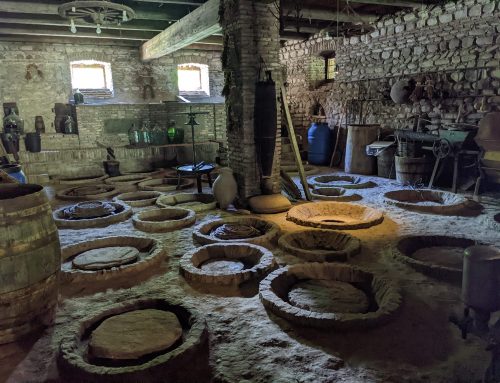
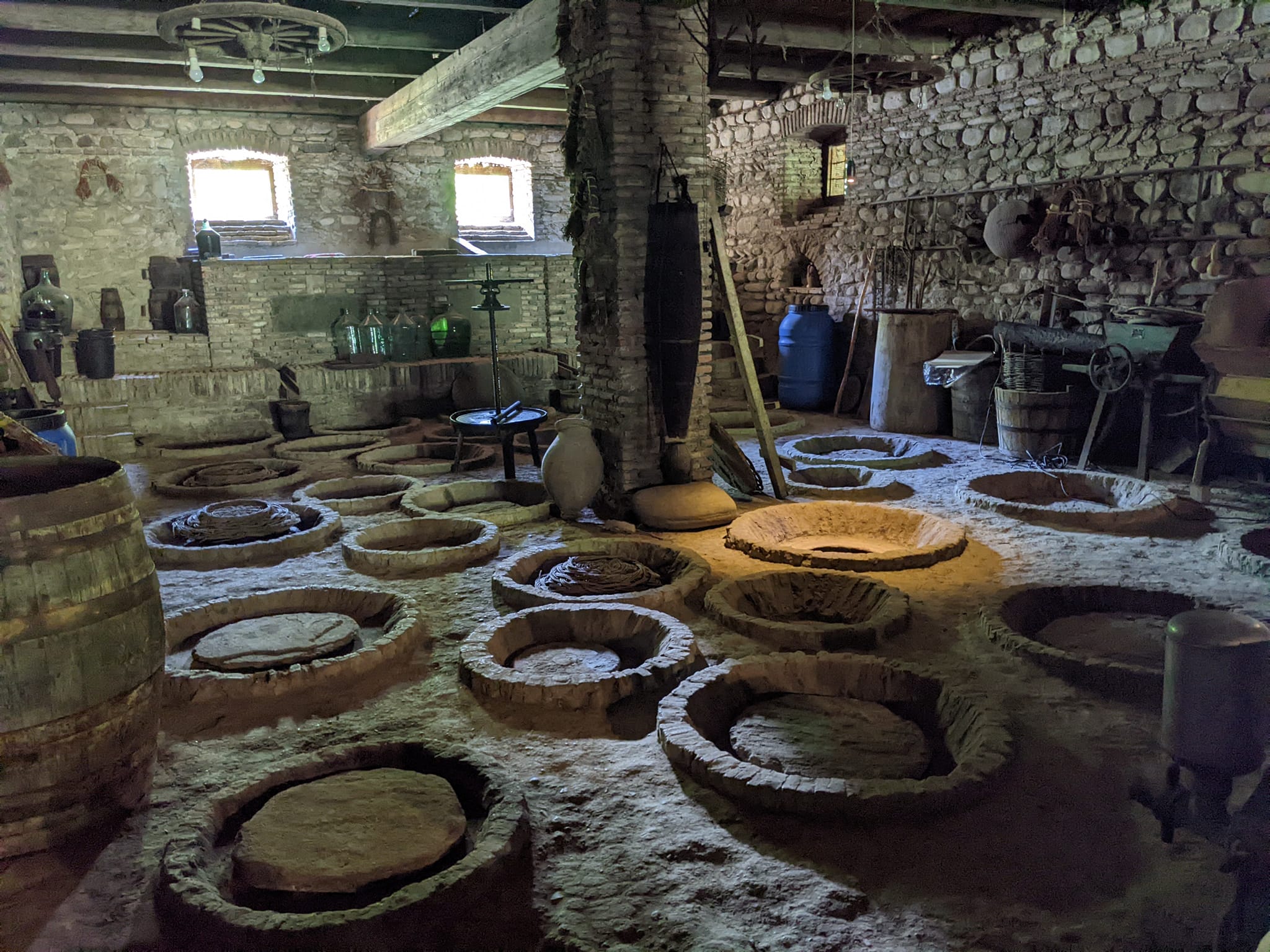
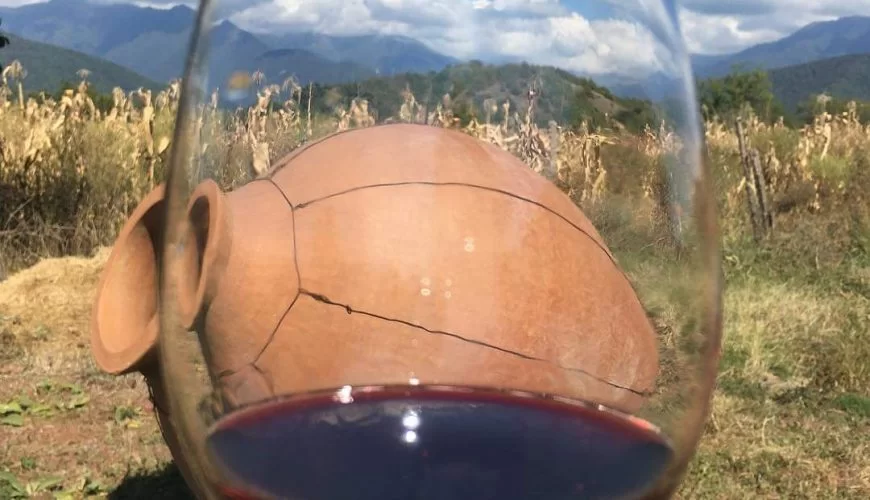
The qvevri (ქვევრი, also spelled kvevri) is a large, egg-shaped clay vessel used for fermenting, aging, and storing wine. Ranging from 100 liters to over 3,500 liters in capacity, these terracotta vessels are buried in the ground up to their rims, with only the opening visible at floor level.
The name itself reveals the method: “qvevri” comes from the Georgian word meaning “buried in the ground.”
In western Georgia (Imereti, Samegrelo), the same vessel is called a churi.
How Qvevri Winemaking Works
The qvevri method differs fundamentally from European winemaking:
- Crushing: Grapes are crushed, traditionally by foot in a wooden trough called a satsnikheli
- Whole-cluster fermentation: The juice, skins, seeds, and often stems (chacha) all go into the qvevri together
- Burial: The filled qvevri is sealed and left buried underground
- Natural fermentation: Wild yeasts on the grape skins trigger fermentation—no commercial yeasts added
- Extended skin contact: Wine ferments with skins for 5-6 months (compared to days or weeks in European methods)
- Temperature stability: The earth maintains a constant 13-14°C, ideal for slow fermentation
- Micro-oxygenation: Clay is porous, allowing the wine to “breathe” through microscopic pores
Why Qvevri Wine Tastes Different
The extended skin contact creates wines with:
- Higher tannins and more complex structure
- Deeper colors—whites become golden amber, reds turn deep ruby
- Unique flavors—dried fruits, honey, spices, and earthy notes
- Natural preservation—the tannins act as natural antioxidants
This method produces Georgia’s famous amber wine (also called orange wine)—white grapes fermented like reds, resulting in a golden-copper colored wine with completely unique characteristics.
UNESCO Recognition
In 2013, UNESCO inscribed the “Ancient Georgian traditional Qvevri wine-making method” on its Representative List of the Intangible Cultural Heritage of Humanity, recognizing that:
“Wine cellars are still considered the holiest place in the family home” and qvevri winemaking “defines the lifestyle of local communities and forms an inseparable part of their cultural identity and inheritance.”
In 2021, qvevri received Protected Geographical Indication (PGI) status—the first non-food item in Georgia to earn this designation. This legally establishes Georgia as the place of origin and protects traditional production methods.
Georgian Wine Regions: A Complete Overview
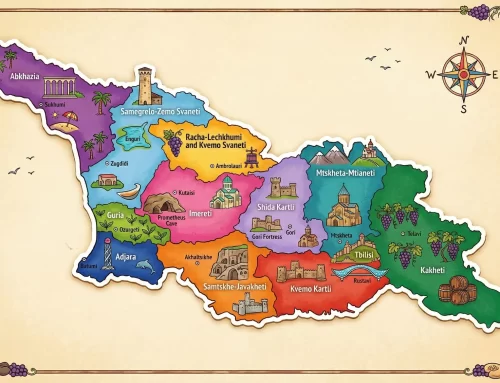
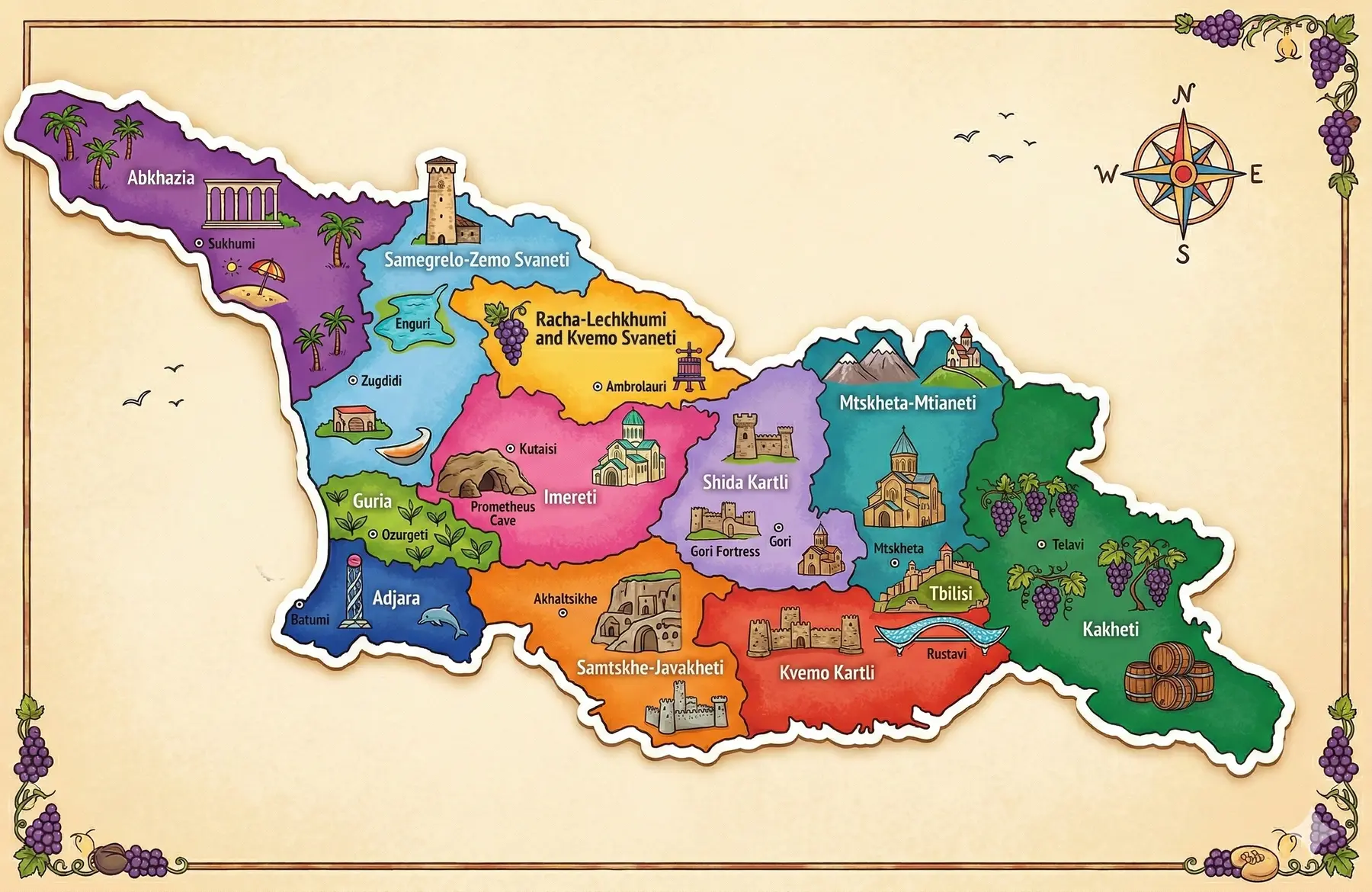
Georgia has five main wine-producing regions, each with distinct climates, grape varieties, and winemaking traditions.
Kakheti: The Heart of Georgian Wine
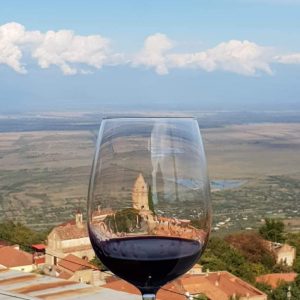
Kakheti produces approximately 70-80% of Georgia’s wine. Located in eastern Georgia along the Alazani River Valley, with the Greater Caucasus Mountains as a dramatic backdrop, this region is synonymous with Georgian winemaking.
Geography: The fertile valley floor sits at 400-700 meters elevation, with mineral-rich alluvial soils perfect for viticulture.
Climate: Continental, with hot summers and cold winters. The mountains provide protection and create ideal growing conditions.
Key Areas:
- Telavi: The regional capital, surrounded by wineries
- Sighnaghi: The “City of Love,” a picturesque hilltop town overlooking the valley
- Kvareli: Home to the Kindzmarauli appellation
- Tsinandali: Historic estate that pioneered European-style Georgian winemaking
Major Grape Varieties:
- Rkatsiteli (white): Georgia’s most planted grape, producing crisp, citrusy wines when made European-style, or complex amber wines in qvevri
- Saperavi (red): The country’s premier red grape—deeply colored, tannic, and age-worthy
- Kakhuri Mtsvane (white): Often blended with Rkatsiteli for added aromatics
- Kisi (white): Increasingly popular, produces excellent qvevri wines
- Khikhvi (white): Ancient variety being revived
Famous Appellations (PDOs):
- Tsinandali: Dry white from Rkatsiteli and Mtsvane
- Mukuzani: Powerful dry red Saperavi aged minimum 3 years in oak
- Kindzmarauli: Naturally semi-sweet red Saperavi (famously Stalin’s favorite)
- Akhasheni: Semi-sweet red Saperavi
- Napareuli: Both dry white and red versions
Wine Tour Highlights:
- Visit Alaverdi Monastery, producing wine since 1011 AD
- Explore Tsinandali Estate, where Prince Alexander Chavchavadze introduced European bottling techniques in the 1830s
- Tour family wineries in Shalauri and Velistsikhe villages
- See traditional qvevri being made in Vardisubani
WE include the best exclusive wineries in our Organic Wine tour in Kakheti.
Kartli: Where Ancient Meets Modern
Kartli (central Georgia) surrounds the capital Tbilisi and includes the Mukhrani Valley and Ateni Gorge. This region bridges traditional and modern Georgian winemaking.
Geography: Varied terrain from valleys to gorges, at 500-800 meters.
Climate: Continental with significant temperature variation between seasons.
Major Grape Varieties:
- Chinuri (white): Light, fresh, often used for sparkling wines
- Goruli Mtsvane (white): Delicate, aromatic
- Tavkveri (red): Light-bodied, often made into rosé
- Shavkapito (red): Revived ancient variety with bright fruit character
Famous Appellation:
- Atenuri: Georgia’s traditional sparkling wine, made from Chinuri grapes using the ancestral method in the Ateni Gorge
Wine Tour Highlights:
- Tour Château Mukhrani, a stunning 19th-century estate with an ultra-modern winery
- Visit Iago’s Wine in Chardakhi village—one of Georgia’s most celebrated natural winemakers
- Explore Ateni Sioni Church (7th century) in the heart of the Atenuri wine zone
- Combine with the Mtskheta UNESCO sites and Uplistsikhe cave city
Imereti: Western Georgia’s Hidden Gem
Imereti, centered around Kutaisi, offers a different winemaking style from eastern Georgia. Here, wines are made with shorter skin contact (typically 1-2 months rather than 5-6), producing lighter, brighter wines.
Geography: The Kolkheti lowlands and surrounding hills, generally lower elevation than Kakheti.
Climate: Subtropical, humid, with milder winters and wetter conditions.
Major Grape Varieties:
- Tsolikouri (white): The region’s signature grape—full-bodied, citrusy
- Tsitska (white): High acidity, excellent for sparkling wines
- Krakhuna (white): Produces rich, honeyed wines
- Otskhanuri Sapere (red): Dark, tannic, considered Imereti’s best red
Famous Appellation:
- Sviri: Dry white from Tsitska, Tsolikouri, and Krakhuna
Wine Tour Highlights:
- Visit artisan family wineries around Baghdati and Tskaltubo
- Combine with Prometheus Cave and Martvili Canyon
- Explore Gelati Monastery (UNESCO World Heritage)
- Experience the more relaxed, family-focused winemaking culture
Racha-Lechkhumi: Home of Georgia’s Rarest Wines
This small, mountainous region in northwestern Georgia produces some of the country’s most expensive and sought-after wines. Production is tiny, vineyards are scarce, and grapes grow on steep slopes along the Rioni River gorge.
Geography: Mountain slopes at 500-800 meters, with challenging terrain limiting vineyard expansion.
Climate: Cooler than other regions, with shorter growing season—ideal for naturally sweet wines.
Major Grape Varieties:
- Aleksandrouli (red): Produces elegant, raspberry-scented wines
- Mujuretuli (red): Almost always blended with Aleksandrouli
- Usakhelouri (red): Possibly Georgia’s rarest grape, producing the most expensive Georgian wine
- Tsulukidzis Tetra (white): Makes delicate semi-sweet wines
Famous Appellations:
- Khvanchkara: Legendary naturally semi-sweet red from Aleksandrouli and Mujuretuli (Stalin’s favorite, alongside Kindzmarauli)
- Tvishi: Semi-sweet white from Tsolikouri
- Usakhelouri: From the grape of the same name—extremely limited production
Wine Tour Highlights:
- Visit the Khvanchkara microzone near Ambrolauri
- Explore Nikortsminda Cathedral (11th century)
- Experience remote mountain hospitality
- Taste wines unavailable outside Georgia
For those who want to learn wester Georgian wines, we have an exclusive special wine tour.
Guria, Samegrelo & Adjara: Black Sea Coast Wines
These western coastal regions have distinct microclimates and unique grape varieties, though production is much smaller than Kakheti.
Samegrelo:
- Ojaleshi grape: Produces spicy, peppery red wines in the Martvili and Senaki districts
- Traditionally trained as maghlari (vines growing up trees)
- Chkhaveri grape: Pink-skinned variety making delicate rosé wines
- Also grown in Adjara
- Humid subtropical climate
- Smaller-scale production, largely for local consumption
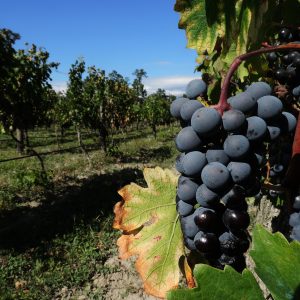
The Georgian Supra: Wine, Feasting & Toasting Traditions
No wine tour in Georgia is complete without experiencing a supra (სუფრა)—the traditional Georgian feast that transforms drinking into an almost sacred act.
What Is a Supra?
A supra is far more than a dinner party. It’s a structured ritual that can last anywhere from a few hours to an entire day, featuring:
- An abundance of food (dishes continuously replenished—an empty table is considered shameful)
- Copious wine (traditionally drunk only during toasts, not casually)
- Elaborate toasts led by a designated toastmaster
- Traditional songs, often polyphonic Georgian folk music
- Deep conversation on themes of life, love, history, and gratitude
The word “supra” literally means “tablecloth” in Georgian, reflecting how the feast can happen anywhere—on tables, on the ground, in homes, or in vineyards.
The Tamada: Georgian Toastmaster
Every supra is led by a tamada (თამადა)—a toastmaster who orchestrates the evening with eloquence, wit, and emotional depth.
The tamada’s responsibilities:
- Proposing toasts on specific themes in a traditional order
- Setting the mood and pace of the gathering
- Ensuring everyone participates and feels included
- Drinking a full glass after each toast (without showing signs of intoxication—a point of honor)
- Weaving stories, philosophy, and humor into each toast
Traditional toast order (varies by occasion):
- To God (or peace)
- To Georgia (the homeland)
- To guests (especially foreign visitors)
- To parents and ancestors
- To children and the next generation
- To specific saints (if religious occasion)
- To friendship
- To love
- Kvelatsminda (to all saints)—the final toast
Participating in a Supra
Etiquette for visitors:
- Don’t drink wine casually—wait for toasts
- Listen respectfully when the tamada speaks
- You may be asked for an alaverdi—an opportunity to expand on the tamada’s toast
- It’s acceptable to drink less than a full glass, despite tradition
- Eating during toasts is fine; talking is not
- Respond to toasts with “Gaumarjos!” (გაუმარჯოს—”to victory/cheers!”)
Many wine tours in Georgia include supra experiences at family wineries, where travelers join locals in authentic celebrations.
Rtveli: The Georgian Harvest Festival
Rtveli (რთველი) is Georgia’s grape harvest festival—a season-long celebration that embodies the nation’s wine culture.
When Is Rtveli?
The harvest timing depends on the region, weather, and grape variety:
- Kakheti: Early September to mid-October (peak season)
- Kartli: Mid-September to mid-October
- Imereti: Mid-September to late October
- Racha-Lechkhumi: Late September to early November
- Black Sea coast: As late as November
The exact dates vary yearly based on weather conditions and grape ripeness.
What Happens During Rtveli?
Rtveli encompasses the entire harvest process:
- Grape picking: Families and friends gather in vineyards to hand-harvest grapes
- Grape crushing: Traditionally done by foot in wooden troughs (satsnikheli)
- Filling qvevri: The crushed grapes, juice, and skins go into clay vessels
- Churchkhela making: A traditional sweet made by dipping walnut strings in thickened grape juice
- Supra celebration: A feast to celebrate the completed harvest
Experiencing Rtveli as a Visitor
Many wineries and tour operators offer Rtveli experiences for travelers:
What to expect:
- Picking grapes alongside local families
- Stomping grapes with your feet (rubber boots provided if preferred)
- Helping fill qvevri
- Participating in cooking traditional dishes
- Enjoying a supra feast with the winemaking family
- Traditional Georgian songs and possibly dancing
Tips for Rtveli visits:
- Book well in advance—harvest tours fill up quickly
- Bring comfortable, old clothes (you will get grape juice on yourself)
- Be prepared for an emotional, memorable experience
- Consider both “simulation” tours (available year-round) and “real” family rtveli experiences (harvest season only)
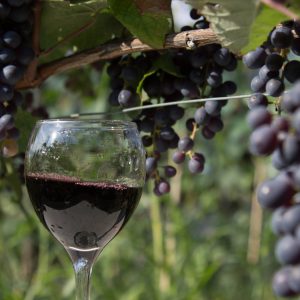
Georgian Grape Varieties: A Quick Guide
Georgia boasts over 525 indigenous grape varieties—more than any other country. Here are the most important ones you’ll encounter:
White Grapes
|
Grape |
Region |
Wine Style |
Tasting Notes |
|
Rkatsiteli |
Kakheti |
Dry or amber |
Citrus, quince, honey (qvevri), green apple (European) |
|
Kakhuri Mtsvane |
Kakheti |
Dry or amber |
Floral, stone fruit, often blended with Rkatsiteli |
|
Kisi |
Kakheti |
Dry or amber |
Apricot, tea, spice—excellent in qvevri |
|
Tsolikouri |
Imereti, Racha |
Dry or semi-sweet |
Citrus, melon, full-bodied |
|
Tsitska |
Imereti |
Dry, sparkling |
High acidity, pear, lemon, lively |
|
Krakhuna |
Imereti |
Dry or amber |
Honey, apricot, banana, ages well |
|
Chinuri |
Kartli |
Dry, sparkling |
Light, fresh, lime, mineral |
Red Grapes
|
Grape |
Region |
Wine Style |
Tasting Notes |
|
Saperavi |
Kakheti, nationwide |
Dry or semi-sweet |
Deep ruby/black, dark fruits, tannins, excellent aging potential |
|
Aleksandrouli |
Semi-sweet, dry |
Raspberry, cherry, elegant, soft |
|
|
Mujuretuli |
Racha |
Semi-sweet (blended) |
Deep color, berries, blended with Aleksandrouli for Khvanchkara |
|
Tavkveri |
Kartli |
Dry, rosé |
Light, fruity, fresh |
|
Shavkapito |
Kartli |
Dry |
Berry, herbs, medium body |
|
Otskhanuri Sapere |
Imereti |
Dry |
Dark, tannic, forest fruits |
|
Ojaleshi |
Samegrelo |
Dry, semi-sweet |
Spicy, peppery, unique |
Best Time for Wine Tours in Georgia
Peak Wine Tourism Season
September-October: The absolute best time for wine tourism. Rtveli harvest celebrations, perfect weather, and peak vineyard beauty. Book accommodations and tours well in advance.
Shoulder Seasons
May-June: Pleasant weather, green vineyards, spring festivals. The qvevri from the previous harvest are opened, allowing you to taste new vintage wines.
November: Late harvests in Racha and western regions. Quieter tourism, excellent for in-depth winery visits.
Winter Visits
December-March: Cooler weather, fewer tourists, lower prices. Wineries still operate and welcome visitors. Good time for cellar tours and tastings without crowds.
Wine Festivals
- Tbilisi Wine Festival: Held annually in Tbilisi (usually in May)
- Gurjaani Wine Festival: Kakheti region celebration
- New Wine Festival: Celebrates the opening of qvevri (typically May)
- Various regional rtveli festivals: Throughout September-October
Types of Wine Tours in Georgia
Day Tours from Tbilisi
Kakheti day tours (most popular):
- Duration: 10-12 hours
- Typically includes: 2-3 wineries, Sighnaghi or Telavi, monastery visit
- Distance: ~1.5-2 hours each way
Kartli day tours:
- Duration: 8-10 hours
- Combines wine with Mtskheta, Gori, or Uplistsikhe
- Closer to Tbilisi (~45 minutes to 1.5 hours)
Multi-Day Wine Tours
- Deeper exploration of multiple appellations
- Overnight in Sighnaghi, Telavi, or winery hotels
- More time for tastings, meals, and cultural experiences
Full Georgia wine circuits (7-10 days):
- Visit all major wine regions
- Kakheti → Kartli → Imereti → Racha
- Comprehensive understanding of regional differences
Specialized Wine Experiences
Rtveli harvest tours: Participate in grape picking and winemaking (September-October)
Qvevri-maker visits: Watch traditional clay vessels being handcrafted
Organic wine tours in Georgia: Focus on organic, biodynamic, and qvevri producers
Wine and hiking combinations: Trek through vineyards and mountains
Cooking and wine pairings: Learn Georgian cuisine alongside tastings
What to Expect on a Georgian Wine Tour
At a Traditional Family Winery
- Personal welcome from the winemaker (often the family patriarch)
- Tour of the marani (wine cellar) with qvevri explanation
- Tasting of 4-8 wines, including both European and traditional styles
- Food pairing with local cheeses, bread, and churchkhela
- Stories and conversation, Georgians love sharing their wine culture
- Possible invitation to stay for a fuller meal (supra elements)
At a Commercial/Estate Winery
- Guided tour of vineyards, production facilities, and cellars
- Structured tasting with professional pouring
- Wine shop for purchases
- Restaurant (at many larger estates)
- More formal experience, but excellent for understanding large-scale production
Tasting Expectations
- Generous pours—Georgians are hospitable
- Chacha (grape brandy) is often offered alongside wines
- Food always accompanies tastings—drinking without eating is unusual
- No spitting—the concept is somewhat foreign; if needed, ask politely
- Discussions encouraged—winemakers want to share knowledge
Practical Information for Wine Tourism
Costs (2025 Estimates)
|
Experience |
Approximate Cost |
|
Glass of wine in a Tbilisi restaurant |
5-15 GEL |
|
Bottle of wine (shop) |
15-100+ GEL |
|
Winery tasting (family winery) |
20-50 GEL |
|
Winery tasting (commercial estate) |
30-80 GEL |
|
Day wine tour from Tbilisi |
80-200 GEL (group), 200-400+ GEL (private) |
|
Rtveli experience |
100-250 GEL |
1 EUR ≈ 2.9 GEL; 1 USD ≈ 2.7 GEL (approximate)
Getting Around
Private tours: Most convenient, door-to-door service, flexible timing
Self-drive: Possible but not recommended if you plan to drink (Georgian police strictly enforce drunk driving laws)
Marshrutka (minibus): Budget option to reach regional centers; taxis to wineries from there
Organized group tours: Cost-effective, social, predetermined itinerary
Wine Shopping & Export
- Buy at wineries for best selection and prices
- Wine shops in Tbilisi: Excellent selection (try 8000 Vintages, Wine Gallery, g.Vino)
- Export limits: Check your home country’s customs regulations
- Shipping: Some wineries can arrange international shipping
Why Choose Georgia for Wine Tourism?
Unique Advantages
- Unmatched history: 8,000 years of continuous winemaking
- UNESCO-protected methods: Experience qvevri winemaking firsthand
- Exclusive grape varieties: 525+ indigenous grapes found nowhere else
- Amber wine: Taste the style that’s now trendy worldwide—at its source
- Affordability: World-class wine experiences at a fraction of European prices
- Hospitality: Georgian warmth and generosity are legendary
- Cultural depth: Wine is inseparable from Georgian identity, religion, and traditions
- Varied landscapes: From the Caucasus Mountains to Black Sea coast
- Complementary attractions: UNESCO sites, ancient churches, stunning nature
Georgia vs. Traditional Wine Destinations
|
Factor |
Georgia |
France/Italy |
|
History |
8,000 years |
2,000-3,000 years |
|
Indigenous grapes |
525+ |
~200 combined |
|
UNESCO winemaking method |
Yes |
No |
|
Average tasting cost |
$10-25 |
$30-100+ |
|
Hospitality culture |
Wine is integrated into daily life |
More commercialized |
|
Crowds |
Growing but manageable |
Often overwhelming |
|
Language barrier |
Moderate (English improving) |
Variable |
Frequently Asked Questions
How many days should I spend on wine tourism in Georgia? Minimum 2 days for Kakheti alone. For a comprehensive wine experience including multiple regions, plan 5-7 days. A 10-day trip allows for in-depth exploration of all major wine areas plus cultural sites.
Is Georgia good for wine beginners? Excellent. Georgian hospitality makes wine approachable, winemakers love explaining their craft, and the food-wine pairing culture means you’re never just drinking without context.
What is an amber wine? Amber wine (also called orange wine) is made from white grapes using red wine techniques—fermenting with skins for extended periods in qvevri. The result is a golden-orange colored wine with more tannin, body, and complexity than typical whites.
Is Saperavi similar to any European wines? Saperavi is unique—a teinturier grape (red flesh, not just red skin), producing deeply colored, tannic wines. Comparisons to Syrah or Malbec are sometimes made, but Saperavi has its own distinctive character.
Can I visit wineries without a tour? Many family wineries welcome drop-in visitors, but calling ahead is courteous. Larger commercial wineries often require reservations. Having a driver/guide helps with navigation and translation.
What food pairs best with Georgian wine? Traditional Georgian cuisine is designed around local wines: khachapuri (cheese bread) with whites, mtsvadi (BBQ) with Saperavi, satsivi (walnut-chicken) with amber wines, and churchkhela (grape-walnut candy) with semi-sweets.
Is Georgian wine available internationally? Increasingly, yes. Look for Saperavi, Rkatsiteli, and amber wines in natural wine shops. But many small-production wines are only available in Georgia—another reason to visit.
Conclusion: Experience Wine at Its Source
Georgia offers something no other wine destination can match: the chance to experience wine as it was first made, using methods unchanged for 8,000 years, with grape varieties that exist nowhere else, in a culture where wine isn’t just a drink but a way of life.
Whether you join a family for rtveli harvest, raise a glass during a tamada’s eloquent toast, or simply sit in a monastery cellar tasting wine made by monks for a millennium, you’ll understand why Georgians say that wine runs through their veins.
This is wine tourism at its most authentic. This is where it all began.
Gaumarjos! 🍷
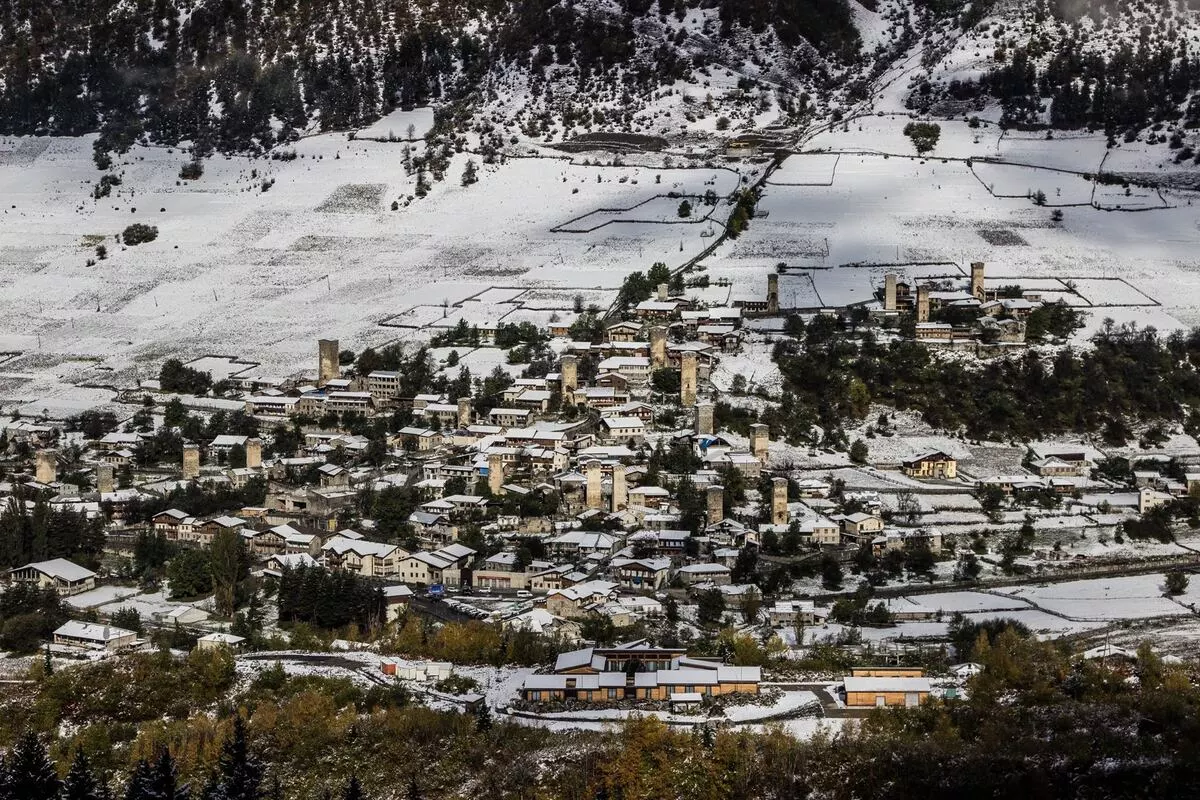 When to travel to Georgia?
 Why private tours in Georgia are better than Group tours?