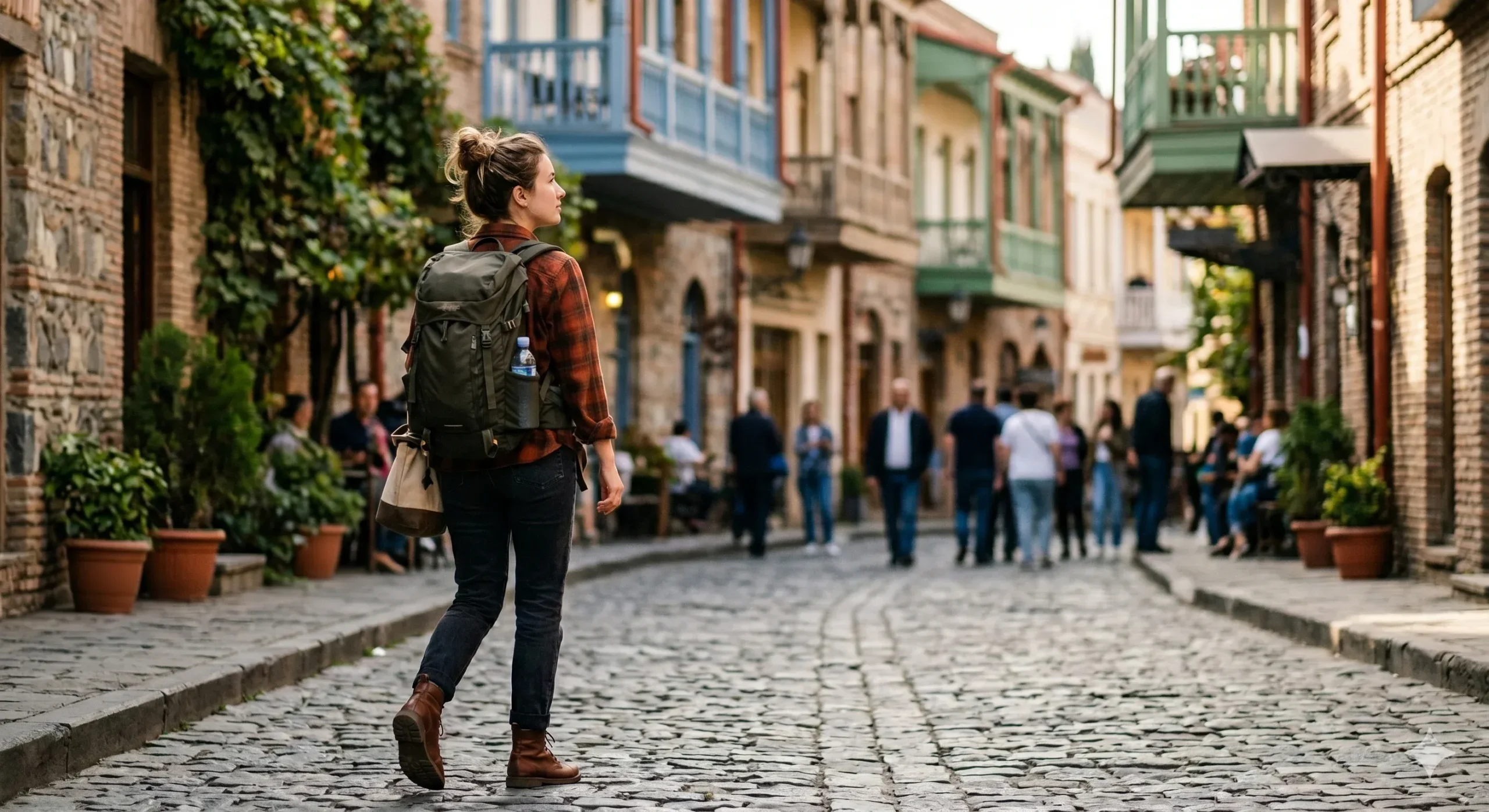
Quick Answer: Yes, Georgia is exceptionally safe for solo female travellers. The country ranks 32nd among the world’s safest cities according to the 2024 Safety Index and currently holds 41st position globally for solo female traveller safety, with a rating of 4.5 out of 5.
Why Georgia Stands Out for Solo Female Travellers
Georgia, nestled between Europe and Asia in the Caucasus region, has rapidly transformed into one of the most welcoming destinations for women travelling alone. Unlike its US namesake, this former Soviet republic combines ancient culture with modern safety standards, creating an environment where solo female travellers consistently report feeling secure and respected.
The country continues to break tourism records, welcoming more than 4.3 million international visitors in 2025, with a 7.9% increase in foreign tourists compared with the previous year. This growth reflects not only Georgia’s attractions but also its reputation for safety and hospitality.
Safety Statistics That Matter
Georgia scores 86 out of 100 in the Gallup Law and Order Index, placing it among the top 35 safest countries worldwide alongside Japan, Germany and Ireland. This is not just theoretical safety—it translates into the everyday experiences of women travelling around the country.
Georgia ranks 20th globally on the International Crime Index, with violent crime rates significantly lower than those in many Western European capitals. The country’s transformation following the 2003 Rose Revolution brought extensive anti-corruption reforms and strengthened the rule of law, creating a safer environment for residents and visitors.
Understanding these safety foundations can help you establish realistic expectations when planning your trip to Georgia.
The Reality on the Ground: What Women Actually Experience
Daytime Safety
Most solo female travellers report feeling comfortable during the daytime. Women in Tbilisi rate public transport safety at 4.1 out of 5, with an overall crime rating of just 2.3 out of 5. The metro, buses and marshrutkas are equipped with security cameras and are frequently patrolled.
Walking through Tbilisi’s cobbled streets, exploring mountain villages or visiting ancient monasteries typically presents minimal safety concerns. Georgian hospitality is deeply rooted in the cultural belief that “a guest is a gift from God.”
If you are wondering what to do in Tbilisi, most major attractions are safe to visit independently during daylight hours.
Night-time Considerations
Evening safety requires greater awareness, although Georgia remains safer than many destinations. Women often report using the metro at night without experiencing unsafe situations. Nevertheless, standard precautions apply: remain in well-lit areas, use registered ride-hailing apps such as Bolt or Yandex Go instead of street taxis, and tell someone about your plans.
Incidents of drink spiking have been reported in Tbilisi bars, although they remain rare. Never leave a drink unattended, watch it being prepared and politely decline drinks offered by strangers in bars.
Mixed Experiences: The Complete Picture
Not every experience is uniformly positive. Some travellers report catcalling and prolonged staring, particularly in busy tourist areas. These experiences vary significantly according to location, season and individual circumstances.
Nevertheless, the overwhelming majority of reports remain positive, with most women saying they felt safe, welcomed and comfortable throughout their time in Georgia.
Regional Safety Breakdown
Tbilisi
Tbilisi ranks 44th among 380 cities worldwide on the 2025 Safety Index. The Old Town, Rustaveli Avenue and most central neighbourhoods are safe to explore. Exercise additional caution around Shardeni Street and the Bridge of Peace during the peak tourist season, where aggressive tour touts have become more common.
Political demonstrations occur periodically in Tbilisi. They are often peaceful but can escalate, so avoid protest areas and maintain a safe distance from police activity.
Batumi and the Black Sea Coast
Batumi maintains a relatively close-knit atmosphere, contributing to a sense of security. Solo female travellers regularly report feeling comfortable while exploring the beaches, renovated boulevard and local restaurants.
For travellers planning a coastal holiday in Adjara, Batumi offers a relaxed seaside atmosphere with generally good safety standards.
Mountain Regions: Kazbegi and Svaneti
Georgia’s mountain regions are remarkably safe, with local communities known for traditional hospitality. However, hiking alone is not recommended. Join an organised trek, hire an experienced guide or connect with other travellers. The wilderness and rapidly changing weather—not crime—present the main safety concerns.
Read our guide to hiking in Georgia for more information about trekking routes and safety considerations.
Areas to Avoid Completely
Do not travel to:
- South Ossetia: A Russian-occupied region near the Russian border
- Abkhazia: Russian-occupied territory on the Black Sea coast
The US Department of State prohibits its employees from visiting these regions because of the risks of crime, civil unrest and landmines. These territories represent approximately 20% of Georgia’s internationally recognised territory but remain under Russian military occupation and outside Georgian government control.
Practical Safety Strategies
Transportation
Safest options:
- Bolt and Yandex Go: Transparent pricing, driver tracking and greater accountability
- Tbilisi Metro: Well-lit, monitored and generally reliable until midnight
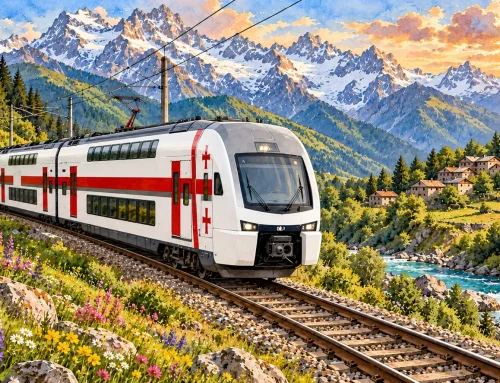
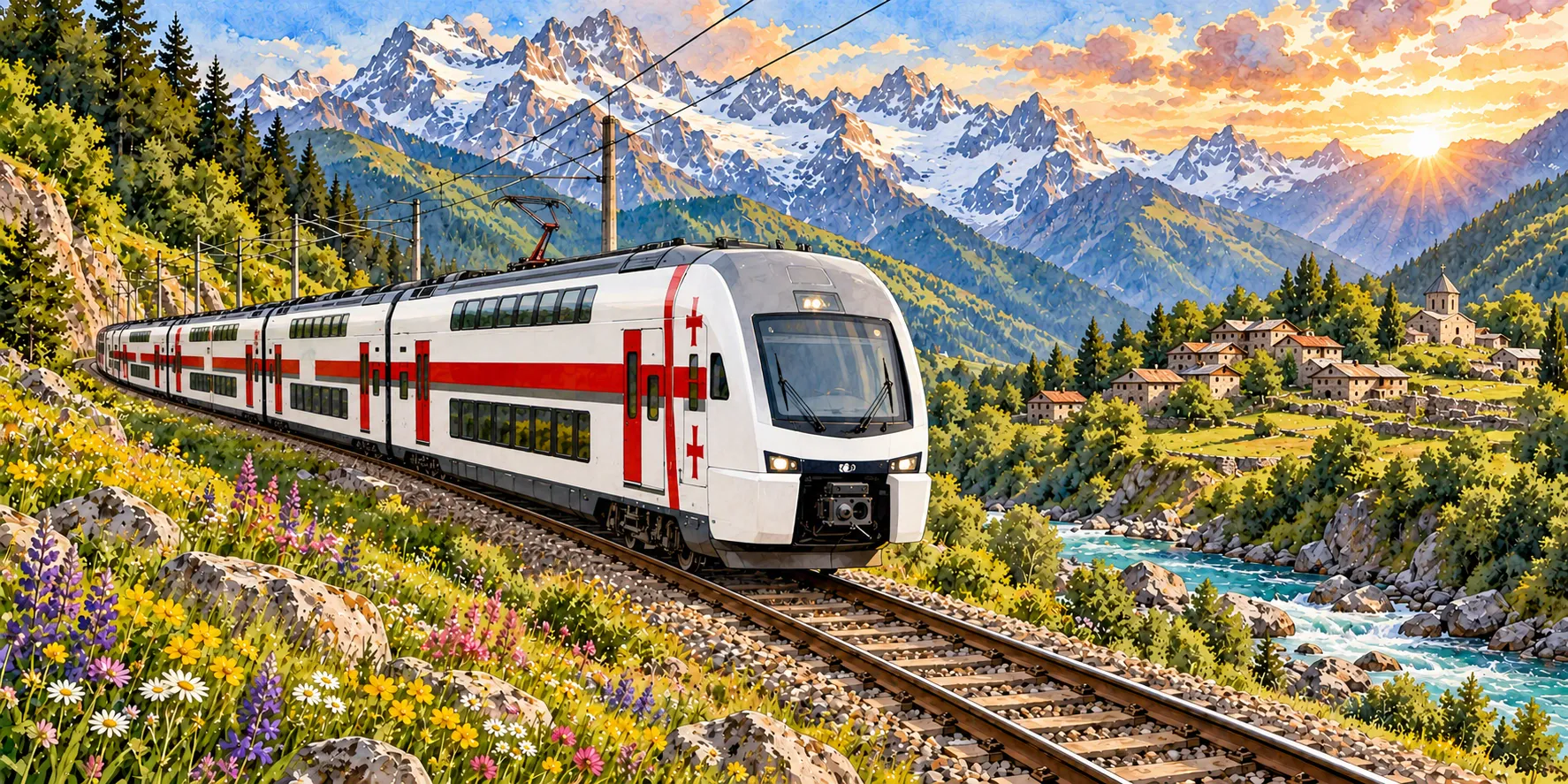
- Georgian Railway: A safe option for intercity travel, including overnight journeys
Avoid:
- Unlicensed street taxis, whose drivers may overcharge foreign visitors
- Hitchhiking alone in rural areas
- Driving yourself unless you are comfortable with Georgia’s assertive driving style
Accommodation
Choose verified properties with recent reviews from other solo female travellers. Hostels such as Fabrika in Tbilisi provide social environments where you can meet other visitors while maintaining reasonable security. Family-run guesthouses in Kakheti, Svaneti and Tusheti provide more direct local support.
Cultural Considerations
Dress modestly when:
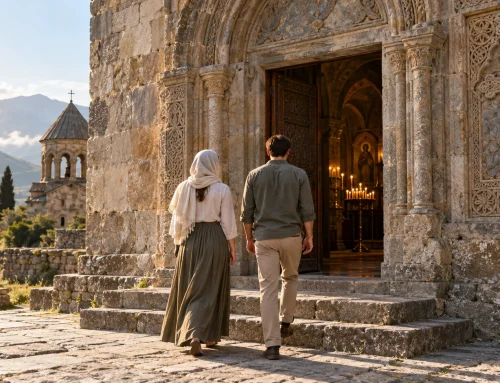
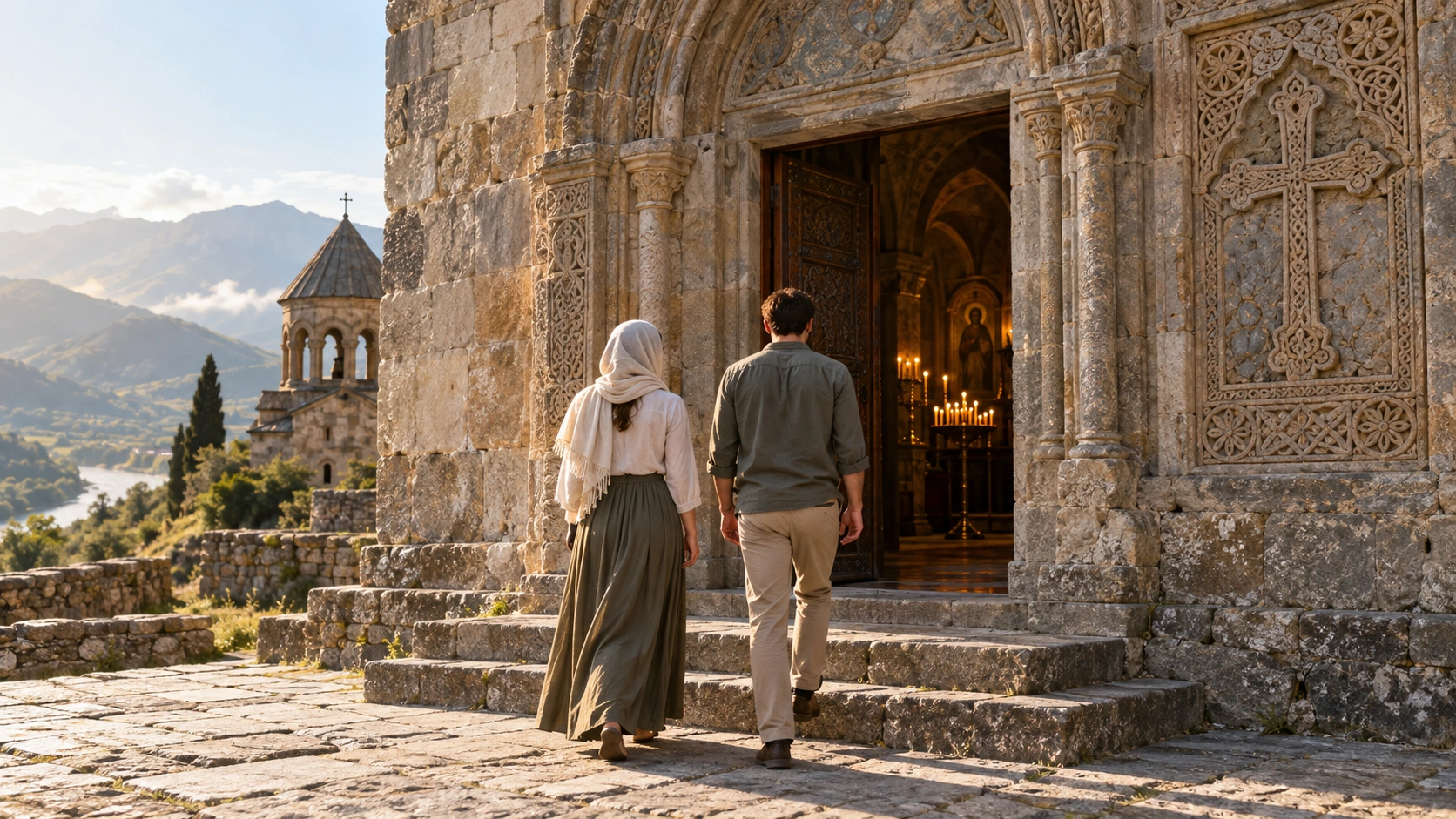
- Visiting Orthodox churches, where shoulders and knees should be covered and headscarves may be provided
- Exploring conservative rural villages
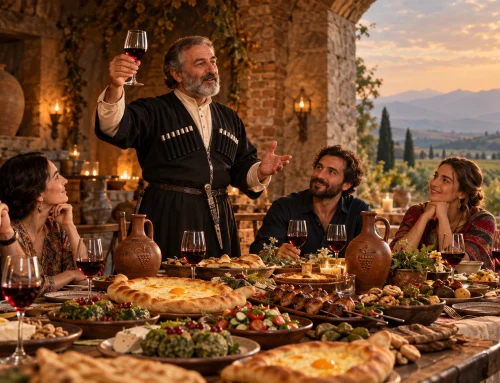
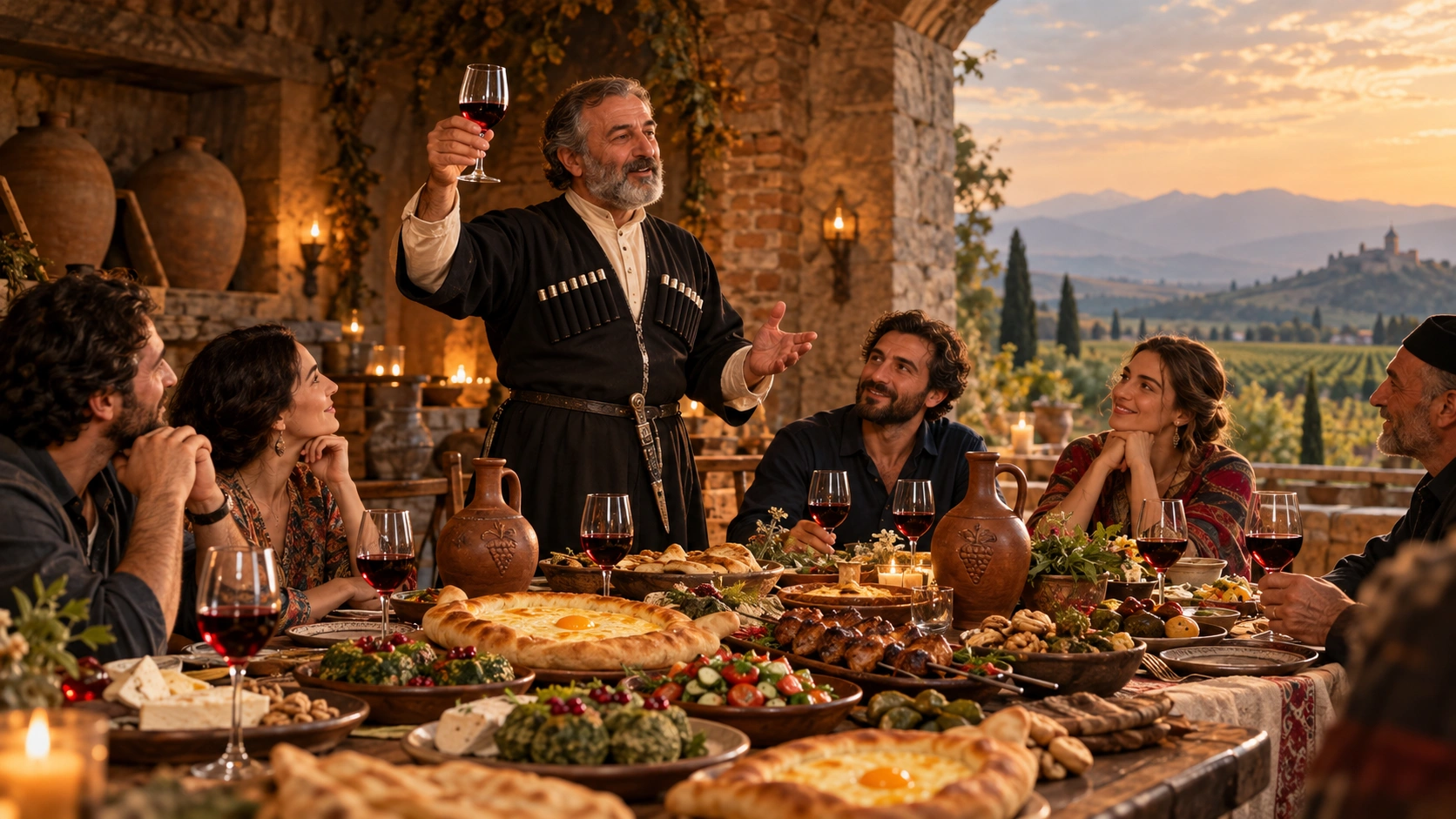
- Attending a traditional supra or feast
Language tips:
- English is less widely spoken outside Tbilisi and major tourist areas
- Russian is widely understood, despite political tensions
- Download an offline translation application
- Learn a few Georgian phrases: “Gamarjoba” means hello, “Madloba” means thank you and “Mishvelet” means help me
Money and Valuables
Use ATMs located inside banks or shopping centres rather than isolated street machines. Petty theft occurs in crowded tourist areas but remains less common than in many major European cities. Use a crossbody bag, avoid displaying expensive jewellery and divide your cash between several secure locations.
Health and Wellness Considerations
Water quality varies by location. Bottled mineral water is widely available and inexpensive if you are uncertain about the local tap water. Avoid tattoos, piercings or dental work unless the provider follows recognised hygiene and sterilisation standards.
Rabies remains a potential risk, and stray dogs are common, although most are not aggressive. Discuss vaccination needs with a qualified travel-health professional before departure.
Connecting With Other Travellers
Travelling solo does not mean remaining isolated. Georgia’s growing tourism infrastructure offers several ways to meet other visitors:
- Walking tours: Group tours in Tbilisi provide social contact and local insight
- Wine tours: Group excursions to Kakheti provide ready-made travel companions
- Hostels: Social spaces designed for interaction between independent travellers
- Online groups: Communities such as “Women Traveling in Georgia” can help travellers exchange advice and make plans
Many solo female travellers arrange hiking partners, share transportation costs and form temporary travel groups through hostel and online connections.
Seasonal Considerations
Summer, from June to August:
- Peak tourist season with larger crowds
- Higher prices and more tour touts in central Tbilisi
- The best season for high-mountain trekking
- Beach season in Batumi
Shoulder seasons, from April to May and September to October:
- Comfortable temperatures and fewer tourists
- Wine-harvest celebrations in Kakheti
- Better accommodation availability and prices
- More opportunities for quieter local experiences
Winter, from November to March:
- Ski season in Gudauri and Bakuriani
- Lower accommodation prices outside the New Year period
- Some mountain roads are closed
- Tbilisi remains accessible
Read our guide to the best time to visit Georgia for a month-by-month breakdown of weather, activities and visitor numbers.
Cost Considerations
Georgia ranks among Europe’s more affordable travel destinations. Daily budgets for solo female travellers typically range from $30–50 for budget travel to $80–120 for mid-range comfort, including:
- Accommodation: $15–40 per night
- Meals: $10–20 per day
- Transportation: $5–15 per day
- Activities: $15–30
This affordability allows solo travellers to choose safer or more comfortable options, such as private rooms and registered taxis, without dramatically increasing their budget.
Emergency Resources
Emergency numbers:
- 112: Universal emergency number for police, ambulance and fire services
- 0 800 800 909: Tourist information hotline
US Embassy in Tbilisi: 29 Georgian-American Friendship Avenue, Didi Dighomi
Useful applications:
- Bolt for ride-hailing
- Yandex Go for ride-hailing
- Maps.me for offline maps
- Google Translate with the Georgian language downloaded for offline use
Download offline maps, keep your accommodation address in Georgian script and store copies of important documents separately from the originals.
What Makes Georgia Different
Georgia combines a distinctive local culture with major improvements in public safety. The government actively promotes tourism through security measures, guide programmes and visitor-focused infrastructure.
Women are frequently welcomed into homes, invited to supra feasts and treated with the respect Georgian culture traditionally extends to guests. This does not eliminate every challenge, but it creates an environment in which solo female travellers regularly report positive experiences.
Real Traveller Insights
One traveller described Tbilisi as calm and welcoming, noting that walking around in the evening felt comfortable. Another described Georgia as safer than most destinations they had visited but advised watching for pickpockets in crowded places.
These experiences reflect the broader picture: Georgia is not entirely free of risk, but it is generally safe compared with many international destinations.
Is Georgia Safe for Solo Female Travellers?
Yes, Georgia is generally safe for solo female travellers who take reasonable precautions. Low levels of violent crime, cultural hospitality, affordable travel costs and varied landscapes make the country well suited to independent travel.
No destination is completely risk-free, but Georgia stands out as a friendly and comparatively safe country for women travelling alone. Most solo visitors return home with positive stories about local warmth, hospitality and memorable experiences.
Prepare carefully, trust your instincts and respect local customs. With sensible planning, travelling alone through Georgia can be both safe and rewarding.
Final Checklist Before You Go
- ✓ Purchase comprehensive travel insurance that includes medical evacuation
- ✓ Register with your embassy’s traveller programme if one is available
- ✓ Download offline maps and translation applications
- ✓ Check the current political situation and avoid demonstrations
- ✓ Pack modest clothing for religious sites
- ✓ Carry prescription medication in its original packaging
- ✓ Learn a few basic Georgian phrases
- ✓ Download registered ride-hailing applications
- ✓ Book your first night’s accommodation in advance
- ✓ Keep emergency contacts available offline