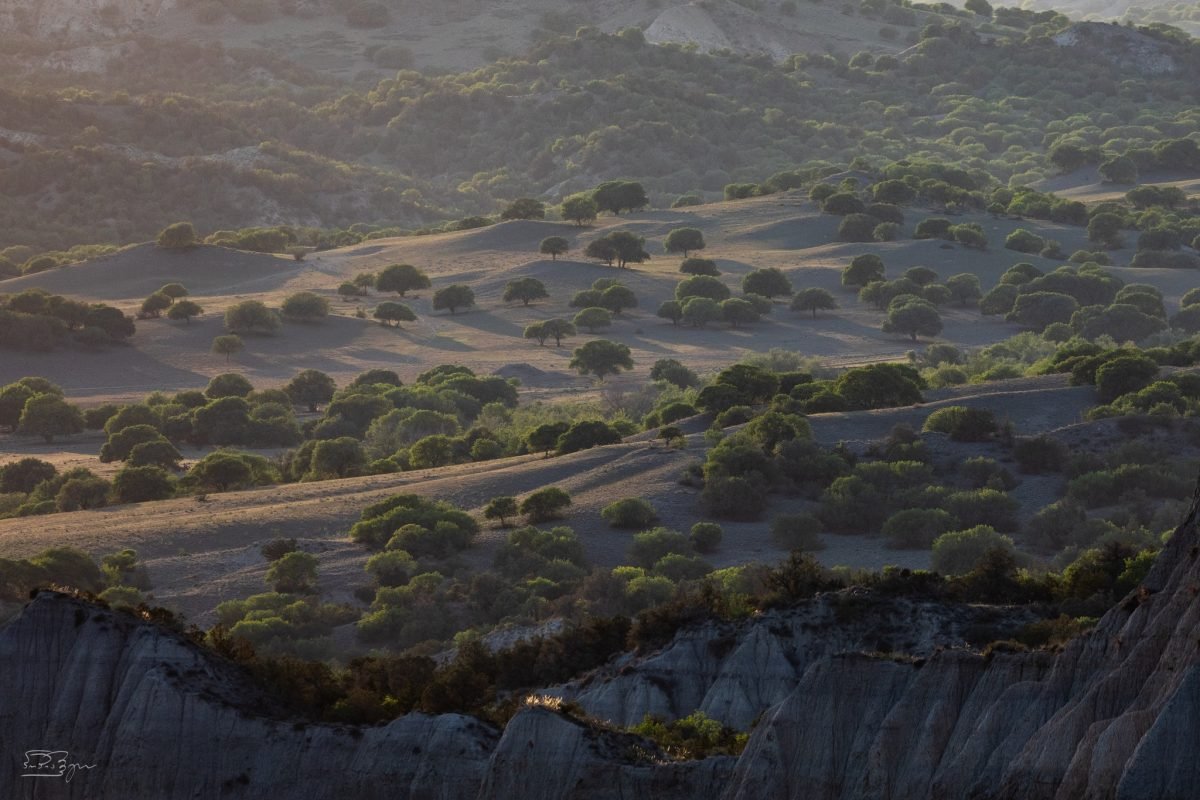
Georgia has alpine meadows, Black Sea beaches, and snow-capped peaks. But drive far enough east, past the vineyards of Kakheti and the hilltop town of Sighnaghi, and everything changes. The green fades. The air dries out. You find yourself in semi-desert badlands that look more like Arizona than the Caucasus.
This is Vashlovani. Leopard country.
The park sits at Georgia’s eastern edge, pressed against the Azerbaijan border. It shelters the only confirmed population of Caucasian leopards in Georgia. There are mud volcanoes here. Prehistoric fossils are embedded in canyon walls. Birdlife that draws serious ornithologists from across Europe.
We run safari-style tours to Vashlovani that pair the wild landscapes with nearby Sighnaghi. It’s one of the strangest day trips you can take from Tbilisi, and most travelers have never heard of it.
Why Vashlovani Looks Like Nowhere Else in Georgia

People come to Georgia for the mountains and monasteries. Vashlovani gives you the opposite: arid steppes, eroded canyons, pistachio woodlands. It feels like Central Asia somehow wandered into the Caucasus.
The park covers nearly 25,000 hectares. That includes the national park, a strict nature reserve, and four natural monuments. You’ll find floodplain forests along the Alazani River on one side and barren clay badlands on the other. Summer temperatures push past 40 degrees Celsius out here.
Georgia’s driest corner. Annual rainfall barely hits 400mm. The place has more in common with Turkmenistan than with the lush valleys an hour west.
The Leopard
In 2003, camera traps caught something nobody expected: a Caucasian leopard moving through the canyons. Conservationists named him Noah. He became the symbol of the park.
The Caucasian leopard once ranged from Turkey to Iran. Hunting and habitat loss nearly wiped them out. Fewer than 1,000 survive now, scattered across remote pockets of the Caucasus and Iranian highlands.
Vashlovani is their last foothold in Georgia. Rangers and conservation teams keep documenting leopard presence through camera traps and tracking surveys. Sightings stay rare. But knowing these big cats move through the same canyons you’re walking adds something to any visit.
You probably won’t see one. But you might find tracks in the dust of a dry riverbed.
What You’ll Actually See
Eagle Gorge
A deep canyon cut through limestone cliffs. Griffon vultures and imperial eagles ride thermals above the rim. Smaller raptors hunt the slopes below. The gorge earned its name from the birds of prey nesting in those walls.
This is Vashlovani’s most photogenic spot.
Takhti-Tepa Mud Volcanoes
Georgia has a few mud volcano sites. Takhti-Tepa is the easiest to reach. Don’t expect fire and lava. Cold mud bubbles up from underground, building miniature cones and craters across a barren moonscape. Locals say the mud has medicinal properties. Mostly, it’s just strange and weirdly hypnotic to watch the Earth burp.
Alazani Floodplains and Bays
The landscape flips completely along the Alazani River. Dense floodplain forests. Wild pomegranate. Grape vines growing untended. Walnut trees nobody planted. Two small bays called Juma and Mijna create wetland pockets where steppe meets river.
Prime territory for birdwatching. Herons, cormorants, ducks on the water. Pheasants crashing through the undergrowth.
Datvis Khevi (Bear Gorge)
The name means Bear Gorge. The real attraction is older than bears. Exposed cliff faces show fossilized mollusk shells from when this land sat beneath an ancient sea. Look carefully and you’ll spot bigger stuff. Fragments from southern elephants that walked here thousands of years back.
Other Wildlife

The park holds more life than you’d expect from such dry ground.
Wolves, jackals, and jungle cats hunt the steppes. Wild boar dig through the floodplain forests. Porcupines are common. Brown bears wander in occasionally from the surrounding mountains.
Birds are the real draw for many visitors. Over 135 species recorded. This is one of Georgia’s best spots for raptors. Imperial eagles, black vultures, griffon vultures. Great bustards show up on the open plains some winters. The floodplain forests along the Alazani host massive swallow colonies that locals call the “town of birds.”
Reptiles too. Twenty-five species, including Greek tortoises and Caucasian agamas. The Levantine viper is venomous, but you’re unlikely to encounter one.
Serious birdwatchers should plan multiple days. Semi-desert, steppe, river, floodplain. Four habitats packed into one park mean exceptional variety.
When to Go
Spring (April to May): The best season. Wildflowers everywhere, including rare orchids and Georgian iris. Temperatures stay comfortable. Migrating birds pass through. Photographers love it.
Early Summer (June): Still pleasant before the real heat hits. Wildlife stays active.
Late Summer (July to August): Hot. Really hot. Past 40°C regularly. Everything goes nocturnal. Only come if you genuinely handle heat well. The scorched landscape has its own stark beauty, but you’ll feel it.
Autumn (September to October): Heat drops off. Good hiking weather. Wildlife picks up activity again. Fewer visitors than in spring.
Winter (November to March): Cold and empty. Some roads become difficult. But solitude is guaranteed, and great bustards sometimes winter on the plains.
Skip peak summer unless you’re prepared. No shade out there. Water sources are scarce.
Getting There
From Tbilisi
Vashlovani sits about 180 kilometers east of Tbilisi, near the town of Dedoplistskaro. Figure 3 hours on paved roads before you hit the rough stuff.
Route: Tbilisi → Sagarejo → Sighnaghi → Dedoplistskaro → Park entrance
Many travelers stop in Sighnaghi along the way. That hilltop town makes a good break, and you can overnight there before or after the park.
You Need a 4×4
This part is not optional. A high-clearance 4×4 is essential for anything inside the park. The roads are unpaved, rocky, and sandy in spots. A regular car won’t make it.
This is why we recommend going with a guide. Our Vashlovani and Sighnaghi tour includes proper vehicles and drivers who actually know the routes.
Registration Required
Everyone entering the park must register at the administration office in Dedoplistskaro first. No exceptions. Rangers need to know who’s out there for safety and conservation tracking.
Office hours: 9:00 to 18:00 daily.
Permits and Fees
You can arrange entry permits at the Dedoplistskaro visitor center or book ahead through the Agency of Protected Areas.
Entry fee: Around 15 GEL per person (check current rates before you go)
Camping permit: Required for overnights, available at the visitor center
Guide requirement: Not mandatory, but strongly recommended. The terrain is confusing and help is far away if something goes wrong.
The park enforces strict rules on routes and camping spots. You can’t just wander wherever you want. The rules protect a fragile ecosystem and keep visitors from getting lost in unmarked badlands.
What to Bring
Vashlovani is remote. No shops inside. No restaurants. No reliable water.
Must have:
- At least 3 liters of water per person per day
- All the food you’ll need
- Sun protection: hat, sunscreen, sunglasses
- Sturdy hiking boots
- First aid kit
- Offline maps or a GPS device
- Fully charged phone (signal is spotty)
- Binoculars for birds and wildlife
For overnight trips:
- Tent and sleeping gear
- Camping stove and fuel
- Extra water storage
- Warm layers (nights get cold even in summer)
For your vehicle:
- 4×4 with proper clearance
- Full fuel tank
- Spare tire and basic tools
- Recovery gear if you’re going deep into the park
This is actual wilderness. Treat it that way.
Things to Do
Safari Drives
The most popular way to see Vashlovani. You cover ground in a 4×4, stopping at viewpoints, canyons, and natural monuments. Our Vashlovani tour hits the highlights in a day. We use a driver-guide who knows where to find the best landscapes and where animals tend to appear.
Birdwatching
Vashlovani ranks among Georgia’s top birding spots. The habitat mix attracts species you won’t find elsewhere in the country. If you’re serious about birds, budget at least two days and bring decent optics.
Target species: Imperial eagle, black vulture, griffon vulture, black francolin, great bustard (winter only), rosy starling (big flocks in season).
Hiking
Several marked trails wind through different sections. The Datvis Khevi trail takes you through fossil-rich badlands. Other routes reach Eagle Gorge overlooks and the mud volcanoes.
Register all hikes with park administration. Trail markers aren’t always reliable, and the terrain punishes mistakes.
Alazani River Rafting
The park offers boat trips on the Alazani starting from Tsiteli Sabatlo village. You float downstream to Mijna Bay with Georgia on one bank and Azerbaijan on the other. The floodplain forests along the way make for good bird spotting from the water. At Mijna Bay, catch-and-release fishing is allowed.
Wild Camping
With advance permits, you can camp in designated areas. A night in Vashlovani, no light pollution, steppe sounds all around, stays with you.
Fires only in designated pits. Pack out everything you bring.
Where to Stay
Inside the Park
Designated camping spots only. Nothing there but flat ground. Bring all your own gear and supplies.
Dedoplistskaro
The nearest town has basic guesthouses and a few small hotels. Most people stay here before or after visiting the park.
We work with Guesthouse Savanna in Dedoplistskaro, run by Teimuraz Popiashvili. Teimuraz is one of the best Vashlovani guides around. All photos used for this article were taken by him. He’s spent years in these canyons tracking wildlife and learning every route. Stay at Savanna, and you get local knowledge over dinner, help with park paperwork, and a guide who actually knows where the animals go.
For multi-day trips, birdwatching expeditions, or photography-focused itineraries, Teimuraz can put together something custom.
Sighnaghi
About 60 kilometers before the park. Better tourist setup here with boutique hotels, proper guesthouses, and good restaurants. Many travelers base themselves in Sighnaghi and visit Vashlovani as a day trip.
Combine Your Trip
Vashlovani sits at the end of the road in eastern Kakheti. Most itineraries pair it with other things in the region.
Vashlovani + Sighnaghi
The classic combo. Walk the fortress walls in Sighnaghi, take in the valley views, then head out to the wild landscapes of Vashlovani. Our Vashlovani and Sighnaghi tour covers both in a full day from Tbilisi.
Vashlovani + Wine Country
Kakheti makes most of Georgia’s wine. Morning in Vashlovani, afternoon tastings at family wineries around Kvareli or Telavi. See our wine tours for options.
Vashlovani + David Gareja
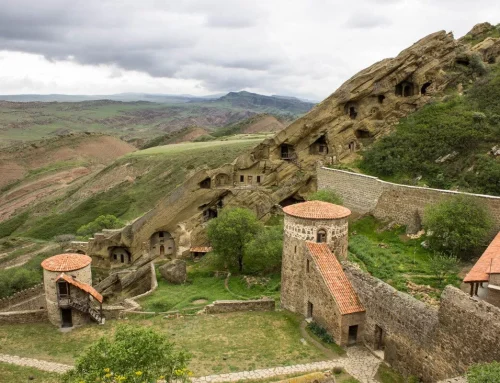
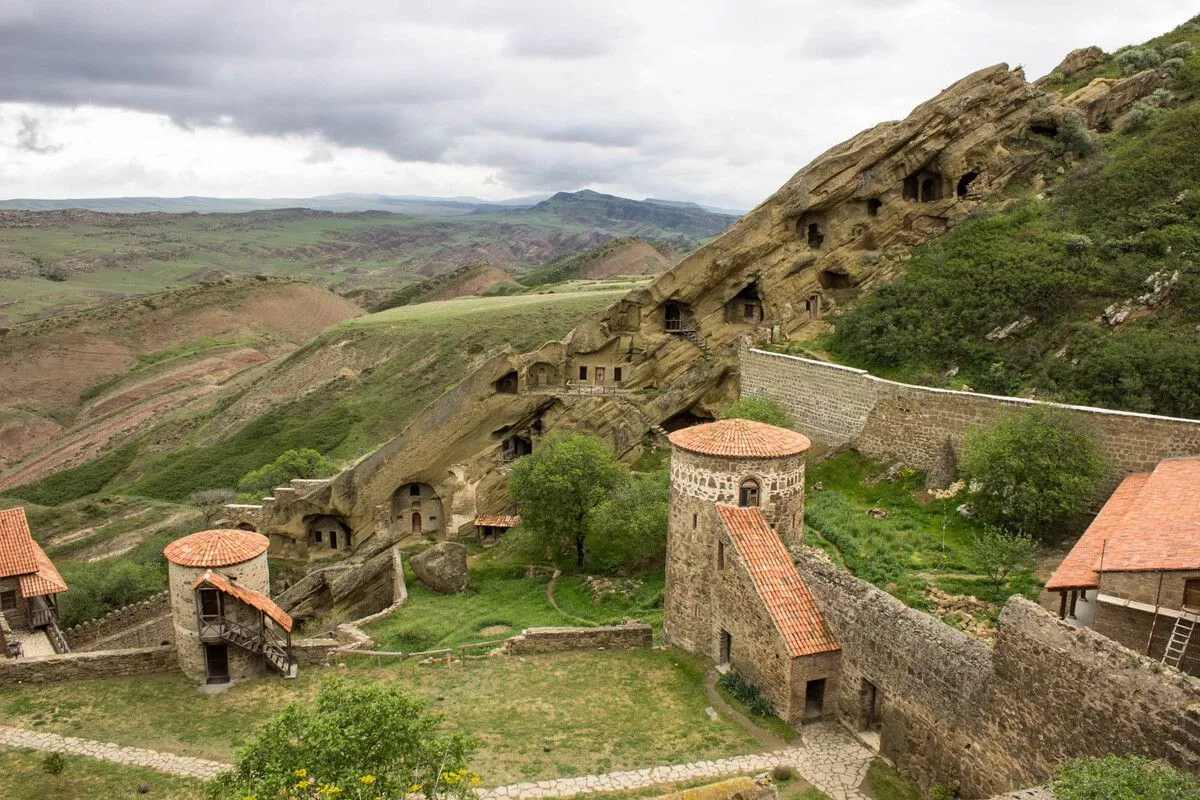
David Gareja monastery sits further south along the Azerbaijan border. It has a similar feel in some ways, though it’s a medieval religious site rather than a national park. Combining both needs two days but makes for a memorable sweep through Georgia’s arid eastern edge. Check our David Gareja and Sighnaghi tour for one way to do it.
Multi-Day Eastern Georgia
For travelers with more time, we build custom routes through Vashlovani, Sighnaghi, Lagodekhi National Park, the Tusheti access roads, and Kakheti wine country. Get in touch and we’ll figure something out.
A Note on Conservation
Vashlovani exists because people decided to protect it. The area became a nature reserve in 1935. National park status came in 2003.
The rules about routes, camping spots, and visitor numbers aren’t red tape for its own sake. They protect an ecosystem that took millennia to develop and could be wrecked in a single careless season.
The leopard monitoring program depends partly on rangers noticing human activity patterns. When you register your visit and stay on designated routes, that data helps protect these animals.
Hunting is completely banned. No weapons allowed in the park. No domestic animals permitted. Rangers stationed at posts around the perimeter enforce these rules. Without them, Vashlovani would lose the untouched quality that makes it worth visiting.

Book Your Vashlovani Trip
Vashlovani isn’t easy to visit on your own. The 4×4 requirement, registration process, and remote terrain mean most travelers do better with experienced guides.
We’ve partnered with Teimuraz Popiashvili, one of the region’s best Vashlovani specialists. He’s been guiding in these badlands for years and knows the wildlife patterns, hidden viewpoints, and best routes in every season. His guesthouse Savanna in Dedoplistskaro serves as our base for overnight expeditions.
Our Vashlovani and Sighnaghi tour handles logistics: proper vehicles, park permits, a guide who knows the territory.
For multi-day trips, camping expeditions, or specialized birdwatching and photography itineraries, contact us. Between our team and Teimuraz’s local expertise, we can put together something beyond the standard day trip.