Lamproba: Svaneti’s Festival of Torches

In mid-February, the medieval towers of Svaneti glow with firelight as families carry blazing torches to their ancestors’ graves – a ritual unchanged for centuries in Georgia’s most mysterious mountain region.
When darkness falls across Svaneti’s snow-covered valleys on the night of Lamproba, something extraordinary happens. From every home in every village, families emerge carrying handmade torches of birch bark, their flames casting dancing shadows on the ancient defensive towers. Processions wind through narrow streets toward village cemeteries, where the torches are planted in the snow beside family graves. Songs rise in the distinctive polyphonic harmonies unique to Svaneti. Prayers are offered to ancestors and to God. And for a few hours, the boundary between the living and the dead seems to thin in the cold mountain air.
Lamproba is not a festival created for tourists. It is a living tradition maintained by Svan communities for centuries — a blend of Orthodox Christianity and far older beliefs that survives because the people of Svaneti still practice it exactly as their great-great-grandparents did. For travelers willing to venture into the high Caucasus in winter, witnessing Lamproba offers one of the most authentic cultural experiences remaining in Europe.
What Is Lamproba?
Lamproba (ლამპრობა) is Svaneti’s traditional festival of light and remembrance, marking the transition from winter to spring and honoring deceased ancestors. The name derives from “lampari” (ლამპარი) — the distinctive birch bark torches that give the festival its visual power.
Key Facts:
- When: Last weekend of February (typically Saturday evening and Sunday)
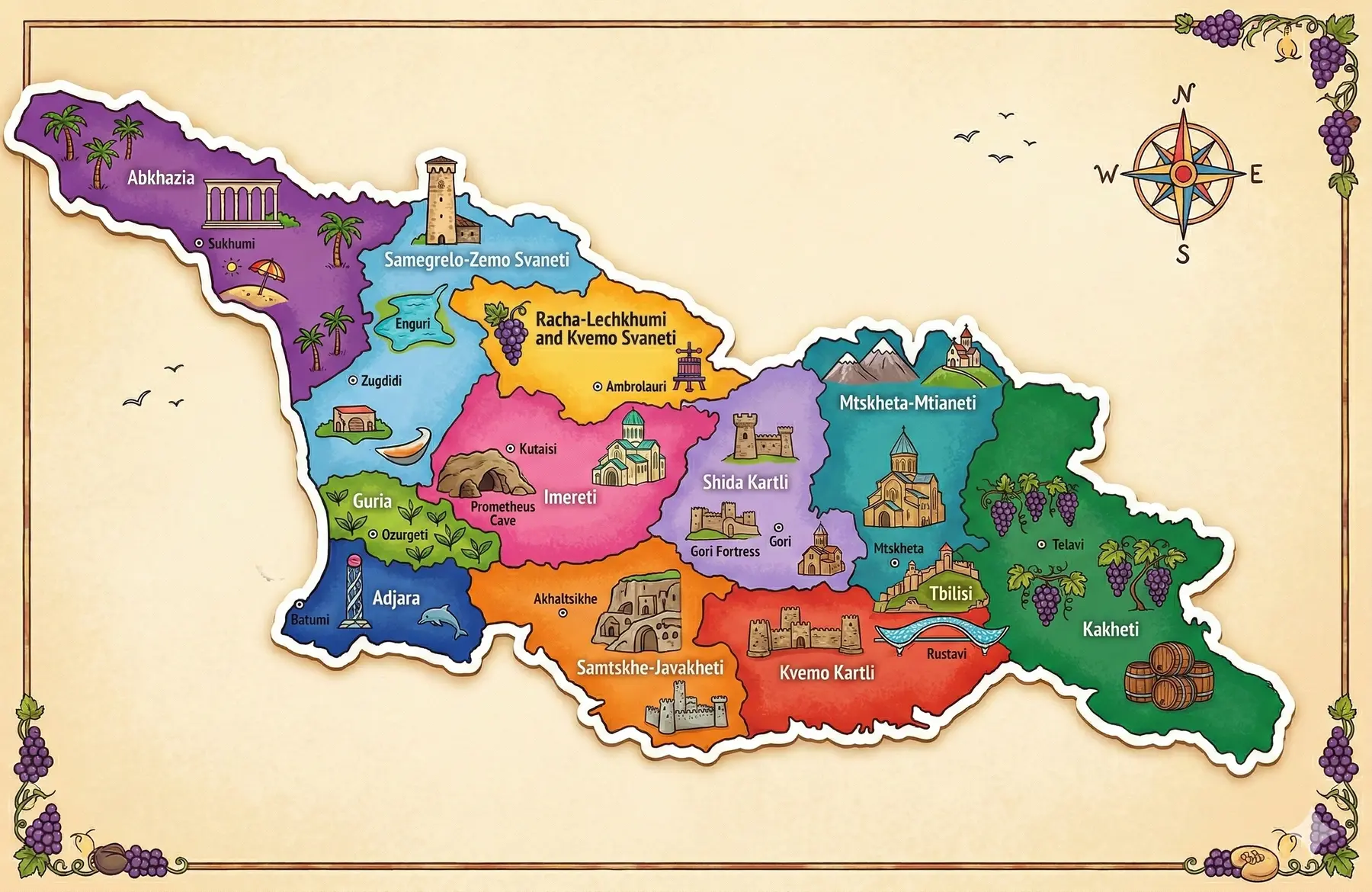
- Where: Throughout Upper Svaneti, particularly Mestia, Ushguli, Latali, Lenjeri, and other villages
- What: Torch-lit processions to cemeteries, prayers for ancestors, traditional songs, and feasting
- Significance: End of winter, honoring the dead, blessing for the coming agricultural season
- Status: Authentic living tradition, not a tourist performance
The festival falls approximately 40 days before Orthodox Easter, connecting it to the broader Georgian Orthodox calendar while retaining distinctly pre-Christian elements unique to Svan culture.
The Lamproba Traditions
Making the Lampari
In the days before the festival, Svan families prepare their torches. The traditional lampari is crafted from dried birch bark wrapped tightly around a wooden pole, creating a torch that burns bright and long. Each family makes torches for every deceased relative they wish to honor — a household might prepare dozens of lampari if they have many generations of ancestors in the village cemetery.
The craft of making lampari passes from generation to generation. Older family members teach children how to select the right bark, how to wrap it properly, and how to create a torch that will burn steadily rather than flaring out quickly. This preparation is itself a ritual of remembrance — as hands work, stories of ancestors are shared.
The Procession
As evening falls, families gather at home for a meal and prayers. Then, as darkness deepens, the processions begin.
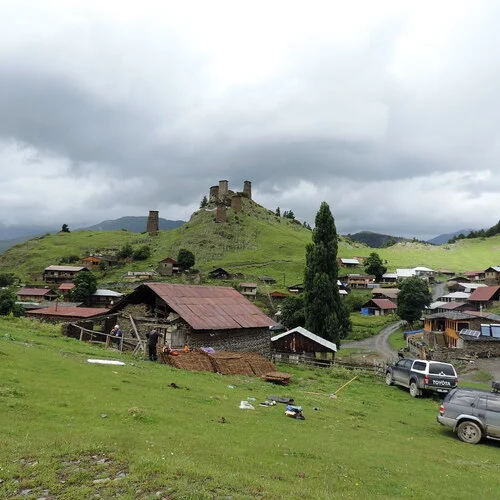
Each family group walks from their home to the village cemetery, carrying lit torches. In villages like Mestia or Ushguli, where homes cluster around medieval tower complexes, the effect is extraordinary — streams of fire moving through ancient stone streets, converging on the burial grounds.
The processions are not silent marches. Families sing traditional hymns and Svan folk songs, their voices carrying across the snow. The distinctive Svan polyphonic singing — recognized by UNESCO as a masterpiece of intangible cultural heritage — fills the cold air with harmonies found nowhere else on Earth.
At the Cemetery
Reaching the family graves, each torch is planted in the snow or earth beside a specific ancestor’s resting place. Prayers are offered — a blend of Orthodox Christian invocations and older formulas that predate Georgia’s conversion to Christianity in the 4th century.
Food and drink offerings are placed at the graves. Families speak to their deceased relatives, updating them on family news, asking for their blessing and protection. The boundary between living and dead feels permeable in these moments — the dead are not gone but present, part of the ongoing life of the family and community.
When all torches are planted and prayers are complete, the cemetery blazes with hundreds of small fires. Seen from above, the village graveyards become constellations of flame against the snow — one of the most visually powerful scenes in Georgian tradition.
Feasting and Celebration
After the cemetery rituals, families return home or gather in community spaces for feasting. Traditional Svan dishes appear kubdari (meat-filled bread), tashmijabi (cheese and potato), and chvishtari (cornbread with cheese). Local spirits flow freely. Songs continue late into the night.
The mood shifts from solemn remembrance to joyful celebration. Winter is ending. The ancestors have been honored. Life continues.
The Meaning Behind Lamproba
Honoring the Dead
At its heart, Lamproba is about maintaining a connection with those who have passed. In Svan culture, death does not sever family bonds — the deceased remain part of the community, requiring attention, respect, and communication. Lamproba provides the annual occasion for this maintenance of the relationship.
This is not abstract ancestor worship but an intimate family practice. Grandchildren who never met great-grandparents learn their names and stories. Recent losses are mourned alongside deaths from generations past. The continuity of family across time becomes tangible.
Welcoming Spring
Lamproba also marks the turning of seasons. Late February in Svaneti remains firmly winter — snow covers everything, temperatures plunge below freezing, the high passes remain blocked. Yet the days are lengthening. The worst of winter has passed.
The fires of Lamproba symbolize the sun’s returning strength. Light pushes back darkness. Warmth will eventually defeat cold. The blessings sought from ancestors include prayers for good weather, healthy livestock, and abundant harvests in the coming year.
Pre-Christian Roots
Scholars believe Lamproba preserves elements of pre-Christian Georgian religion, adapted and incorporated into Orthodox practice rather than eliminated. The timing (late winter), the fire symbolism, the communication with the dead, and certain ritual formulas all suggest origins older than Georgia’s 4th-century conversion.
This syncretic quality — Orthodox Christianity layered over earlier beliefs — characterizes much of Svan religious practice. The Svans accepted Christianity but never entirely abandoned their older traditions. Lamproba demonstrates how both exist in harmony.
Where to Experience Lamproba
Lamproba is celebrated throughout Upper Svaneti, but certain villages offer particularly memorable experiences:
Mestia
The regional capital and most accessible village. Mestia’s concentration of medieval towers creates a dramatic backdrop for the torch processions. As the largest settlement, Mestia offers the most accommodation options and the easiest logistics for visitors.
Ushguli
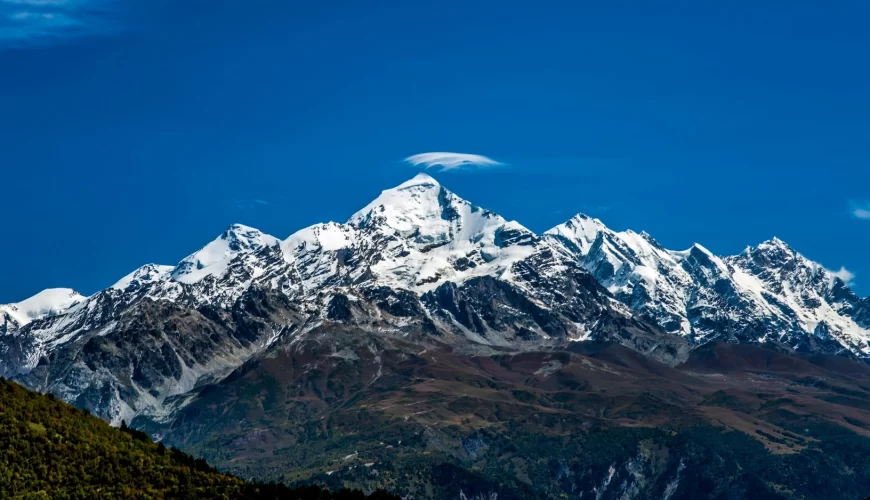
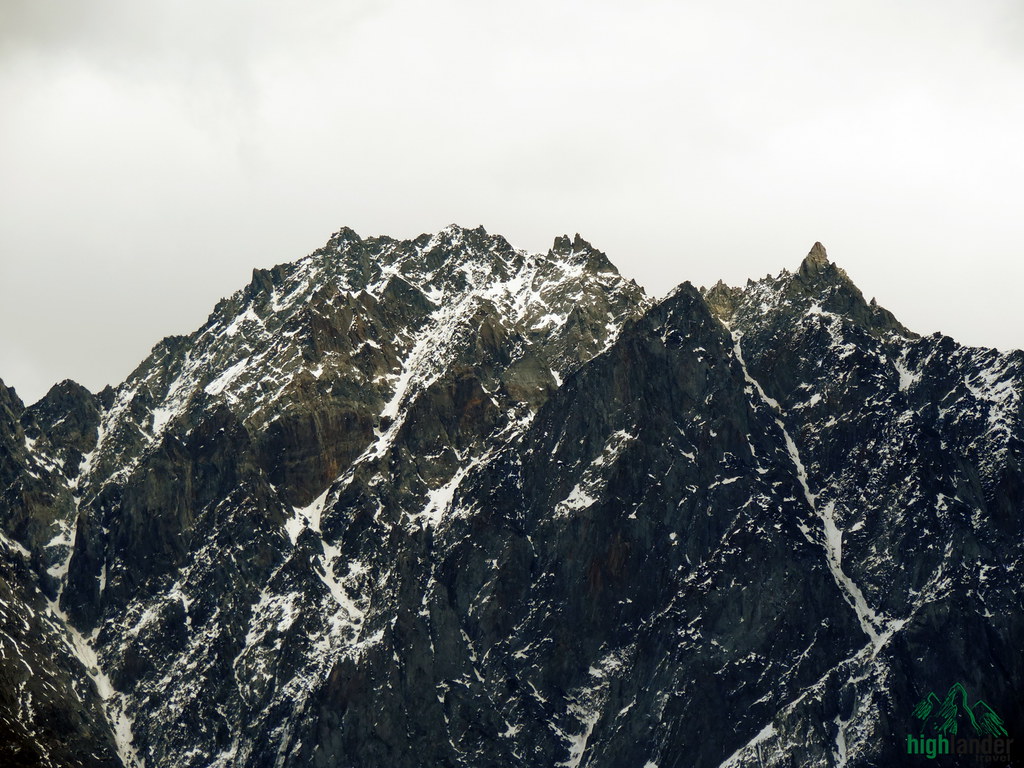
Europe’s highest continuously inhabited village celebrates Lamproba in an incomparable setting — snow-covered towers against the backdrop of Mount Shkhara (5,193m). The journey to Ushguli in winter requires 4×4 transport and determination, but witnessing Lamproba here is unforgettable.
Latali, Lenjeri, and Smaller Villages
The smaller communities of Upper Svaneti often maintain traditions in their most authentic form. With fewer outside observers, the rituals unfold as pure community practice. Visiting these villages requires local connections but offers the most immersive experience.
Can Tourists Witness Lamproba?
Yes – but with important caveats.
Respectful Observation
Lamproba is not a performance staged for visitors. It is a genuine religious and family observance. Tourists are generally welcomed as observers, but should approach with appropriate respect:
- Ask permission before photographing, especially at the cemetery
- Maintain quiet respect during prayers and rituals
- Do not interfere with processions or ceremonies
- Accept hospitality graciously if invited to join family celebrations
- Dress appropriately for both the cold and the sacred nature of the occasion
Practical Considerations
Visiting Svaneti in early February presents challenges:
Weather: Expect snow, cold temperatures (often below -10°C at night), and potentially difficult road conditions. The Zugdidi-Mestia road is usually passable but can close temporarily due to avalanche risk or heavy snowfall.
Accommodation: Most Svaneti guesthouses remain open year-round, though with reduced services in winter. Book well in advance for Lamproba weekend — the few tourists who come specifically for the festival fill available beds quickly.
Transport: Marshrutkas run to Mestia year-round but with reduced winter schedules. Private 4×4 transport offers more flexibility and is essential for reaching villages like Ushguli.
Guided Experience: For first-time visitors, arranging a local guide ensures you can navigate winter conditions, access appropriate locations, and understand what you’re witnessing.
Other Svan Festivals and Traditions
Lamproba is one element of Svaneti’s rich festival calendar. Understanding this context deepens appreciation for Svan culture:
Kviratskhovloba (January)
Celebrated in mid-January, Kviratskhovloba honors Saint Kvirike (Cyricus) and involves animal sacrifices, communal feasting, and prayers for protection. The festival demonstrates Svaneti’s distinctive blend of Orthodox Christianity with older practices.
Lipanali (Late January)
A winter festival particularly associated with the village of Latali, involving rituals, songs, and traditional games. Like Lamproba, Lipanali combines Christian and pre-Christian elements.
Lagurashkhoba (Summer)
Summer festivals honor various patron saints of individual villages and feature the remarkable Svan round dances, traditional songs, and community gatherings in alpine meadows.
Daily Traditions
Beyond festivals, Svan culture maintains distinctive practices year-round: the use of the Svan language (related to but distinct from Georgian), traditional construction techniques for towers and houses, specific culinary traditions, and elaborate social customs governing hospitality, conflict resolution, and family relationships.
Practical Information for Winter Svaneti Travel
Getting There
By Road: The journey from Tbilisi to Mestia (approximately 460 km) takes 8–9 hours via Kutaisi and Zugdidi. In winter, road conditions between Zugdidi and Mestia require attention — the route climbs through the Enguri Gorge with steep sections that can be icy or snow-covered.
By Air: Vanilla Sky operates small aircraft between Tbilisi (Natakhtari) and Mestia’s Queen Tamar Airport. Flights are weather-dependent and frequently cancelled in winter, but when operating offer dramatic mountain approaches and significant time savings.
Recommended: Allow flexible dates in case of weather delays. Consider arriving a day early to ensure you’re in place for Lamproba.
Where to Stay
Mestia offers the most accommodation options, from budget guesthouses to boutique hotels. Expect to pay 80–150 GEL per person, including meals. Family guesthouses provide the most cultural immersion – your hosts can explain local traditions and potentially invite you to join their family observances.
What to Pack
Winter in Svaneti demands serious cold-weather gear:
- Warm layers (thermal base, fleece, down jacket)
- Waterproof outer layer
- Insulated boots suitable for snow
- Hat, gloves, scarf
- Hand and toe warmers
- Headlamp or flashlight for evening processions
- Camera with cold-weather batteries (cold drains batteries quickly)
Health and Safety
- The altitude (Mestia sits at 1,500m) combined with cold requires acclimatization
- Medical facilities in Svaneti are limited — bring any necessary medications
- Travel insurance covering winter mountain conditions is strongly recommended
- Inform your accommodation of your plans if venturing to remote villages
Frequently Asked Questions
When is Lamproba celebrated?
Lamproba falls on the last weekend of February, typically Saturday evening and Sunday. The exact date varies slightly by village, with some communities celebrating on the Saturday and others on Sunday.
What does “Lamproba” mean?
The name comes from “lampari,” the Svan word for the birch bark torches central to the festival. The suffix “-oba” indicates a festival or celebration.
Can tourists attend Lamproba?
Yes, visitors are generally welcome to observe respectfully. The festival is not staged for tourists but is a genuine community observance, so approach with appropriate respect. Ask permission before photographing, especially at cemeteries.
Where is the best place to see Lamproba?
Mestia offers the most accessible experience with the best infrastructure. Ushguli provides the most dramatic setting but requires challenging winter travel. Smaller villages like Latali may offer more intimate, authentic experiences.
Is Svaneti accessible in winter?
Yes, though with challenges. The road from Zugdidi to Mestia usually remains open but can require chains or 4×4 capability. Weather delays are possible. Flights operate but are frequently cancelled due to conditions.
What should I wear to Lamproba?
Dress very warmly — temperatures well below freezing are normal. Waterproof boots are essential. The processions move through snow, and cemetery vigils involve standing in the cold for extended periods.
Is Lamproba a religious or pagan festival?
Both. Lamproba incorporates Orthodox Christian prayers and timing while preserving elements of pre-Christian Georgian tradition. This syncretism characterizes much of Svan religious practice.
How long has Lamproba been celebrated?
The festival’s origins predate written records. Elements likely stretch back to pre-Christian times (before the 4th century), with Christian elements added after Georgia’s conversion. The current form has been practiced for many centuries.
Are there other Svan festivals worth seeing?
Yes. Kviratskhovloba (January), Lipanali (late January/February), and various summer festivals offer additional opportunities to experience Svan traditions. Each village also celebrates its patron saint’s day with local observances.
Can I participate in Lamproba or just watch?
Tourists typically observe rather than participate directly. However, if you’re staying with a local family, they may invite you to join their procession or cemetery vigil. Accept such invitations graciously — they represent genuine hospitality.
Experience Lamproba in Svaneti
Few experiences in Georgia offer such authentic cultural immersion as witnessing Lamproba. In a world where traditional practices have largely become tourist performances, the Svans continue to honor their ancestors with fire and song exactly as they have for centuries — not because anyone is watching, but because this is who they are.
The journey to Svaneti in winter requires effort. The cold is real. The logistics are challenging. But standing in a snow-covered cemetery as hundreds of torches blaze against the medieval towers, hearing polyphonic hymns rise into the frozen air, feeling the presence of generations past and present united in firelight — this is travel that changes you.
We organize winter trips to Svaneti, including Lamproba experiences, handling the logistics that make winter mountain travel challenging. Our local connections ensure appropriate access while respecting the sacred nature of the festival.
Georgia Tours has been exploring Svaneti’s mountains and traditions since 2011. We work with local Svan guides who can share their culture authentically while ensuring visitors experience Georgia’s highlands responsibly. Contact us to plan your Svaneti journey.