
Racha-Lechkhumi
Written by Highlander Travel | Local tour operators since 2011
Last updated: December 2025
Overview: Georgia’s Wine & Mountain Hideaway
Racha-Lechkhumi occupies a unique position in Georgian geography and culture. While tour buses crowd Kazbegi and wine tourists fill Kakheti’s tasting rooms, this northwestern region remains largely undiscovered by international visitors. There are no international hotel chains, no Instagram-famous landmarks, and tourist infrastructure is minimal.
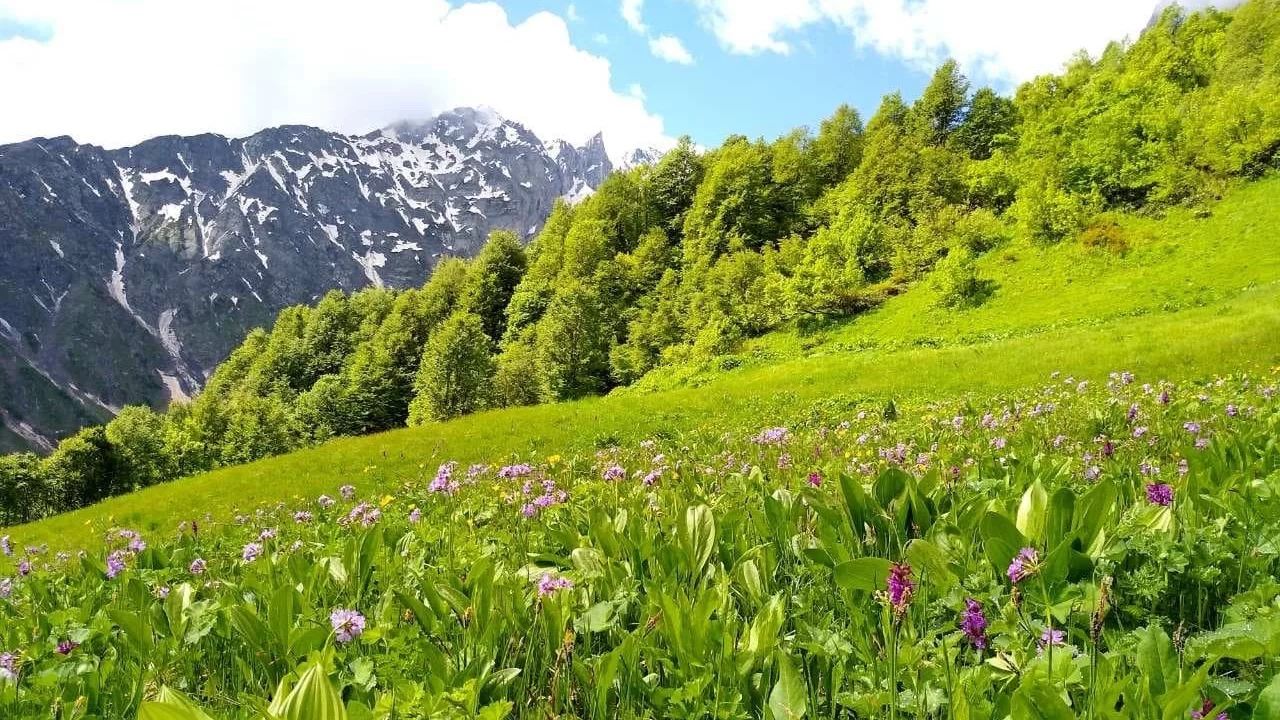
This relative obscurity is precisely the appeal. Racha offers alpine meadows carpeted with wildflowers in early summer, 11th-century churches with intact medieval frescoes, traditional villages where smoked ham still hangs in family smokehouses, and Georgia’s most celebrated semi-sweet wines produced in quantities so small that most bottles never leave the region.
The region is divided into distinct zones: Lower Racha (around Ambrolauri) with its wine villages and accessible attractions; Upper Racha (Oni, Shovi) with mountain resorts and higher elevations; and Lechkhumi, a forgotten corner where medieval tower houses stand in villages that rarely see foreign visitors.
Our tours in Racha and Lechkhumi
Getting to Racha-Lechkhumi
We offer transfers to Ambrolauri, Oni, or Tsageri from Tbilisi, Kutaisi, or Batumi. But public transport is also available.
From Tbilisi
- By car: 250 km, 4-5 hours via E60 highway through Rikoti Pass, then north from Zestafoni. Road paved throughout to Ambrolauri.
- By marshrutka: Minibuses depart Didube station several times daily (typically 8:30 am, 3 pm). Journey 5-6 hours with stops. Fare: 30-35 GEL to Ambrolauri/Oni.
- By private transfer: 400-500 GEL for the vehicle (up to 4 passengers).
- By air: Vanilla Sky operates seasonal flights from Natakhtari to Ambrolauri (3x weekly in summer, ~50 GEL one-way).
From Kutaisi
Kutaisi serves as the practical gateway — only 100 km to Ambrolauri (2-2.5 hours). Two routes available: via Tkibuli (shorter, steeper) or the newer Alpana road (longer, easier driving). By marshrutka: Up to 5 daily departures in the summer season. From Chain Bridge: 10 am and 2pm via Alpana (12 GEL to Ambrolauri, 15 GEL to Oni). From Central Bus Station: 11am and 4pm (15-20 GEL).
Road Conditions
- Main roads (Ambrolauri, Oni, Nikortsminda, Shaori): Paved, in reasonable condition, suitable for any vehicle.
- Upper Racha (Shovi, Ghebi, Gona): Deteriorating surfaces, unpaved sections, 4×4 strongly recommended, especially after rain.
- Lechkhumi (Tsageri, Lailashi): Mountain roads require experienced drivers. 4×4 essential for most destinations.
- Seasonal closures: Upper Racha villages become inaccessible from November through April due to snow. Check the GeoRoad Facebook page for current conditions.
Best Time to Visit
May to early July: Optimal season. Alpine meadows peak with wildflowers in June. Shaori Reservoir at maximum water level with mirror reflections. Comfortable temperatures for hiking (20-25°C in valleys). Green, lush landscapes. July to August: Peak summer (25-30°C in valleys, cooler at altitude). Popular with Georgian domestic tourists. Shovi and Utsera resorts are at full capacity. Best time for high-altitude hiking as snow clears from passes. Book accommodation well in advance. September to October: Harvest season. Grape picking in the Khvanchkara microzone. Wine cellars offer tastings of the new vintage. Spectacular autumn colors from late September. Rtveli (wine harvest) celebrations typically late October into November, later than in Kakheti due to altitude. November to April: Upper Racha roads close due to snow. Lower Racha (Ambrolauri area) remains accessible but services are minimal. Many restaurants and smaller guesthouses close for the season. Beautiful snow scenery, but limited tourist infrastructure. Read more about the season in our log post – When to visit Georgia.
Ambrolauri: The Regional Capital
Ambrolauri functions as Racha’s administrative and commercial center, though the term “capital” requires context — this is a quiet town of approximately 2,000 residents spread along the Rioni River at 550 meters. The town offers practical necessities largely unavailable elsewhere in the region: ATMs (TBC Bank and Bank of Georgia), pharmacies, fuel stations, a small market, and the widest selection of guesthouses. For most visitors, Ambrolauri serves as the base for exploring Lower Racha — Nikortsminda Cathedral, Shaori Reservoir, and the wine villages are all within 30 30-minute drive. Points of interest within town include the Ambrolauri Museum of Fine Arts (housed in the Culture Palace, variable opening hours), Machabeli Tower near the Church of the Virgin Mary (remnant of a 17th-century palace), and Soviet-era architectural details, including a notable bas-relief sculpture on Kostava Street depicting cosmonauts alongside agricultural symbols. Thursday market day brings farmers from surrounding villages with seasonal produce — wild mushrooms in autumn, honey year-round, homemade adjika, and churchkhela. Accommodation: Guesthouses range 80 to 150 GEL per night, including breakfast. Most can arrange dinner. Several properties offer private cabins on the outskirts of town.
Oni: Gateway to Upper Racha
Oni sits 40 kilometers northeast of Ambrolauri at 800 meters, at the confluence of the Rioni and Shareula rivers. The town marks the transition between Lower and Upper Racha – beyond here, elevations increase, roads deteriorate, and villages become more isolated.
Jewish Heritage
Oni’s historical significance stems from its former Jewish community, one of the Caucasus’s largest until the mid-20th century. Georgian Jews, whose presence in the region dated back over 2,600 years, thrived here as merchants, craftsmen, and silversmiths. The Oni Synagogue, constructed in 1895 in Neo-Moorish style by Polish architects with laborers from Thessaloniki, remains the most striking architectural monument in town. At its peak, the congregation numbered up to 250,000 people – the third-largest Jewish community in Georgia after Tbilisi and Kutaisi. Most Jewish residents emigrated to Israel between the 1970s and 1990s. The 1992 earthquake that severely damaged the synagogue accelerated departures. Today, only a handful of Jewish families remain. The synagogue has been restored and can be visited – inquire at guesthouses for the caretaker who holds the keys. No formal entry fee; donations for maintenance appreciated.
Oni Local Lore Museum
Worth visiting for the eccentric collection as much as the exhibits themselves. The dimly lit lower level houses thousands of objects: wooden snowshoes, architectural fretwork salvaged from demolished houses, stone and bronze tools, archival photographs, and hand-carved wooden trunks. Upstairs, a magnificent hand-carved bench seat stretches nearly the full length of the building — traditionally sized to seat an entire extended family. Open Tuesday-Sunday until 5 pm, closed Mondays. Entry 3 GEL. A modern museum building was completed in 2022; collection relocation is ongoing.
Practical Information
Oni has a small hospital, several shops, and marshrutka connections to Tbilisi (via Sachkhere road, 3.5-4 hours) and Kutaisi (2 hours). The town serves as the last reliable supply point before the Shovi resort and the high mountain areas. Fuel available. ATM present. Accommodation: Several established guesthouses offering full board. Expect 90-120 GEL per night, including meals. Quality home cooking is a highlight.
Ghebi Village: Svan Heritage in Upper Racha
Following the road that branches along the east bank of the Rioni beyond Oni, you reach Ghebi – a small village at 1,350 meters elevation that marks the cultural boundary between Racha and Svaneti. Historically, Ghebi was culturally and linguistically Svan, which explains the presence of fortified koshki tower houses – the same defensive structures that define Mestia and Ushguli – scattered throughout the village. These towers served as refuges during raids and conflicts, their thick stone walls and narrow windows designed for defense rather than comfort.
What to See in Ghebi
Svan Towers: Several tower ruins dot the village, with one well-preserved tower (Ghebi’s Koshki) privately owned. The owner sometimes allows visitors into the yard for closer inspection – ask politely if someone is home. Traditional Architecture: Unlike the towers, Ghebi’s domestic architecture reflects Rachuli traditions. Elegant timber shushabandi (enclosed wooden balconies with intricate fretwork) demonstrate the woodworking craftsmanship for which Racha is famous. The contrast between Svan defensive towers and Rachuli decorative woodwork illustrates the village’s position between two cultures. Village Church: Small Orthodox church in the village center, typically open for visitors. Water Fountain: Near the church, a traditional water fountain/trough with a decorative marble and stone ram’s head provides fresh water for villagers and livestock — a feature common to Upper Racha villages.
The Rioni’s Source
The headwaters of the Rioni River — Georgia’s second-longest river after the Mtkvari — originate northwest of Ghebi, near Gora Pasis-Mta. For visitors from Kutaisi or anywhere along the Rioni’s 327-kilometer course to the Black Sea, reaching this proximity to the river’s source carries geographic significance.
Gona Village
Beyond Ghebi, a rough road continues to Gona — the highest and most remote village accessible by vehicle in Upper Racha, sitting at 1,660 meters elevation. Sometimes called Georgia’s “Little Switzerland,” Gona consists of a handful of wooden cabins set on hillsides against a backdrop of dramatic Caucasus peaks and summer pastures. The sealed road ends at the Ghebi-Gona junction. The track to Gona is dirt/mud — manageable in any high-clearance vehicle when dry, but requiring 4×4 after rain. Alternative: park in Ghebi and hike to Gona (approximately 14 kilometers return). Gona sits roughly 25 kilometers from the Russian border — firmly within the border zone. The road continues to a border police post where visitors must turn around. A small shop near the village center sells alpine honey, cheese, and matsoni yogurt produced by local families.
Practical Information
- Distance from Oni: 40 km to Ghebi (70 minutes); an additional 7 km to Gona
- Road conditions: Paved to Ghebi. Unpaved Ghebi-Gona section requires high clearance, 4×4 recommended.
- Time needed: 2-3 hours for Ghebi exploration; add 2 hours for Gona excursion
- Facilities: None — no shops, restaurants, or fuel in Ghebi. Small shop in Gona for basic items. Bring provisions.
- Season: Accessible late May through October. Roads close with winter snow, typically by late October.
- Accommodation: Very limited in Ghebi (one or two family guesthouses). Most visitors base in Oni or Chiora and visit as day trip.
Lechkhumi: The Forgotten R
If Racha is off the beaten path, Lechkhumi barely appears on any path at all. This small region centered on Tsageri (population ~1,500) occupies the Tskhenistskali River valley. The total regional population is under 15,000, scattered across villages that cling to forested mountainsides. Lechkhumi’s isolation preserved what development elsewhere destroyed. Medieval churches stand in village centers with frescoes faded but intact. Tower houses (koshkebi) — defensive structures similar to those in Svaneti – dot the landscape. The architecture shows clear Svan influence, though Lechkhumi never achieved the UNESCO recognition of its more famous neighbor.
Lailashi Village
Deep in Lechkhumi at approximately 1,200 meters elevation, Lailashi represents traditional Caucasian mountain life largely unchanged by modernity. Stone tower houses stand among family homes. A medieval church retains visible frescoes. Perhaps 50 families live here year-round. Notable sites include a restored synagogue (evidence of Jewish presence throughout mountain Georgia), an Armenian church, and a natural swimming pool in the Tskhenistskali River known locally as the “Lailashi Secret Pool.”
Sairme Pillars
Dramatic limestone formations rising 15-20 meters from forested slopes near the Lechkhumi border. Natural erosion over millions of years created stone columns that locals have named after their shapes: “The Monk,” “The Cathedral,” “The Warriors.” Reaching the pillars requires a moderate 2-hour hike through mixed forest from the nearest road. Trail unmarked — local guide essential unless you have GPS coordinates and navigation experience. Particularly impressive in morning light when mist drifts through the formations.
Practical Information
Tourist infrastructure in Lechkhumi is minimal. Accommodation options in Tsageri are very limited — one or two basic guesthouses. English is essentially nonexistent; even Russian is limited to older residents. 4×4 essential for most destinations. Visit requires advance planning, ideally with local contacts or arranged through tour operators.
Architectural Monuments
Nikortsminda Cathedral
Racha’s architectural masterpiece, Nikortsminda, completed in 1014 during the reign of King Bagrat III, represents Georgian church architecture at its peak. The exterior features extraordinary stone carvings covering all facades: biblical scenes, mythological imagery, saints, hunting vignettes, and intricate geometric patterns. Look for the Ascension scene on the south facade, the deer hunt on the west, and saints in arched niches encircling the drum. Carvings extend 15-20 centimeters into the stone, a depth that allowed survival through nearly 1,000 years of weather. Interior frescoes date primarily to the 16th-17th centuries. The Last Judgment on the western wall is considered one of the most detailed such paintings in Georgia.
- Location: Village of Nikortsminda, 12 km from Ambrolauri.
- Hours: Open daily, no fixed hours.
- Entry: Free; donations appreciated.
- Dress code: Modest dress required (women: covered shoulders and below-knee skirts; men: long pants).
- Photography: Allowed inside without flash.
- Duration: Allow 1-2 hours, including travel.
Barakoni Church
Formally the Church of the Mother God, built in 1753 by architect Avtandil Shulavreli, one of the last great monuments in the medieval Georgian domed tradition. The wooden iconostasis (screen separating nave from altar) is exceptional: dark carved wood, hand-painted icons, delicate floral details, unlike most Georgian churches. Interior frescoes are better preserved than Nikortsminda’s.
- Location: Tsesi village, 25 minutes from Oni.
- Hours: Opens 10:30 am (9 am Sundays for liturgy).
- Note: Ilne Bakery outside the church is famous for lobiani with Rachuli ham.
Oni Synagogue
1895 Neo-Moorish structure, memorial to the town’s vanished Jewish community. Golden stonework exterior with silver-blue dome. Interior features original bimah and women’s gallery. Door locked; inquire locally for caretaker access.
Other Churches and Fortresses
Skhieri Monastery: Active Orthodox monastery in a forested setting east of Ambrolauri. Living religious community — visitors welcome but should dress modestly and behave accordingly. Minda Fortress: Medieval ruins overlooking the Rioni valley. 45-minute climb from the road. 360-degree views from top. Khotebi Fortress: Less visited than Minda, steeper 1.5-hour climb. Ruins are typically deserted. Nakerala Pass Churches: Small medieval wayside chapels near the pass between Racha and Lechkhumi. Atmospheric stops on the drive. Medieval Tower Houses: Scattered through Lechkhumi villages, defensive towers similar to Svaneti’s famous structures. Best examples in Lailashi.
Natural Attractions
Shaori Reservoir
Racha’s most photographed location. Created in the 1950s for hydroelectric power, the artificial lake sits at 1,100 meters, stretching approximately 9 kilometers through forested mountains. Fed by karst springs, connected by tunnels to the Tkibuli Reservoir. On calm mornings, mirror-perfect reflections of surrounding peaks. Autumn brings spectacular crimson colors; winter transforms the area into a snow forest. Swimming is technically prohibited but commonly ignored in summer. Fishing and picnicking are popular with locals. Best viewpoints: Near the dam for a full panorama; eastern end, where the lake narrows for best reflections. Accommodation: Several guesthouses lakeside (120-160 GEL including meals). Staying overnight allows both sunset and sunrise photography, a significant advantage over day-trippers.
Shovi Mountain Resort
At 1,600 meters, Shovi has attracted health-seekers since the late 19th century. Founded in 1929 by local physician Dr. Shamshe Lejava, it developed during the Soviet era as a balneological resort. Important note: On August 3, 2023, a massive landslide devastated Shovi, destroying most of the resort and claiming 33 lives. Reconstruction plans exist but the area remains partially restricted. The historic “Stalin’s Summer House” (a misnomer — Stalin never visited Racha) survived, along with a small cluster of buildings accessible to visitors. Prior to the disaster, Shovi served as the trailhead for popular hikes, including the two-day trek to Udziro Lake from nearby Glola village.
Mineral Water Springs
Racha-Lechkhumi sits on extensive mineral water reserves. The region has 28 documented springs with varying mineral compositions. Shovi: Multiple springs with different compositions — some carbonated, some iron-rich, others sulfurous. The main drinking gallery remains accessible. Utsera: Balneological resort at 1,150 meters (20 minutes from Shovi). Springs are known for acidic, iron-rich water. Several pavilions for tasting along the main road. Gverita Spring accessed via ropeway across the river — check accessibility as landslips occasionally block access. Lashichala: Remote springs in Upper Racha, accessible only by rough road. Worth visiting for the journey through dramatic mountain scenery.
Other Natural Sites
Love Waterfall (Sikvaruli): 30-meter cascade near Utsera, reached by an easy 30-minute forest walk. Best flow in spring during snowmelt. Skhvali Karst Caves: Limestone formations near Tsageri with stalactites and stalagmites. Not developed for tourism — bring a flashlight. Local guide recommended. Buba and Kirtishi Glaciers: Remnant ice fields above Shovi. Day hikes reach viewpoints; approaching ice requires technical skills. Currently, access may be restricted due to landslide damage. Khvamli Mountain (2,002m): According to Georgian tradition (contested with Kazbek), this is where Prometheus was chained. Caves in limestone slopes allegedly served as treasuries for Georgian kings. Full-day hike from foothill villages; trail unmarked, guide recommended.
Rafting on the Rioni River
The Rioni River offers some of Georgia’s best whitewater rafting, largely unknown compared to more accessible rivers near Tbilisi. The upper Rioni runs through Racha with consistent Class II-III rapids, canyon scenery, and minimal commercial traffic. The most popular section runs from Oni downstream toward Ambrolauri — approximately 25 kilometers, mixing calm stretches with exciting rapids. Water comes directly from glaciers; temperatures are 10-14°C even in summer. Wetsuits essential.
- Season: May through September, when water levels are optimal.
- Trips available: Half-day (3-4 hours on water, ~150 GEL per person including equipment); full-day with riverside lunch (~220-280 GEL).
- Experience required: None for standard section — suitable for beginners. Advanced sections available for experienced paddlers.
- Booking: Advance reservation required (minimum 48 hours, ideally 1 week). Groups of 4-8 optimal.
Horse Tours from Oni
The high meadows above Oni offer excellent terrain for horseback riding — rolling alpine grasslands, mountain streams, panoramic views. Several local families keep horses and offer guided rides.
- Half-day ride (4-5 hours): Depart from Oni, climb through the forest to the alpine meadows above 2,000 meters, lunch with mountain views, return by a different trail. ~180 GEL per person, including horse, guide, and packed lunch. Suitable for beginners.
- Full-day ride (7-8 hours): Extended route to higher elevations, shepherd camp visits, optional stream swimming. ~280 GEL per persona. Moderate riding experience recommended.
- Multi-day expeditions (2-4 days): Camping in meadows, remote lakes, and high pass crossings. Support vehicle for camping gear. ~350-450 GEL per person per day, depending on duration and group size. For experienced riders.
- Group size: Minimum 2, maximum 6 riders per trip.
- Season: June through September. Earlier dates may have snow at higher elevations.
- Booking: Minimum 1 week advance notice for day rides, 2-3 weeks for multi-day expeditions.
The Wines of Racha
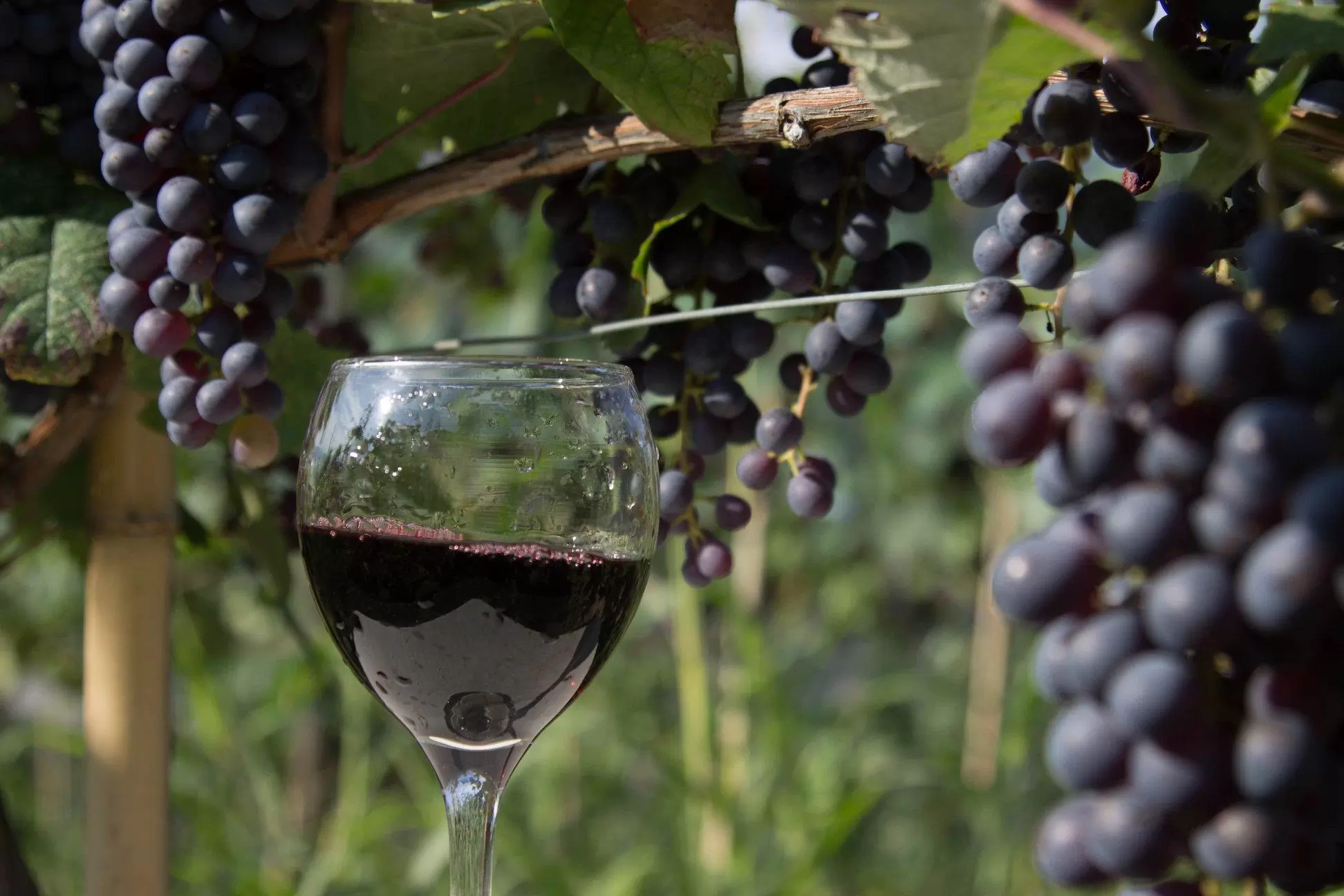
Racha is Georgia’s only highland region with an established wine culture — a distinction that shapes local identity as much as the mountains themselves. Three wines have protected designation of origin status.
Khvanchkara
Georgia’s most famous wine internationally — and its most counterfeited. True Khvanchkara comes only from a microzone of approximately 300 hectares on the Rioni’s right bank, between Khvanchkara and Tola villages. Grapes: Aleksandrouli (80-85%) blended with Mujuretuli (15-20%). Both late-ripening varieties accumulate sugar while retaining acidity. Production method: Traditional Rachuli winemaking stops fermentation naturally when autumn cold arrives, leaving residual sweetness without artificial intervention. Character: Deep ruby color, aromas of raspberry and pomegranate, palate balancing sweetness with tannin and acidity. Food-friendly despite sweetness — pairs well with spicy dishes, blue cheese. Production: ~10,000 bottles annually in good years. Price: 50-80 GEL at local cellars; 120-180 GEL in Tbilisi restaurants. Anything sold for 20 GEL is almost certainly fake.
Tvishi
 Tvishi
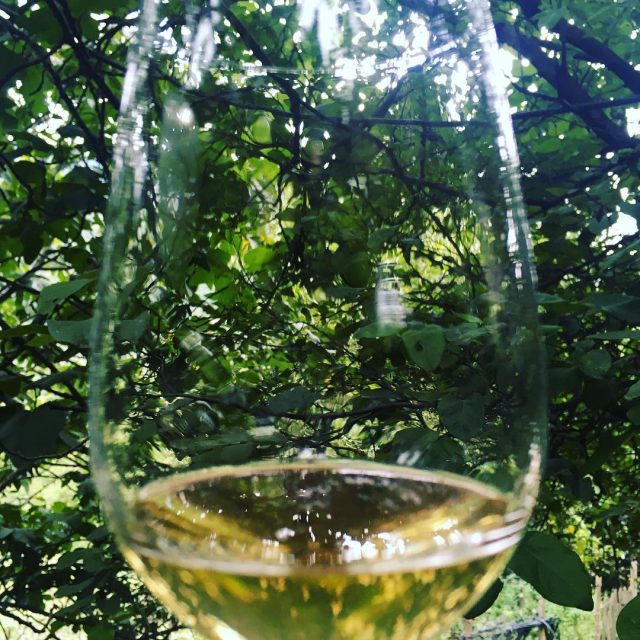
Semi-sweet white from an even smaller zone (~150 hectares) near Tvishi village on the Rioni’s left bank. Grape: 100% Tsolikouri, which here develops aromatic intensity and residual sugar not achieved elsewhere. Character: Pale straw color, aromas of white flowers and ripe pear, medium-sweet palate with balancing acidity. Refreshing rather than cloying. Price: 40-70 GEL at source.
Usakhelouri
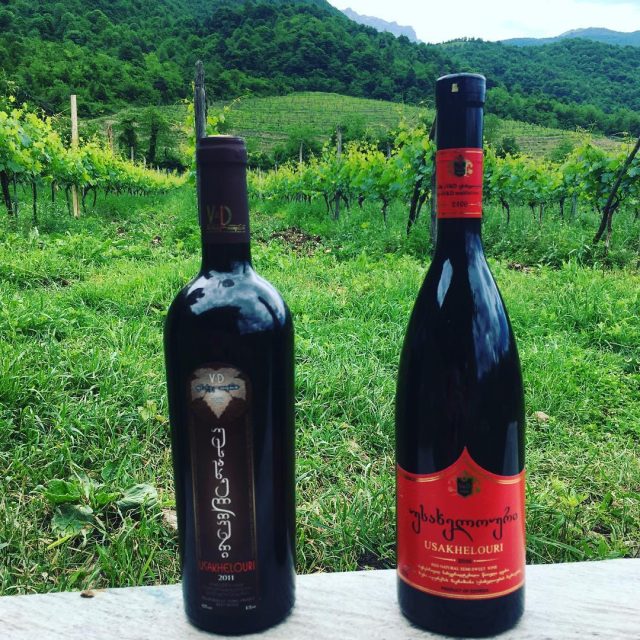
Among Georgia’s rarest wines. The Usakhelouri grape grows only in parts of Lechkhumi — estimates suggest fewer than 100 hectares remain planted. Low-yielding, disease-prone, demanding specific conditions. Character: Deep garnet color, complex aromas of dark cherry and dried herbs, sweetness balanced by remarkable structure. Ranked among Georgia’s greatest wines by experts. Production: Hundreds of bottles annually; most stay in private hands or goes to collectors. Price: 150-250 GEL when available; older vintages are significantly more.
Royal Khvanchkara Wine Factory
The region’s largest commercial winery, tracing its history to 1870. Located on the main road in Ambrolauri, behind a grand Soviet-style facade. Sources grapes exclusively from the designated Khvanchkara microzone. Tours include a cellar walkthrough, an explanation of the Rachuli method, and a guided tasting. Highlight: massive Russian oak barrels (decommissioned but preserved in the cellar). Duration: ~45 minutes. Cost: 30 GEL with a three-wine tasting; 20 GEL for non-drinkers. Booking: Advance phone reservation recommended (0439 22 12 04). Request an English-speaking guide.
Tetra (Tsulukidze Tetra)
A semi-sweet white wine produced from the indigenous Tetra grape, grown primarily in the Ambrolauri district. Less internationally known than Khvanchkara or Tvishi, but highly regarded within Georgia and increasingly sought by wine enthusiasts exploring beyond the famous names. Grape: 100% Tetra — an ancient Georgian variety mentioned in historical sources dating back centuries. The name “Tetra” means “white” in old Georgian. Character: Pale gold to straw color with greenish hints. Aromas of green apple, citrus, and white flowers with subtle honey notes. On the palate, medium sweetness balanced by crisp acidity and a clean, refreshing finish. Lighter-bodied than Tvishi, making it an excellent aperitif wine. Production method: Like other Rachuli wines, Tetra is traditionally made using the natural cold fermentation method, where autumn temperatures halt fermentation and preserve residual sugars. Food pairing: Pairs well with fresh cheeses, light salads, fish, and fruit-based desserts. Also enjoyable on its own as an afternoon wine. Price: 30-50 GEL at local cellars — more affordable than Khvanchkara or Tvishi, making it accessible for everyday enjoyment. Where to find: Royal Khvanchkara Wine Factory includes Tetra in their portfolio. Family cellars in the Ambrolauri district also produce small quantities. The Tsulukidze family vineyards are particularly associated with quality Tetra production.
Other Racha Wines
Beyond the designated origin wines, Racha produces several other varieties worth exploring: Aleksandrouli (single varietal): The dominant grape in Khvanchkara blend, also made as a standalone dry or semi-dry red. Deep color, berry aromas, moderate tannins. Mujuretuli (single varietal): The secondary Khvanchkara grape, occasionally vinified alone. Lighter than Aleksandrouli with floral notes. Tsolikouri (dry): While Tsolikouri makes semi-sweet Tvishi in its designated zone, elsewhere in Racha and Lechkhumi it produces crisp dry whites — quite different character, worth comparing. House wines: Throughout the region, families make wines from whatever grapes their ancestors planted — sometimes obscure varieties that exist nowhere else, vinified in qvevri using methods unchanged for generations.
Family Cellars
For an authentic wine experience, family cellars in Khvanchkara and Sadmeli villages welcome visitors. The Khvanchkara microzone vineyards line both sides of the road west of Ambrolauri — small plots, often under one hectare, worked by families for generations. Notable properties include Margvelidze Wine Cellar in Sadmeli — a 100-year-old wooden house with traditional marani (cellar) featuring qvevri (clay vessels) still in active use. Tours include a house and cellar walkthrough plus a garden degustation with food pairings. Reserve through Facebook; allow 90 minutes.
Rachuli Cuisine
Racha’s food reputation extends across Georgia. Mountain cuisine: hearty, rich, designed for physical labor through long winters.
Lobiani
Bean-filled flatbread — simple concept, demanding execution. Proper Rachuli lobiani uses kidney beans grown in mountain villages, mashed smooth but not pureed, wrapped in dough thin enough to cook quickly but strong enough to hold together. Traditional preparation in tone (clay) oven. Eaten hot with butter melting on top, alongside pickled vegetables. Cold lobiani are suitable for travel provisions. Variations include bacon-added filling. During Orthodox fasting periods, it provides protein without meat.
Rachuli Lori (Smoked Bacon)
The region’s most celebrated product. Whole pork belly sections, dry-cured with salt and spices, cold-smoked over fruit wood (apple, pear, cherry) for weeks or months. Mountain climate enables slow curing without refrigeration. Result: intensely flavored, slightly chewy, addictive. Served sliced thin as an appetizer, diced into stews, wrapped around cheese, or with bread and vegetables. Buying: Ambrolauri market year-round. Quality varies — taste before purchasing. Expect 30-50 GEL per kilogram depending on aging. Properly cured lori keeps months without refrigeration.
Shkmeruli (Garlic Chicken)
Originated in Shkmeri village above Oni. Whole chicken flattened, pan-fried until skin crisps, then simmered in sauce of crushed garlic (often entire head per chicken), milk or cream, sometimes butter. Heat transforms garlic’s raw sharpness into mellow sweetness. Served in ketsi (clay cooking pan), bubbling from oven. Chicken fall-apart tender in creamy garlic sauce. Bread mandatory for sauce-mopping. Available at every Racha guesthouse and restaurant. Quality varies — home cooking typically superior to restaurant versions.
Other Specialties
Mchadi: Cornbread baked in traditional ovens, served with butter and fresh cheese. Gebzhalia: Fresh cheese wrapped in mint-infused whey curd. Churchkhela: Walnuts strung on thread, dipped in grape must, dried. Racha versions use local grape varieties, distinct from Kakhetian churchkhela. River trout: From Rioni and tributaries, pan-fried with butter and herbs. Wild mushrooms: Chanterelles and porcini in autumn, sautéed or in sauces. Alpine honey: Produced in high meadows, available at village shops and guesthouses.
Where to Stay
Ambrolauri: Widest selection in the region. Family guesthouses 80-150 GEL/night, including breakfast, most offer dinner. Several properties have private cabin accommodation on the town outskirts. Shaori Reservoir area: Lakeside guesthouses 120-160 GEL including meals. Book well ahead for summer weekends. Oni: Several established guesthouses with full board 90-120 GEL. Home cooking is typically excellent. Upper Racha (Chiora, Ghebi): Limited options. Chiora Inn offers cabin-style rooms with an on-site restaurant. Season ends late October when roads close. Shovi: Mix of renovated sanatoriums (full spa, 150-280 GEL) and simpler guesthouses (100-140 GEL). Full board standard. Currently limited due to the 2023 landslide damage. Lechkhumi (Tsageri): Very limited — one or two basic guesthouses. Arrange through local contacts or tour operators.
Racha-Lechkhumi in our blog
Barakoni church in Racha
Mother of God domed Barakoni church located in […]
Nikortsminda
Nikortsminda St. Nickolas cathedral built between 1010-1014 stands […]
Frequently Asked Questions
Getting Around Within Racha
Public transport within Racha is limited. Marshrutkas connect Ambrolauri with Oni (several daily). Beyond these main towns, own vehicle or arranged transport essential.
Fuel stations in Ambrolauri and Oni only — fill up before heading to mountain areas.
Road surfaces deteriorate significantly beyond the main valley. Check conditions before attempting mountain roads, especially after rain or in shoulder seasons.
Practical Tips
Cash: ATMs only in Ambrolauri and Oni. Bring sufficient cash for the entire stay. Most guesthouses and restaurants prefer cash payment.
Mobile coverage: Good in valleys (Ambrolauri, Oni). Patchy to nonexistent in the mountains, Upper Racha, Lechkhumi.
Electricity: Reliable in towns. Some mountain guesthouses may have occasional outages.
Language: Georgian primarily. Russian is widely understood by older residents. English is very limited outside major guesthouses.
Tipping: Not expected but appreciated for exceptional service.
Photography: Ask permission before photographing people. Churches allow photography without flash. Some families may be camera-shy initially but warm up quickly.
Dress code: Modest clothing for church visits (covered shoulders and knees). Mountain areas can be cool even in summer — bring layers.