Batumi Travel Guide: Georgia’s Black Sea Gem
Discover Batumi, Georgia’s stunning Black Sea resort city. This comprehensive guide covers the best attractions, beaches, Adjarian cuisine, day trips, nightlife, practical travel tips, and everything you need to plan your perfect Batumi vacation.
Batumi sits on Georgia’s subtropical Black Sea coast, 20 kilometers from the Turkish border. Once a sleepy Soviet beach resort, today it’s a fascinating blend of futuristic architecture, 19th-century charm, casinos, and genuine Adjarian hospitality. Some call it the Las Vegas of the Caucasus. Others compare it to Dubai. But Batumi is neither of those places. It’s something entirely its own.
As the capital of the Adjara autonomous region, Batumi offers travelers more than beach days and nightclub scenes. The city rewards those who venture beyond the obvious attractions. There’s a genuine cafe culture here, street art around every corner, the freshest seafood you’ll find anywhere in Georgia, and easy access to waterfalls, mountain villages, and national parks that most tourists never see.
This guide draws on years of exploring every corner of Batumi and the wider Adjara region. Whether you’re planning a weekend escape from Tbilisi or a longer exploration of western Georgia, you’ll find everything you need to make the most of your time here.
Batumi at a Glance
Location: Western Georgia, on the Black Sea coast, 380km from Tbilisi
Population: Around 180,000 (Georgia’s second-largest city)
Best time to visit: May-June or September-October (Velvet Season)
Currency: Georgian Lari (GEL). Cards widely accepted.
Language: Georgian, Russian widely spoken, English growing
Time needed: 2-4 days minimum, a week to explore properly
How to Get to Batumi
By Train from Tbilisi
The train journey from Tbilisi to Batumi ranks among the most scenic rail routes in the Caucasus. Georgian Railways operates both daytime and overnight services. The day train takes about 5 hours and passes through lush forests, tea plantations, and citrus groves as you descend toward the coast. The overnight train is comfortable enough, with sleeper compartments available, though most travelers prefer the daytime scenery.
Tickets cost 35-50 GEL depending on class. Book through the Georgian Railways website or at the station. During summer, trains fill quickly, so reserve a few days ahead.
By Bus or Marshrutka
Marshrutka minibuses depart throughout the day from Tbilisi’s Didube and Railway Station bus terminals. The journey takes 5-6 hours and costs around 25-35 GEL. From Kutaisi, marshrutkas leave frequently from the central bus station, taking about 2.5 hours for approximately 15 GEL. Buses are cheaper than trains but considerably less comfortable, especially on winding mountain roads.
By Air
Batumi International Airport receives flights from several European and Middle Eastern cities, with Turkish Airlines operating regular connections through Istanbul. During summer, additional charter flights serve the resort crowd. The airport sits 7km from the city center. Bus routes 9 and 10 connect to downtown, or take a taxi for around 15-20 GEL.
From Turkey
The Sarpi border crossing lies just 20km south of Batumi. Regular buses connect from Trabzon and Hopa in Turkey. The crossing itself takes 30-60 minutes depending on crowds. From the Georgian side, bus 16 runs to central Batumi.
Best Time to Visit Batumi
Batumi’s subtropical climate brings mild winters and hot, humid summers. Understanding the seasons helps you avoid crowds and rainy spells while maximizing beach time and comfortable sightseeing.
Summer (June-August)
Peak tourist season transforms Batumi into a bustling resort. Temperatures hit 30-35C with high humidity. The beach fills with Georgian and international tourists. Hotels charge premium rates, and popular restaurants require reservations. If you love beach atmospheres and don’t mind crowds, summer delivers the full Batumi experience. Book accommodation well in advance.
Velvet Season (September-October)
Locals consider this the ideal time. Summer crowds thin out, but the sea remains warm enough for swimming through early October. Temperatures drop to a comfortable 20-25C. Hotel prices decrease significantly. The city regains its local character. September also brings the grape harvest to nearby Adjarian wine villages.
Spring (April-May)
Pleasant temperatures around 15-22C make spring excellent for sightseeing and hiking in nearby national parks. Rain remains possible, but the Botanical Garden blooms magnificently. Tourist facilities open progressively as the season advances. May offers a sweet spot before summer prices kick in.
Winter (November-March)
Batumi sees significant rainfall and occasional snow. Many beach facilities close. Yet the city never completely shuts down. Casinos operate year-round, cafes stay cozy, and you’ll have attractions almost to yourself. Winter visitors discover a completely different Batumi, moody and atmospheric. Hotel prices drop dramatically.
Where to Stay in Batumi
Batumi offers accommodation for every budget, from glittering five-star towers to simple guesthouses. Location matters more than star ratings here. Choose your base according to what you want from your visit.
Old Town and Batumi Boulevard
The prime location for first-time visitors. Walking distance to the beach, restaurants, nightlife, and main attractions. The area around Europe Square and the seafront promenade concentrates most dining and entertainment options. Expect higher prices in summer but excellent convenience year-round.
Behind 6 May Park
A quieter neighborhood favored by longer-term visitors and those seeking authentic local atmosphere. Great cafes, easier parking, and more residential character. Still within comfortable walking distance of the boulevard and Old Town. This area offers the best value for self-catering apartments.
New Boulevard (South)
Modern high-rise developments line the southern stretch of coastline. Many towers contain apartment-hotels with sea views and contemporary amenities. Slightly removed from the historic center but directly on the beach. Good choice for families and those prioritizing ocean proximity over nightlife access.
Budget Options
Batumi’s hostels cluster around the central areas, offering dorm beds from 20-30 GEL per night. Outside peak summer, even mid-range hotels become affordable at 80-150 GEL. Apartment rentals through local platforms often beat hotel rates, especially for groups or longer stays.
Best Things to Do in Batumi
Walk or Cycle Batumi Boulevard
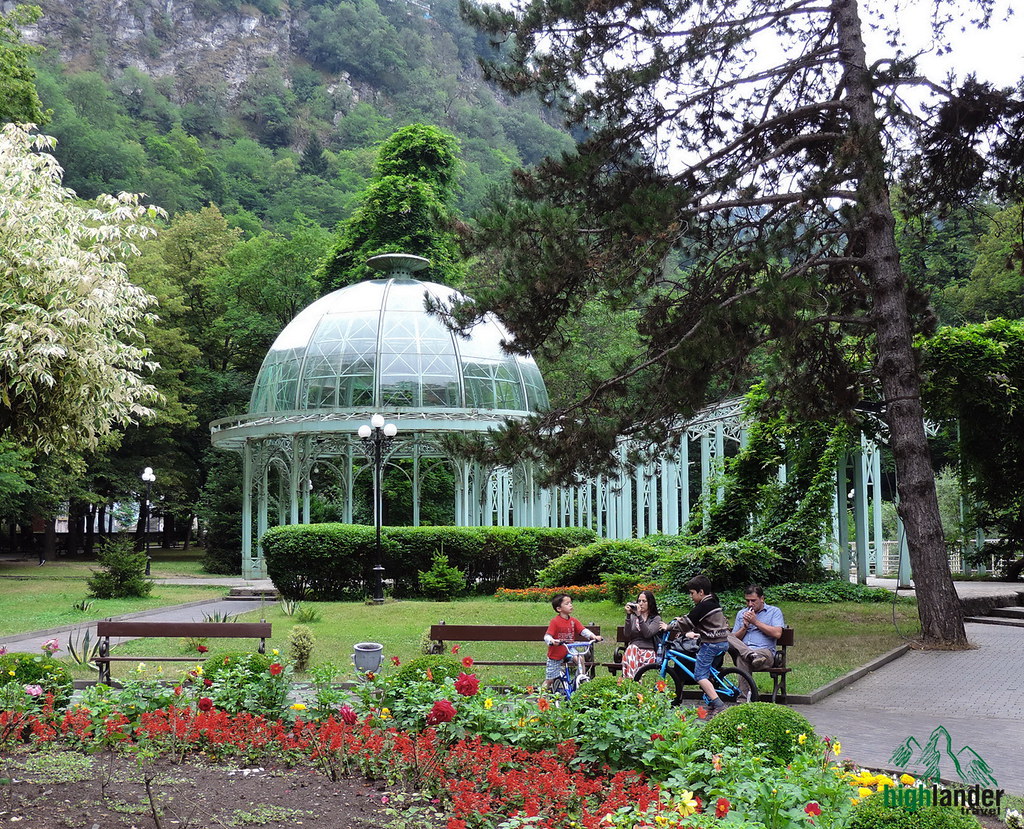
Batumi Boulevard stretches 7 kilometers along the seafront, making it one of the longest seaside promenades in the region. Established in 1884, this elegant strip of gardens, sculptures, and cafes forms the heart of public life in Batumi. Rent a bicycle for around 5-10 GEL per hour and cruise past dancing fountains, Soviet-era mosaics, the Japanese Garden, and dozens of quirky sculptures. In the evening, the whole city seems to gather here, families strolling while the sunset paints the Black Sea in impossible colors.
Watch Ali and Nino’s Daily Dance
Near the northern end of the boulevard stands Tamara Kvesitadze’s kinetic sculpture of Ali and Nino, characters from Kurban Said’s classic novel about star-crossed lovers from Baku. Every day at 7pm, the two metal figures begin their slow rotation, approaching each other, merging briefly, then separating again. It’s become one of Batumi’s most photographed moments. The sculpture works best against a sunset backdrop.
Explore Batumi Old Town
The compact Old Town preserves Batumi’s pre-Soviet character in cobblestone streets and Art Nouveau facades. Start at Europe Square with its replica Medici Fountain and eclectic architecture blending genuine 19th-century buildings with convincing newer additions. Wander through narrow lanes to discover the Apollo Cinema, wooden doors with wrought-iron detailing, and the elegant building nicknamed Stalin’s House. The area rewards slow exploration with frequent stops at cafes along the way.
Ride the Argo Cable Car
The Argo Cable Car climbs 250 meters to Anuria Mountain, offering panoramic views across the city, port, and Black Sea. The 10-minute ride passes over rooftops and through treetops before depositing you at a small entertainment complex with a cafe and viewing platform. Time your visit for late afternoon to catch the transition from daylight to city lights. Tickets cost 30 GEL return.
Alternative Viewpoint: Sameba Church
For a free alternative with arguably better views, make your way to Holy Trinity Cathedral (Sameba Church) on the opposing hilltop. Take a taxi up (around 10 GEL), then walk back down through picturesque villages with the Batumi skyline visible through the trees. The church grounds include a nunnery and expansive viewing terrace. Open until 6pm.
Marvel at Batumi’s Wild Architecture
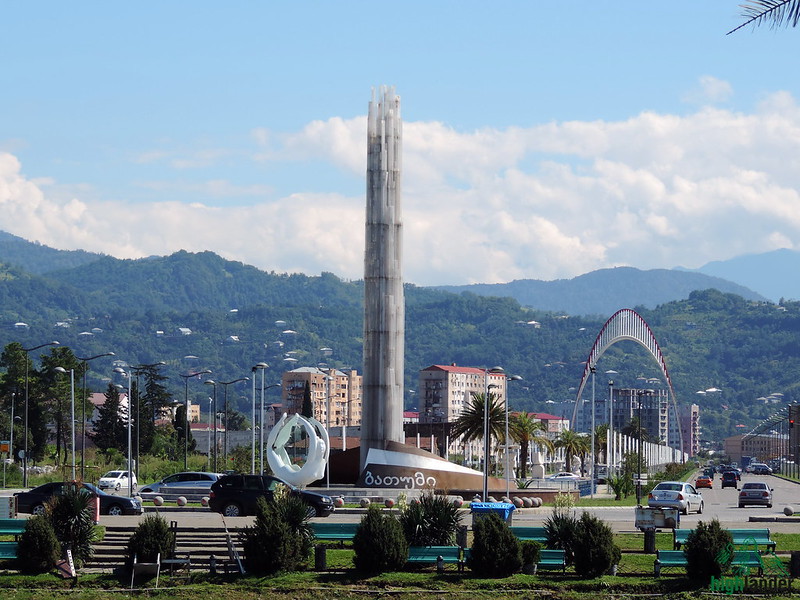
Batumi’s skyline looks like nowhere else on earth. During the 2000s building boom, architects seemingly competed to create the strangest structures imaginable. The Alphabetic Tower wraps Georgian script around a 130-meter scaffold topped with a rotating orb. Batumi Tower embeds an actual Ferris wheel into its upper floors. The McDonald’s near Piazza Square resembles a glass spaceship. Even the Public Service Hall, an Italian-designed cylinder, defies architectural convention. Love it or find it garish, you won’t forget it.
Visit the Batumi Botanical Garden
One of the largest botanical gardens in the former Soviet Union covers steep hillsides 12km north of central Batumi. Nine different climate zones showcase plants from the Caucasus, East Asia, New Zealand, and beyond. Walking trails wind through bamboo groves, citrus orchards, and subtropical forest, occasionally opening to spectacular Black Sea panoramas. Allow half a day. Entrance costs 20 GEL. Bus 31 runs from the city center, or take a taxi for about 15 GEL.
Hunt for Street Art
Batumi’s street art scene has exploded in recent years. Large-scale murals cover building facades throughout the Old Town and the residential streets behind 6 May Park. Look for sea-themed works by local artists alongside pieces by international painters from Iran, France, and elsewhere. Some of Georgia’s biggest murals hide in unexpected corners of Batumi. A self-guided street art walk takes 2-3 hours.
Discover Soviet Mosaics
The dolphin mosaic outside the Dolphinarium represents one of Georgia’s finest surviving examples of Soviet monumental art. Created in 1974, it depicts swimmers and sea creatures in vivid blues and greens. Another mosaic adorns the ferry terminal near Batumi Marina, showing sailing ships and Poseidon. These works face uncertain futures, making documentation and appreciation important before potential restoration or demolition.
Visit Orta Jame Mosque
Adjara’s Islamic heritage survives in Orta Jame, Batumi’s only functioning mosque. Built in 1866, the white minaret towers over the Old Town. The interior features impressive wooden carvings and colorful plasterwork recently restored to its original vibrancy. Visitors are welcome outside prayer times. Dress modestly. The mosque stands as a reminder of Adjara’s cultural diversity, with churches, a synagogue, and the mosque all within walking distance of each other.
Explore Batumi’s Museums
The Batumi Archaeological Museum on Chavchavadze Street houses artifacts from ancient Greek and Roman settlements along the Black Sea coast. The collection includes painted pottery, gold jewelry, and clay amphorae dating to the 5th century BC. Open daily except Monday, entrance 6 GEL. Other worthwhile museums include the Nobel Brothers Technological Museum documenting Batumi’s oil industry history, and the Ethnographic Museum Borjgalo in the city’s south, an immersive journey through Adjarian folk culture.
See Wild Dolphins
A resident pod of bottlenose dolphins frequents the waters near Batumi pier. Your best chance of spotting them comes during golden hour around the port area. Skip the Dolphinarium and instead watch these magnificent creatures in their natural habitat. The seafront promenade near Ali and Nino offers good viewing opportunities.
Watch the Dancing Fountains
Every summer evening at 8:30pm, the artificial lagoon behind Batumi’s stadium transforms into an elaborate water show. Fountains shoot synchronized to music ranging from Beethoven to Georgian folk melodies. It’s unashamedly touristy but undeniably fun. The show runs throughout summer and attracts big crowds, so arrive early for a good spot.
Browse Batumi Central Market
The agricultural market reveals Adjara’s bounty in colorful abundance. Fresh produce, local cheeses, churchkhela (grape and nut sweets), spices, honey, and Georgian tea fill the stalls of this immaculate warehouse near the bus station. Hand-painted signs mark each section. Come in the morning when vendors arrange their displays. Even if you don’t buy anything, the atmosphere alone justifies the visit.
Experience Batumi Fish Market
For the freshest seafood in Georgia, head to the fish market past the port. The routine works like this: choose your fish from the market vendors, have it cleaned and scaled, then take it next door to a restaurant where they’ll fry it while you wait. Red mullet is the local favorite. Order a cold beer, watch the fishing boats, and wait for your meal. Simple perfection.
What to Eat in Batumi: Adjarian Cuisine

Adjara’s cuisine ranks among Georgia’s richest regional traditions. The subtropical climate, Ottoman influence, and dairy-loving mountain culture combine to create dishes found nowhere else in the country.
Adjarian Khachapuri
The boat-shaped khachapuri Adjaruli has become Georgia’s most recognizable dish internationally. A bread boat filled with molten cheese, crowned with butter and a raw egg that you stir into the hot mixture at the table. It originated in Batumi’s harbor, supposedly designed to represent the sea and fishing boats. Restaurants compete fiercely over who makes the best version. Laguna and Retro are reliable favorites.
Borano
Sometimes called Georgian fondue, borano combines local sulguni cheese with hot butter until the cheese becomes stretchy and golden. Modern versions add corn flour, potato, or egg to lighten the dish. It’s decadent, rich, and completely addictive. BatuMarani serves an excellent version prepared according to traditional village recipes.
Sinori and Achma
Two more cheese-heavy Adjarian specialties. Sinori arranges rolls of thin lavash bread with cottage cheese and butter, baked until the edges crisp. Achma layers the same components lasagna-style. Both are rich enough to share as starters before tackling a khachapuri.
Chirbuli
Adjarian breakfast eggs swimming in a spicy walnut and tomato sauce. Similar to Turkish menemen but with a distinctly Georgian character from the walnut and herb paste. A perfect morning-after cure.
Iakhni
A rich beef stew traditionally associated with Kobuleti, just up the coast from Batumi. The sauce uses walnuts and spices to create something between a curry and a traditional Georgian kharcho soup. Warming and substantial, perfect for rainy Batumi days.
Fresh Seafood
Fish from the Black Sea defines Batumi’s restaurant scene. Red mullet fried simply with garlic remains the classic choice. Trout from mountain streams often appears stuffed with walnuts. The fish market restaurants serve the freshest catches, while Fishlandia near the port offers slightly more refined preparations with excellent garlic sauce.
Where to Eat in Batumi
Traditional Adjarian: BatuMarani, Cafe Adjara, Laguna
Best Khachapuri: Laguna, Retro
Best Khinkali: Khinkali Ludi (unmarked local spot behind Batumi Plaza)
Seafood: Batumi Fish Market restaurants, Fishlandia
Cafe culture: Rhino Coffee, Coffeetopia, Erti Kava, Freeduchio
Fine dining: Fanfan, Oval, Radio Cafe
Day Trips from Batumi
Batumi makes an excellent base for exploring the wider Adjara region and neighboring Guria. These excursions reveal a completely different Georgia from the resort city atmosphere.
Gonio Fortress
Just 12km south of Batumi, Gonio Apsaros preserves one of the oldest and best-maintained Roman fortifications in the region. The castle dates to the 1st century AD and continued serving various empires for centuries. Archaeological excavations have revealed important burial sites and artifacts. The fortress takes about an hour to explore. Combine it with swimming at Gonio Beach or the hike up to Gonio Cross for sunset views. Bus 16 runs from central Batumi. Entrance 5 GEL.
Gonio Cross Hike
The best short hike near Batumi climbs through villages and forest above Gonio to reach a hilltop viewpoint marked by a large cross. The trail takes 1.5-2 hours each way and rewards hikers with spectacular sunset panoramas over the Black Sea coast. Start from Gonio village and follow the path through orchards and woodland. Bring water and allow time to descend before dark.
Sarpi and the Turkish Border
Cycle or bus down to Sarpi to see Batumi’s most photographed piece of architecture, the dramatically futuristic border checkpoint. The village itself has a small beach and several restaurants. Bus 14 runs the 20km route for about 1 GEL. Alternatively, rent a bicycle and make a scenic half-day ride through coastal villages.
Makhuntseti and Mirveti Waterfalls
Two beautiful waterfalls cascade through forested hills southeast of Batumi, offering refreshing swimming spots on hot days. The historic Queen Tamar stone bridge arches nearby. Organized tours run during summer, or hire a car to explore independently. Combined with a wine tasting at a family cellar, this makes a perfect day away from the beach crowds.
Mtirala National Park
Dense, primeval forest blankets the mountains 30km northeast of Batumi. Mtirala means “crying” in Georgian, named for the near-constant rainfall that creates this subtropical jungle environment. Hiking trails cross rope bridges over rushing streams. A visitor center in Chakvi village provides maps and information. Allow a full day for exploration. Marshrutkas run from Batumi, or join an organized tour.
Machakhela National Park
Following the Turkish border into the mountains, Machakhela preserves some of Georgia’s most pristine Colchic forest along with a fascinating local culture. Villages in the valley maintained a centuries-old tradition of gunmaking. The ethnographic museum showcases this heritage alongside traditional architecture. Remote and beautiful, Machakhela rewards travelers willing to venture off the tourist trail. A car or tour is essential.
Kintrishi Nature Reserve
Higher elevation than Mtirala brings more dramatic mountain scenery to Kintrishi. Rhododendrons bloom across the hillsides in spring. Stone Tamari bridges cross wild rivers. The full-day hike to alpine Tbikeli Lake rewards strong hikers with pristine wilderness. Access requires private transport.
Kobuleti and Kolkheti
North of Batumi, the quieter resort town of Kobuleti offers a more local beach atmosphere. Further on, Kolkheti National Park protects vast wetlands and lakes that earn it the nickname of Georgia’s Amazon. Boat trips explore the waterways teeming with birdlife. The black sand beaches of Ureki and Shekvetili, said to have therapeutic magnetic properties, lie just beyond.
Upper Adjara Wine Route
The mountain villages of Upper Adjara around Keda and Khulo produce Chkhaveri, a distinctive rose wine made from local grapes. Family wineries welcome visitors for tastings, often accompanied by home-cooked meals. Beridze Wine Cellar makes an excellent introduction to natural Georgian winemaking just 20 minutes from Batumi. Contact them through Instagram to arrange visits.
Batumi Beaches

The beaches around Batumi consist almost entirely of smooth pebbles rather than sand. First-time visitors often find this surprising, but you quickly adapt. Water shoes help with beach walking. The upside is clear water and fewer crowds than Mediterranean resorts.
Batumi Beach
The main city beach runs parallel to Batumi Boulevard. Sunbeds and umbrellas are available for rent during summer. Beach clubs, bars, and fairground rides line the shore. Water quality varies depending on currents and crowd levels. This beach suits those who want the full resort experience with cafes and facilities at hand.
Gonio Beach
Cleaner and quieter than Batumi’s main beach, Gonio offers good swimming in front of the ancient fortress. Local restaurants serve fresh fish. Combine beach time with fortress exploration for a perfect half-day excursion. Bus 16 from central Batumi.
Ureki and Shekvetili Black Sand Beaches
About an hour north of Batumi, these beaches feature striking black magnetic sand said to have healing properties. The coarse dark sand makes a dramatic change from Batumi’s pebbles. Water is generally calmer and warmer here. Marshrutkas run regularly from Batumi bus station.
Batumi Nightlife
Batumi transforms after dark. The boulevard fills with evening strollers, rooftop bars catch golden hour light, and casinos glitter through the night.
Sky Bars
Clouds at the Radisson Blu Hotel offers the best rooftop drinking experience, with an open terrace overlooking the city and sea. Skip the overpriced Alphabetic Tower restaurant in favor of Clouds’ superior views and ambiance. The sky bar at Kartuli Hotel provides another excellent sunset spot with panoramic Black Sea views.
Wine Bars
Georgian Naturale Wine and Food showcases excellent natural and qvevri wines from across Georgia, with knowledgeable staff to guide selections. Garage Wines pairs local bottles with cheese platters in the Old Town.
Bars and Pubs
Chacha Time serves craft cocktails and the best burgers in Batumi. Sami Ludi specializes in craft beer. Mary’s Irish Pub attracts expats and English speakers. Freespace and Komuna offer laid-back local atmospheres.
Casinos
Batumi’s casino culture gives it that Las Vegas reputation. Large hotel-casinos line the waterfront, operating 24 hours with no entry fees. Whether gambling appeals or not, wandering through one reveals a slice of Batumi’s glitzier side.
Practical Information
Getting Around Batumi
Central Batumi is very walkable. The boulevard, Old Town, and main attractions lie within comfortable walking distance of each other. City buses cover longer distances and run as far as the Botanical Garden and Sarpi border. Buses no longer accept cash, so you’ll need a rechargeable transport card from Spar or Goodwill supermarkets, or pay with an international card at slightly higher rates. Bolt taxi app works throughout the city with reliable pricing.
Money
ATMs are widely available. Credit cards are accepted at most restaurants, hotels, and larger shops. Smaller vendors, markets, and marshrutkas typically require cash. Keep small denominations for transport and market purchases.
Internet and Phone
Fast WiFi is standard in hotels and cafes. Georgian SIM cards from Magti or Geocell offer affordable data packages. Pick one up at the airport or any phone shop in the city.
Safety
Batumi is generally very safe for visitors. Normal city precautions apply, especially around busy nightlife areas. The beach sees occasional petty theft during peak summer. Georgian hospitality culture means locals are typically helpful if you encounter any problems.
Travel Insurance
As of January 2026, Georgia requires all foreign visitors to present valid travel health insurance upon arrival. Ensure your policy meets the requirements before flying.
Typical Costs
Budget travelers can manage on 80-100 GEL (around 25-30 EUR) daily with hostel accommodation, street food, and public transport. Mid-range spending of 150-250 GEL allows comfortable hotels, restaurant meals, and organized tours. Batumi becomes significantly cheaper outside summer peak season.
Frequently Asked Questions
Is Batumi worth visiting?
Batumi offers a unique blend of beach relaxation, architectural curiosity, excellent food, and access to beautiful nature that makes it worth including on any Georgia itinerary. The city rewards visitors who look beyond the obvious beach and casino scene to discover its genuine character.
How many days do you need in Batumi?
A minimum of 2-3 days allows you to see the main city attractions and enjoy beach time. Add 4-5 days if you want to include day trips to national parks, waterfalls, and mountain villages. A week permits thorough exploration of the city and surrounding region.
What is Batumi famous for?
Batumi is famous for its bizarre futuristic architecture, the iconic boat-shaped Adjarian khachapuri, the Ali and Nino statue, its position as Georgia’s main beach resort, and its casino scene that earned it the nickname Las Vegas of the Caucasus.
Is Batumi expensive?
Batumi is moderately priced by European standards, though more expensive than other Georgian cities during summer peak season. Budget travelers can manage on 25-30 EUR daily. Mid-range visitors should budget 50-80 EUR. Prices drop significantly outside summer.
Are Batumi beaches sandy?
Most Batumi beaches consist of smooth pebbles rather than sand. For sandy beaches, head to Ureki and Shekvetili about an hour north, which have distinctive black magnetic sand.
Is Batumi safe for tourists?
Batumi is generally very safe. Standard precautions apply around busy nightlife areas and crowded beaches in summer. Violent crime targeting tourists is extremely rare.
What is the best time to visit Batumi?
September and October (Velvet Season) offer the ideal combination of warm swimming weather, thinning crowds, and reasonable prices. May and June also provide pleasant conditions. July and August bring peak crowds and heat.
How do I get from Tbilisi to Batumi?
The most comfortable option is the train, taking 5 hours and costing 35-50 GEL. Marshrutka buses take 5-6 hours and cost 25-35 GEL. Flights operate seasonally.
What food should I try in Batumi?
Do not miss Adjarian khachapuri (the famous cheese boat), borano (Georgian fondue), fresh Black Sea fish, chirbuli (eggs in spicy walnut-tomato sauce), and locally made Chkhaveri rose wine.
Can you swim in Batumi?
Yes, swimming is possible from May through October, with warmest water temperatures in July-September. The main Batumi beach can be crowded and water quality varies. Gonio beach offers better swimming conditions.
Final Thoughts
Batumi defies easy categorization. It’s a beach resort that rarely feels like one, a post-Soviet city embracing architectural experimentation, a casino destination with genuine cultural depth. First impressions often mislead. The city’s real character emerges slowly, in quiet cafe mornings, sunset walks along the promenade, chance conversations with locals proud of their unique Adjarian heritage.
Give Batumi time. Venture beyond the boulevard. Try the local specialties. Take a day trip into the mountains. You might just discover, as many travelers do, that Georgia’s Black Sea city becomes one of your unexpected highlights.
This guide is published by Georgia-Tours.eu. For personalized Batumi itineraries and guided tours of Adjara region, contact our team.
 Telavi Travel Guide: Georgia's Wine Capital Where Kings Made History