
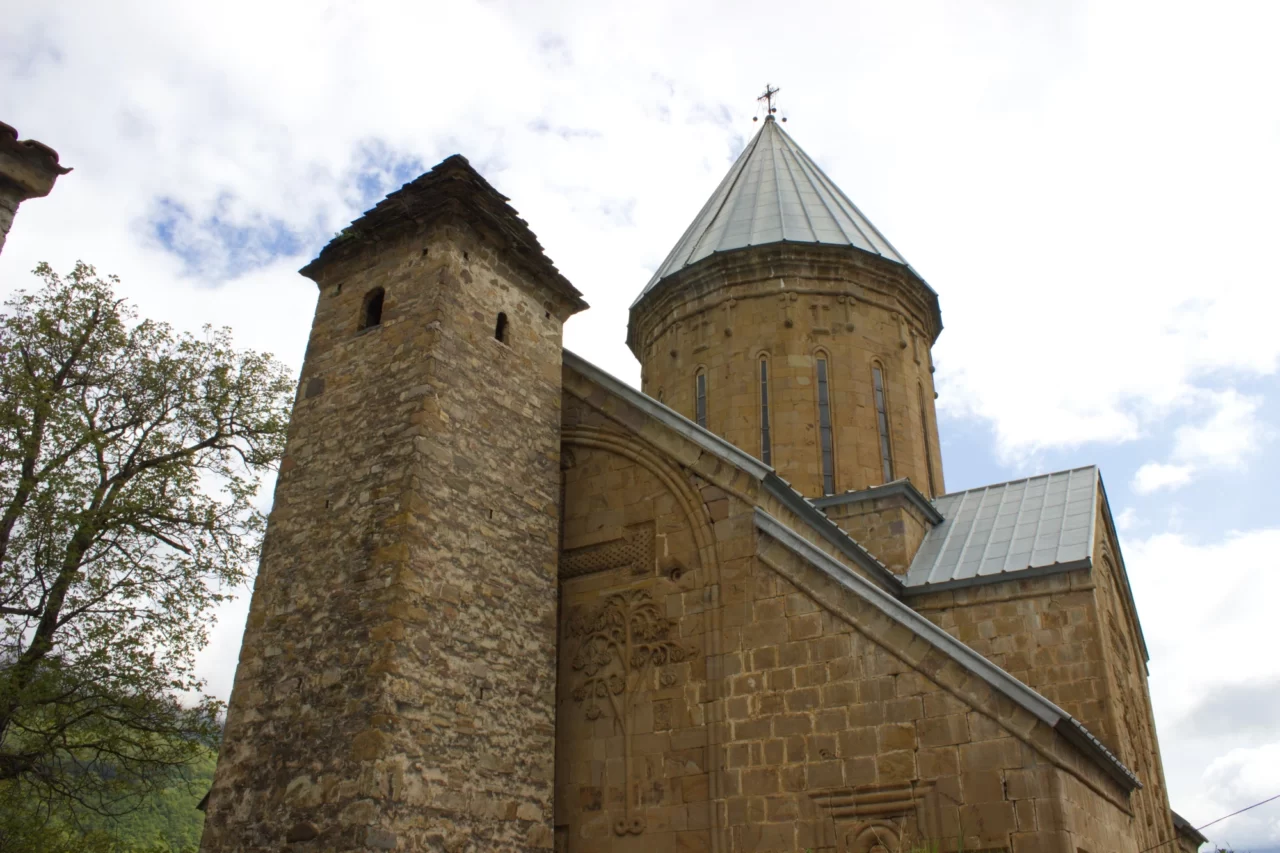
Ananuri Fortress is one of the most memorable stops on the Georgian Military Highway between Tbilisi and Kazbegi. Its stone walls, churches and towers rise above the turquoise Zhinvali Reservoir, combining medieval architecture with one of the best-known road-trip views in Georgia.
The complex is easy to reach from Tbilisi and works equally well as a short independent stop or part of a longer journey to Gudauri and Stepantsminda. Beyond the famous panorama, Ananuri tells the story of the powerful Dukes of Aragvi, who controlled this strategic route through the mountains.
History of Ananuri Fortress
Ananuri served as the castle and administrative centre of the Aragvi eristavis, or dukes, whose territory covered an important approach to the Greater Caucasus. The surviving ensemble developed over several centuries: Georgia’s official tourism portal dates its buildings from the 14th to the 18th centuries and identifies the complex primarily with the architecture of the 16th–18th centuries.
The fortress guarded the road and provided both a residence and a place of refuge. King Erekle II considered Ananuri one of Georgia’s strongest fortresses and sheltered here after the Georgian defeat at the Battle of Krtsanisi in 1795.
Today, Ananuri stands in the Mtskheta-Mtianeti region, about 60–70 kilometres north of Tbilisi. The Zhinvali Reservoir beside it is modern, created during the Soviet period, but its water and forested slopes now form an inseparable part of the view.
Architecture and Main Buildings
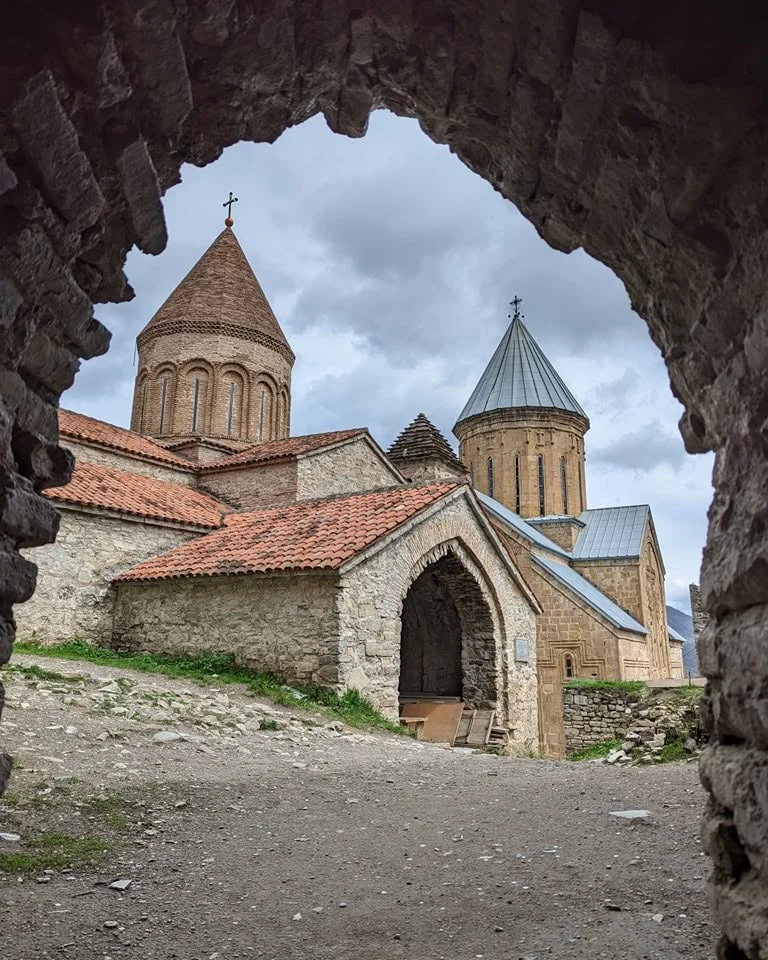
Ananuri consists of upper and lower fortifications joined by defensive walls. The ensemble includes several towers, three churches, a bell tower, secular buildings and water-storage structures. Some sections survive almost intact, while others are visible only as foundations or ruins.
Sheupovari Tower
The tall square tower known as Sheupovari—“the obstinate” or “the stubborn”—dominates the upper fortress. Its thick walls, narrow openings and internal levels reflect the defensive purpose of the complex. When access is permitted, the upper sections provide views across the churches and reservoir, but the stairs are steep and narrow.
Church of the Assumption
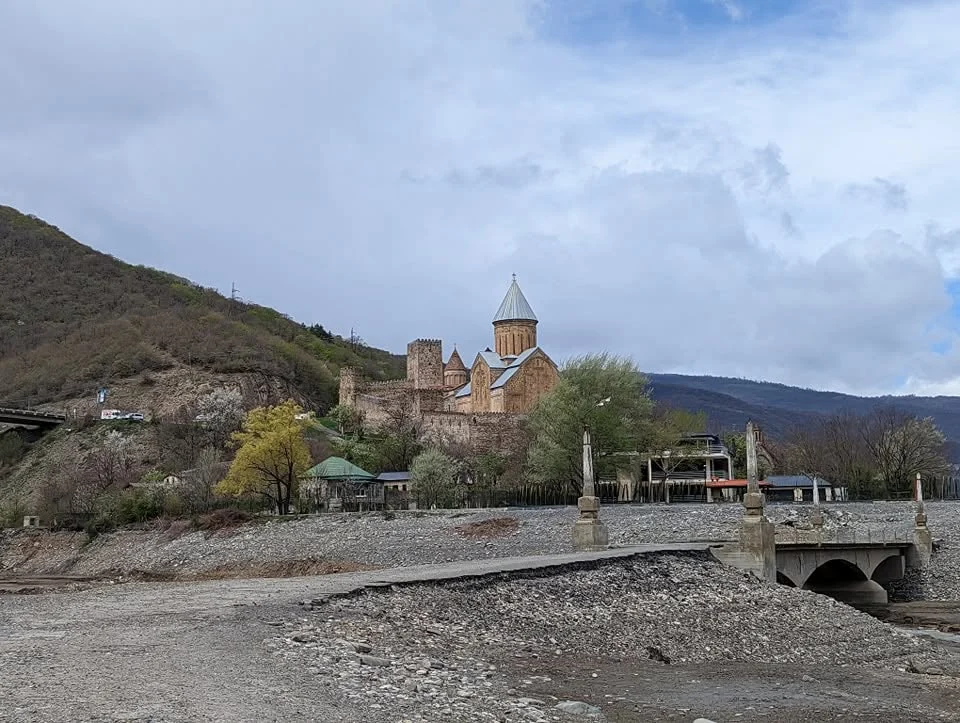
The Church of the Assumption, built in 1689, is the architectural centrepiece of Ananuri. Its facades are decorated with carved crosses, grapevines, human figures, animals and floral motifs. Inside, fragments of the original fresco cycle survive, including religious scenes associated with the Thirteen Assyrian Fathers.
The church remains an active religious site. Visitors should dress modestly, avoid disrupting services and ask before photographing worshippers.
The Smaller Churches and Lower Fortress
The ensemble also contains the older Church of the Virgin, where members of the Aragvi ruling family were buried, and the small Mkurnali Church outside the main enclosure. The lower fortress is less complete than the upper section, but its remaining walls help explain the original scale and layered development of Ananuri.
Legends Connected with Ananuri
As with many Georgian fortresses, oral traditions surround Ananuri’s towers, sieges and hidden passages. One well-known legend tells of a secret tunnel that supplied the defenders with water and food during a siege. The story is sometimes retold as a tunnel leading to the modern reservoir, although the Zhinvali Reservoir did not exist in the medieval period.
Other local tales describe betrayal, family conflict and a curse connected with one of the towers. These stories are part of Ananuri’s folklore rather than documented history, but they show how strongly the fortress remains embedded in regional memory.
Visiting Ananuri Fortress
Entrance: Access to the fortress complex is currently free. There is no general admission ticket, although donations to the churches and charges for privately operated activities may apply.
Opening hours: The grounds are generally accessible daily during daylight hours, but published schedules differ and church or tower access can change. Confirm the current situation locally if your itinerary depends on a specific arrival time.
Time needed: Allow 45–90 minutes for the churches, towers, walls and reservoir viewpoints. A quick photo stop takes less time, but it misses much of the architecture inside the enclosure.
What to bring: Wear shoes with good grip because the stone can be uneven or slippery. Bring sun protection in summer and warm layers in winter, when ice and snow may affect steps and tower access.
Parking and Facilities Around Ananuri
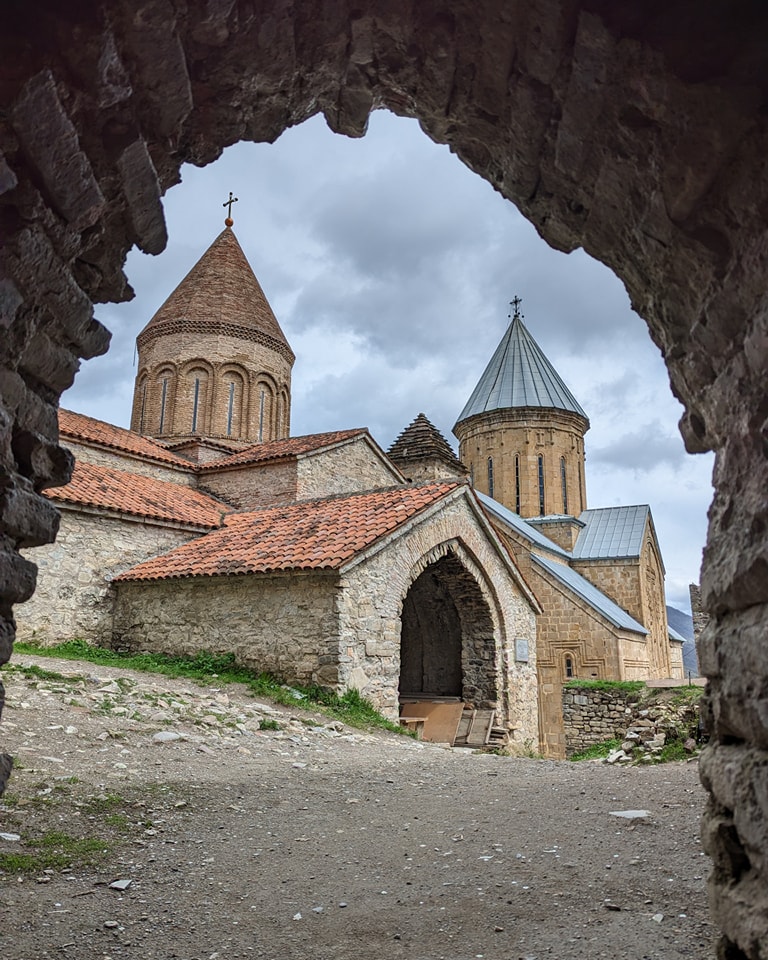
Parking is available beside the complex. Reports about parking charges vary, so carry a small amount of cash and check the posted conditions when you arrive. Roadside stalls usually sell souvenirs, drinks and simple snacks, while public-toilet availability and cleanliness can vary by season.
The shore below the fortress has picnic areas and wide views across Zhinvali Reservoir. Boat trips, horse riding and children’s activities may be offered seasonally by local operators; prices, availability and safety arrangements should be confirmed directly before taking part.
There are small shops in and around Ananuri, but dining choices beside the fortress are limited. Pasanauri, farther north on the Georgian Military Highway, has a wider choice of restaurants and is particularly known for khinkali.
Tours That Include Ananuri Fortress
Ananuri is included in our one-day Kazbegi tour from Tbilisi and our two-day Kazbegi tour. Both routes continue north through the mountain scenery of Gudauri toward Stepantsminda.
If you prefer a lower-altitude itinerary, Ananuri can sometimes be added to a customised Mtskheta, Gori and Uplistsikhe tour. Contact us before booking so the driving time and site schedule can be planned properly.
Frequently Asked Questions
Is there an entrance fee for Ananuri Fortress?
No. Entry to the Ananuri Fortress complex is currently free. Parking, boat trips and other privately operated services may have separate charges.
What are the opening hours of Ananuri Fortress?
The grounds are generally accessible every day during daylight hours, while access to the churches or towers can vary. Published schedules are inconsistent, so check locally or with your guide before making a time-sensitive visit.
How far is Ananuri Fortress from Tbilisi?
Ananuri is approximately 60–70 kilometres north of Tbilisi on the Georgian Military Highway. The drive usually takes around 1 hour 15 minutes to 1 hour 30 minutes, depending on traffic and road conditions.
How much time do I need at Ananuri?
Allow about 45–90 minutes to see the churches, defensive walls, towers and reservoir viewpoints. Photography, crowds and any temporary access restrictions can affect the visit length.
Can visitors climb the towers at Ananuri?
Tower access may be available, but steep steps, narrow passages or conservation work can restrict entry. Follow on-site signs and do not enter closed areas.
Is Ananuri Fortress accessible for visitors with limited mobility?
The exterior and reservoir views are relatively easy to reach from the parking area, but much of the complex has uneven stone, steps and narrow entrances. Full wheelchair access is not available.
What should I wear at Ananuri?
Wear comfortable shoes with good grip and modest clothing for the active Orthodox churches. Shoulders and knees should be covered, and women may be asked to use a head covering inside.
When is the best time to visit Ananuri Fortress?
Spring and autumn offer comfortable weather and attractive landscapes. In summer, visit early in the morning or later in the afternoon for softer light and fewer tour groups.
Conclusion
Ananuri is far more than a roadside photo stop. Its defensive towers, 17th-century church carvings, surviving frescoes and position above Zhinvali Reservoir make it one of the most rewarding historic sites on the journey from Tbilisi to Kazbegi. Take time to enter the churches, walk through the upper fortress and view the complex from more than one angle before continuing north.
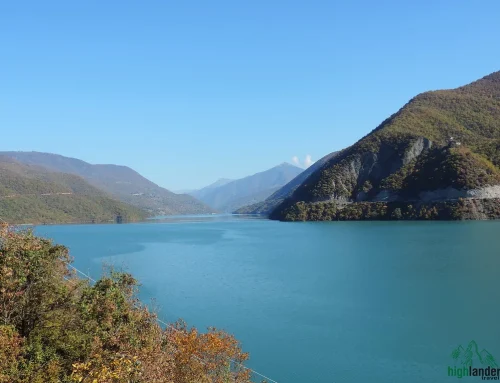
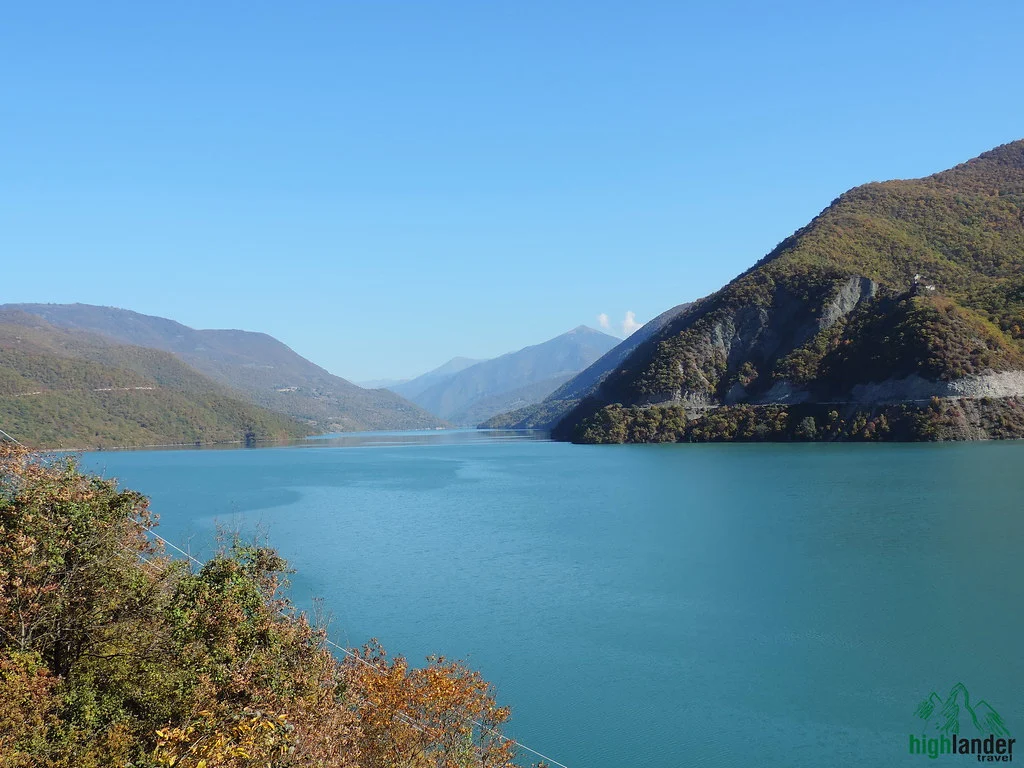
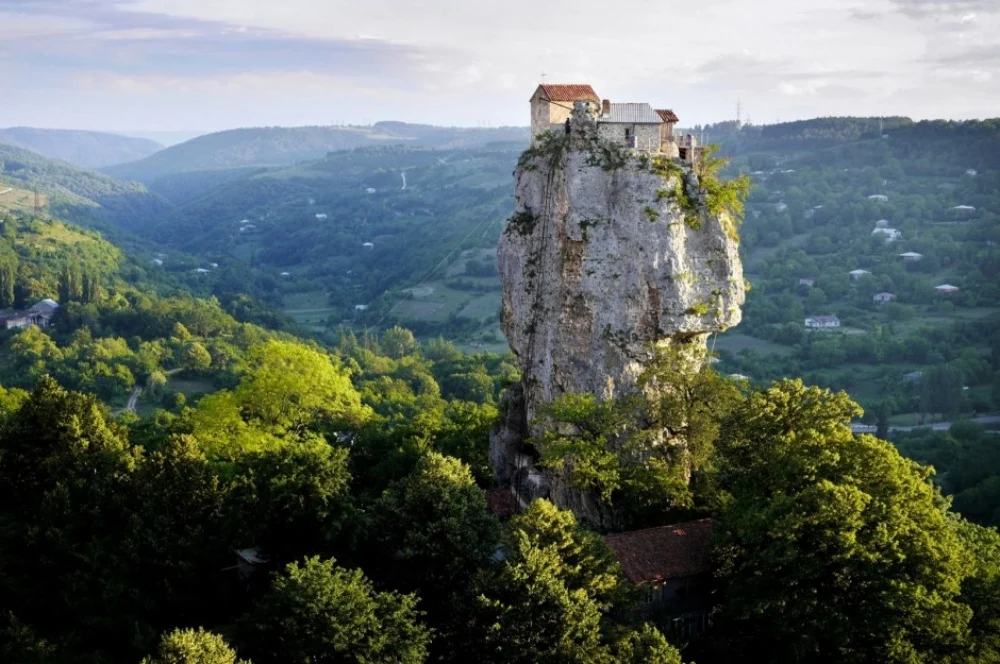
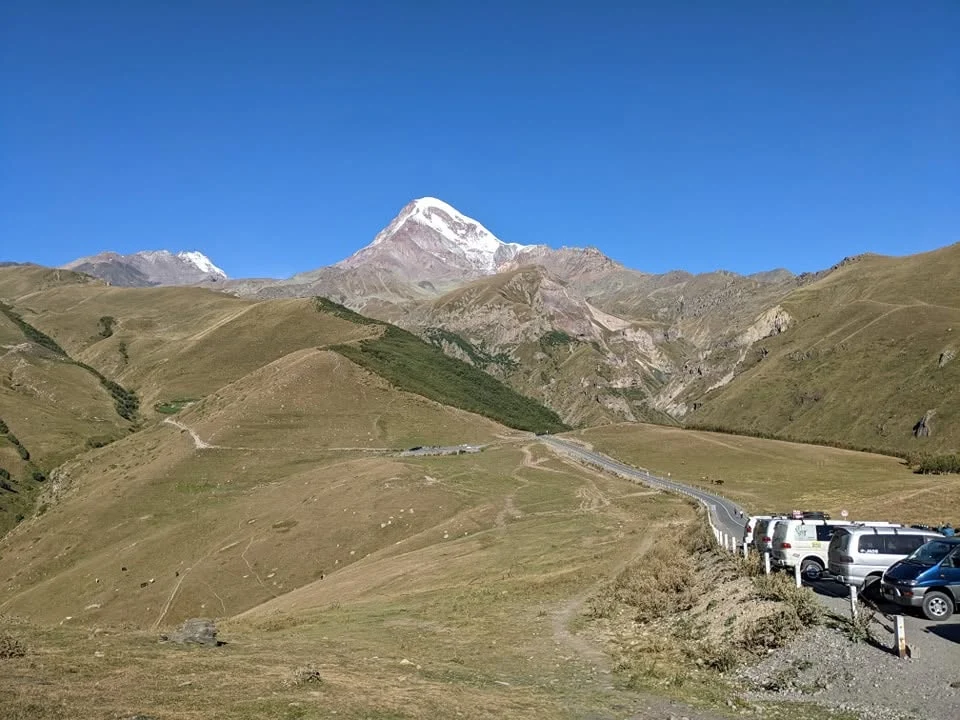
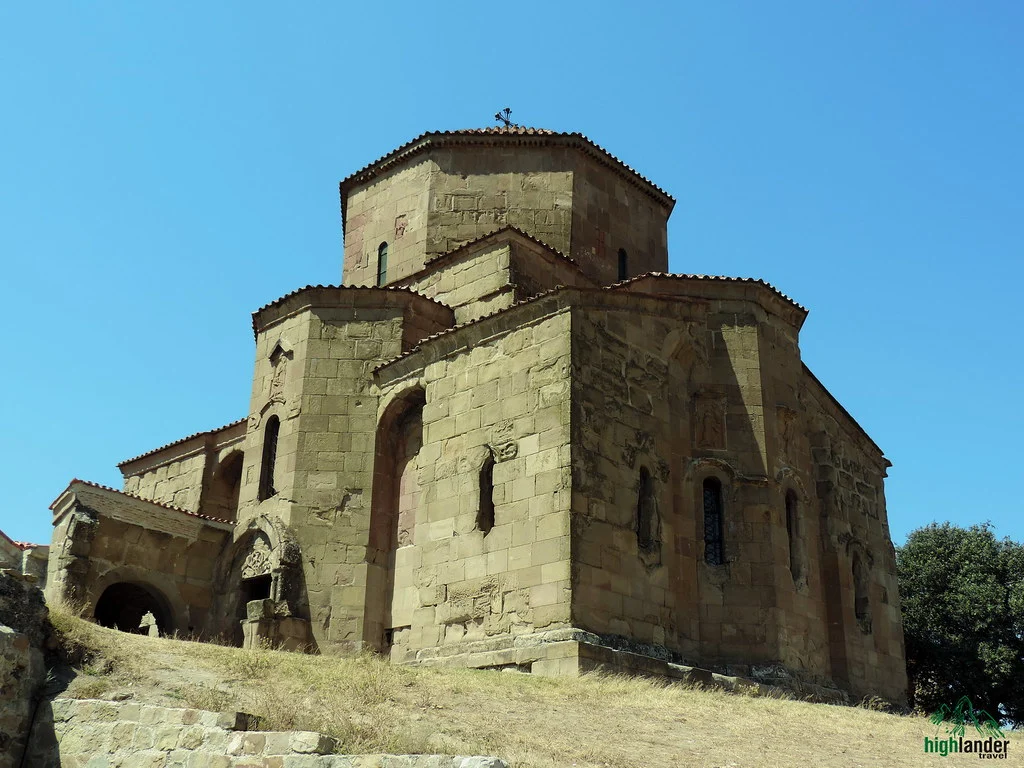
[…] Ananuri Fortress stands above Zhinvali Reservoir approximately 60 km from Tbilisi. The complex controlled an important section of the Aragvi Valley and served the local Aragvi dynasty. Its surviving buildings date broadly from the 14th to the 18th centuries. […]