Zarzma Monastery: Medieval Gem, Frescoes & Jaqeli History, Georgia
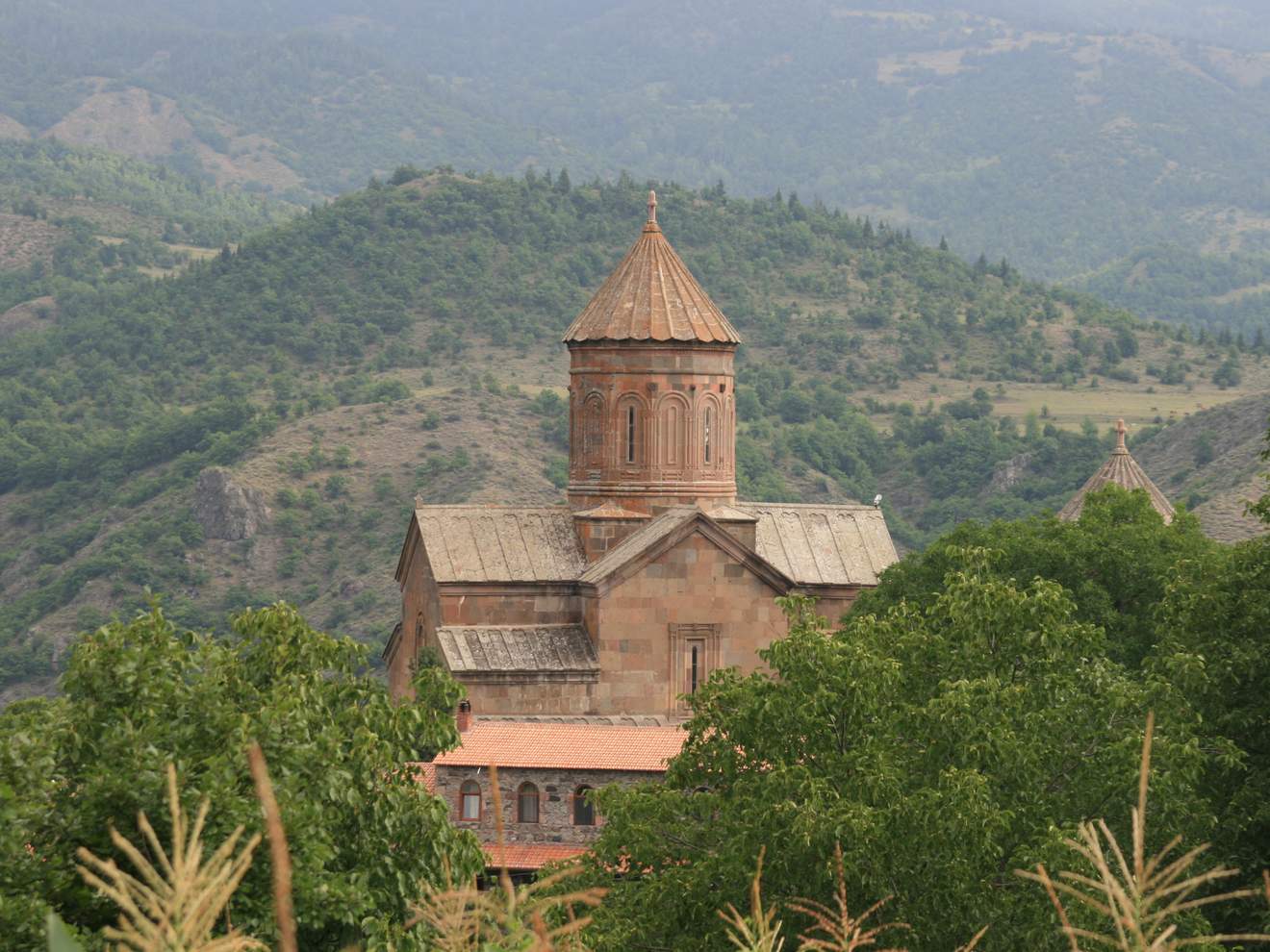
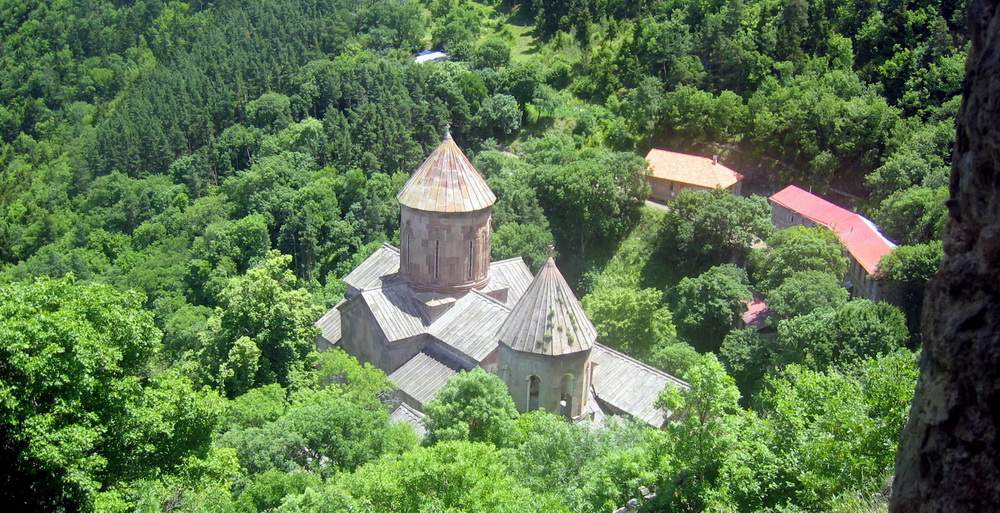
Zarzma Monastery, nestled deep within the picturesque Kvabliani River valley in Georgia’s historic Samtskhe-Javakheti region, is far more than just a place of worship; it is a living, breathing chronicle of medieval Georgia. For travelers seeking authentic history, stunning architecture, and some of the country’s most historically significant frescoes, Zarzma offers an unforgettable journey off the beaten path.
As a crucial stop on any cultural tour of Southern Georgia, this active Orthodox complex stands proudly as a testament to the nation’s enduring faith and artistic genius.
A Legacy Forged in the 8th Century: History & Legend
The story of Zarzma begins long ago, rooted in the early feudal era of Georgia.
The Founding by St. Serapion
The original monastery was established sometime between the 8th and 9th centuries by the revered monk, St. Serapion of Zarzma. According to hagiographic accounts like The Life of Serapion of Zarzma, the monk and his brother, Ioane, were guided by a vision to this remote valley.
Legend holds that when local residents, still clinging to pagan beliefs, resisted the construction of the monastery, a miraculous and terrifying earthquake struck, splitting the mountainside. The terrified locals subsequently named the place Zarzma, a Georgian word meaning “Appalling” or “Horrific,” in humble recognition of the divine power that endorsed the monastery’s creation.
The 10th-Century Military Inscription
While the original 9th-century church did not survive, an incredible piece of early Georgian history remains. Built into the arch of a later chapel entrance is a fascinating 10th-century inscription. This relic records the military support provided by the powerful Georgian ruler, David III Kuropalates, to the Byzantine Emperor Basil II against the rebel general Bardas Sclerus in 979. This single stone slab provides direct, tangible proof of Georgia’s complex geopolitical role in the Byzantine world.
The 14th-Century Architectural Grandeur
The majestic structures that dominate the complex today date primarily from a comprehensive rebuilding effort in the early 14th century. This era marked a renaissance for the monastery, sponsored by the influential Jaqeli family—the ruling house of the Samtskhe Atabegate—specifically under the patronage of Beka I Jaqeli (known as Beka Mandaturtukhutsesi).
The Church of the Transfiguration
The main church, dedicated to the Transfiguration, is a masterpiece of late medieval Georgian architecture. Built in the characteristic “cross-in-square” plan, the domed edifice is constructed from finely hewn stone blocks. The facades are richly decorated, featuring detailed ornamentation around the doors and windows that exemplify the high level of stone carving art in feudal Georgia.
Georgia’s Largest Medieval Bell Tower
Adjacent to the main church stands one of the largest bell towers (belfries) in all of Georgia. Initially built as part of the defensive wall, its robust lower section served as the main entrance. In the 16th century, the new patrons of the monastery, the Khursidze family, converted the lower level into the separate single-nave Church of St. John the Apostle in 1577.
Walls That Speak: The Famous Zarzma Frescoes
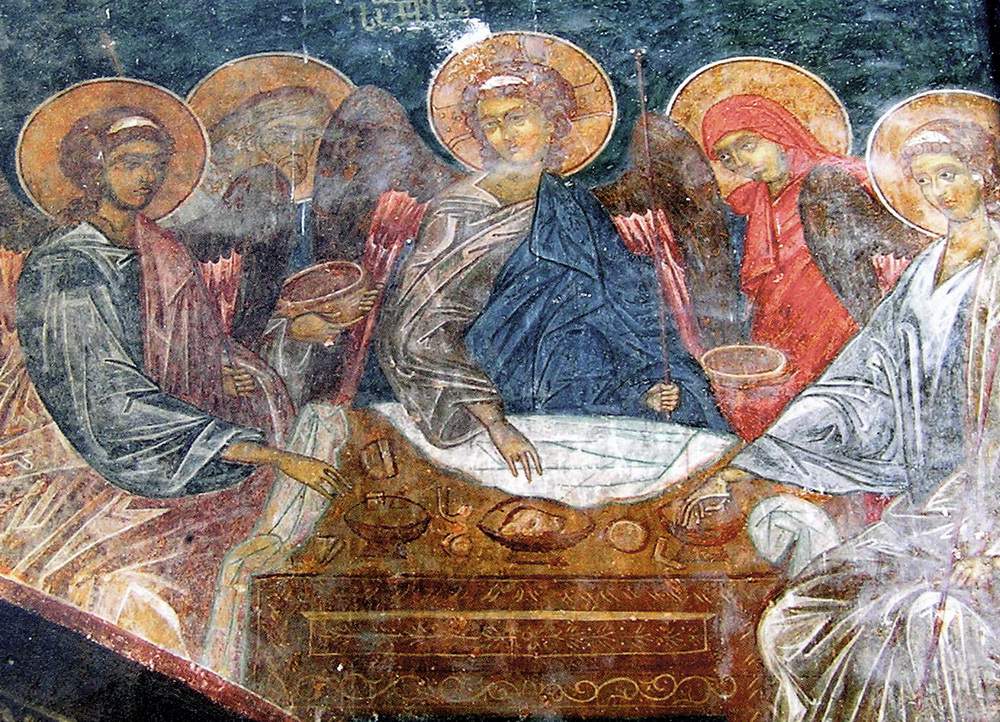
Step inside the main temple, and you are immediately surrounded by the most precious elements of Zarzma—its intricate wall paintings. These frescoes are invaluable for both their artistic merit and their historical documentation.
The Portraits of Royalty and Nobility
Unlike many ecclesiastical murals, which focus solely on religious narratives, Zarzma is famous for its extensive series of secular portraits. These panels vividly depict the founders and benefactors of the monastery, including the 14th-century Jaqeli princes (Sargis I, Beka I, Sargis II, and Qvarqvare I).
Even more intriguing are the 16th-century portraits added by the Khursidze family, featuring historical figures like King Bagrat III of Imereti. These portrayals serve as a remarkable record of the political and dynastic relationships of the time, effectively transforming the church interior into an illustrated history book.
-
A Note on Restoration: The murals underwent restoration at the beginning of the 20th century, commissioned by the Russian Imperial family. While this work preserved the artwork, it did alter the original style and palette in certain areas, adding another layer to the monastery’s complex history.
Planning Your Visit to Zarzma Monastery
Zarzma Monastery is an essential destination on any itinerary exploring Samtskhe-Javakheti. Its remote, forested setting in the Kvabliani Valley makes the journey worthwhile, offering a tranquil escape and a deep dive into Georgian history.
Location and Access
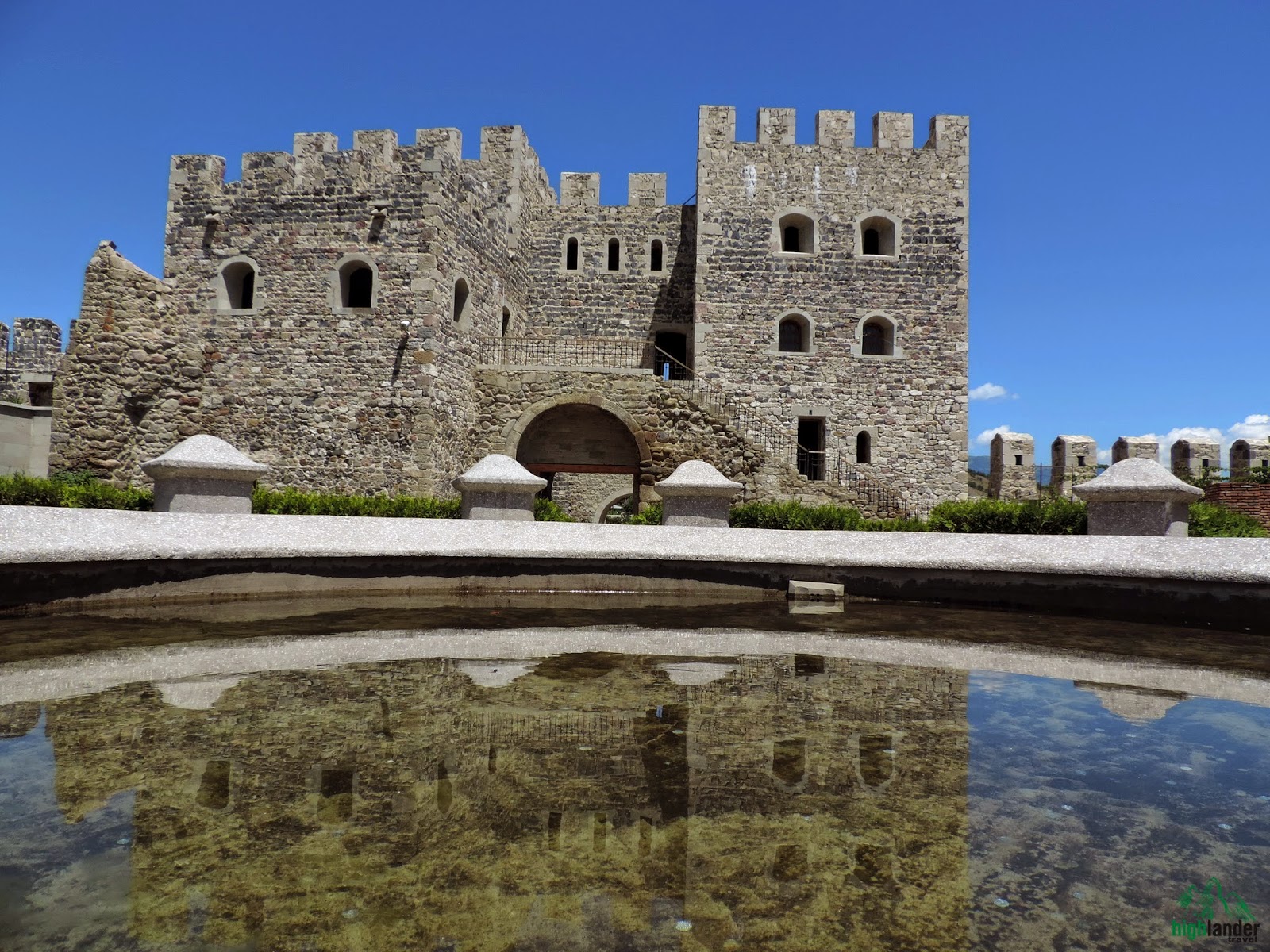
The monastery is located in the village of Zarzma, within the Adigeni municipality, approximately 30 kilometers west of the regional center of Akhaltsikhe (home of the famous Rabati Fortress).
-
Best Way to Visit: Zarzma is often included as a captivating stop on a multi-day cultural tour of South Georgia, linking it conveniently with other nearby historical treasures such as the Sapara Monastery and the incredible cave city of Vardzia. Traveling with an organized tour ensures comfortable transport and expert guidance to fully appreciate the site’s rich historical context.
A visit to Zarzma is a chance to connect directly with the medieval soul of Georgia—a powerful experience we highly recommend for any serious traveler.
Ready to explore the ancient monasteries and stunning landscapes of Southern Georgia? Contact Us Today to Book Your Mystic South Georgia Tour!