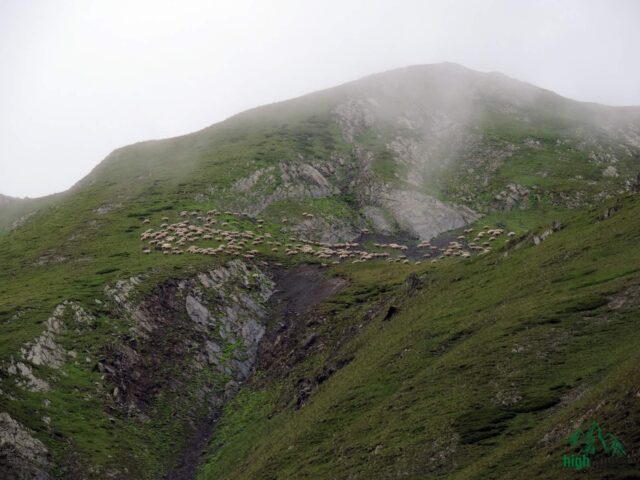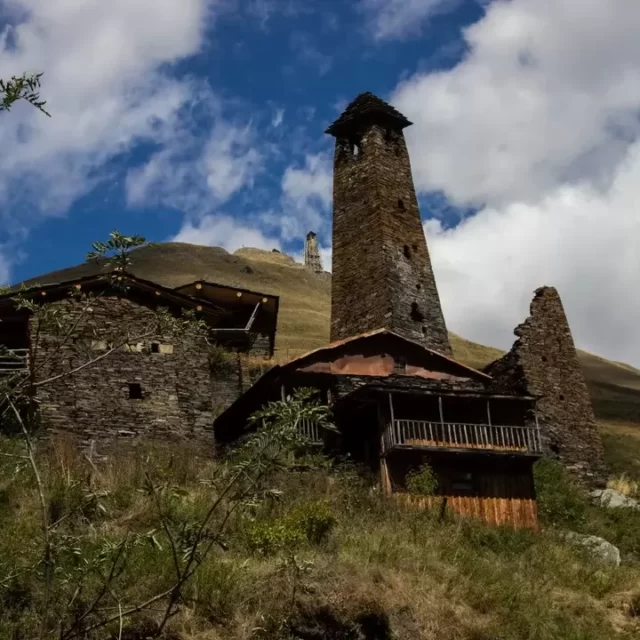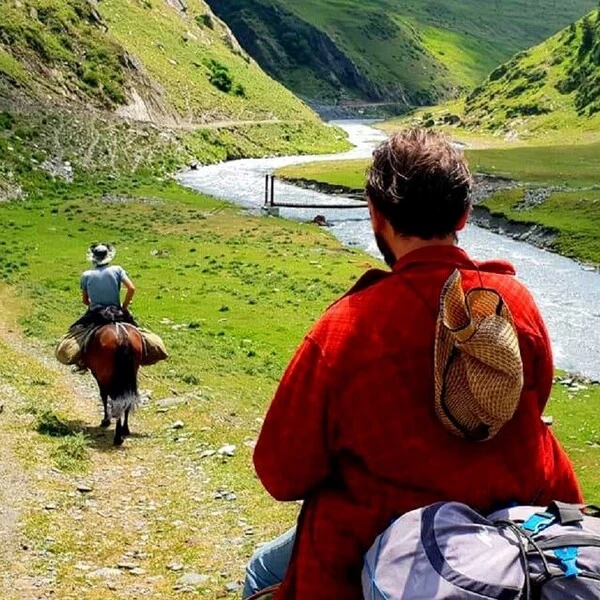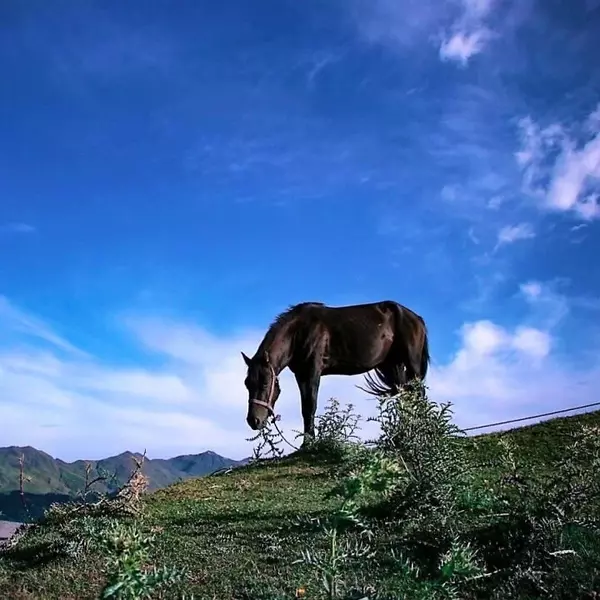
Three days exploring Georgia’s most remote highland region by 4×4 — crossing legendary mountain roads, visiting medieval tower villages, and discovering a world where stone defense towers still guard against threats that haven’t existed for centuries.
Tusheti is unlike anywhere else in the Caucasus. Cut off from the outside world for eight months each year when Abano Pass closes under snow, this high-altitude region has preserved its medieval architecture, pastoral traditions, and fierce independence virtually unchanged. The stone towers of Dartlo and Keselo, the border fortresses of Diklo facing Dagestan, the winding mountain tracks connecting villages that time forgot – all of this becomes accessible by jeep during the brief summer season.
A jeep tour is the most comprehensive way to experience Tusheti. While hikers and horse riders can explore specific valleys in depth, only a 4×4 vehicle can cover the full range of the region’s attractions in three days: from the Gometsari valley’s green meadows to the dramatic tower villages of Pirikiti, from the border fortresses near Dagestan to the museum-quality preserved architecture of Dartlo.
Tour at a Glance
Tour Highlights
Who This Tour Is For
This tour suits: Anyone wanting to experience Tusheti without strenuous hiking – the jeep does the hard work while you enjoy the scenery. Travelers short on time who want a comprehensive overview of the region in just three days. Photography enthusiasts seeking dramatic mountain landscapes and medieval architecture. History and culture buffs interested in Georgia’s most isolated highland communities. Families with children (no minimum age) looking for an accessible adventure.
This tour doesn’t suit: Those very nervous about mountain roads – the Abano Pass road is dramatic, with steep drops and narrow sections. Travelers seeking luxury accommodation – guesthouses are simple with shared bathrooms. Anyone requiring reliable mobile phone coverage – expect to be offline for most of the tour. Those who prefer not to eat meat – while vegetarian options exist, traditional Tushetian cuisine is meat-heavy.
Detailed Day-by-Day Itinerary
We depart Tbilisi early (7:00 AM), heading northeast through the Kakheti wine region. Our first stop is Alaverdi Monastery, one of Georgia’s most important religious sites and architectural masterpieces. This 11th-century cathedral – over 50 meters tall – was the tallest building in Georgia for centuries. The monastery still functions today, and monks produce wine using traditional qvevri methods in the same cellars their predecessors used a thousand years ago.
After a lunch break in the lowlands, the adventure truly begins: the 72-kilometer drive over Abano Pass. At 2,867 meters, this is the highest drivable pass in the Caucasus. The unpaved road clings to cliffsides, crosses rushing streams, and offers views that make photographers weep with joy – and occasionally make passengers grip their seats. Our experienced drivers know every curve of this legendary road.
We arrive in Upper Omalo around 3:00 PM. After settling into the guesthouse and a short rest, we drive to the village of Dochu in the Gometsari gorge – known locally as the “pearl of Gometsari” for its picturesque setting and well-preserved traditional architecture. A short walk through the village reveals traditional houses, old towers, and views across the surrounding mountains.
Return to Upper Omalo for a traditional Tushetian dinner: expect fresh bread, grilled meat, local cheese, and perhaps khinkali (dumplings) filled with mutton – a Tusheti specialty.
Today we explore the Pirikiti Valley – the most remote and dramatic of Tusheti’s four historic communities. The valley stretches northeast toward the Russian border, and its villages contain some of the finest examples of traditional Tushetian architecture anywhere.
First stop is Dartlo, widely considered the most beautiful village in Tusheti (and perhaps in all of Georgia). The stone towers here have been carefully preserved, and the village retains an almost museum-quality atmosphere – yet it’s still alive, with a handful of families returning each summer. Walking through Dartlo’s narrow lanes, between towers that have stood for centuries, is like stepping into the medieval past.
From Dartlo, we continue deeper into the valley: Dano, Kvavlo, Chesho, Parsma, and finally Girevi near the valley’s end. Each village has its own character – some inhabited, some abandoned, all featuring the distinctive architecture that makes Tusheti unique. The road itself is an adventure, crossing streams and traversing slopes that seem impossible for vehicles.
Along the way, we stop to explore on foot. The 4 kilometers of walking are spread across multiple villages, allowing plenty of time to photograph towers, peer into abandoned houses, and absorb the atmosphere of these remarkable settlements. If we encounter shepherds (which is likely), expect an invitation for tea or cheese – Tushetian hospitality is legendary.
We return to Upper Omalo by late afternoon for another traditional dinner.
Our final morning in Tusheti begins with a walk up to Keselo Castle, the iconic fortress complex that dominates the ridge above Upper Omalo. The towers here – some of the best preserved in Tusheti – have become the region’s unofficial symbol, photographed against mountain backdrops on countless postcards and travel blogs. The view from the top spans the entire Omalo valley.
Descending to Lower Omalo (Kvemo Omalo), we visit the Tusheti ethnographic museum, housed in a traditional building. The small but excellent collection includes traditional clothing, household items, weapons, and artifacts that illustrate centuries of mountain life. It’s the perfect context for everything you’ve seen over the past two days.
From Lower Omalo, we drive to the Chagma valley’s border villages: first Shenako with its 19th-century church featuring surviving frescoes, then Diklo perched dramatically on a ridge facing Dagestan. Here we walk to Pichekhi Castles, the fortress complex that once guarded Tusheti’s eastern border. Standing at these walls, looking toward the Russian mountains, you understand why these towers were necessary – and why they stood so long.
Then begins the long descent: back over Abano Pass (equally dramatic going down), through the Kakheti lowlands, and on to Tbilisi. We stop for lunch along the way. Arrival in Tbilisi is typically late afternoon or early evening – end of a memorable journey through one of Europe’s last truly remote mountain regions.
Price Information
Optimal group size: 4-5 persons per vehicle for comfortable travel on mountain roads.
Photo Gallery
Tour Route Map
Tbilisi
Alaverdi Monastery
Abano Pass
Upper Omalo
Dochu
Dartlo
Girevi
Keselo Castle
Shenako
Diklo
Practical Information
The Road
The 72-kilometer road from Pshaveli to Omalo crosses Abano Pass and is considered one of the most dramatic mountain roads in the world. It’s unpaved, narrow in places, and features steep drops. Our drivers have years of experience on this route. If you’re nervous about heights or mountain driving, let us know in advance.
The Season
The road to Tusheti typically opens in mid-June and closes in mid-October, depending on weather. Outside these dates, the pass is blocked by snow and Tusheti is completely inaccessible by vehicle.
Mobile Connection
Very limited in Tusheti. You may get some signal in Omalo (Magti network works best), but in the remote gorges – Pirikiti, Gometsari – there is no coverage at all. Expect to be offline for most of the tour.
Food in Tusheti
Traditional mountain cuisine featuring lamb, beef, cheese, bread, and vegetables. Pork is strictly prohibited in Tusheti – this is a deeply held local tradition predating Christianity. The khinkali (dumplings) here are made with mutton and are considered some of the best in Georgia. Vegetarian options can be arranged with advance notice.
Accommodation
Traditional guesthouses in Upper Omalo. Rooms are simple but clean with basic beds. Bathrooms are shared. Hot water is usually available. The hospitality and home-cooked food are the highlights.
Physical Requirements
Minimal. This is a jeep tour, not a trekking tour. The short walks (2-4 km per day) are on relatively easy terrain. Anyone with basic mobility can enjoy this tour.
What to Bring
Layered clothing (temperatures vary significantly), rain jacket, comfortable walking shoes, camera with spare batteries, sun protection, any personal medications.
Frequently Asked Questions
The Best-Selling Short Tusheti Experience
This 3-day jeep tour is consistently our most popular way to experience Tusheti – and for good reason. It covers three of the region’s four historic valleys, visits dozens of villages and fortress sites, and requires no special physical fitness. The dramatic drive over Abano Pass is itself a highlight, and the contrast between medieval tower villages and 21st-century comfort (you’ll be back in Tbilisi by evening on Day 3) makes this accessible adventure tourism at its best.
Whether you’re short on time, not inclined toward strenuous hiking, or simply want a comprehensive overview before deciding whether to return for a longer stay, this tour delivers the essential Tusheti experience in a compact three days.
Ready to explore Georgia’s most remote region? Contact us to check availability.