Georgian Wine Varieties: From Saperavi to Rkatsiteli and the Rare Grapes You’ve Never Heard Of
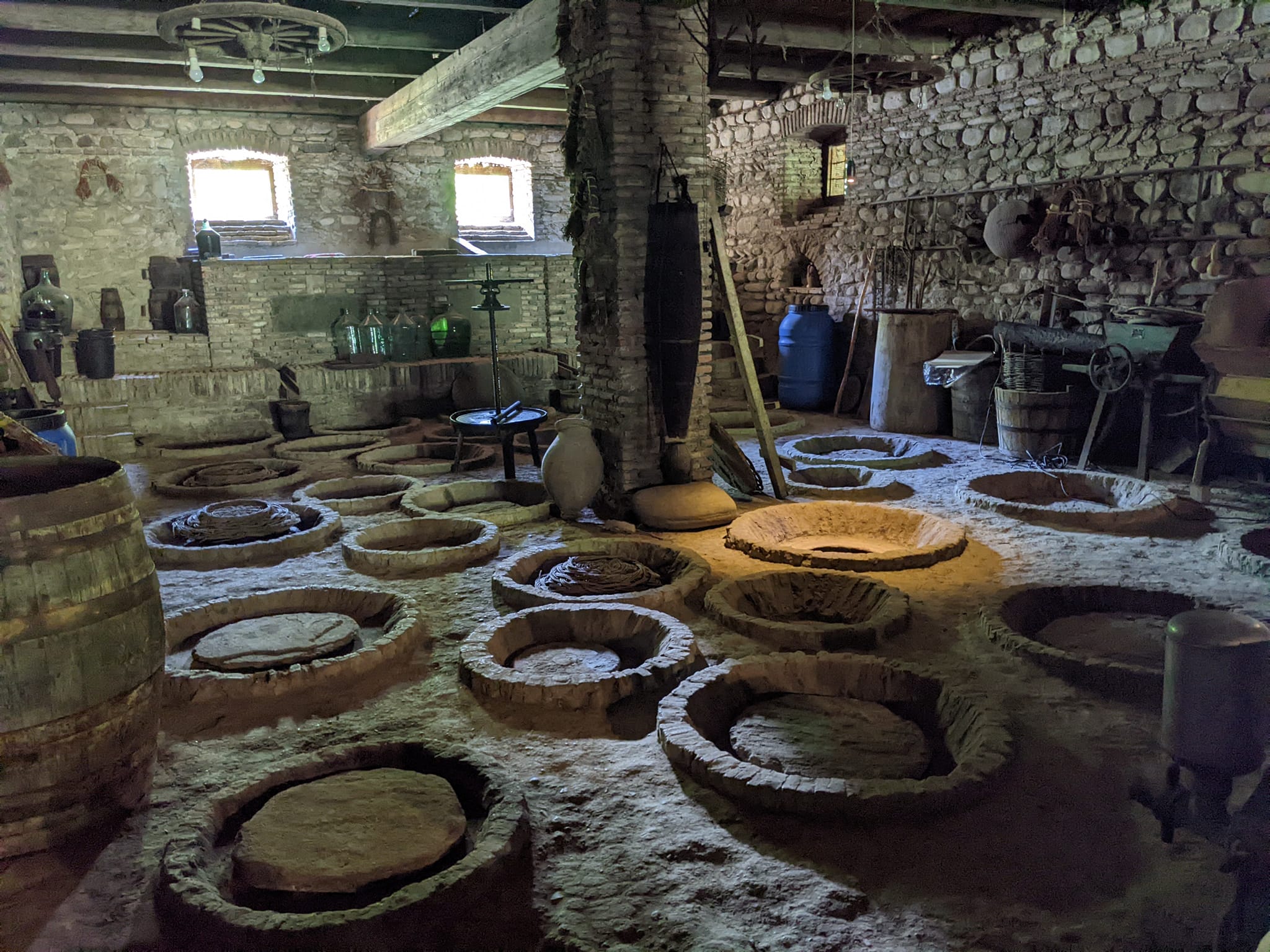
The wine here is 8,000 years old. Not the industry – the method. Clay pots buried in the ground, grape juice left to ferment through a Caucasian winter, pulled out months later as something transformed. Georgians were doing this before the pyramids existed, before writing, before the wheel. And the grapes they used? Most of them are still here – 525 indigenous varieties, give or take, clinging to hillsides and family gardens across a country the size of South Carolina.
Yet when people talk about Georgian wine, the conversation rarely gets past two names: Saperavi and Rkatsiteli. Fair enough – they account for most of what’s planted. But reducing Georgia’s wine story to two grapes is like reducing French cuisine to bread and cheese. Technically correct. Wildly incomplete.
This guide goes deeper. We’ll cover the major varieties that define everyday Georgian wine, the rare grapes that collectors chase, the 20 PDO microzones packed into the Alazani Valley, and the practical details you need if you’re planning to taste your way through the country. Whether you’re a sommelier planning a sourcing trip or a curious traveler who just wants to know what’s in the glass at a Tbilisi wine bar – this is for you.
Understanding Georgian Wine: Two Methods, Two Worlds
Before diving into grape varieties, you need to understand the fundamental split in Georgian winemaking – because the same grape can taste completely different depending on how it’s made.
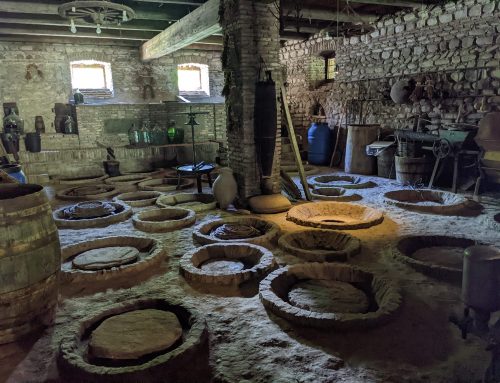
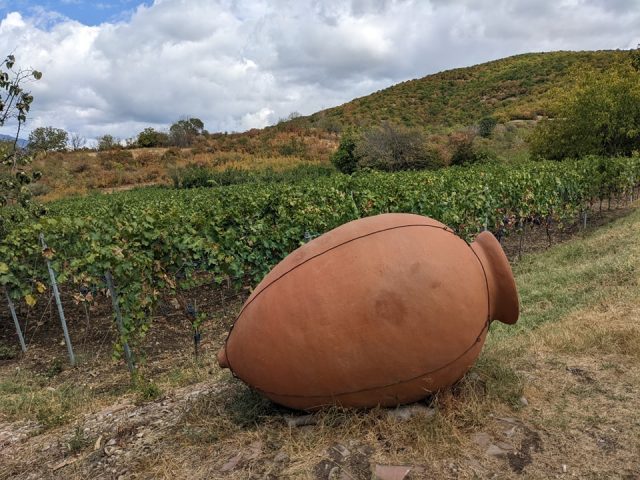
The Georgian (traditional) method uses qvevri – large egg-shaped clay vessels, lined with beeswax inside, buried up to their necks in the floor of a marani (wine cellar). Grapes go in whole – juice, skins, stems, seeds – and the qvevri is sealed with a stone lid and earth. Fermentation happens underground at a naturally stable temperature. White grapes fermented this way for four to six months produce amber wine – deeply colored, tannic, complex, nothing like conventional white wine. UNESCO inscribed this method as Intangible Cultural Heritage in 2013.
The European (classical) method arrived in the 19th century, courtesy of Prince Alexander Chavchavadze at his Tsinandali estate. Grapes are pressed, juice separated from skins relatively quickly, fermentation happens in stainless steel or oak. The results are closer to what Western drinkers expect – crisp whites, structured reds, familiar textures.
Many modern Georgian winemakers work with both methods, sometimes using the same grape variety in each. Tasting a Rkatsiteli made European-style next to a Rkatsiteli amber wine from qvevri is one of the most illuminating wine experiences you can have anywhere.
The Big Two: Saperavi and Rkatsiteli
Saperavi – Georgia’s Red Heart
Saperavi means “the place of color,” and you’ll understand why the moment you pour a glass. This is one of the world’s few teinturier grapes – red flesh as well as red skin – which means it produces wines so deeply colored they’re nearly opaque, staining everything they touch. Your teeth. Your tablecloth. Your memory.
It’s the dominant red variety across Georgia, but Saperavi from Kakheti – particularly from the Mukuzani, Kindzmarauli, and Napareuli microzones – represents the grape at its most accomplished. The wines range from bone-dry, tannic, age-worthy reds (Mukuzani PDO mandates oak aging) to naturally semi-sweet styles (Kindzmarauli) where fermentation stops on its own as cold weather arrives.
What to expect in the glass: Dark cherry, blackberry, plum, often a streak of dark chocolate or black pepper. Young Saperavi can be aggressive – all tannin and muscle. Give a good Mukuzani five to ten years and it softens into something remarkable, developing leather, tobacco, and dried herb notes. The best examples can age for 50 years.
Food pairing: Mtsvadi (pork or lamb skewers over grapevine embers), kharcho beef-walnut stew, lobio with smoked pork. Saperavi needs food with backbone – it will steamroll a delicate dish.
Rkatsiteli – The Chameleon White
If Saperavi is muscle, Rkatsiteli is versatility. It’s the most planted white grape in Georgia – and the most planted grape, period – covering roughly 75% of the country’s white vine area. The name is thought to derive from “red stem” (rkatsi = stem, teli = red), a reference to the vine’s distinctive reddish shoots.
What makes Rkatsiteli fascinating is its range. Made European-style, it produces a crisp, medium-bodied white with green apple, quince, and white peach. Made traditionally in qvevri with extended skin contact, it becomes a full-bodied amber wine with walnut, dried apricot, marigold, and tea-like tannins. Same grape. Completely different wine. Both excellent.
The grape originated in eastern Georgia – possibly as early as the first century – and has since spread to Moldova, Ukraine, Bulgaria, and parts of China. But its truest expression remains in the Alazani Valley, particularly within the Tsinandali and Gurjaani PDO zones.
European-style tasting notes: Citrus, green apple, subtle white flowers, crisp acidity.
Qvevri amber tasting notes: Dried apricot, walnut skin, orange peel, tobacco leaf, tea tannins, long mineral finish.
Food pairing: European-style Rkatsiteli with river trout, khinkali, fresh herbs. Amber Rkatsiteli with satsivi (turkey in walnut sauce), aged cheese, roasted vegetables.
Kakheti’s Supporting Cast: Grapes Worth Knowing
Kisi
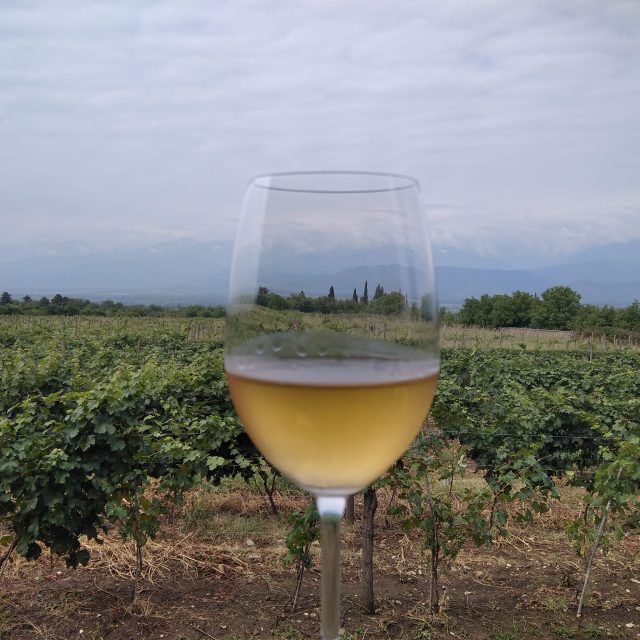
Some ampelographers believe Kisi is a natural hybrid of Mtsvane and Rkatsiteli, which would make it a grape born from Georgia’s two most important white varieties. It ripens before Rkatsiteli – typically in the last two weeks of September – and produces relatively small yields.
Kisi has become the darling of the natural wine world. Made in qvevri, it produces amber wines with intense aromas of ripe pear, marigold, tobacco, and walnut, paired with a tannic grip that’s more pronounced than most amber Rkatsiteli. The best Kisi comes from the Akhmeta district in northwestern Kakheti, where the microclimate is cooler and the grape retains more acidity.
If you visit only one qvevri-focused winery in Kakheti, make sure they pour their Kisi. It’s the grape that converts skeptics.
Mtsvane Kakhuri
“Green from Kakheti” – the name is literal, referring to the greenish hue of the wine. Mtsvane thrives on the calcareous soils across Kakheti’s PDO zones, particularly Tsinandali, Manavi, Gurjaani, and Vazisubani. It ripens early and is recommended for higher-altitude, cooler mountain plantings.
On its own, Mtsvane produces aromatic wines with vineyard peach, fruit-tree blossom, and mineral notes – more fragrant and floral than Rkatsiteli. The Manavi PDO produces a 100% Mtsvane dry white that’s worth seeking out: fresh, aromatic, and finely textured with citrus and wild herbal notes.
More commonly, Mtsvane appears as a blending partner with Rkatsiteli in Tsinandali wines, where it adds aromatic lift and freshness to Rkatsiteli’s body and structure. The PDO rules cap Mtsvane’s share at 15% – just enough to perfume the blend without dominating it.
Khikhvi
Grown primarily around Kardanakhi in eastern Kakheti, Khikhvi is a low-yielding white grape with remarkable sugar accumulation and what producers describe as “exotic” aromatics – box tree, tropical notes, and honey. It’s susceptible to powdery mildew, which keeps plantings limited, but the resulting wines – particularly in the European style – are distinguished and unlike anything else in the Georgian repertoire.
Khikhvi appears in the Kardenakhi PDO, which produces both dry and dessert-style wines. A well-made Khikhvi dessert wine, golden and honeyed, is one of Kakheti’s lesser-known treasures.
The Alazani Valley: A Map of Kakheti’s 20 PDO Microzones
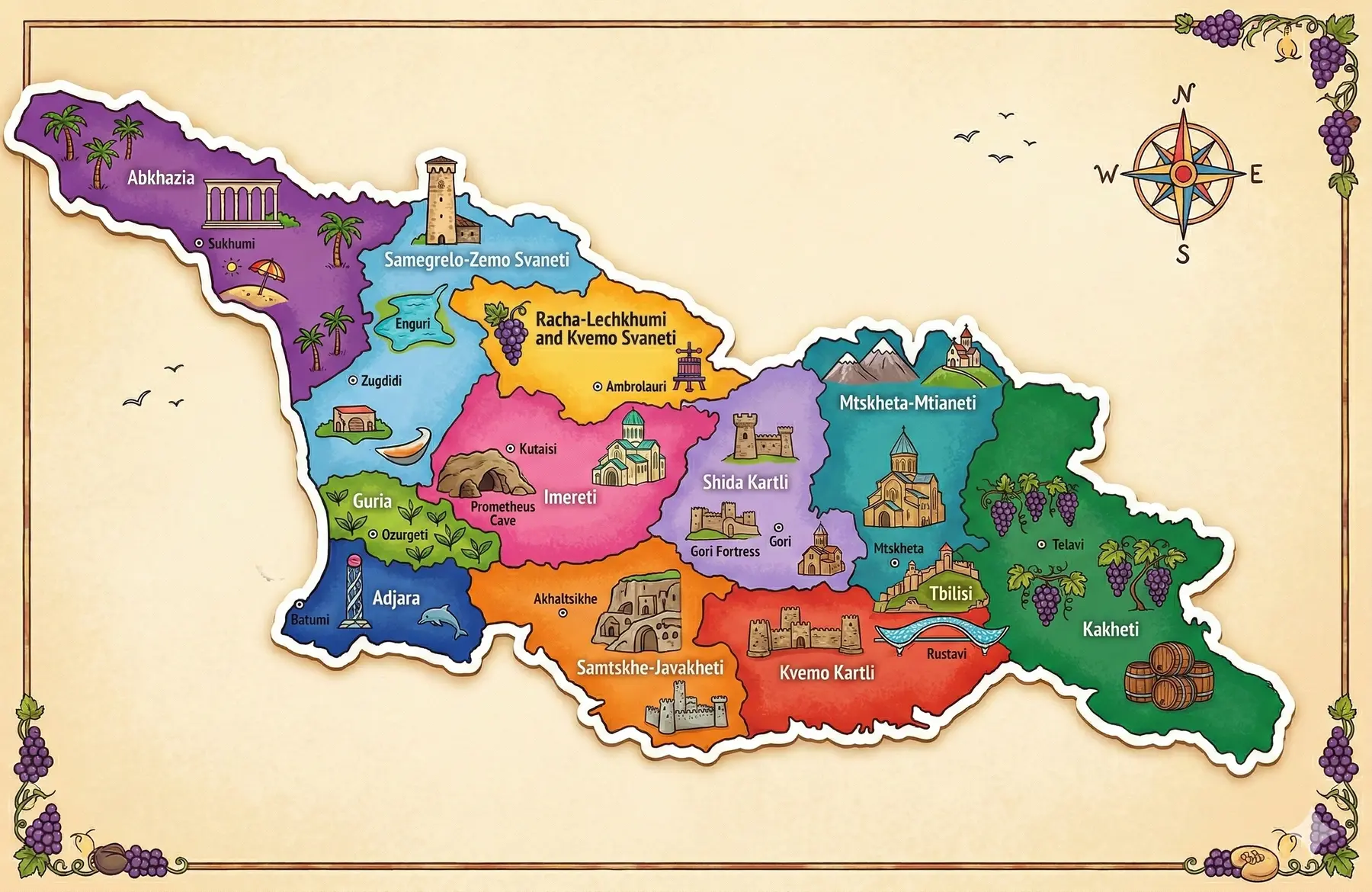
The Alazani Valley runs northwest to southeast between two mountain ranges – the Greater Caucasus to the north and the Gombori range to the south. Along this valley, packed into an area you could drive end to end in two hours, are 20 of Georgia’s 29 protected wine appellations. The density is extraordinary – comparable to Burgundy’s concentration of appellations, if Burgundy also happened to be the oldest wine region on Earth.
The valley divides naturally into two banks, and the distinction matters for what ends up in your glass:
Right bank of the Alazani (southern side, facing the Caucasus): warmer, more sheltered, home to Tsinandali, Vazisubani, Mukuzani, and Akhasheni. Generally produces fuller whites and richer, more structured reds. The soils tend toward alluvial – deeper, more fertile, good for grapes that need warmth and time.
Left bank (northern side, at the foot of the Greater Caucasus): cooler temperatures, more dramatic elevation changes, home to Napareuli, Kvareli, and Kindzmarauli. The Caucasus shadow creates microclimates where grapes ripen slowly, retaining acidity. This is where you find the naturally semi-sweet wines – the cold arrives before fermentation finishes, leaving residual sugar without any winemaker intervention.
Key PDO Microzones You Should Know
| PDO Name | Bank | Wine Style | Grape(s) | What Makes It Distinctive |
|---|---|---|---|---|
| Tsinandali | Right | Dry white | Rkatsiteli + Mtsvane (max 15%) | Georgia’s most historic white PDO. The estate where European winemaking began in Georgia. Balanced, elegant, food-friendly. Vineyards at 300-750m altitude, 653 hectares total. |
| Mukuzani | Right | Dry red, oak-aged | Saperavi (100%) | Considered the flagship of Georgian red wine. Must be fully dry and aged in oak. Dark, structured, age-worthy. 246 hectares at 350-750m. Often compared to quality Bordeaux. |
| Kindzmarauli | Left | Naturally semi-sweet red | Saperavi (100%) | Georgia’s most commercially famous wine. The cold Caucasian foothills halt fermentation naturally, preserving sweetness. Ripe berry and pomegranate flavors. Kvareli district. |
| Napareuli | Left | Dry red and white | Saperavi (red), Rkatsiteli (white) | Produces both colors at high quality. Red Napareuli is bold and structured; white is full-bodied and warm. Cooler exposure than right-bank counterparts. |
| Kvareli | Left | Dry red | Saperavi (100%) | Concentrated, deep Saperavi with significant aging potential. The town of Kvareli is the commercial center of eastern Kakheti wine production. |
| Akhasheni | Right | Semi-sweet red | Saperavi (100%) | Softer and more fruit-forward than Kindzmarauli. Approachable semi-sweet style popular with Georgian families. |
| Manavi | Iori Valley | Dry white | Kakhuri Mtsvane (100%) | The only PDO dedicated exclusively to Mtsvane. Fresh, aromatic, finely textured. Citrus, green apple, wild herbs. South of the Gombori range. |
| Gurjaani | Right | Dry/semi-sweet white | Rkatsiteli | Full-bodied, warm white wines. The town is a major wine production hub. |
| Kardenakhi | Right | Dry and dessert | Rkatsiteli, Khikhvi | One of the few PDOs producing dessert-style wines. Amber and fortified styles from extended skin contact or late harvest. |
| Vazisubani | Right | Dry white | Rkatsiteli + Mtsvane | Similar profile to Tsinandali but from a neighboring microzone with slightly different soil composition. |
| Teliani | Right | Dry red | Saperavi | Elegant, polished reds with refined tannins. Gravel-rich soils near Telavi produce a more restrained Saperavi style. |
| Kotekhi | Right | Dry white | Rkatsiteli, Mtsvane | Balanced, food-friendly whites from the Alazani Valley’s fertile foothills. |
| Tibaani | Right | Dry amber/white | Rkatsiteli | Known for traditional qvevri amber wines with extended skin contact. |
| Khashmi | Iori Valley | Dry red | Saperavi | The closest PDO to Tbilisi – only 45 minutes. Emerging reputation for concentrated Saperavi. |
| Tsarapi | Right | Amber | Rkatsiteli | Near Kardenakhi. Produces amber wines known for complexity and structure. |
Several newer PDOs have been added in recent years – Magraani (for Kisi-based wines from Akhmeta), Zegaani, and Akhoebi – as the Georgian National Wine Agency continues to formalize microzones that winemakers have recognized informally for centuries.
Beyond Kakheti: Georgia’s Rare and Endangered Grapes
Kakheti dominates production – 70 to 80% of Georgia’s wine comes from here. But the rare, endangered, and downright eccentric varieties live elsewhere: in the mountain valleys of western Georgia, clinging to limestone slopes and trained up living trees in a practice called maghlari that predates anything resembling modern viticulture.
Kartli: Central Georgia’s Elegant Alternatives
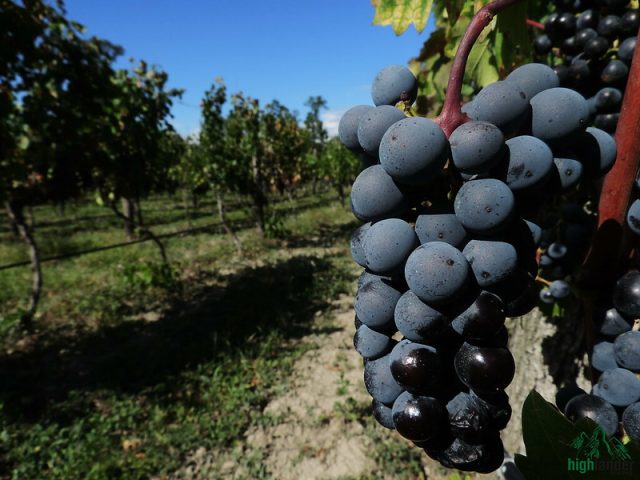
Kartli sits between Kakheti and the western regions, centered on the Mtkvari river valley and its tributaries. The climate is continental, cooler than Kakheti, with limestone-rich soils that produce wines of notable acidity and mineral definition. Where Kakheti does power, Kartli does finesse. The region has 72 registered grape varieties and is home to two PDOs: Atenuri (sparkling) and Bolnisi (still wines).
Chinuri
The star of Kartli winemaking, Chinuri thrives in the alluvial soils along the Mtkvari river, including the Ateni Valley. Known for naturally high acidity, it’s the foundation of Atenuri PDO, a traditional-method sparkling wine from Chinuri and Goruli Mtsvane that holds its own against better-known fizz from elsewhere in Europe. Still Chinuri has wild mint and forest-pear notes with a mineral backbone. It reaches full maturity late, by the end of October. The word “Chinuri” is thought to mean “excellent” or “the best” in old Georgian.
Goruli Mtsvane
Not to be confused with Mtsvane Kakhuri (despite both having “Mtsvane” in the name, they are genetically distinct varieties). Goruli Mtsvane grows in the Kartli region around Gori and the Ateni Valley. It produces crisp, fresh whites with green fruit, white flowers, and a hint of minerality. The grape is essential as a blending partner with Chinuri in Atenuri sparkling wines, providing aromatic lift and delicacy. It also serves as a pollinator for Tavkveri, whose flowers are functionally female and cannot set fruit without a nearby pollen source.
Tavkveri
Indigenous to Kartli, also grown in parts of Kakheti. Tavkveri has that unusual trait: its flowers are functionally female, meaning it must be planted near Chinuri or Goruli Mtsvane to produce fruit. The resulting wines are lighter reds with vibrant pomegranate, red berry, and floral notes. It’s a versatile grape: dry red, rosé, sparkling, even fortified wines. Think of it as Georgia’s answer to Beaujolais in its lighter expressions, though Tavkveri can also show real depth when handled by a skilled winemaker.
Shavkapito
Another Kartli native. The name contains “shavi” (black) and “kapito” (grape cluster), hinting at what it does best: robust, full-bodied, deep-red dry wines with serious pigment. Several modern producers have revived Shavkapito in recent years, and it shows real promise for drinkers who enjoy Saperavi’s intensity but want something less common, with its own personality. Grows well in deep clay and sandy soils.
Western Georgia: Imereti, Racha-Lechkhumi, and the Black Sea Coast
If Kakheti is Georgia’s Bordeaux, then Imereti is its Loire Valley – lighter, higher in acidity, more restrained. Western Georgian winemaking uses a different approach to qvevri, too: skin contact is shorter (typically weeks, not months), producing lighter amber wines and crisper whites. The climate here is subtropical, influenced by the Black Sea, and the grape varieties reflect that entirely different terroir.
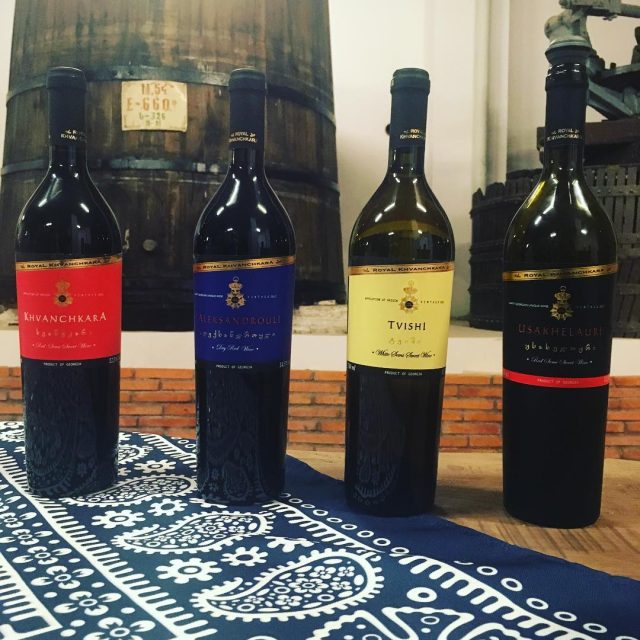
Usakhelauri – “The Grape With No Name”
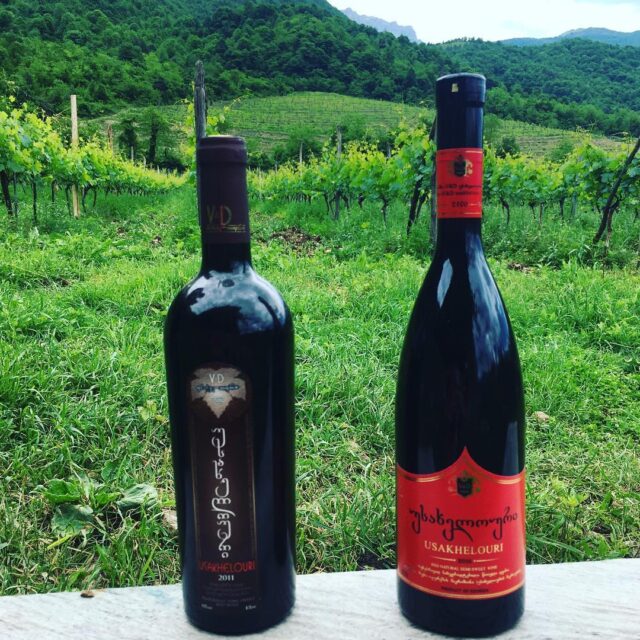
The name translates literally as “nameless” – and the origin story is perfect. Either the grape was discovered growing wild and nobody could identify it, or the wine it produced was considered so fine that winemakers couldn’t find a name worthy of it. Historian Ivane Javakhishvili linked the name to the village of Usakhelo in Lechkhumi, but the mystery persists.
Usakhelauri grows almost exclusively in the villages of Okureshi, Opitara, and Zubi, near Tsageri in Lechkhumi province. The grapes vary in shape and size – unusual for a cultivated variety – which supports the theory of relatively recent domestication from wild vines. They ripen late, develop very high sugar levels while maintaining natural acidity, and at $4-5 per kilogram are several times more expensive than mainstream varieties.
The wine is typically a naturally semi-sweet red with a ruby color, wild strawberry aroma, a distinctive peppery note, and what tasters describe as “velvety inimitability.” At international competitions, Usakhelauri has collected multiple gold and silver medals. Production remains tiny – if you find a bottle, buy it. Some vineyards have recently been planted in Kakheti, but traditionalists insist only Lechkhumi terroir produces the real thing.
Aleksandrouli and Mujuretuli – The Khvanchkara Partnership
These two grapes are inseparable in reputation because together they produce Khvanchkara – arguably Georgia’s most celebrated semi-sweet wine, and reportedly Stalin’s personal favorite (a dubious endorsement, but it stuck).
Aleksandrouli originates from Racha-Lechkhumi in western Georgia and grows exclusively on the sunny, southern, calcareous slopes of the Caucasus in the Ambrolauri and Tsageri districts. It produces soft, low-tannin wines with raspberry and black cherry aromas. On its own, it can make dry or semi-sweet wines, but it’s Mujuretuli that completes the picture – adding body, structure, and depth to the blend.
Mujuretuli is rarely planted alone; it’s almost always interplanted with Aleksandrouli in the limestone and rocky soils along the Rioni River. The Khvanchkara PDO is one of Georgia’s smallest and most controlled, and the resulting wine – dark ruby, fragrant, balanced between sweetness and mountain freshness – commands premium prices.
Chkhaveri – The Climber
The name probably comes from an old Georgian term for “thick, bunchy vine” or “climbing vine abundant with clusters” – which makes sense, because Chkhaveri was historically trained to grow up living trees using the maghlari method: alder, mulberry, or cherry trees serving as natural trellises, lifting grape clusters high above the damp coastal ground to reduce fungal disease.
This pinkish-violet grape grows along the Black Sea coast in Guria and Adjara, ripens late (second half of November), and has thin skins that make it susceptible to downy mildew. It demands careful attention and cooler, south-facing limestone slopes with good airflow. Growing Chkhaveri is not for the impatient or the careless.
But the results justify the effort. Chkhaveri’s versatility is remarkable: it can produce rosé wines with wild strawberry and red currant aromas; skin-fermented amber-rosé wines with hibiscus, rosehip, and berberis notes plus serious tannins; delicate white wines when made without skin contact; and even excellent sparkling wine. Few grapes anywhere offer this range.
Ojaleshi – The Mountain Vine of Samegrelo
Once the dominant variety in the mountainous Samegrelo region of northwestern Georgia, Ojaleshi was nearly wiped out by phylloxera and fungal diseases in the late 19th century. Like Chkhaveri, it was traditionally trained as a maghlari vine up persimmon or alder trees in the upper mountain villages of Guria.
The surviving vineyards produce ruby-colored semi-sweet and sweet wines with a red-fruit bouquet and spicy undertones. The Salkhino PDO protects Ojaleshi wines from Samegrelo, though production remains limited. If you see it on a wine list in Tbilisi, order it – you may not get another chance for a while.
Otskhanuri Sapere – The “Other” Coloring Grape
The name shares a linguistic root with Saperavi (both relate to “color”), but Otskhanuri Sapere is genetically distinct and grows in Imereti, western Georgia. It produces medium-bodied reds with high acidity – lighter and more nimble than Saperavi, with bright red-fruit notes. Increasingly popular with natural winemakers looking for alternatives to Saperavi’s dominance.
Tsolikouri
The leading white grape of western Georgia, Tsolikouri thrives in Imereti and Lechkhumi. It produces wines with bright acidity, floral aromatics, and a lighter body than Rkatsiteli. The Tvishi PDO in Lechkhumi makes a naturally semi-sweet Tsolikouri that’s floral, gently textured, and truly refreshing – the polar opposite of the heavy amber wines from Kakheti.
Tvishi – the Microzone
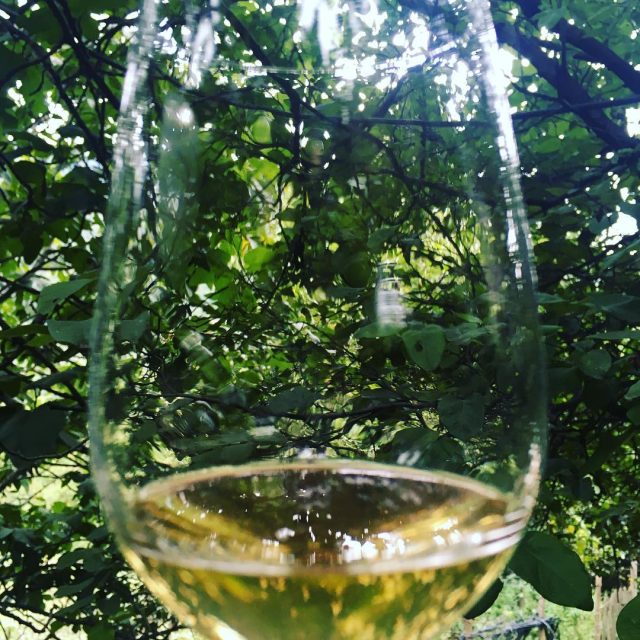
Tvishi is a tiny PDO in the Lechkhumi region, tucked into the narrow gorge of the Rioni river between steep forested mountains. The vineyards sit at 500-800 meters altitude on south-facing slopes, with a microclimate that’s warmer and more humid than the surrounding highlands. This particular combination of heat during the day and cool mountain air at night allows Tsolikouri grapes to ripen slowly, building high natural sugars while keeping acidity intact.
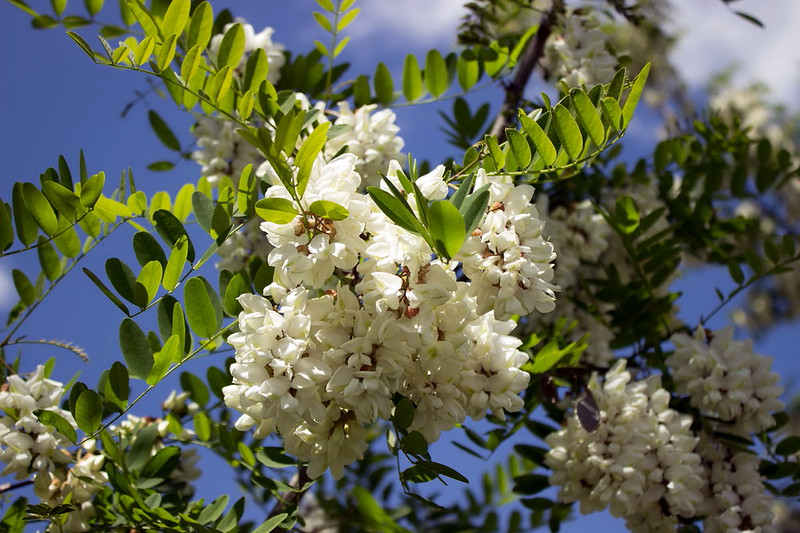
The result is a naturally semi-sweet white wine that stops fermentation on its own as winter temperatures drop – the same principle as Kindzmarauli, but with a white grape. Tvishi wine is pale straw to light gold, with aromas of white peach, acacia blossom, quince, and honey, balanced by a fresh acidity that keeps the sweetness from becoming cloying. It’s delicate, almost fragile, and bears no resemblance to the heavy amber wines of Kakheti. Production is small. The PDO is strict – only Tsolikouri grapes from the defined Tvishi area qualify.
For travelers, reaching Tvishi means going deep into Lechkhumi – past Kutaisi, past Ambrolauri, into a landscape where the roads narrow and the vineyards climb. Very few wineries in the zone accept visitors, and those that do require advance contact. But if you’re combining a trip to Racha (for Khvanchkara) with Lechkhumi (for Tvishi and Usakhelauri), you’re covering some of Georgia’s rarest and most extraordinary wines in a single journey through scenery that most tourists never see.
Tsitska
Grown throughout upper and central Imereti (“the variety with small grapes”), Tsitska is high-acid, citrus-driven, and increasingly used for sparkling wine production. Blended with Tsolikouri and Krakhuna, it forms the backbone of Imeretian white wine. The Sviri PDO produces a dry white blend of these three grapes that’s worth trying if you want to understand how different Imeretian wines taste compared to Kakheti.
Krakhuna
A late-blooming Imeretian variety that produces full-bodied, straw-colored whites with apricot, banana, and honey aromas and notably high alcohol. An exceptional candidate for aging – Krakhuna develops deeper complexity after just a few years in bottle. Limited plantings keep it rare, but dedicated Imeretian producers are expanding cultivation.
Tsulukidzis Tetra
A white grape native to Imereti and Racha-Lechkhumi, Tsulukidzis Tetra (“Tsulukidze’s white”) produces naturally semi-sweet and sweet wines. The grape was widespread before phylloxera and is now being revived by a small number of producers. It appears in blends for Alazani Valley white wines and some western Georgian semi-sweets. The name comes from the Tsulukidze family, historically prominent in the Imereti region. For travelers, this is one of those varieties you’ll encounter almost exclusively at small family cellars in the west.
Samtskhe-Javakheti (Meskheti): Georgia’s Lost Wine Frontier
This is the part of the story most wine guides skip entirely. And that’s a mistake, because what’s happening in Samtskhe-Javakheti right now may be the most extraordinary chapter in Georgian wine’s revival.
Meskheti, the historical name for this region in southern Georgia bordering Turkey, was once a major wine-producing area. Stone wine presses carved into rock near the Vardzia cave complex date to the 11th-12th centuries, when thousands of cave-dwelling monks and soldiers needed vast quantities of wine. Some researchers believe that varieties like Saperavi, Dzelshavi, and Khikhvi may actually have originated here, not in Kakheti, and spread eastward through the centuries.
Then came the Ottoman invasion. When the Turks conquered the Samtskhe saatabago (dukedom) in 1578, they systematically destroyed vineyards, wine cellars, and entire wine villages. For roughly 400 years, winemaking in Meskheti ceased completely. The vines that survived did so only by going feral – climbing trees in mountain forests, growing wild in abandoned villages, forgotten by everyone.
Enter Giorgi Natenadze. Starting in 2009, this Meskheti native began trekking through the mountain forests near Akhaltsikhe and Aspindza, searching for ancient vines growing wild up trees at altitudes between 1,000 and 1,650 meters above sea level. He found them. Vines 100, 200, even 400 years old, still producing grapes in volcanic basalt and limestone soils. He has identified at least 40 distinct grape varieties so far, of which only about 26 have been formally classified.
The grape names alone tell you how deep into uncharted territory this goes: Meskhuri Sapere (“Meskheti’s colorful”), Meskhuri Kharistvala (“bull’s eye” – possibly related to the Turkish grape Okuzgozu), Tskhenis Dzudzu Tetri (“horse’s breast white”), Akhaltsikhuri Tetri, Chitistvala Tetri (“bird’s eye white”), Tamris Vazi, and Meskhuri Mtsvane – a variety of which Natenadze found only five surviving vines in the entire region.
In 2015, with backing from private investors, the Vardzia Terraces project began replanting 12th-century stone terraces in Khizabavra village near Aspindza with 27 identified Meskhetian varieties. The first harvest from these replanted terraces came just a few years later – the first organized grape harvest on Meskhetian terraces since the late 16th century.
The wines are made in qvevri using traditional methods. Tasting notes from critics describe Meskhuri wines as light, silky, with wildflower aromatics, herbaceous notes reminiscent of tarragon and sage, and well-balanced acidity. One reviewer compared the red to something between a Cru Beaujolais and a Georgian Saperavi. Production is tiny – Natenadze’s Wine Cellar produces 6,000-7,000 bottles a year across all varieties.
Visiting Samtskhe-Javakheti for Wine
This is not Kakheti. There are no paved wine routes, no rows of tasting rooms, no tour buses. The handful of wineries that exist require advance contact and a sense of adventure. But that’s exactly the point.
Natenadze’s Wine Cellar near Akhaltsikhe is the pioneer and the must-visit for serious wine travelers. Khachapuridze’s Winery (Marani) in Kvabiskhevi offers tastings with a meal and sometimes live Georgian polyphonic singing. Wine Barnovi is another family operation worth contacting. Near Borjomi (technically the gateway to the region), Dimitri’s Marani offers tastings of wines from multiple Georgian regions.
If you’re already visiting Vardzia – and you should be – the cave wine presses near the complex and the restored Khizabavra terraces are a short detour. Combining Vardzia, Akhaltsikhe’s Rabati fortress, and a winery visit makes for one of Georgia’s most rewarding and least crowded day trips. The region is accessible from Tbilisi in about 3.5 hours via Borjomi, or can be combined with a private tour through southern Georgia.
Meskheti wines are extremely hard to find outside the region. If you see a bottle of Natenadze’s Meskhuri at a Tbilisi wine bar or a natural wine fair abroad, try it. You will be tasting something that was functionally extinct for four centuries and has been brought back from wild forest vines by a single determined person.
The Wine Revival: Why These Grapes Matter Now
During the Soviet era, Georgian viticulture suffered badly. Moscow wanted volume and sweetness – preferably both. Disease resistance and yield became the priorities. Indigenous varieties that produced small quantities of distinctive wine were ripped out in favor of high-yield Rkatsiteli and Saperavi plantings destined for industrial-scale semi-sweet wines and Soviet sparkling wine production.
The diversity that had built up over eight millennia contracted sharply. Hundreds of varieties survived only in family gardens, village plots, and the vine libraries maintained by researchers at the LEPL Scientific Research Centre of Agriculture in Jighaura, north of Tbilisi. Their National Grape Collection holds 437 native varieties – a living archive of genetic material that exists nowhere else on Earth.
Since Georgian independence – and especially in the last 15 years – a new generation of winemakers has reversed the trend. Young producers are replanting Kisi, Khikhvi, Tavkveri, Shavkapito, and other forgotten varieties. The natural wine movement has been a powerful accelerator: international demand for unusual, terroir-driven wines made with minimal intervention has created a market for exactly the kind of wines Georgia has always produced but never had an audience for.
A 2024 study published in Science confirmed what Georgian winemakers have always believed: while the broader Caucasus and Levant share the origins of domesticated grapevines, Georgia’s long isolation meant that its varieties evolved independently. The grapes that spread westward to become Cabernet, Merlot, and Chardonnay came from a different genetic branch. Georgia’s 525 varieties are unlike anything else on the planet – ancient lineages with no equivalent anywhere.
Practical Guide: Tasting Georgian Wine Varieties
Where to Taste
In Tbilisi: Wine bars like Vino Underground, g.Vino, and Wine Gallery pour a rotating selection of natural and conventional wines from across Georgia’s regions. This is the best way to compare varieties side by side without committing to a full-day tour.
In Kakheti: A guided wine tour visiting organic wineries will give you direct access to small producers pouring Kisi, Mtsvane, Khikhvi, and reserve Saperavi that never make it to Tbilisi shops. Family-run estates are where the rare varieties live – they’re not typically on the lists at commercial wineries.
At the source: For Usakhelauri, you need to reach Lechkhumi. For Chkhaveri, head to Guria. For Khvanchkara, go to Racha. These regions are less tourist-developed but more rewarding for serious wine explorers. Contact local winemakers in advance – most require a reservation.
What to Buy and Bring Home
Georgian wine is remarkably affordable, even at the top end. Expect to pay $8-15 for an excellent bottle at the winery, $15-30 for reserve and single-vineyard wines. Usakhelauri and Khvanchkara command higher prices but rarely exceed $40-50 at the cellar door.
Pack bottles carefully in checked luggage (wrap each bottle in clothing, place in the center of your suitcase). Some wineries can arrange international shipping, though logistics and customs vary by destination. Georgian natural wines with minimal sulfites travel well but should be stored cool.
A Tasting Order That Makes Sense
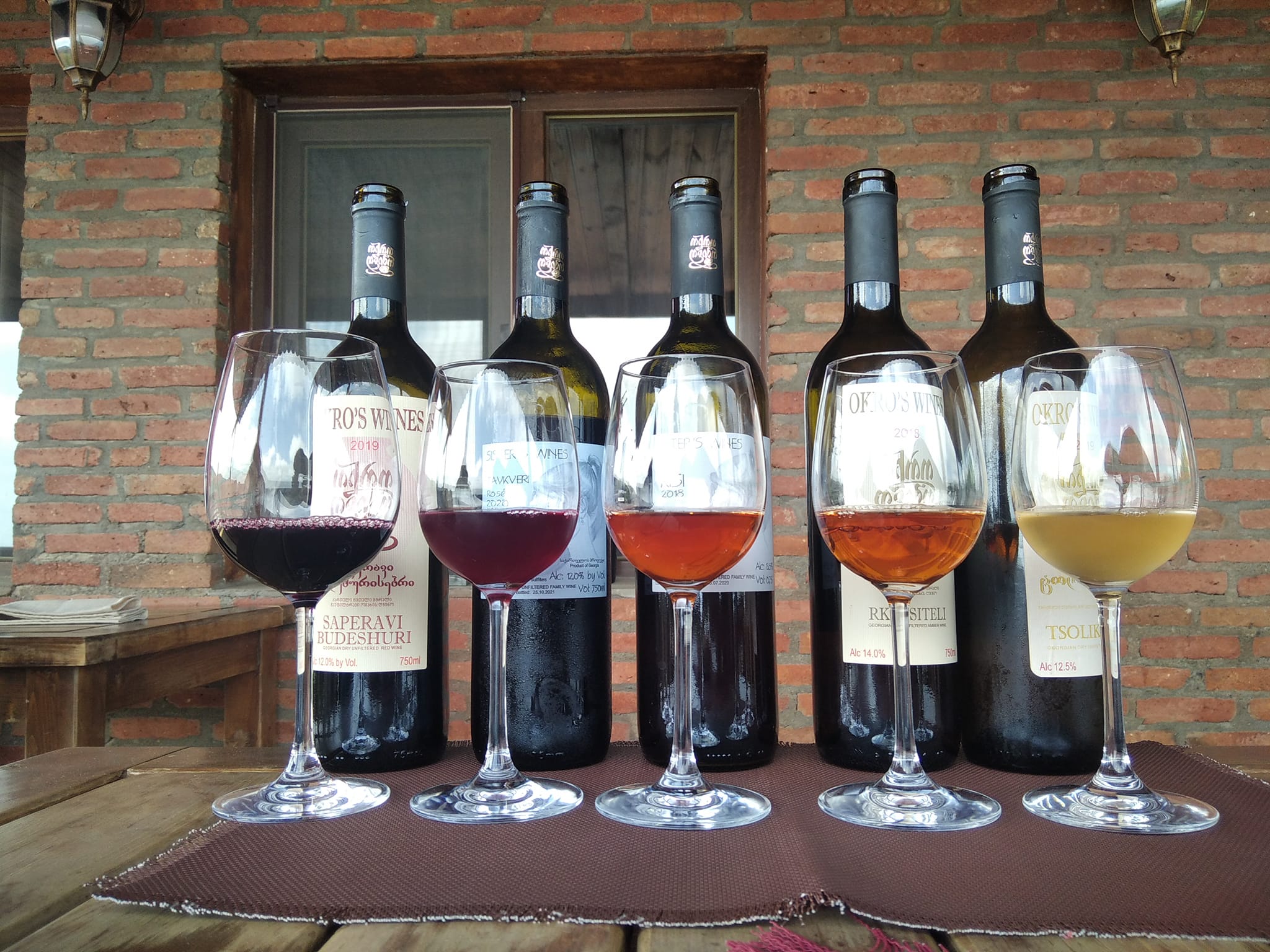
If you’re doing a tasting flight, follow this progression: start with a European-style Rkatsiteli or Tsinandali white (the lightest). Move to a Kisi or Mtsvane amber wine (more body, more tannin – despite being a “white” grape). Then a Tavkveri or light red rosé. Then a young Saperavi. Then an aged Mukuzani or Kvareli. Finish with a semi-sweet – Kindzmarauli or, if you’re lucky, Khvanchkara. This arc takes you from delicate to powerful to sweet, and you’ll taste how Georgian wine spans a wider stylistic range than most individual countries.
Georgian Wine and Food: A Pairing Reference
| Wine | Style | Best Paired With |
|---|---|---|
| Tsinandali (Rkatsiteli + Mtsvane) | Dry white | River trout, khinkali, fresh herb salads, badrijani (eggplant with walnut paste) |
| Amber Rkatsiteli (qvevri) | Amber | Satsivi, aged suluguni cheese, roasted vegetables, lobiani (bean-stuffed bread) |
| Kisi (qvevri) | Amber | Pkhali (spinach-walnut rolls), roasted chicken with tkemali sauce, aged Guda cheese |
| Mtsvane / Manavi | Dry white | Fresh salads, grilled vegetables, light fish dishes, cucumber-yogurt soup |
| Saperavi (young, dry) | Dry red | Mtsvadi (grilled meat), kubdari (meat-stuffed bread), chakapuli (lamb with tarragon) |
| Mukuzani (oak-aged Saperavi) | Dry red, aged | Kharcho beef stew, ostri (spicy beef), hard aged cheese, dark chocolate |
| Kindzmarauli | Semi-sweet red | Spiced grilled meats, churchkhela, pelamushi (grape pudding), blue cheese |
| Khvanchkara | Semi-sweet red | Walnut-stuffed aubergine, fruit desserts, aged mountain cheese |
| Tsolikouri / Tvishi | Semi-sweet white | Fresh fruit, light pastries, gozinaki (honey-walnut candy) |
| Chkhaveri (rosé) | Rosé | Grilled river fish, fresh berries, achma (layered cheese pastry) |
Tips for Wine Travelers in Georgia
- September and October (Rtveli) is harvest season. If you time your visit right, you can participate in grape picking and stomping at family wineries across Kakheti. This is when the wine country is most alive – and most crowded.
- Spring (April-May) means vineyards in bloom and fewer tourists. Many winemakers have more time to talk, and the Alazani Valley is green and gorgeous.
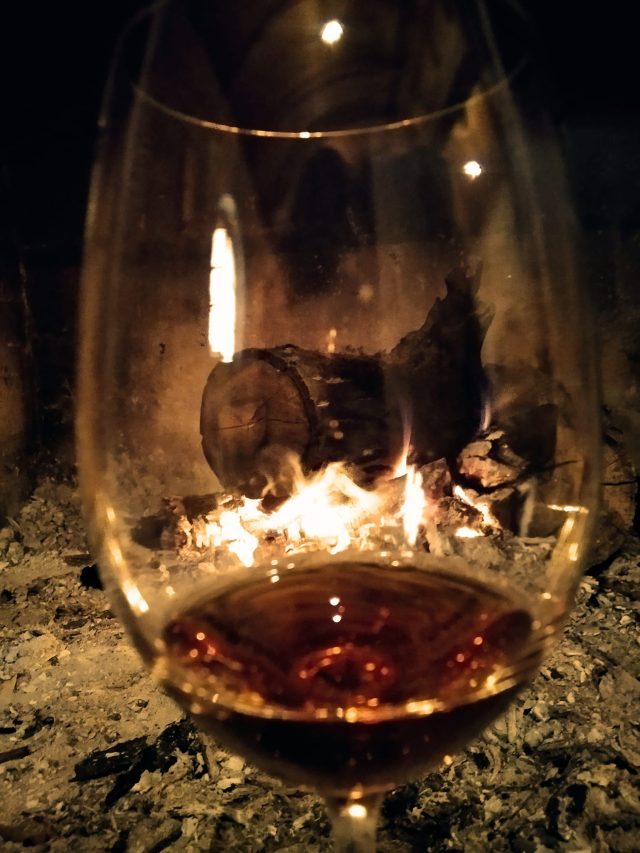
- Winter tastings are intimate and underrated. Cold-weather visits to Kakheti mean empty roads, fireplaces in marani cellars, and winemakers with nothing to do but pour you their best bottles and tell stories.
- Always eat before or during tastings. Georgian wine, particularly the amber styles, is higher in tannins and often higher in alcohol than you’d expect. The bread-and-cheese stop at a roadside bakery isn’t decorative – it’s functional.
- Don’t dismiss semi-sweet wines. Western wine culture has trained many people to equate “dry” with “good” and “sweet” with “unsophisticated.” Georgian semi-sweet reds like Kindzmarauli and Khvanchkara are naturally semi-sweet – not made sweet by adding sugar. When well-made and properly chilled, they are excellent with food. Full stop. Keep an open mind.
- The best wines are at small family wineries, not at the large commercial operations on the Tbilisi-Kvareli highway. Most require advance reservations. A guided wine tour solves this problem and gets you access to cellars that don’t open for walk-ins.
Where Georgian Wine Goes From Here
A decade ago, Georgian wine was a curiosity – something adventurous sommeliers in Brooklyn and Berlin discovered and whispered about. That’s changing fast. Amber wine now appears on wine lists from Tokyo to São Paulo. Saperavi has been compared – favorably – to Malbec and Tempranillo for its bold, food-friendly personality. And the rare varieties – Kisi, Tavkveri, Chkhaveri – are exactly what the global market wants: unique, place-driven, impossible to replicate anywhere else.
The challenge is scale. Most of these grapes exist in tiny quantities. Usakhelauri grows on a few dozen hectares. Chkhaveri vineyards are measured in fractions of a hectare. The vine libraries and research programs that preserve Georgia’s genetic heritage run on modest budgets. Success could, paradoxically, be a threat – if demand for Georgian wine outpaces the patient, painstaking work of reviving old varieties and maintaining quality.
But walk into any family marani in Kakheti, watch a winemaker open a qvevri that’s been sealed since last October, taste the amber wine that pours out – and you’ll understand why this tradition survived 8,000 years of invasions, empires, and Soviet collectivization. Georgian wine isn’t a trend. It’s a continuity. And the grapes are the thread.
Planning a wine tour in Georgia? Our organic wine tour in Kakheti visits three family wineries where you can taste Rkatsiteli, Saperavi, Kisi, and rare reserve wines directly from qvevri. Browse all wine tours or get in touch for a custom itinerary.