Essential Travel Tips for Georgia: What First-Time Visitors Actually Need to Know in 2026
![Essential Travel Tips for Georgia: What First-Time Visitors Actually Need to Know in [current year]](https://www.georgia-tours.eu/wp-content/uploads/2026/03/map-of-georgia.webp "map of georgia")
We’ve been bringing travelers to Georgia since 2011. These are the practical things we wish every visitor knew before stepping off the plane – updated for how the country works right now, not three years ago.
The first thing that hits you at Tbilisi airport at 2 am is the taxi driver who grabs your suitcase before you’ve finished yawning and quotes you eighty lari for a ride that should cost twenty-five.
Georgia is extraordinary – 8,000-year-old winemaking traditions, mountains that make the Alps look gentle, and a culture of hospitality that still means something real. But it’s also a country in rapid flux. Prices have risen. Rules have tightened. The backpacker paradise of 2018 blog posts has matured into something more complex and, frankly, more interesting.
This guide covers the practical realities, not the marketing version. Some of this information has changed significantly since 2024. Read the insurance section first.
Travel Insurance Is Now Mandatory
This is the single most important change for visitors in 2025-2026, and many travelers arrive unaware of it.
Georgia now requires all visitors – including those entering visa-free – to carry health and accident insurance for the duration of their stay. Your policy must provide minimum coverage of 30,000 GEL (roughly 11,000 USD). Both international and Georgian providers are accepted.
Proof of insurance may be checked at departure (by your airline) or on arrival by immigration officers. Georgian immigration is known for enforcing rules rather than bending them. Don’t risk it.
If you already carry annual travel insurance, check that your policy meets Georgia’s coverage threshold. If you don’t have a policy, arrange one before booking your flights.
For travelers planning mountain trekking or adventure activities, ensure your policy explicitly covers high-altitude activities and emergency helicopter evacuation. Standard policies often exclude these. We require this coverage for all participants on our trekking tours – it’s not optional, it’s essential.
How Long Should You Plan For?
Georgia appears small on the map. It isn’t.
Mountain terrain, winding roads, and transport that doesn’t always connect the way you’d expect mean that travel between regions takes longer than the distance suggests. Tbilisi to Mestia in Svaneti is technically 460 kilometers. In practice, it’s a full day of driving – or a one-hour flight, if the weather cooperates.
Plan for at least seven days if you want to see more than the capital. Three full days in Tbilisi, then four or five days exploring one or two regions outside. That’s enough for a meaningful introduction without turning your trip into an endurance test.
Ten to fourteen days is what we typically recommend for first-timers who want to combine Tbilisi, a wine region visit, and a mountain experience. Much shorter than a week, and you’ll spend more time in transit than actually experiencing the country.
If you only have four or five days, base yourself in Tbilisi and take day trips – Mtskheta, Kazbegi (a long day but doable), or the Kakheti wine region. We run day tours to all of these, designed specifically for visitors working with limited time.
Visa Requirements
Georgia has one of the world’s most generous visa policies. Citizens of 98 countries can enter without a visa and stay up to one year. That list includes the EU, United States, Canada, United Kingdom, Australia, Israel, UAE, Saudi Arabia, Qatar, Kuwait, Bahrain, Japan, and South Korea, among many others.
What you need: a valid passport with at least six months remaining beyond your intended stay. No return ticket is technically required for visa-free entry, though airlines may ask.
For citizens of countries not on the visa-free list, e-visas are available through Georgia’s official portal at geoconsul.gov.ge. Check requirements there – they’re updated more reliably than any travel blog.
For detailed and updated information, check the Ministry of Foreign Affairs website.
Best Time to Visit Georgia
| Season | Temperature (Tbilisi) | Mountain Access | Crowds | Best For |
|---|---|---|---|---|
| Spring (Apr-May) | 15-22°C | Svaneti opens late April; Tusheti closed until June | Low | Wildflowers, mild city weather, fewer tourists |
| Summer (Jun-Aug) | 30-35°C+ | All regions accessible | Peak season | Tusheti, high mountain treks, Black Sea coast |
| Autumn (Sep-Oct) | 18-28°C | Open until late October | Moderate, thinning | Grape harvest, fall colors, ideal temperatures |
| Winter (Nov-Mar) | 0-8°C | Mountain villages inaccessible | Very low | Skiing at Gudauri/Bakuriani, empty cities, wine cellars |
September and early October are what we recommend most often. The heat breaks, the grapes come in across Kakheti, mountain roads are still open, and the summer crowds thin out. You get the widest range of experiences in the most comfortable conditions.
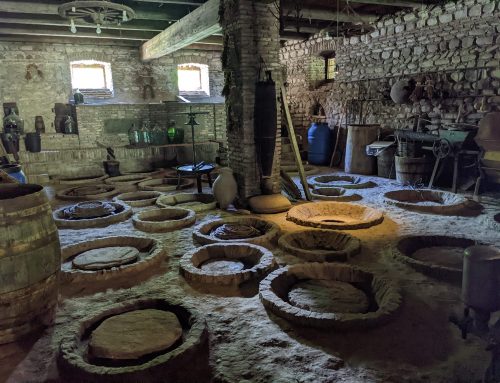
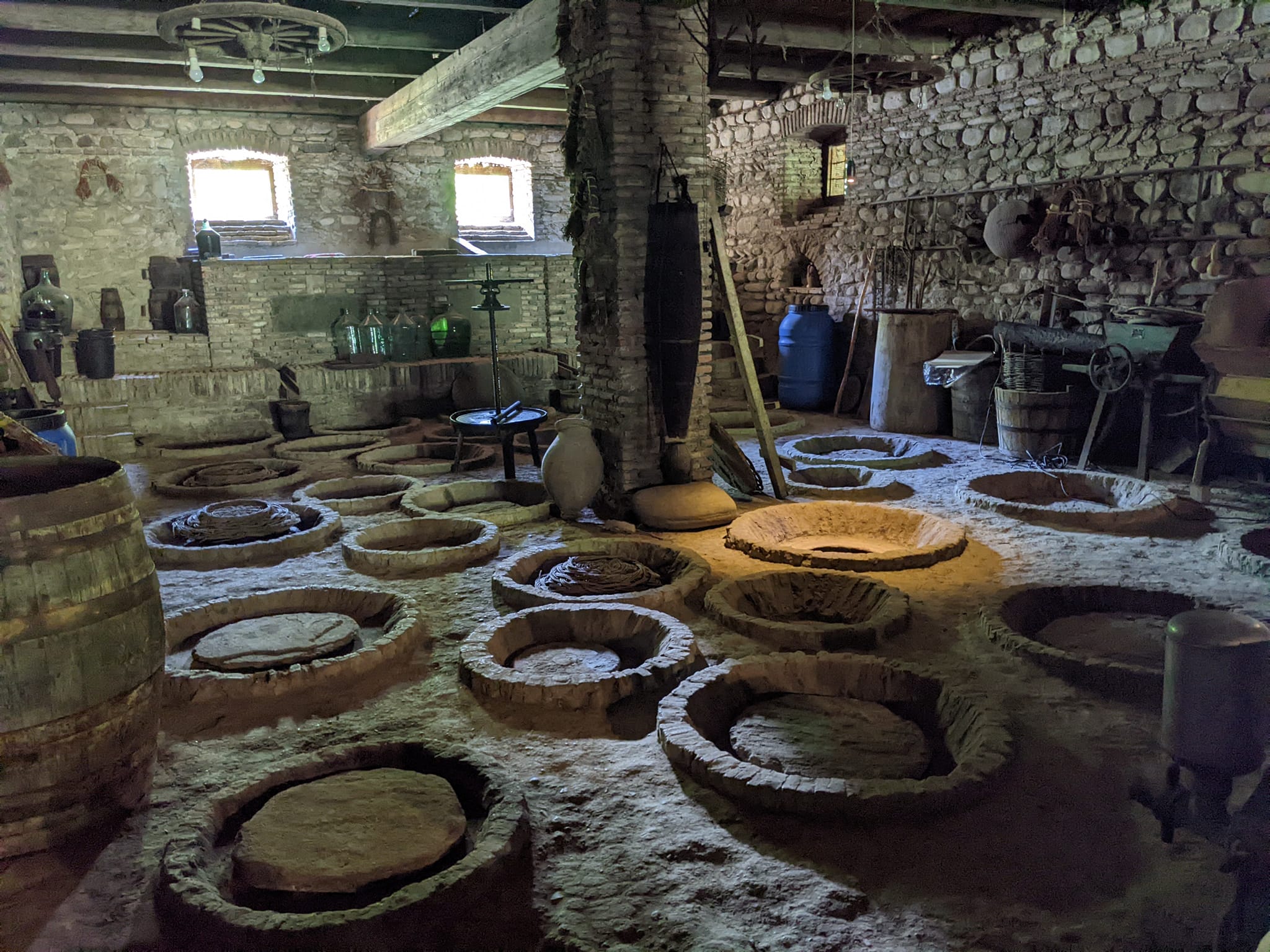
If wine interests you specifically, time your visit for mid-September through early October. Rtveli – the grape harvest – is when families across the Kakheti region pick grapes and make wine using qvevri, the clay vessels buried in the ground that UNESCO recognizes as part of humanity’s intangible cultural heritage. Some wineries welcome visitors to participate, though this requires advance arrangement. We organize wine tour itineraries specifically around the harvest season.
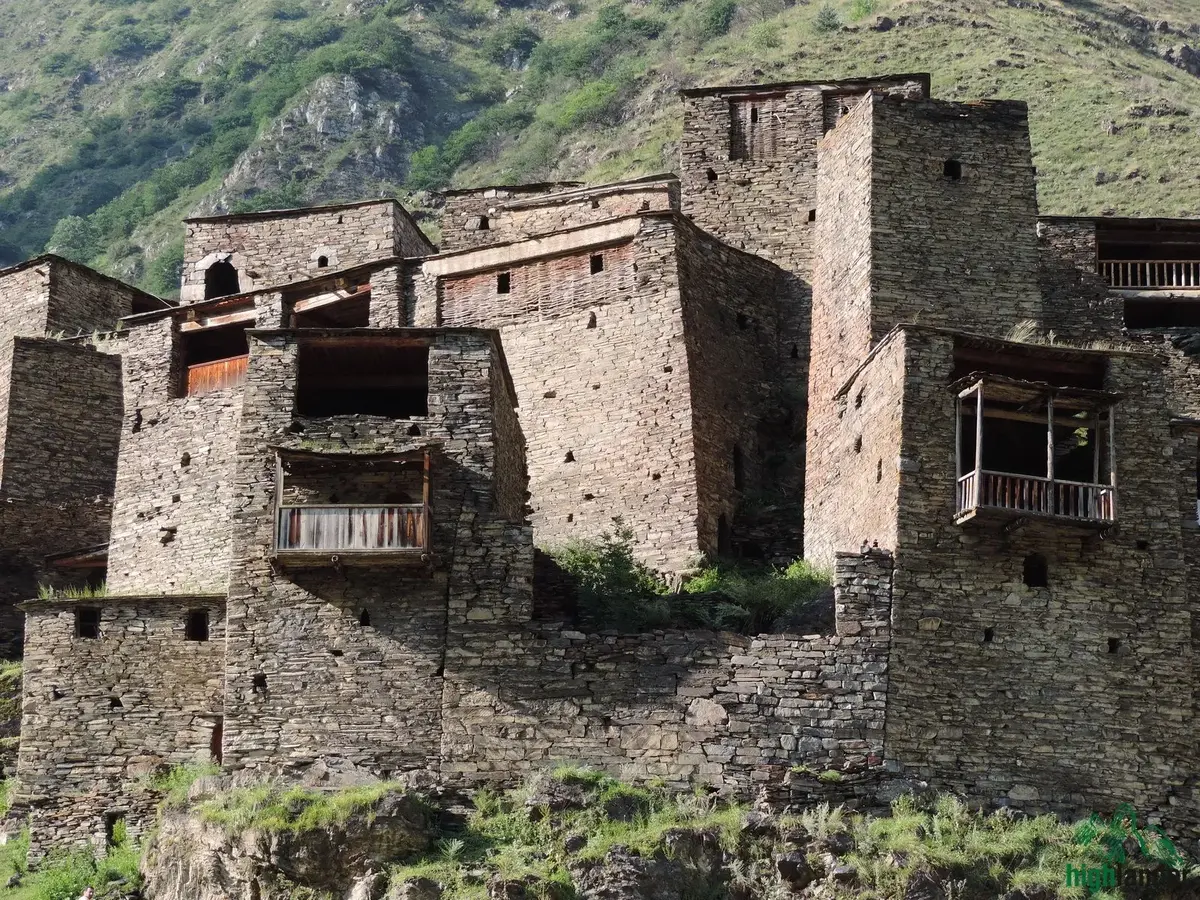
Summer is the only time to visit Tusheti, Georgia’s most remote inhabited region, accessible only when the Abano Pass road opens in June and closes with the first heavy snow in October. If Tusheti is on your list, and for adventurous travelers, it should be, June through September is your window.
For a month-by-month breakdown of what to expect and where to go, see our detailed guide: When to Travel to Georgia.
What It Actually Costs
Georgia remains an excellent value compared to Western Europe, but the “backpacker paradise for $20 a day” narrative is outdated. Prices have risen 30-40% since 2022, driven by inflation, increased tourism, and general cost-of-living changes. Budget accordingly.
| Tier | Daily Budget (per person) | What That Gets You |
|---|---|---|
| Budget | 80-120 GEL (30-45 USD) | Hostels or basic guesthouses, bakery meals and local restaurants, marshrutka transport, free attractions |
| Mid-range | 200-400 GEL (75-150 USD) | 3-star hotels or quality guesthouses, restaurant meals, a mix of taxis and local transport, paid museums and tastings |
| Comfortable | 500+ GEL (190+ USD) | Boutique hotels, guided tours, private transfers, wine experiences, and flexibility to do what you want |
A restaurant meal with wine in Tbilisi runs 40-80 GEL for two. A bottle of excellent Georgian wine from a shop costs 15-40 GEL. Tbilisi museum entrance fees range from 10-40 GEL. A marshrutka from Tbilisi to Kutaisi is about 20 GEL.
Tipping is not a deep tradition in Georgia, but it’s becoming more common in tourist-facing businesses. 10% at restaurants with good service is appreciated. Rounding up taxi fares is normal. For multi-day tours, tips for guides and drivers are customary and appreciated.
Getting to Georgia
Tbilisi International Airport (TBS) handles most international traffic. It sits 17 kilometers southeast of the city center – a 20 to 40 minute drive depending on traffic (which, in Tbilisi, is always the variable).
Kutaisi International Airport (KUT) serves budget carriers, primarily Wizz Air. It’s 14 kilometers from Kutaisi and about 230 kilometers from Tbilisi. That 230 kilometers translates to roughly four hours by shuttle, which is something to factor into your planning. If you’re flying Wizz Air to save money, calculate whether the savings justify losing half a day on a bus.
Batumi International Airport (BUS) operates seasonally, mostly charter flights and Turkish connections.
Land borders are open with Turkey and Armenia. The borders with Russia – including the occupied territories of Abkhazia and South Ossetia – are closed to foreign tourists. Do not attempt to enter these areas. The Azerbaijan border is open but requires a pre-arranged Azerbaijani visa.
Airport Transfers: Avoiding the First Scam
Taxi touts inside Tbilisi airport are the most common scam visitors encounter in Georgia. They’ll quote 80-100 GEL for a ride worth 25-35. Some will grab your luggage to create a sense of obligation. Don’t engage.
Your options, ranked by what we actually recommend to our clients:
Pre-arranged transfer from us or your hotel is the best option, especially for first-time visitors. Yes, it costs more (25-40 USD). But your driver is waiting with your name, the price is fixed, and we help you with practical things on the spot: buying a local SIM card, exchanging money at the airport’s surprisingly fair rates, and answering the first wave of questions that hit every traveler within ten minutes of landing. For late-night arrivals, this removes all stress. [Contact us to arrange your transfer.]
Authorized airport taxis are available at the official taxi stand outside the terminal. These are metered or fixed-price, and a step up from the touts inside. Look for the marked stand.
Bolt works well if you download it before you land. Rides to central Tbilisi run 20-30 GEL. Walk outside the terminal to the pickup zone; drivers can’t enter arrivals.
Bus #337 costs one lari and runs to Liberty Square every 20-30 minutes during daytime. The cheapest option by a wide margin, perfectly fine if you’re traveling light and arriving in daylight.
From Kutaisi airport, Georgian Bus runs shuttles timed to flight arrivals: 5 GEL to Kutaisi city, 25 GEL to Tbilisi (roughly four hours).
Money and Payment
Georgia uses the Georgian Lari (GEL). In early 2026, exchange rates sit around 2.7 GEL per 1 USD and 2.9 GEL per 1 EUR.
One useful surprise: the exchange office in Tbilisi airport’s arrivals hall (before you exit to the main terminal) offers rates competitive with city exchanges. This is unusual for airports globally and worth taking advantage of – change enough for your first couple of days.
In the city, exchange offices display rates clearly and charge no commission. The rate posted is the rate you get. US dollars and euros exchange most easily.
Card payments – including Apple Pay and Google Pay – work at hotels, restaurants, supermarkets, and most shops in Tbilisi and tourist towns. But cash is still necessary in smaller towns, village guesthouses, at markets, on marshrutkas, and often for private drivers and car rentals. Always carry some lari when leaving Tbilisi.
Bank of Georgia and TBC Bank ATMs are the most reliable for foreign cards. Georgian banks typically don’t charge foreign card fees, though your home bank might.
SIM Cards and Connectivity
Three operators: Magti, Geocell, and Beeline. All offer tourist SIM packages at the airport, but buying at the airport means paying premium prices for limited options.
Our recommendation: Get a Magti SIM from a city branch on your first day. An unlimited 5G data package costs about 10 GEL per week. You’ll need your passport. The process takes ten minutes.
If you prefer eSIM convenience, Airalo and similar services work, but coverage in the mountains can be patchy compared to a local SIM on Magti’s network.
Coverage is excellent in cities and along main highways. In mountain regions – Svaneti, Tusheti, Khevsureti – a signal exists in the main villages but drops between them. Download Google Maps offline for Georgia and the Google Translate Georgian language pack before heading to the mountains. Both have saved our clients from confusion more times than we can count.
Free wifi is standard in cafes, restaurants, and hotels across urban Georgia. Tbilisi’s metro has free wifi. Rural guesthouse wifi exists, but think “functional” rather than “fast.”
Getting Around Georgia
Transport comparison for major routes:
| Route | Marshrutka | Train | Taxi/Bolt | Organized Tour |
|---|---|---|---|---|
| Tbilisi → Kutaisi | ~20 GEL, 4 hrs | ~15 GEL, 5.5 hrs | ~200 GEL | Part of a multi-day tour |
| Tbilisi → Batumi | ~35 GEL, 6 hrs | 25-35 GEL, 5 hrs | ~350 GEL | Part of a multi-day tour |
| Tbilisi → Kazbegi | ~15 GEL, 3 hrs | N/A | 200-300 GEL | Day tour from ~60 USD pp |
| Tbilisi → Mestia | N/A (via Zugdidi) | N/A | ~450 GEL | Multi-day Svaneti tour |
Marshrutkas are the backbone of public transport – cheap, frequent, and no advance booking. You show up at Didube or Ortachala stations, find your route, and pay the driver. They’re fine for major corridors. For mountain routes, they range from adequate to white-knuckle.
Georgian Railway connects Tbilisi with Batumi (5 hours, the scenic option), Kutaisi, Borjomi, and several other cities. Slower than marshrutkas but significantly more comfortable. Book at railway.ge.
Renting a car gives you freedom but demands alertness. Georgian driving is assertive – overtaking on blind corners, filtering into improvised lanes, and speed on mountain roads are normal rather than exceptional. Road fatalities increased significantly in 2025. An international license is valid for one year. Rent from established agencies (Hertz, Europcar, or reputable local companies). Mountain roads often require 4×4.
For mountain regions, organized tours genuinely earn their value. We’re biased, obviously – this is what we do – but the logistics of reaching places like Tusheti, Ushguli, or Khevsureti independently involve unreliable transport, unpaved roads, and the kind of local knowledge that GPS can’t provide. A guide who knows which bridge washed out last week or which guesthouse actually has hot water makes a real difference.
Safety
Georgia is genuinely safe for tourists. Tbilisi consistently ranks among the safest European capitals. Violent crime against visitors is rare. The emergency number – 112 – connects to English-speaking operators.
But “safe” doesn’t mean “nothing to think about.”
Traffic is the real risk. Georgian driving can be aggressive, and pedestrian crossings don’t always mean what they’re supposed to mean. Look twice, then look again. This isn’t a joke – road accidents are the single most common serious incident affecting travelers here.
Nightlife scams remain a real issue in Tbilisi and Batumi. The setup: a friendly stranger invites you to a “great bar.” You’re served drinks you didn’t order. The bill arrives – sometimes thousands of lari – and refusal is met with intimidation. This happens regularly enough that both the US Embassy and Georgian tourist police warn about it. Stick to well-reviewed establishments. If approached by a stranger offering to show you a bar, decline. If you find yourself in this situation, call 112 immediately.
Mountain safety requires respect. Caucasus weather changes within hours. Rivers rise without warning. Altitude affects people who don’t expect it. Trekking without proper equipment, supplies, or guidance in these mountains is genuinely dangerous – not “challenging” in the Instagram sense, but actually risky.
Occupied territories – Abkhazia and South Ossetia – are controlled by Russian forces. The administrative boundary lines are closed from the Georgian side. Entry from Russia without Georgian authorization is illegal under Georgian law. Don’t go.
Protests occur periodically in Tbilisi, typically along Rustaveli Avenue in the evenings. They are generally organized, peaceful, and geographically contained. The practical impact on tourists is mostly limited to temporary road closures. Avoid large gatherings as a general precaution.
Health and Medical
No vaccinations are required. Tap water is safe throughout most of Georgia. Tbilisi’s water comes from mountain springs and is genuinely good. In very remote areas, bottled water provides certainty.
Tbilisi has modern private hospitals with English-speaking staff. Medical costs are affordable by Western standards. Outside major cities, facilities are basic, which is another reason why proper travel insurance matters.
Pharmacies (aptiaki) are well-stocked and common. Many medications available only by prescription elsewhere can be bought over the counter.
Medication restrictions: Georgia enforces strict rules on controlled, narcotic, and psychotropic substances. Most common prescription medications, supplements, and over-the-counter drugs are fine for personal use, but medications containing codeine, tramadol, certain benzodiazepines, or pseudoephedrine (including some cold and flu tablets) fall under special controls. You may carry up to a 31-day supply of controlled medication with proper medical documentation, including a doctor’s letter and prescription in English. Illegal import of narcotic or psychotropic substances is a criminal offense. If you take any prescription medication regularly, check whether it falls under Georgia’s controlled lists before you travel. We’ve written a detailed guide on bringing medication to Georgia covering the full legal framework and exactly what documentation you need.
If your itinerary includes altitude, know that Kazbegi town sits at 1,750 meters and mountain passes exceed 3,000 meters. Give yourself time to adjust. Altitude sickness is unpleasant and occasionally dangerous.
Language
Georgian is written in Mkhedruli – a script that looks like nothing else on earth. You won’t learn to read it in a week, and that’s fine.
Russian is widely understood, particularly among anyone over forty. English is common among younger Georgians in Tbilisi and the tourism industry. In rural Georgia and among older generations, expect language barriers.
A few words go a long way. Georgians are visibly pleased when visitors make the effort:
- Gamarjoba (გამარჯობა) – Hello
- Madloba (მადლობა) – Thank you
- Gaumarjos (გაუმარჯოს) – Cheers (you’ll use this one often)
- Gemrieli (გემრიელი) – Delicious (and you’ll mean it)
- Ramdeni? (რამდენი?) – How much?
Download the Google Translate Georgian offline pack before you arrive. It handles basic communication surprisingly well.
Cultural Etiquette
At the supra (feast): If you’re invited to a traditional Georgian meal – and you may well be – you’ll encounter the tamada, the toastmaster who leads a structured sequence of toasts: to God, to Georgia, to the deceased, to family, to peace. Wine accompanies each toast. You don’t have to empty your glass every time (despite what some enthusiastic hosts suggest), but participating in the ritual shows respect. Accept gracefully. Refuse excessively, and you risk giving offense.
At churches and monasteries, Georgia is deeply Orthodox Christian. Women should cover their heads and legs (scarves and wrap skirts are usually available at entrances). Men should remove hats. Shoulders covered, no shorts. During services, stay quiet. Ask before photographing.
Georgian hospitality is real but not always what marketing materials suggest. Everyday interactions can feel direct or reserved – people don’t smile at strangers or make small talk as a social norm. That’s not unfriendliness; it’s cultural difference. The warmth surfaces in unexpected moments: the guesthouse host who refuses your money for extra wine, the stranger who walks twenty minutes out of his way to make sure you find the right street, the driver who pulls over to pick wildflowers for the car. These moments are genuine, and they’re worth waiting for.
LGBTQ+ travelers: Georgian society is conservative on LGBTQ+ matters. Same-sex relationships are legal but not widely accepted, especially outside Tbilisi. Public displays of affection between same-sex couples may attract negative attention. Tbilisi has a small but existing LGBTQ+ scene.
Food and Drink
Georgian food is one of the most compelling reasons to visit, and dietary communication matters.
The cuisine is meat-heavy, cheese-heavy, bread-heavy, and walnut-heavy. Vegetarians can eat well – lobio (bean stew), badrijani (eggplant rolls with walnut paste), pkhali (vegetable-and-herb spreads), and various salads are delicious and widely available. Vegans face more challenges, as cheese and butter appear in many dishes. Communicate dietary needs clearly and early.
Khinkali – Georgian dumplings – are eaten by hand. Bite a small hole, drink the broth inside, then eat. Leave the twisted dough top on your plate. The pile of knots is your personal scorecard.
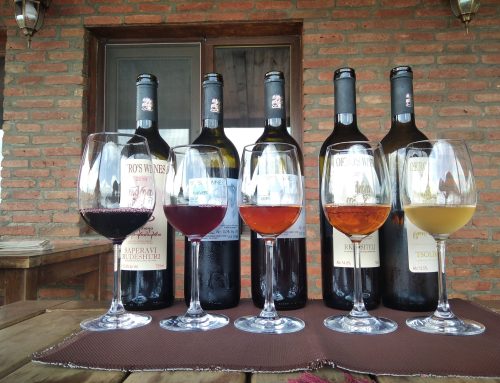
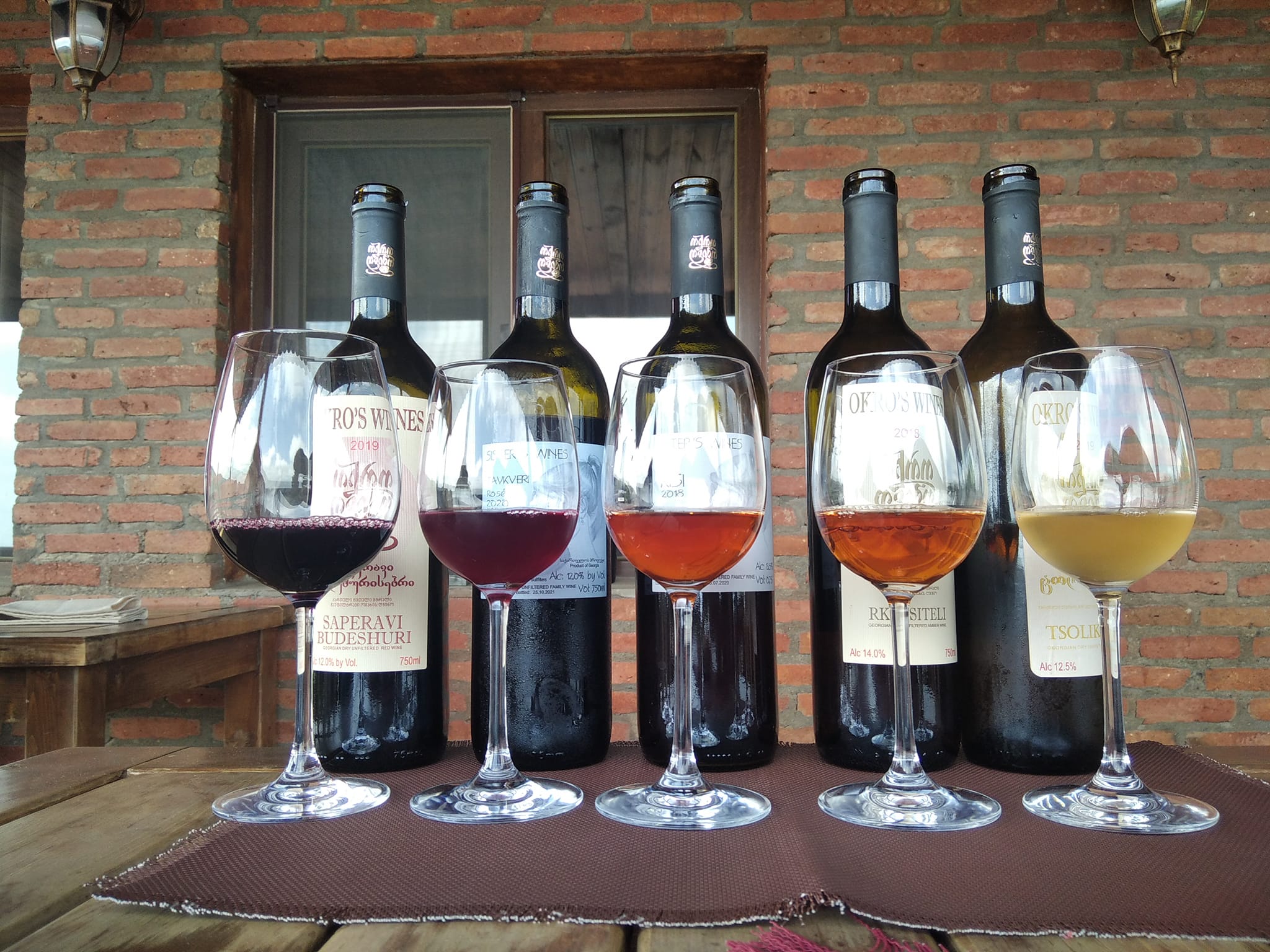
Wine isn’t just a beverage here; it’s an identity. Georgia’s winemaking tradition stretches back roughly 8,000 years – those qvevri clay vessels buried across the Kakheti valley predate Rome. Expect wine at most meals, in quantities that surprise visitors accustomed to two-glass-then-stop cultures. Amber wine (skin-contact white wine fermented in qvevri) is Georgia’s distinctive contribution to the wine world – it tastes like nothing you’ve had before, and not everyone loves it on the first try.
Chacha – grape brandy, often homemade – ranges from smooth to eye-watering. It’s frequently offered as a welcome drink. Accept the first glass. Pace yourself after that.
Bread deserves special mention. Shotis puri, the torpedo-shaped bread baked against the walls of a traditional tone oven, is one of those things you miss long after leaving. It appears at every meal and it should.
What to Pack
Packing depends on season and itinerary, but after fourteen years of watching travelers arrive over-packed and under-prepared, these are the consistent essentials:
Layers. Even in July, mountain evenings drop sharply. A light fleece or jacket is non-negotiable. Tbilisi in summer is hot; Kazbegi at sunset is cold. Both in the same day.
Comfortable walking shoes. Tbilisi’s old town is cobblestones, hills, and uneven surfaces. Fashion shoes are a mistake.
A scarf or shawl for women. Required at churches, useful for sun protection, doubles as a pillow on long marshrutka rides.
A power adapter. Georgia uses European Type C and F plugs, 230V. Bring adapters if your country uses different standards.
Sunscreen. Mountain sun at elevation is intense and deceptive.
Cash. ATMs exist in cities but are rare in remote areas. Carry sufficient lari for village guesthouses, markets, and mountain transport.
Prescription medications. Bring what you need in original packaging with a doctor’s letter. Some medications are restricted – see the Health section above and our medication guide for details.
Apps to Download Before You Arrive
- Bolt – Taxis. Works in all major cities. Essential.
- Google Maps – Download Georgia offline maps. Navigation works without data.
- Google Translate – Download the Georgian language pack for offline use.
- Booking.com or Airbnb – For accommodation. Many Georgian guesthouses are only on Booking.com.
Practical Reference
- Emergency services: 112 (police, ambulance, fire – English available)
- Tourist police: Available in Tbilisi and Batumi
- Country code: +995
- Currency: Georgian Lari (GEL)
- Standard voltage: 230V, 50Hz
- Plug type: C and F (European two-pin)
- Driving side: Right
- Insurance requirement: Mandatory, minimum 30,000 GEL coverage
Planning Your Trip
Georgia rewards travelers who plan around its geography rather than fighting it. The infrastructure for independent travel works well in accessible areas – Tbilisi, the main highway corridor, Kakheti wine country. In the mountains, the calculus shifts. Roads are rough, signage is sparse, local knowledge matters, and logistics that seem simple on Google Maps become complicated in practice.
For first-time visitors, we typically recommend a combination: independent exploration in Tbilisi and wine country, where getting around is straightforward and spontaneity works, combined with organized tours for mountain regions where a guide, a proper vehicle, and advance guesthouse arrangements make the difference between a memorable experience and a stressful one.
We’ve been organizing journeys through Georgia since 2011 – long enough to have seen the country change, long enough to know what works and what doesn’t, and long enough to have strong opinions about both. Whether you need a single day tour from Tbilisi, a week-long itinerary across multiple regions, or a trekking expedition into the high Caucasus, we handle the logistics so you can focus on the experience.
Browse our tours or contact us to start planning.
Last updated: February 2026. We update this guide regularly as conditions in Georgia change. If you spot anything outdated, let us know.