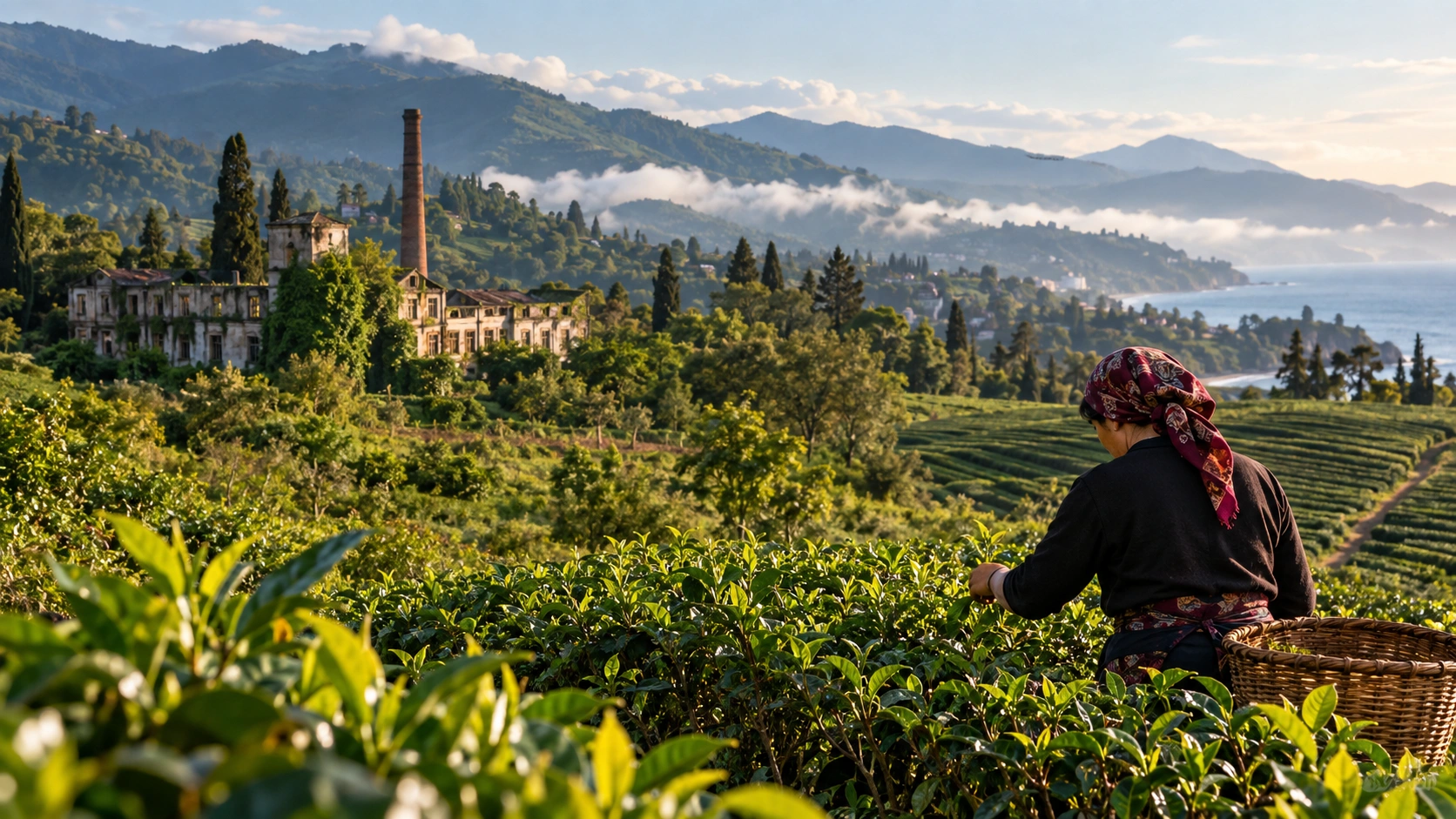
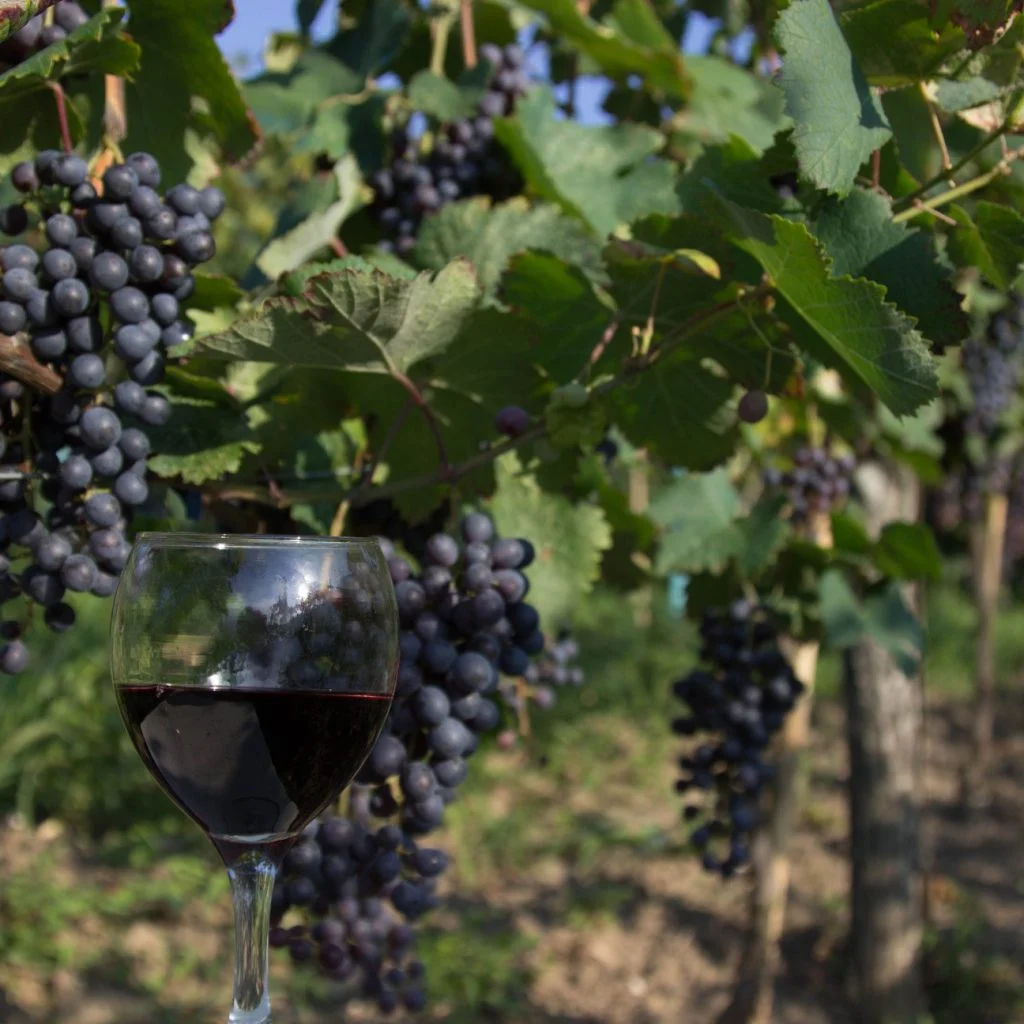
Autumn is one of the best times to visit Georgia, but the experience changes quickly from September to November. September still feels like summer in the lowlands and is the main grape-harvest season in Kakheti. October brings cooler walking weather and the strongest autumn colours, while November is better suited to cities, wine, food and lower-altitude cultural routes.
The key is to match your itinerary to the month and elevation. A high-mountain road that is straightforward in early September may close after the first serious snowfall, while eastern Georgia can remain sunny and comfortable long after the trekking season has ended.
Is Autumn a Good Time to Visit Georgia?
Yes. Autumn offers milder temperatures than July and August, harvest traditions, colourful forests and fewer visitors at many major sights. It is particularly good for Kakheti, Tbilisi, Racha, Borjomi and southern Georgia.
However, Georgia has several climate zones. Batumi may be warm but rainy, Tbilisi can be dry and sunny, and snow can already affect the Greater Caucasus. There is no single autumn forecast for the whole country, so flexible planning matters.
Autumn in Georgia Month by Month
| Month | Best for | Main limitation |
|---|---|---|
| September | Rtveli, Kakheti, Svaneti, Kazbegi, city breaks | High routes can receive early snow late in the month |
| October | Autumn colours, Tbilisi, Racha, Borjomi, Vardzia, wine tours | Tusheti and remote mountain roads become unreliable |
| November | Food, wine, museums, Tbilisi and lower-altitude cultural routes | Shorter days, colder weather and limited mountain access |
September: Harvest and the Last Mountain Journeys
September is usually the most versatile autumn month. Tbilisi and Kakheti remain warm, the Black Sea is often still suitable for swimming, and established roads to mountain centres such as Mestia and Stepantsminda stay open. It is also the main period for rtveli, Georgia’s grape harvest.
Serious mountain plans still require caution. Multi-day trekking in Svaneti is most dependable in the first half of September. Tusheti and northern Khevsureti depend on exposed high passes that can be affected by snow with little warning. Never assume that a route advertised through October will remain open on your exact dates.
October: Forest Colours and Comfortable Sightseeing
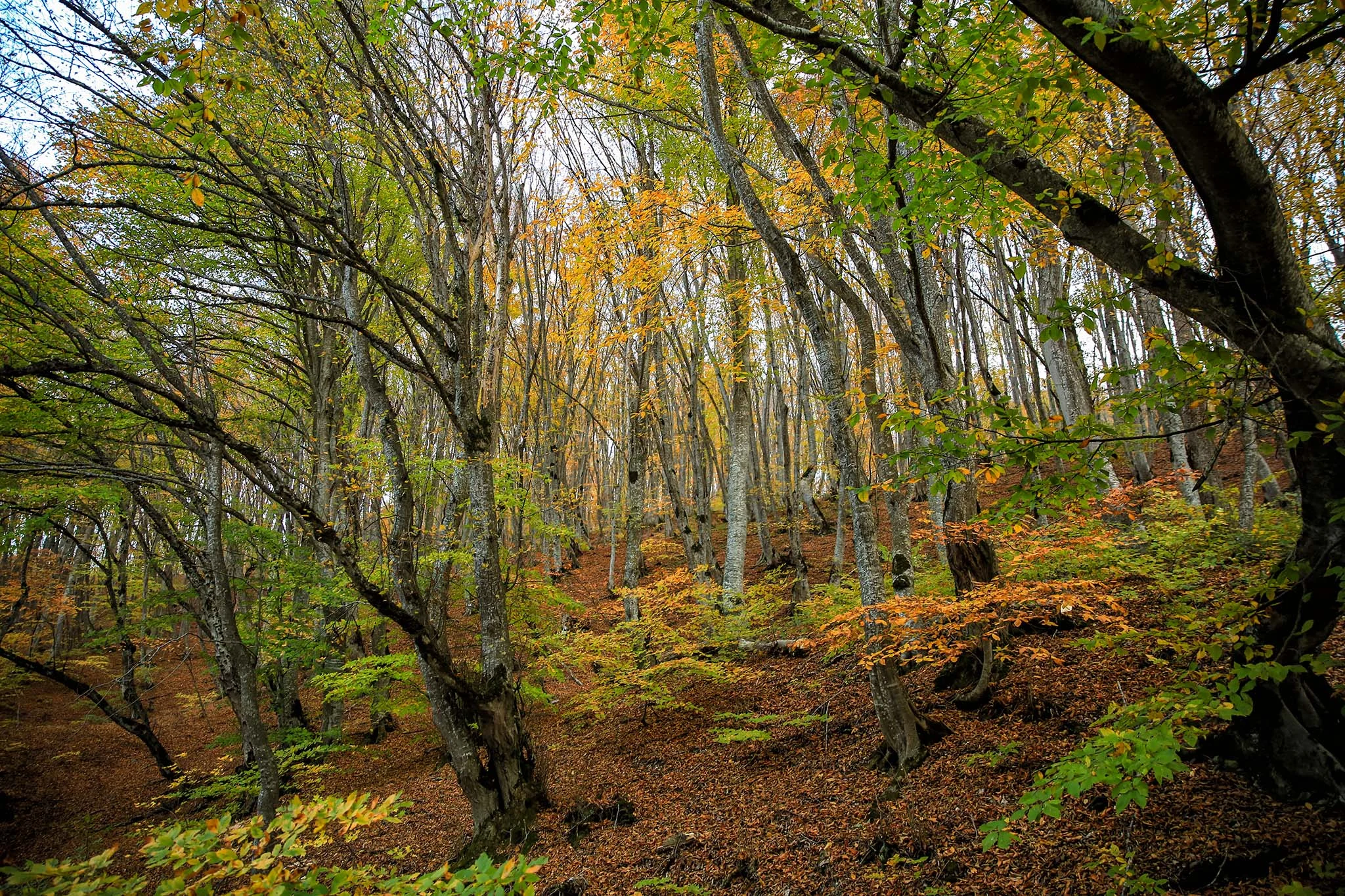
October is the classic month for autumn colours. Forested areas around Borjomi, Racha and parts of Svaneti turn gold, orange and red, although the peak varies with altitude and yearly weather. Tbilisi is comfortable for walking, and the lower valleys of Kakheti and Samtskhe-Javakheti are well suited to cultural touring.
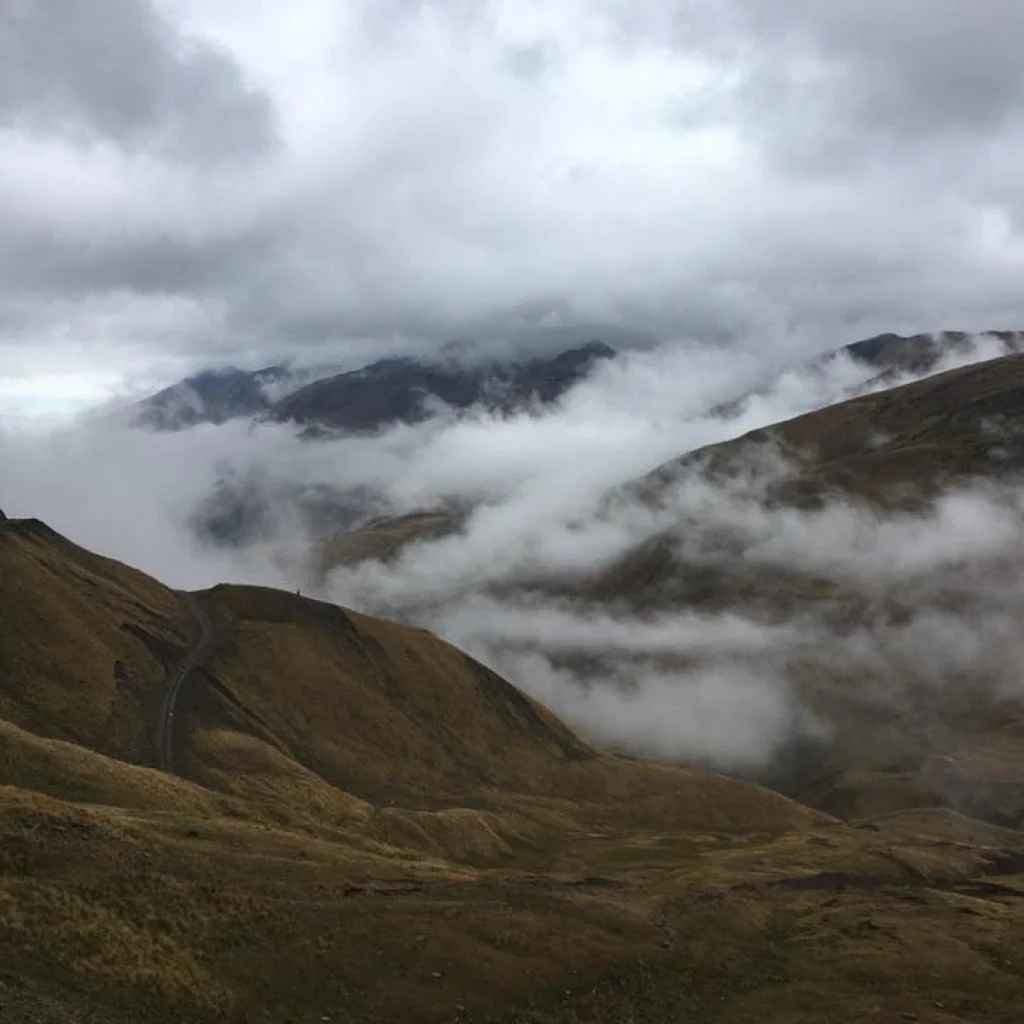
October is not equally suitable for every mountain region. Mestia remains accessible by the main road, but long high-altitude treks become weather-dependent. The roads over Abano Pass to Tusheti and Datvisjvari Pass to Shatili may close after early snowfall. Plan remote routes only with a local operator who has checked current road conditions.
November: Cities, Wine and Early Winter
By November, the dependable mountain-travel window has largely ended. Daylight is shorter, trees at higher elevations may already be bare and snow is increasingly common in the Caucasus. This is still a rewarding month for Tbilisi, Mtskheta, Kakheti wineries, Uplistsikhe, Vardzia and other lower-altitude cultural sites.
November suits travellers who value quiet museums, long meals and wine tastings more than hiking. Bring warm, waterproof layers and keep some flexibility for road or weather changes.
Best Places to Visit in Georgia in Autumn
1. Kakheti for Rtveli and Wine
Kakheti is Georgia’s leading autumn destination. Vineyards stretch across the Alazani Valley beneath the Caucasus, and villages become busy with grape picking, pressing and winemaking. Harvest dates vary by grape, municipality and weather, but most activity falls between early September and the first part of October.
A genuine rtveli is organised by a family or winery; it is not a public festival happening everywhere on demand. Reserve in advance if you want to pick grapes, help press them and join a harvest meal. Outside harvest days, a Kakheti wine tour still offers cellar visits, qvevri wine and regional food.
2. Tbilisi for Walking, Food and Culture
Autumn removes the exhausting heat from Georgia’s capital. It becomes easier to explore Abanotubani, Sololaki, the Dry Bridge market, Narikala, museums and hillside neighbourhoods on foot. Evenings are ideal for wine bars, restaurants and the city’s sulphur baths.
September and October are the strongest months for a city break. November is cooler but quieter and works well for travellers who want to use Tbilisi as a base for cultural day trips. A private Tbilisi city tour is a useful introduction before travelling into the regions.
3. Racha for Autumn Colour
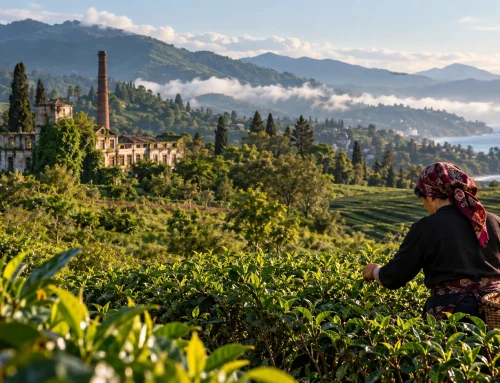
Racha combines forested mountain slopes, villages, vineyards and a slower pace than Georgia’s best-known destinations. The most vivid foliage often appears from early to mid-October, but exact timing changes each year. Ambrolauri and the lower Rioni Valley remain accessible after high hiking routes become less reliable.
Try local wines made from Aleksandrouli and Mujuretuli grapes, visit Nikortsminda Cathedral and use Ambrolauri as a base. Shaori Reservoir is especially photogenic when the surrounding forest changes colour.
4. Svaneti for Mountain Scenery
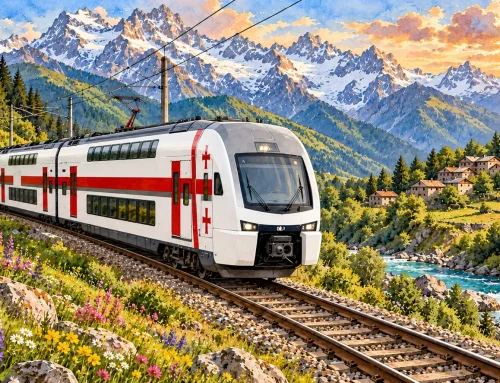
Svaneti can be spectacular in late September and early October, when yellow birch and beech trees contrast with dark conifers and the first snow appears on high peaks. Mestia is reached by an all-season main road, although weather can still disrupt travel.
Autumn Svaneti is better for village visits, museums, short walks and photography than for committing to a rigid multi-day trek. Guesthouses and cafés in smaller villages begin closing after the summer season, so confirm accommodation and transport before travelling.
5. Borjomi and Vardzia for Forests and History
The forests around Borjomi develop rich autumn colour, while the Mtkvari Valley around Vardzia is generally milder than the Javakheti Plateau above it. This makes southern Georgia a strong choice in October, when very high mountain routes have become uncertain.
Combine Borjomi with Rabati Fortress, Khertvisi and Vardzia. A two-day Vardzia tour avoids the exhausting same-day return from Tbilisi and leaves time to enjoy the landscape. Longer walks in Borjomi-Kharagauli National Park should be planned around weather, trail conditions and the shorter daylight hours.
6. Vashlovani for Dry-Land Landscapes
The semi-desert landscapes of Vashlovani are punishingly hot in midsummer, making autumn a more comfortable time for wildlife watching, badland scenery and 4×4 routes. Dry conditions are essential: rain can turn remote tracks into deep mud and make parts of the protected area inaccessible.
Vashlovani requires appropriate transport, advance route planning and documentation for sectors near the border. The two-day Vashlovani jeep tour is better paced than a very long one-day return from Tbilisi.
7. Batumi and Adjara for a Warmer Coast
Early September can still feel summery in Batumi, and the sea often remains warm enough for swimming. The coast is much quieter after the August peak. However, Adjara is one of Georgia’s wettest regions, so autumn visitors should expect rain and avoid building the entire trip around beach weather.
Use rainy days for the Botanical Garden, museums, food and city walks between showers. The Batumi travel guide covers practical planning and day-trip options.
Where Not to Rely on Autumn Access
- Tusheti: The Abano Pass road has no fixed annual closing date. The first serious snow can end the season abruptly.
- Northern Khevsureti: Access to Shatili and Mutso depends on the Datvisjvari Pass. Read the Khevsureti travel guide and verify road conditions locally.
- High trekking passes: Chaukhi, Atsunta, Tobavarchkhili and similar routes should not be attempted on a fixed autumn schedule without recent local information and suitable experience.
- Remote unpaved roads after rain: Vashlovani and other clay or semi-desert tracks may become impassable even without snow.
Recommended Autumn Tours in Georgia
- 7-Day Spring and Autumn Tour: Tbilisi, Mtskheta, Uplistsikhe, Borjomi, Vardzia and Kakheti in one balanced cultural route.
- 2-Day Kakheti Wine Tour: Family cellars, established wineries, regional food and an overnight stay in wine country.
- 2-Day Vardzia Tour: Borjomi, Rabati, Sapara, Khertvisi and Vardzia at a comfortable pace.
- 2-Day Vashlovani Jeep Tour: A private 4×4 journey through Pantishara Gorge and Georgia’s remote southeastern badlands.
A Practical 7-Day Autumn Itinerary
- Day 1 — Tbilisi: Old Town, Abanotubani, Narikala and a Georgian dinner.
- Day 2 — Mtskheta and Uplistsikhe: Visit Georgia’s ancient capital and the rock-cut settlement before continuing west.
- Day 3 — Borjomi and Akhaltsikhe: Walk in Borjomi and explore Rabati Fortress.
- Day 4 — Vardzia: Visit Khertvisi and spend sufficient time inside the cave monastery.
- Day 5 — Return to Tbilisi: Stop at regional monasteries or viewpoints according to weather.
- Day 6 — Kakheti: Cross the Gombori Pass, visit Telavi and taste wines at a family cellar.
- Day 7 — Alazani Valley and Sighnaghi: Continue through wine country before returning to Tbilisi.
For September, a mountain region can replace part of this cultural route if the weather and roads are favourable. In late October or November, keep the lower-altitude itinerary and allow more time for Tbilisi, Kakheti and indoor attractions.
What to Pack for Georgia in Autumn
- Light and warm layers rather than one heavy outfit
- A waterproof jacket and compact umbrella
- Comfortable shoes with reliable grip
- A warmer fleece or insulated jacket for mountains and November
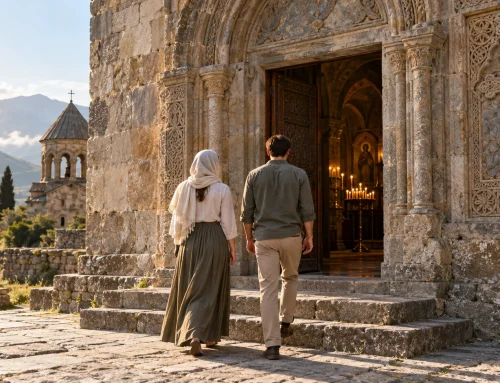
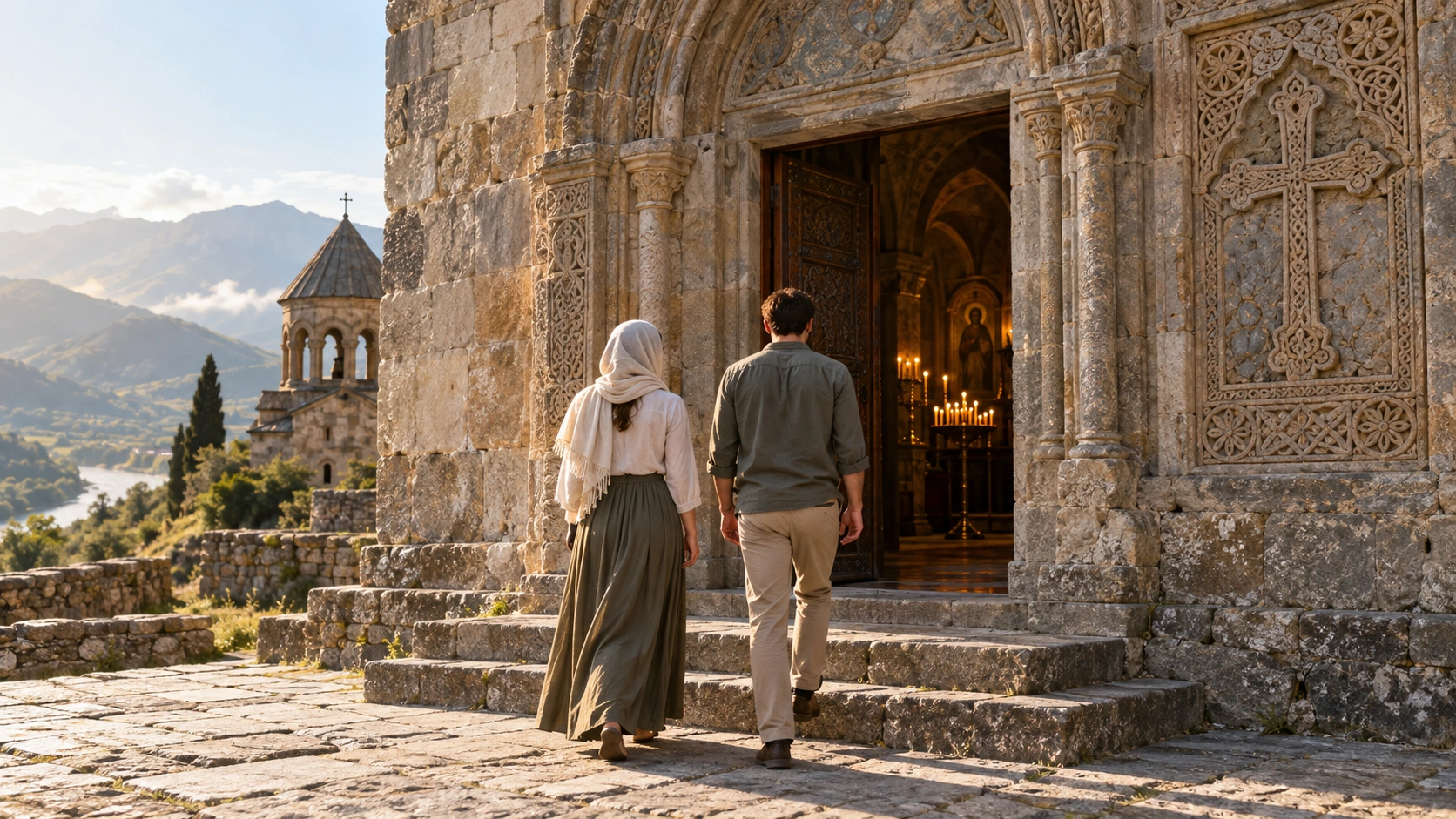
- Modest clothing for churches and monasteries
- Sun protection—clear autumn days at altitude can still be intense
- A small amount of cash for villages and family wineries
Final Advice
Autumn in Georgia rewards travellers who plan around geography rather than a fixed list of attractions. Choose September for harvest and the final reliable mountain journeys, October for forests and cultural routes, and November for quiet cities, food and wine. Keep high-altitude plans flexible, and Georgia becomes one of the most varied autumn destinations in the Caucasus.
Frequently Asked Questions About Autumn in Georgia
Is autumn a good time to visit Georgia?
Yes. September and October are among the best months for wine regions, city sightseeing and cultural tours. November is cooler and better for Tbilisi, food, wine and lower-altitude attractions.
Which autumn month is best for Georgia?
September offers the widest range of activities, including rtveli and some mountain travel. October is best for foliage and comfortable sightseeing, while November is quieter and more focused on cities and wine.
When is the grape harvest in Georgia?
Kakheti’s harvest generally runs from early September into early October, but dates depend on the grape variety, district and weather. Arrange a rtveli experience with a winery or local family in advance.
Can you visit Svaneti in October?
Yes, Mestia is accessible by the main road, but October weather is changeable. Plan village visits, museums and shorter walks rather than relying on a rigid high-altitude trekking schedule.
Can you visit Tusheti in autumn?
Early September is usually possible, but the Abano Pass can close after the first serious snowfall. Late-September and October access should never be assumed without a current local road check.
Where are the best autumn colours in Georgia?
Racha, Borjomi, Svaneti and other forested mountain regions offer the strongest foliage. Peak colour varies by elevation and weather but commonly falls between late September and mid-October.
Is Batumi worth visiting in autumn?
Early September can still provide warm sea weather and fewer crowds. Batumi and Adjara become increasingly rainy later in autumn, so combine outdoor plans with gardens, museums and food experiences.
What should I wear in Georgia in autumn?
Pack layers, a waterproof jacket, comfortable walking shoes and a warmer fleece or insulated jacket. Mountain temperatures can be much lower than conditions in Tbilisi or Kakheti.
Does it snow in Georgia during autumn?
Yes. The first snow can reach the high Caucasus in September or October, while lower cities may remain mild. By November, snow and icy conditions are increasingly likely on mountain roads.
What is the best autumn tour in Georgia?
A route combining Tbilisi, Mtskheta, Uplistsikhe, Borjomi, Vardzia and Kakheti works well throughout autumn because it avoids dependence on remote high passes while covering culture, landscapes and wine.