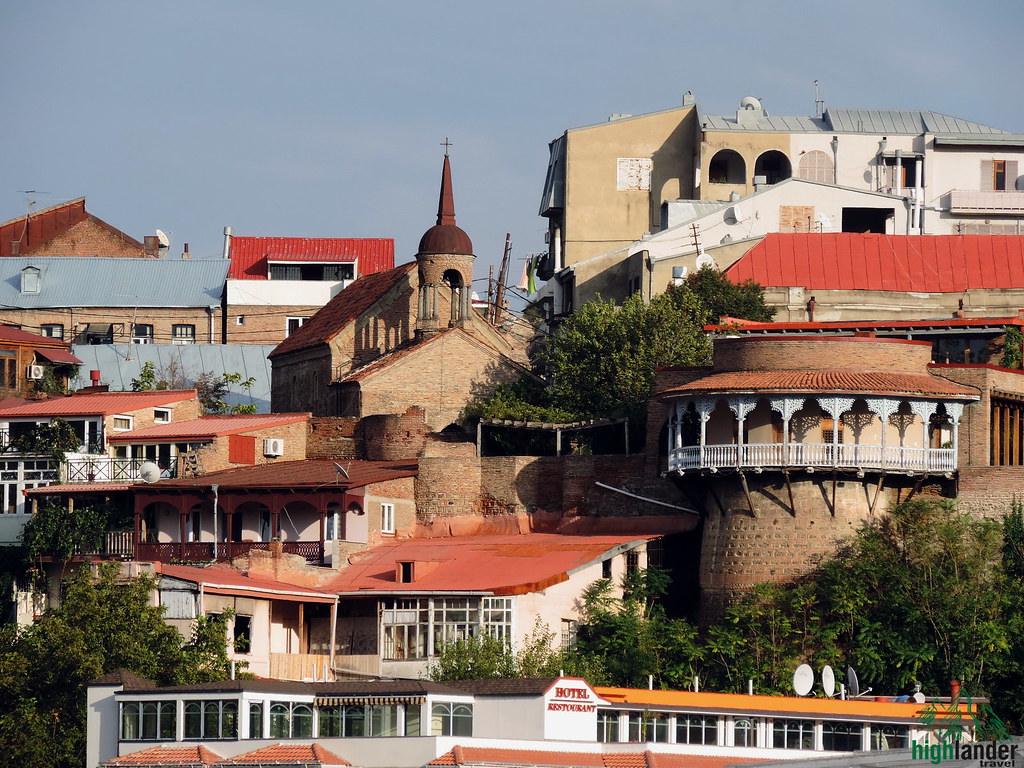
What to Do in Georgia in Spring 2026
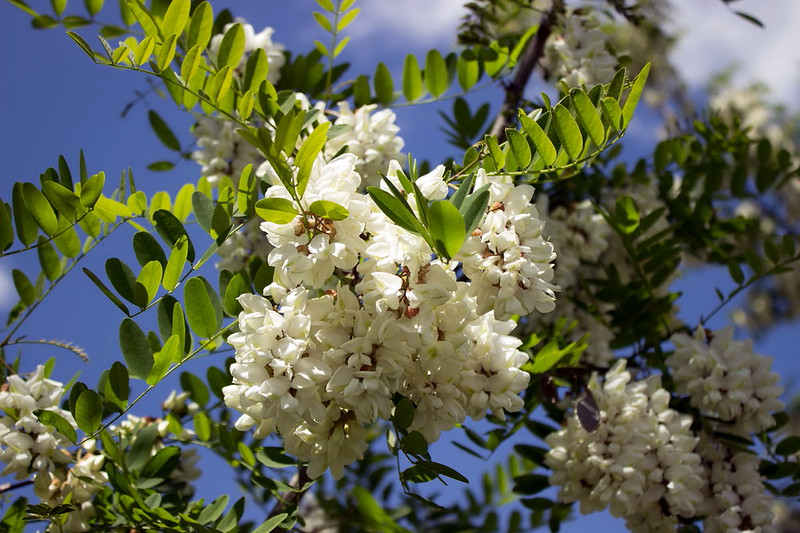
Your complete guide to the best tours, wine experiences, and day trips from Tbilisi — featuring Kakheti organic wineries, the ancient cave city of Vardzia, and Imereti’s hidden treasures.
I’ve lived in Georgia my whole life, and spring still catches me off guard every year. One week Tbilisi is grey and drizzly, and the next the whole Alazani Valley is green and the air in Kakheti smells like warm earth and fresh vine shoots. If you’re planning your first trip to Georgia — or coming back for another round — spring is when this country is at its most honest and beautiful.
Between April and June, the temperature sits comfortably between 15 and 25 degrees, the big summer crowds haven’t arrived yet, and the lowland regions that most travelers want to see — Kakheti, Vardzia, Imereti, Mtskheta — are fully accessible. You don’t need to worry about snow-blocked mountain passes or sweltering 38-degree afternoons in Tbilisi. It’s the sweet spot.
This guide covers what I genuinely recommend for a spring visit: wine tours through the birthplace of wine, ancient cave monasteries that will stop you mid-sentence, UNESCO sites that rarely appear on Instagram but absolutely should, and the kind of meals that make you rethink everything you thought you knew about food. Everything here is reachable from Tbilisi in one or two comfortable days — no high-altitude mountain detours required.
Why Spring Is the Best Time to Visit Georgia
Georgia is a year-round destination, but spring has a quality that’s hard to describe until you see it for yourself. The countryside looks almost painted — blooming cherry orchards around medieval churches, vineyards waking up across the Alazani Valley, wildflowers turning the hills around Vardzia into something out of a nature documentary. And because you’re visiting before the July–August peak, hotel rates are lower, guides have more time for you, and the places you visit feel less like attractions and more like places where people actually live.
Here’s a quick breakdown of what each month looks like:
April
Wildflowers across Kakheti. Cherry and plum blossoms around monasteries. Occasional rain keeps everything lush. You’ll have most sites nearly to yourself.
May
The best month, honestly. Dry, warm, long daylight hours. Vineyards are green and photogenic. Perfect for wine tours, Vardzia, and eating outdoors.
June
Warm but not punishing. Wine cellars offer cool relief. Vardzia and Imereti are excellent right before the summer crowds descend.
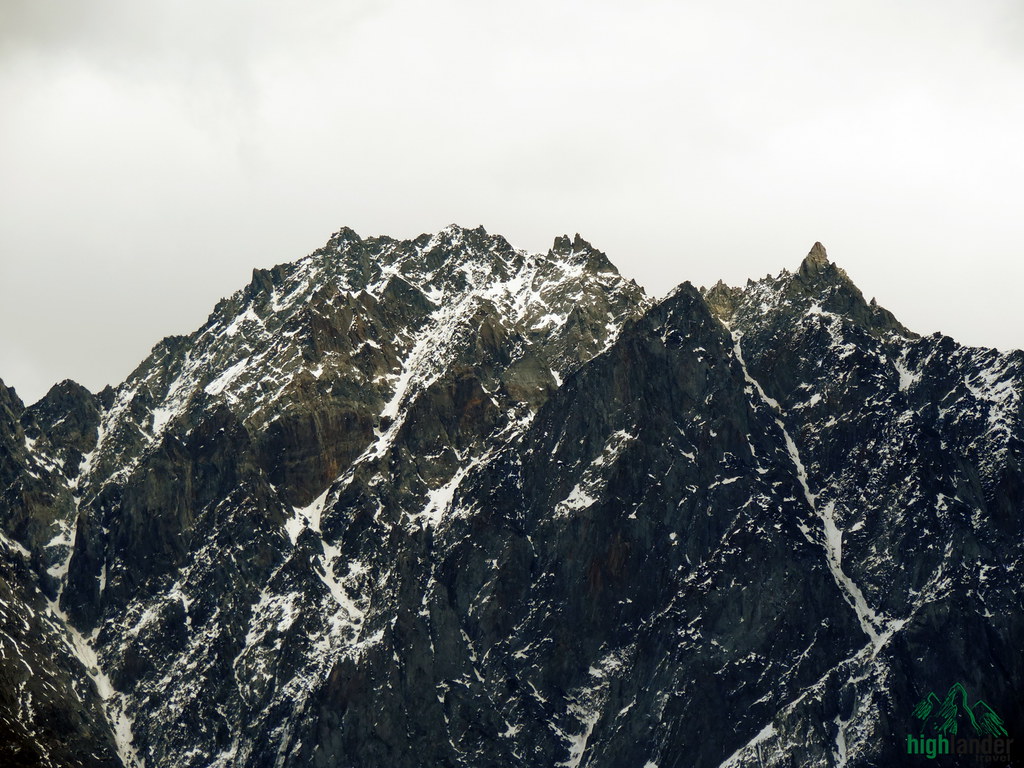
One thing worth noting: the high Caucasus destinations — Kazbegi, Svaneti, Tusheti — may still have snow on their passes in April and even early May. That’s exactly why this guide focuses on Kakheti, Vardzia, and Imereti. These regions sit at moderate elevations where spring arrives early and stays pleasant throughout the season.
Georgians take spring personally. Winery visits in April or May often turn into spontaneous supras — traditional feasts with homemade wine, grilled meats, and a series of toasts that cover everything from friendship to the harvest ahead. You’ll eat more than you planned. That’s normal. Go with it.
The Organic Wine Tour in Kakheti — Georgia’s Must-Do Experience
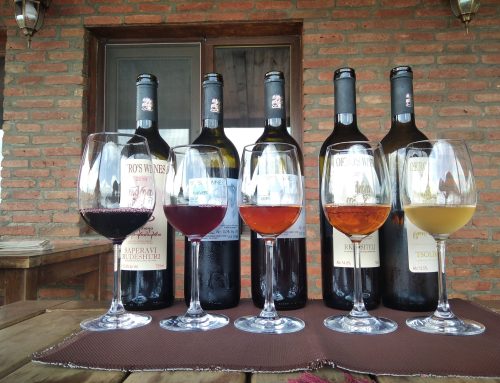
If you only do one thing in Georgia this spring, make it a wine tour in Kakheti. I’m not saying that because I work in travel — I’m saying it because Georgia is where wine was literally invented. Archaeologists have found evidence of winemaking here going back 8,000 years. That’s not a marketing number; it’s what the clay residue in Neolithic vessels tells us.
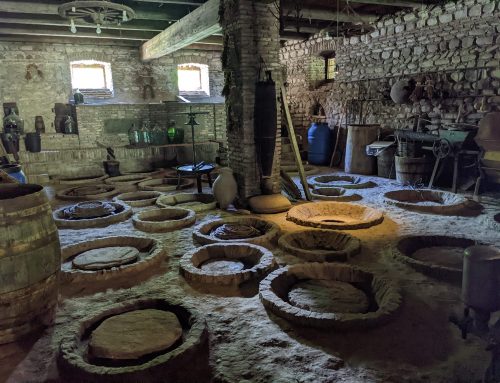
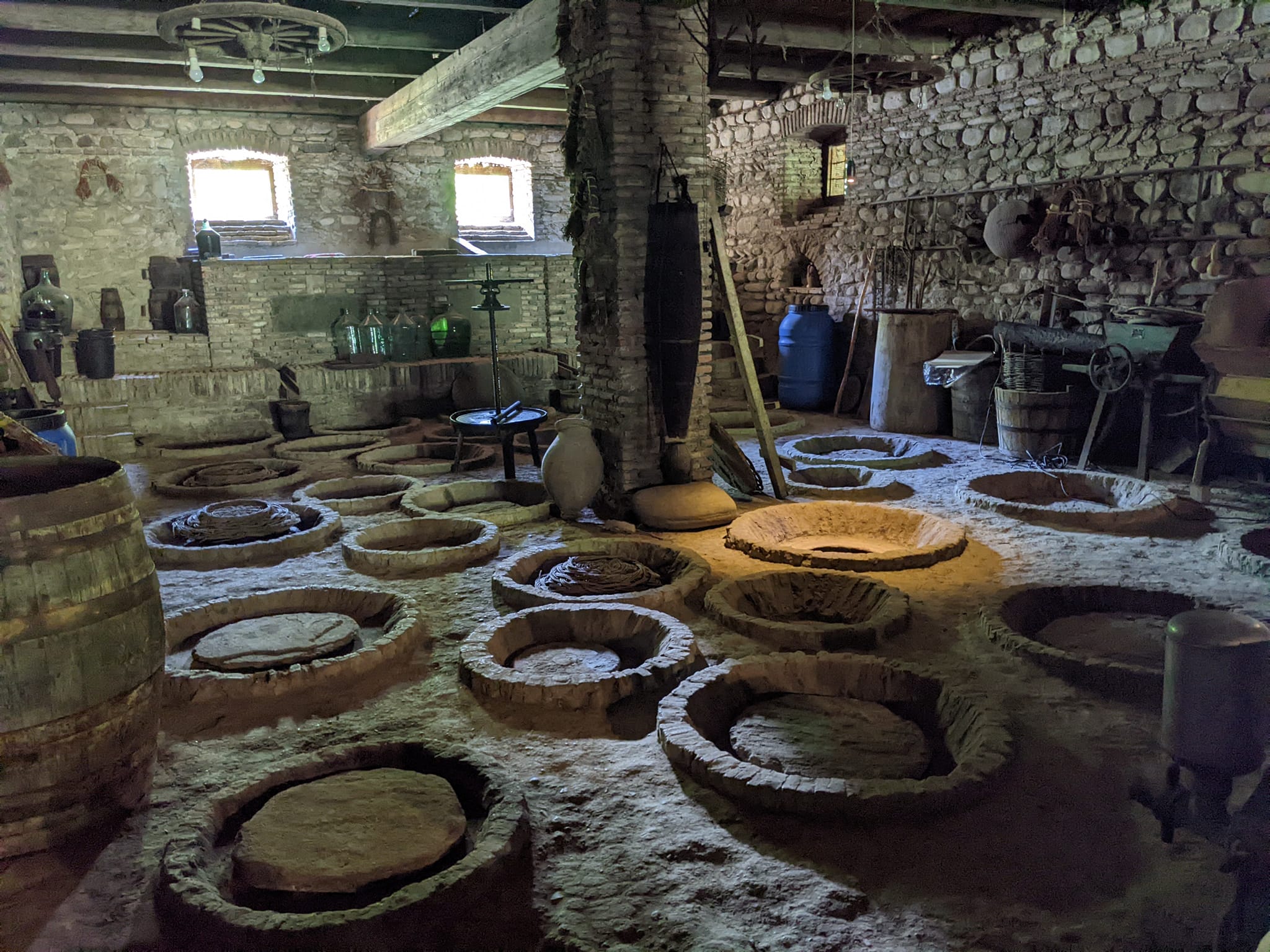
What makes Georgian wine different from everything in France or Italy comes down to one thing: the qvevri. These are large clay vessels — sometimes holding 2,000 liters — buried underground and used for both fermentation and aging. UNESCO recognized the qvevri method as intangible cultural heritage in 2013. The wines that come out of them, especially the amber wines (white grapes fermented with their skins for months), taste like nothing you’ve tried before. Rich, textured, tannic in ways you don’t expect from a white wine. They’ve become almost cultishly popular in natural wine circles around the world.
Spring is an especially good time for Kakheti because the vineyards are actively growing — bright green, photogenic, alive — without the harvest chaos of September–October. Winemakers are more relaxed, more willing to sit and talk and pour something special they might keep hidden during the busy season.
Organic Wine Tour in Kakheti
A full day through three handpicked organic wineries where the winemakers actually sit with you, explain what they do, and pour wines you can’t buy outside Georgia. You’ll taste directly from qvevri, eat bread baked in a traditional clay oven, and have a long lunch looking out at the Caucasus Mountains.
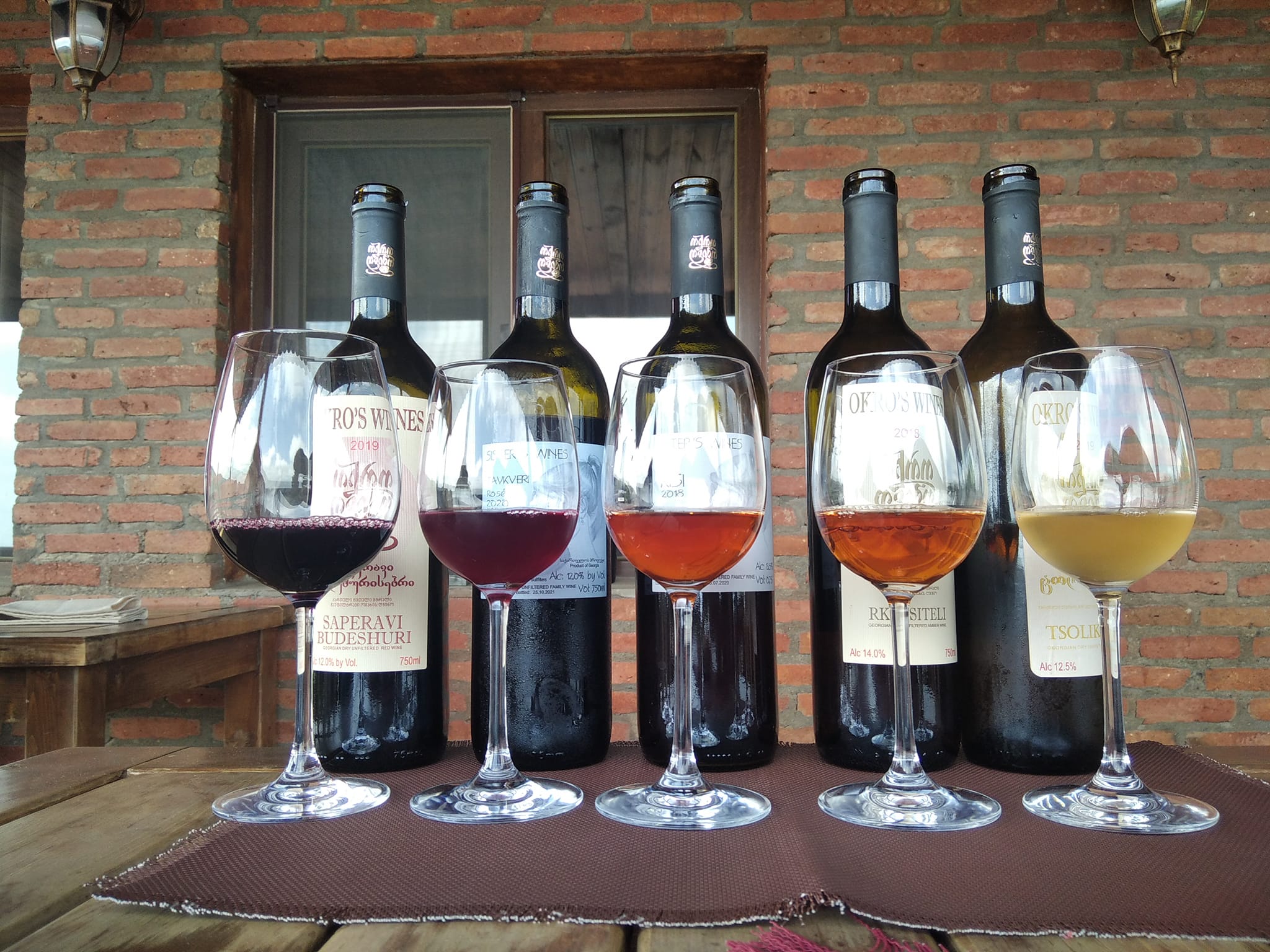
What you’ll see: Vellino Winery (Beqa’s exceptional amber wines), Okro’s Wines in hilltop Sighnaghi (rare Kisi and Mtsvane varietals), lunch at Mosmieri with Alazani Valley views, a qvevri workshop with master craftsman Zaza near Telavi, plus a stop at a family bakery for fresh shotis puri and local Guda cheese.
Pricing: From $100/person (group of 10) to $190/person (couple). Children under 18 get 50% off.
View Full Itinerary & Book →Why this tour, specifically
Most wine tours in Kakheti bus you through the big commercial wineries — the ones with gift shops, tour groups of 40, and wines made for export. The Organic Wine Tour we run at Highlander Travel goes in the opposite direction. We take you to small, family-run estates where the winemaker is the owner, the owner is the person pouring your glass, and the grapes are grown without synthetic chemicals because that’s how their grandparents did it — long before “organic” was a label anyone marketed.
At Vellino, Beqa Jimsheladze is part of a new wave of Georgian vintners: young, formally trained, but fiercely committed to traditional qvevri methods. He’ll walk you into his cellar and let you taste straight from the buried vessels if the timing’s right. At Okro’s Wines, just outside Sighnaghi, Jenny took over her family vineyard in 2008 and converted everything to organic. She’ll tell you stories about the struggles of organic viticulture in this climate — and then pour you a Kisi that makes you forget she was talking.
The tour finishes at a qvevri workshop near Telavi. Zaza is one of maybe a dozen people in Georgia who still know how to build these massive clay vessels by hand. The process takes a full year per qvevri. Watching him work, you start to understand that Georgian wine isn’t really about flavour profiles or tasting notes — it’s about an unbroken chain of craft stretching back to the Neolithic.
Many traditional Georgian winemakers have always been organic without the paperwork. Synthetic pesticides and commercial yeasts weren’t part of the tradition — families used what they had, which was clay, grapes, and time. Today’s certified organic producers are essentially returning to old methods while meeting international standards. The wines tend to express their specific place more clearly. In spring, when the new vintage is just settling, that freshness really comes through.
Other Kakheti day tours worth considering
Wine isn’t the only reason to visit Kakheti. The region has a concentration of fortresses, monasteries, and one of the most photographed towns in the country. Here are two trips that work well as standalone days or combined with a wine tour on a separate day:
Kakheti Tour – Town of Love
Telavi’s fortress, the Alazani Valley, Tsinandali Palace with its beautiful gardens, and Sighnaghi — the walled hilltop town Georgians call the “City of Love.” Great for couples and photographers.
David Gareja & Sighnaghi Tour
The David Gareja monastery carved into semi-desert hills near the Azerbaijani border — starkly beautiful and totally different from anything else in Georgia. Then on to Sighnaghi for panoramic Alazani views.
Best One-Day Tours from Tbilisi in Spring
Tbilisi’s location makes it a natural launchpad. In under two hours you can be standing inside a 6th-century monastery, walking through a cave city older than Rome, or tasting wine from an underground clay vessel in the Alazani Valley. Spring makes all of these trips better — softer light, greener landscapes, and temperatures that let you actually enjoy being outside instead of hiding from the heat.
Mtskheta, Gori & Uplistsikhe
This is the day trip that most travelers do first, and for good reason. Mtskheta, the ancient capital, is just 20 minutes from Tbilisi but feels like a different century. Jvari Monastery sits on a cliff above the meeting point of the Mtkvari and Aragvi rivers — the view in spring, with the hills impossibly green and the water high from snowmelt, is one of those moments you’ll think about for years. Below, Svetitskhoveli Cathedral (11th century) is one of the most sacred sites in Georgian Christianity and a genuine architectural marvel.
From there the tour heads west to Gori, where you’ll find a surprisingly thorough museum dedicated to its most famous (or infamous) son, Joseph Stalin. It’s a weird visit — part history lesson, part propaganda showcase, part reckoning with a complicated legacy. Worth seeing regardless of your political leanings.
The real highlight is Uplistsikhe, an Iron Age cave town carved into a sandstone ridge above the Mtkvari River. At its peak it housed 20,000 people and sat on the Silk Road. In spring, wildflowers push through cracks in the ancient stone, and you can walk the streets of a city that was already old when Alexander the Great was alive.
Mtskheta, Gori & Uplistsikhe Tour
Three UNESCO-connected sites in one comfortable day. Private guide, transport, hotel pickup.
Short on time? Mtskheta alone
If you only have half a day, the Mtskheta Tour covers Jvari and Svetitskhoveli in 4–5 hours. At $60 per person it’s one of the best-value excursions anywhere in the Caucasus, and it leaves your afternoon free for Tbilisi’s old town, sulfur baths, and wine bars.
Tbilisi itself
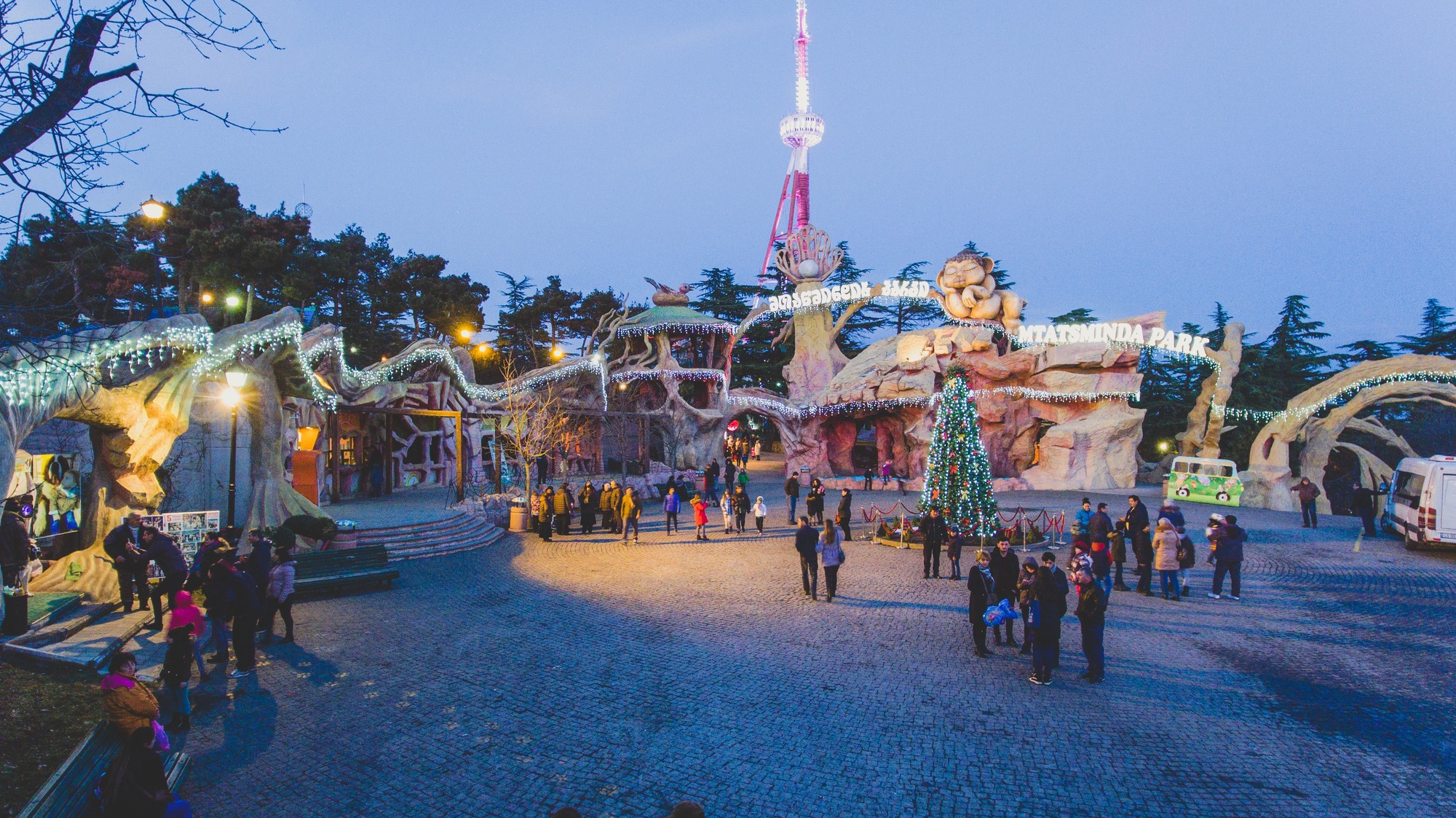
Don’t skip the city. Tbilisi is walkable, layered with history, and genuinely beautiful in spring. The Old Tbilisi City Tour covers the sulfur bath district of Abanotubani, the cable car up to Narikala Fortress for sunset views, Rustaveli Avenue’s mix of art nouveau and Soviet modernism, and the narrow streets of the old town where every other door opens into a wine bar or a courtyard you weren’t expecting.
All spring day trips at a glance
| Tour | Duration | From (USD) | Best For |
|---|---|---|---|
| Organic Wine Tour, Kakheti | Full day | $170 | Wine lovers, foodies, couples |
| Kakheti – Town of Love | Full day | $150 | Culture, history, photography |
| Mtskheta, Gori & Uplistsikhe | Full day | $100 | History, UNESCO sites, Silk Road |
| David Gareja & Sighnaghi | Full day | $100 | Adventurous travelers, desert monasteries |
| Mtskheta Half-Day | 4–5 hours | $60 | Short stays, budget-friendly |
| Old Tbilisi City Tour | 4 hours | $50 | First-time visitors, city lovers |
Vardzia: The 2-Day Tour That’s Worth Every Hour
I need to be honest about something before I even start selling you on Vardzia: it’s over 250 kilometres from Tbilisi. A lot of companies offer it as a day trip. We don’t, and the reason is simple — you’d spend 10 hours in a car and maybe 90 minutes at the actual site, arriving tired and leaving frustrated. That’s not travel; that’s a driving endurance test with a photo stop in the middle.
Our 2-day Vardzia tour never exceeds 350 km of driving in a single day. You arrive at the cave monastery in the late afternoon, sleep nearby, and explore Vardzia the next morning when the light is low and the tourists are absent. The difference in experience is enormous.
And Vardzia deserves that level of attention. It’s a 12th-century cave monastery carved into a sheer volcanic cliff — over 6,000 rooms across 13 levels, commissioned by Queen Tamar during the height of the Georgian Golden Age. The surviving frescoes in the Church of the Assumption are some of the most important medieval art in the Caucasus. The irrigation system, still partially functional 800 years later, still impresses engineers. It’s not just a pretty ruin. It’s evidence of an extraordinarily ambitious civilization.
Discover Ancient Georgia: 2-Day Vardzia Tour
Vardzia cave monastery at dawn. Borjomi’s mineral springs. The grand Rabati Fortress in Akhaltsikhe. Sapara Monastery’s medieval frescoes hidden in the forest. Khertvisi Fortress guarding the valley. All at a pace that lets you actually absorb what you’re seeing.
Day 1: Tbilisi → Borjomi Park → Rabati Fortress (Akhaltsikhe) → Sapara Monastery → Khertvisi Fortress → overnight near Vardzia.
Day 2: Morning exploration of the Vardzia cave complex → Paravani Lake → return to Tbilisi.
Price: From $268 per person (based on group of 2)
View Full 2-Day Itinerary →Why spring is the right time for Vardzia
The Samtskhe-Javakheti region sits higher than Kakheti, so it runs a few degrees cooler — which in April and May means fresh mornings, green meadows, and wildflowers across the volcanic plateau rather than the dusty heat of midsummer. The Mtkvari River valley, which you follow south from Borjomi to reach Vardzia, is at its most dramatic with snowmelt swelling the current. And because this part of Georgia sees fewer visitors than Kakheti or Mtskheta, spring means you’ll often have the cave complex largely to yourself — just you, the stone, and 800 years of silence.
Queen Tamar — arguably the most important figure in Georgian history. She inherited the throne from her father George III and presided over the Georgian Golden Age, a period of military expansion, artistic flourishing, and architectural ambition that produced Vardzia, Gelati, and many of the country’s most important monuments. In Georgia today, Tamar is everywhere: on banknotes, in street names, in the stories grandparents tell their grandchildren. Visiting Vardzia is visiting her legacy, and it holds up remarkably well eight centuries later.
Imereti: Kutaisi, Caves & UNESCO Monasteries
Kakheti gets the wine tourists. Vardzia gets the history crowd. Imereti somehow gets overlooked — which is a shame, because this region in western Georgia has some of the country’s most impressive sights and a totally different feel from the east. It’s lusher, greener, and wetter. The landscape looks more like northern Spain than the Caucasus. And it’s centred around Kutaisi, Georgia’s second city and the ancient capital of Colchis — the kingdom from the Greek myth of Jason and the Golden Fleece.
What to see
Gelati Monastery is the standout. Founded in 1106 by King David the Builder, it’s a UNESCO World Heritage Site with interior frescoes and mosaics that rank among the finest surviving medieval art in the Caucasus. I’ve visited dozens of times and still notice new details in the painted saints and the mosaic of the Virgin in the apse. Nearby, Motsameta Monastery sits above a deep river gorge, connected by a bridge that feels like it floats over the forest canopy. Both are magnificent in spring when the surrounding oak forests are fully leafed out.
For something completely different, Sataplia Nature Reserve has an impressive cave, real dinosaur footprints preserved in limestone (kids go absolutely wild for these), and a glass observation platform with panoramic views of the Imereti valleys. Prometheus Cave is one of Europe’s great show caves — illuminated formations, underground rivers, and a boat ride through subterranean chambers that feels almost theatrical. And if you want raw nature, Martvili Canyon offers boat rides through a narrow limestone gorge where waterfalls spill from moss-covered walls above you.
Kutaisi City Tour: Gelati & Sataplia
UNESCO Gelati Monastery, Motsameta Monastery, Sataplia cave and dinosaur tracks — all in one day.
Kutaisi has its own international airport served by budget carriers from across Europe — Wizz Air, for example, flies there from several cities. It’s a legitimate alternative entry point to Georgia. From Tbilisi, Kutaisi is about 230 km (roughly 3.5 hours by road). Tours from Kutaisi can be arranged directly, or you can fold Imereti into a longer multi-day itinerary from Tbilisi.
Spring Travel Planning: Weather, Prices & Practical Tips
Weather
Tbilisi: 12°C in early April to 28°C in late June. Kakheti tracks similarly with slightly less rain. Vardzia’s region (Samtskhe-Javakheti) runs a few degrees cooler because of the altitude. Imereti is warmer but wetter — bring a light rain jacket. Pack layers regardless. Mornings can be crisp even when afternoons are warm, and wine cellars stay cool year-round.
Prices and booking
Spring is Georgia’s shoulder season, so you’ll find hotel rates lower and availability better than in July–August. That said, May is becoming increasingly popular as word gets out, so book tours at least a week ahead if you can. All tours in this guide are private — your group, your guide, your vehicle, your pace. That’s standard for quality operators in Georgia and it means your day is never held hostage by strangers’ preferences.
Visas
Citizens of the EU, UK, USA, Canada, Israel, Australia, and most other nationalities can enter Georgia visa-free for up to one year. Just bring a valid passport. Georgia’s entry policy is one of the most open in the world — it’s a genuine competitive advantage and one of the reasons tourism has grown so quickly.
Getting around
Georgia has marshrutkas (shared minivans) and trains, but honestly, the destinations in this guide are best explored with a private driver-guide. Roads outside the main highways vary in quality, Google Maps will occasionally route you down a dirt track it thinks is a highway, and a local guide transforms every site from a photogenic stop into a story you’ll remember. When your wine tour guide has a Georgian Wine Association certification and knows each winemaker by name, it’s a completely different experience from driving yourself between tasting rooms.
We build custom itineraries for exactly this kind of trip — whether you have three days or three weeks. Tell us what you’re interested in, how you like to travel, and what your budget looks like, and we’ll design something that works. Email tours@georgia-tours.eu or message us on WhatsApp at +995 577 748 793.
Frequently Asked Questions
It’s one of the best. April through June gives you temperatures between 15 and 25°C in Tbilisi, blooming vineyards in Kakheti, wildflowers around Vardzia, and manageable tourist numbers everywhere. Hotel rates are lower than summer, guides have more time for you, and the lowland destinations covered in this guide — Kakheti, Imereti, Mtskheta, Samtskhe-Javakheti — are fully accessible and at their most beautiful.
The top picks are the Organic Wine Tour in Kakheti (three organic wineries, Sighnaghi, qvevri workshop — from $170), the Mtskheta, Gori & Uplistsikhe tour (UNESCO sites and an Iron Age cave city — from $100), and the David Gareja & Sighnaghi trip (desert monasteries and panoramic views — from $100). All include private transport, guide, and Tbilisi hotel pickup.
With Highlander Travel, a full-day organic wine tour runs $100–$190 per person depending on group size. That covers private transport, a wine specialist guide, tastings at three organic wineries (12–15 wines total), traditional Georgian lunch with wine, artisan bread tasting, qvevri workshop visit, and hotel pickup and drop-off in Tbilisi. Children under 18 get 50% off.
You can, but I’d strongly advise against it. The round trip is over 500 km — that’s 10+ hours of driving with brief, rushed photo stops. A 2-day tour (from $268/person) lets you explore Borjomi, Rabati Fortress, Sapara Monastery, and Khertvisi Fortress on day one, then spend a proper morning at Vardzia itself when it’s quiet and the light is perfect. The difference in experience quality is night and day.
Layers. Daytime is comfortable (15–25°C) but evenings can be cool, especially at Vardzia’s elevation. Bring comfortable walking shoes — you’ll be on cobblestones in old towns and uneven ground at wineries and cave cities. A light waterproof jacket handles the occasional spring shower. Sunscreen and a hat for sunny days. A light sweater or scarf for wine cellars (they stay cool) and church visits (women should cover shoulders at monasteries).
It’s more than good — it’s unlike anything else in the world. Georgia has 8,000 years of unbroken winemaking tradition and over 500 indigenous grape varieties that don’t grow anywhere else. The qvevri method (UNESCO-recognized) produces amber wines with a texture and complexity that surprises even experienced wine drinkers. Saperavi reds are bold, tannic, and built for food. Georgian wine has gone from obscure to cultishly popular in natural wine circles over the past decade — and once you taste it on site, you’ll understand why.
More than most people expect. Gelati Monastery (UNESCO, founded 1106) has some of the finest medieval frescoes in the Caucasus. Motsameta Monastery hangs above a river gorge. Sataplia Nature Reserve has a cave system, real dinosaur footprints, and a glass viewing platform. Prometheus Cave is one of Europe’s best show caves with underground boat rides. And Martvili Canyon offers boat trips through a narrow limestone gorge with waterfalls. A Kutaisi day tour covers the highlights from $75.
Most likely no. Citizens of the EU, UK, USA, Canada, Australia, Israel, and the majority of other countries enter Georgia visa-free for up to one year. You just need a valid passport. It’s one of the most open entry policies in the world.
Very. Georgia consistently ranks among the safest countries in Europe for travelers. Violent crime targeting tourists is extremely rare. Tbilisi is a city where locals leave laptops unattended in cafés — that tells you something about the general atmosphere. Solo female travelers report feeling safe and welcome. The usual common-sense precautions apply (watch your belongings in crowded areas, use licensed taxis or ride-hailing apps like Bolt), but overall, safety is one of Georgia’s strongest selling points.
A week is the sweet spot for most first-time visitors. That gives you 2–3 days in Tbilisi (including a Mtskheta half-day), a full day for the Kakheti wine tour, and either a 2-day Vardzia trip or a day in Imereti. If you have 10 days, you can comfortably do all of the above. Anything under 4 nights feels rushed — Georgia rewards a slower pace, especially in spring when the long evenings are made for lingering over dinner and wine.
Start with khachapuri — cheese-filled bread that varies by region (Adjaran khachapuri with egg and butter is the most famous). Khinkali are hefty dumplings filled with spiced meat and broth — eating them properly (pinch the top, bite, sip the juice) is a skill locals will happily teach you. Mtsvadi is Georgian barbecue, usually pork or beef on vine-wood skewers. Pkhali (walnut-paste vegetable dishes) are excellent for vegetarians. And the bread — especially shotis puri fresh from a clay oven — is some of the best you’ll eat anywhere. Pair everything with local wine. Georgian food and Georgian wine evolved together over millennia and it shows.

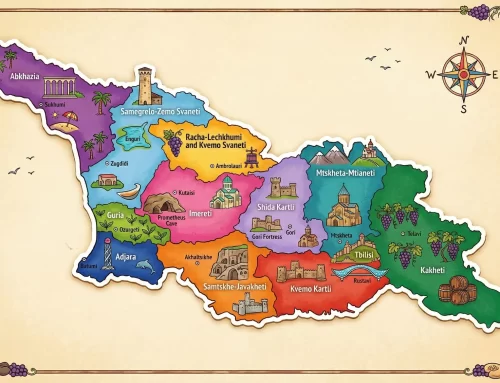
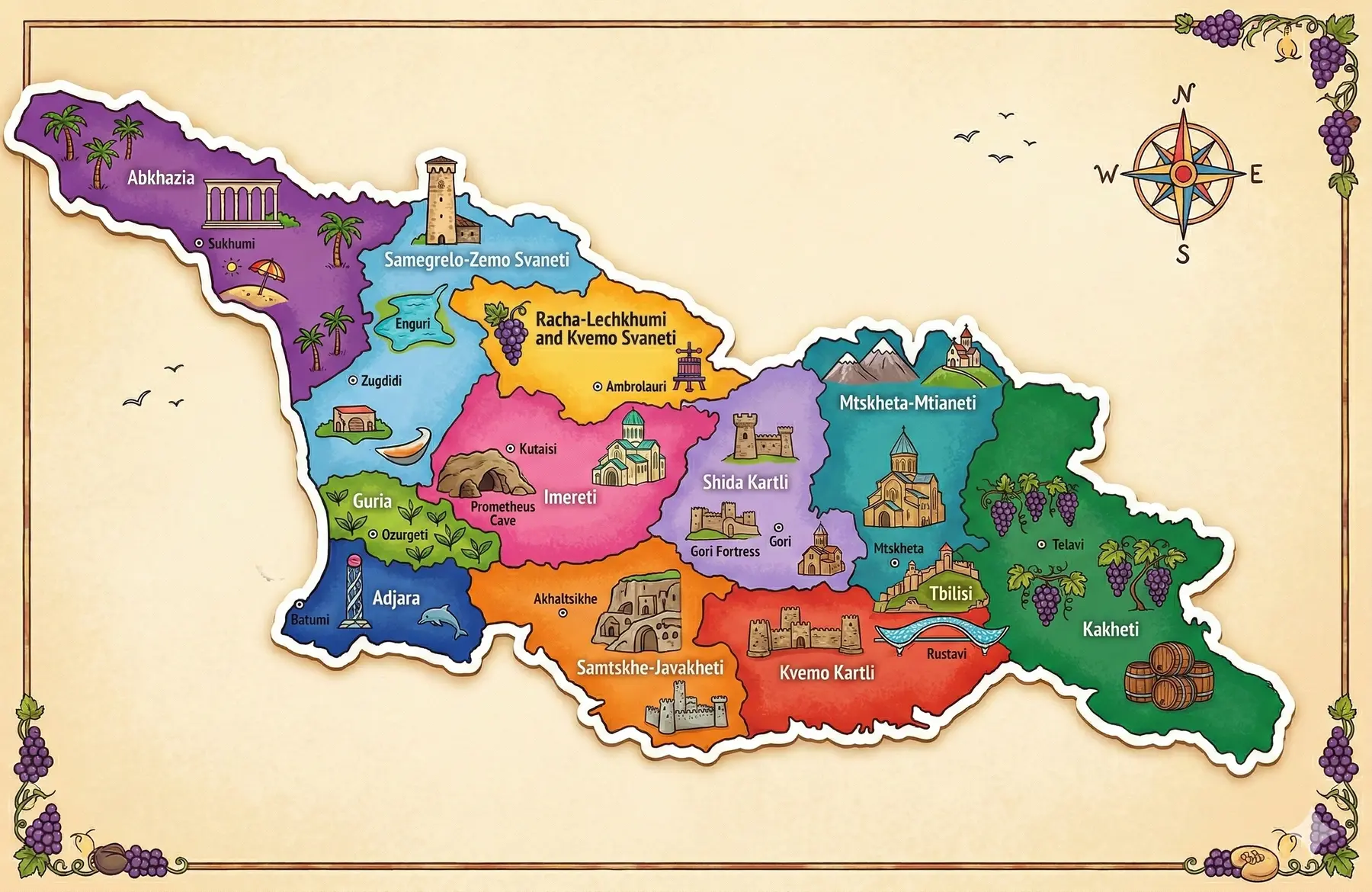
![Essential Travel Tips for Georgia: What First-Time Visitors Actually Need to Know in [current year]](https://www.georgia-tours.eu/wp-content/uploads/2026/03/map-of-georgia-1280x832.webp "What to Do in Georgia in Spring 2026 8")