Top 10 Places in Georgia You Should Visit in 2026
Georgia is no longer Europe’s best-kept secret, but in 2026, it remains one of its most rewarding destinations. Few countries offer such a range in such a compact space: glacier-backed mountain villages, ancient wine traditions still practiced in family cellars, cave cities carved into cliffs, and vast protected landscapes where silence is part of the experience.
What sets Georgia apart is not scale, but depth. Travel here is rarely about ticking off landmarks. It is about spending time with people, with landscapes, and with stories that are still very much alive.
This list brings together the ten places that matter most in Georgia in 2026, based on real travel patterns, on-the-ground accessibility, and what today’s travelers are actually looking for: authenticity, space, and meaning.
1. Svaneti (Mestia & Ushguli)

Svaneti is not just Georgia’s most dramatic mountain region – it is its most defining one.
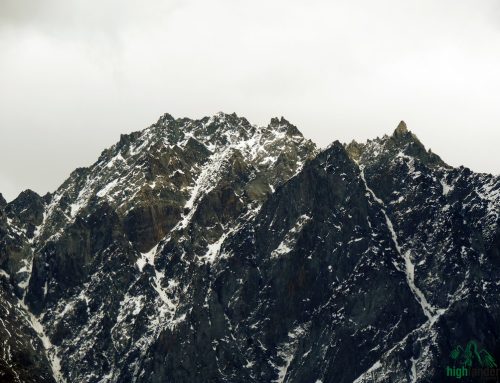
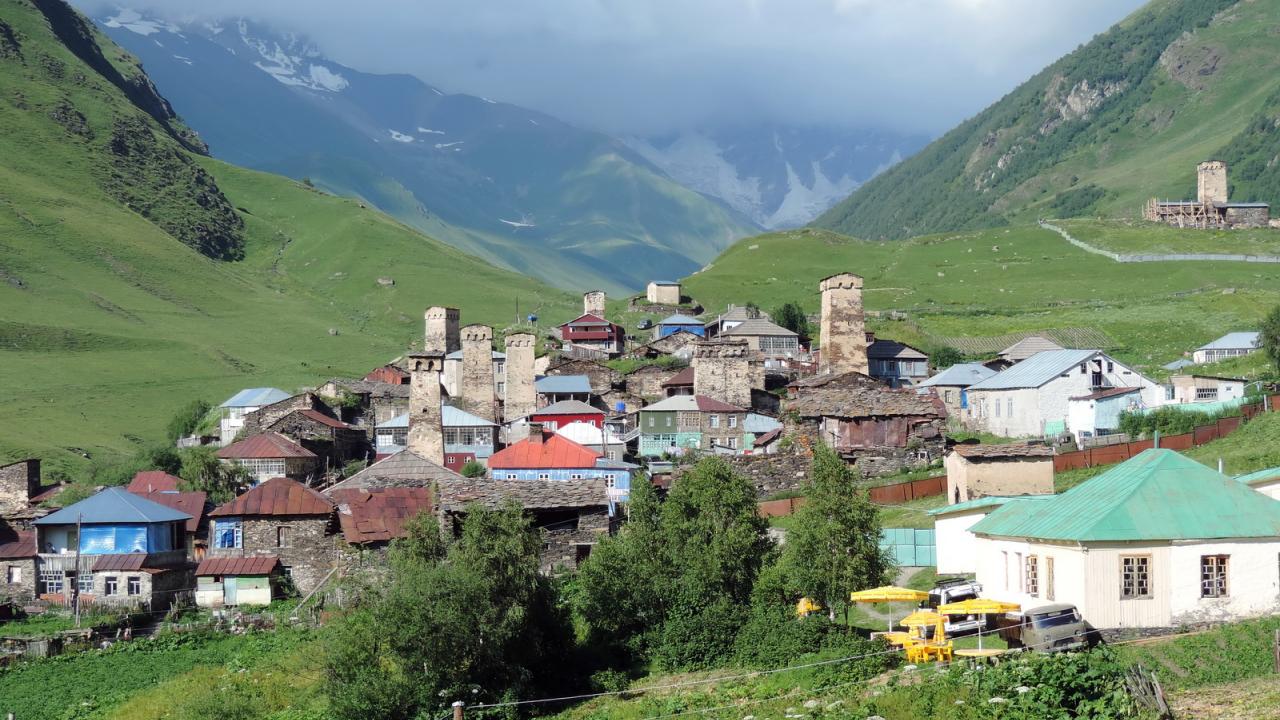
Stone towers rise from villages as they have for centuries, built for protection and survival rather than aesthetics. The mountains behind them are not decorative backdrops; they shape daily life. Even today, Svaneti feels governed by its geography.
Mestia has become the region’s main base, offering good access to hiking routes, museums, and comfortable guesthouses. Ushguli, higher and more remote, remains one of the highest permanently inhabited villages in Europe and a UNESCO World Heritage Site.
Svaneti rewards travelers who stay longer than planned. Weather changes quickly, paths lead further than expected, and conversations often stretch into shared meals.
Why it matters in 2026: Svaneti has reached a rare balance – accessible enough to visit comfortably, but still deeply itself.
2. Old Tbilisi
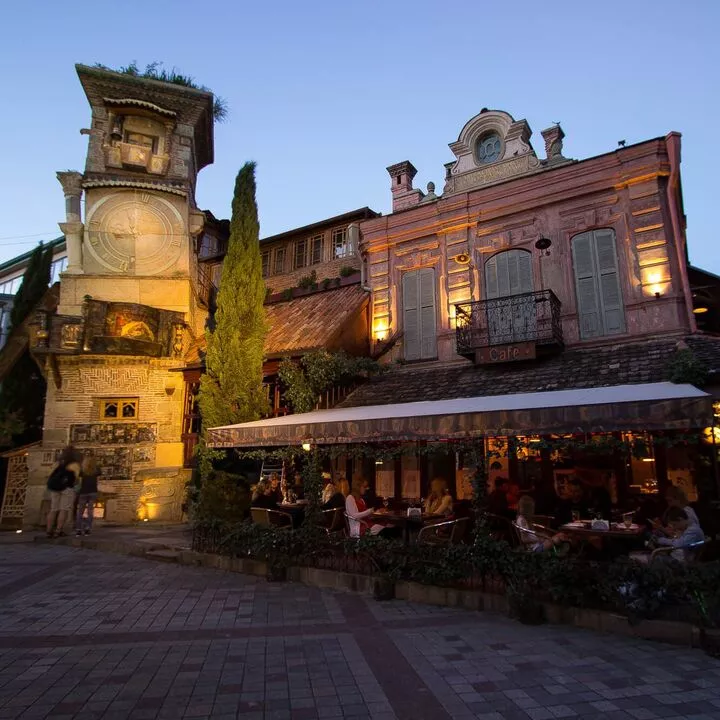
Old Tbilisi is not a single neighborhood, but a collection of layers.
Here, Persian bath domes sit below medieval fortifications. Wooden balconies lean toward narrow streets. Churches, mosques, and synagogues coexist within walking distance, not as symbols, but as everyday reality.
The historic districts – Abanotubani, Kala, Sololaki, Avlabari – are best explored without a plan. Some of the most memorable moments happen between landmarks: in courtyards, on staircases, or over a glass of wine poured without ceremony.
Tbilisi changes constantly, but Old Tbilisi resists polish. That resistance is part of its charm.
Why it matters in 2026: As the city grows more visible internationally, Old Tbilisi remains its grounding point.
3. Wine Villages of Kakheti
To understand Georgian wine, you have to leave the main roads.
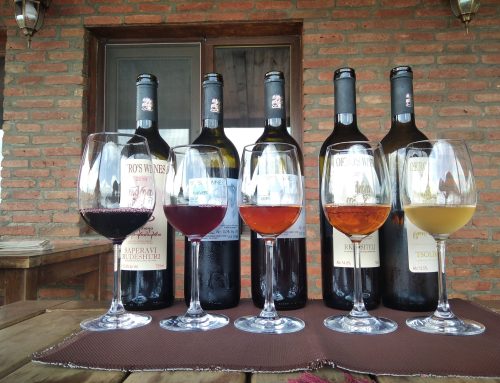
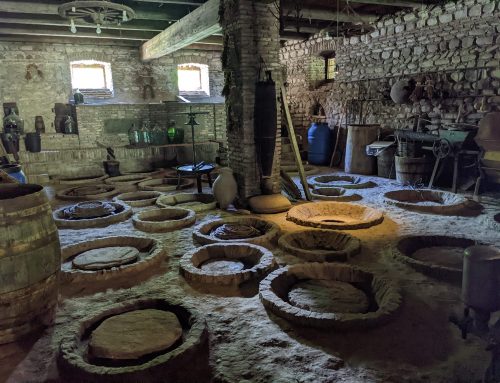
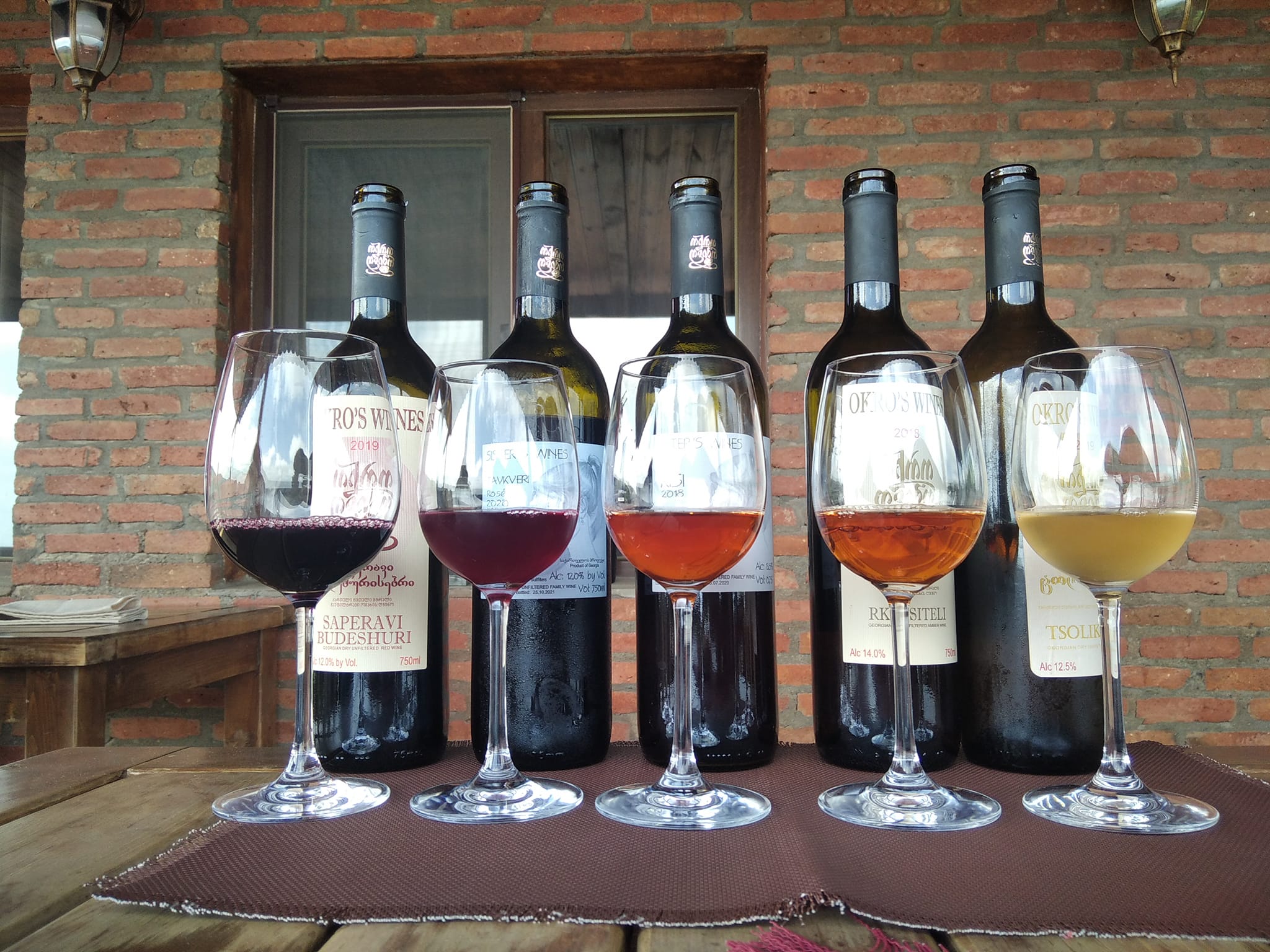
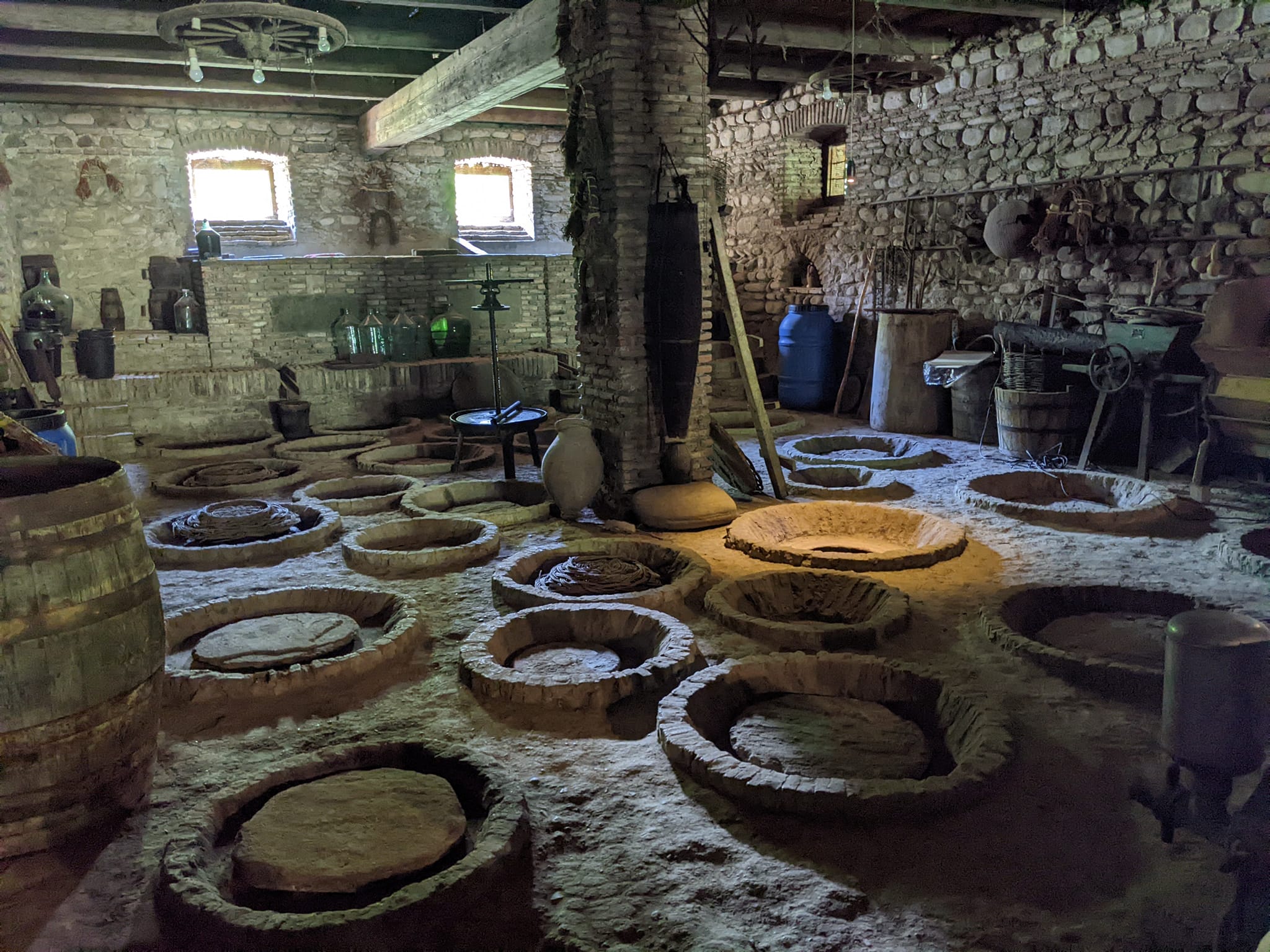
The heart of Kakheti lies in its villages, where wine is made at home, often underground, in clay qvevri buried beneath the earth. Villages around Napareuli, Tsinandali, Kvareli, and Sighnaghi still follow rhythms shaped by harvest seasons rather than tourism calendars.
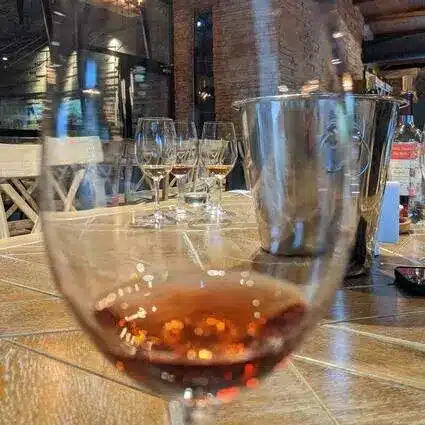
Wine tasting here rarely feels like an event. It is part of conversation, part of lunch, part of family history. Many travelers arrive curious about wine and leave talking just as much about hospitality.
Why it matters in 2026: Georgia’s wines are gaining international attention, but the village experience remains personal and uncommercial.
4. Vardzia
Vardzia is best approached slowly.
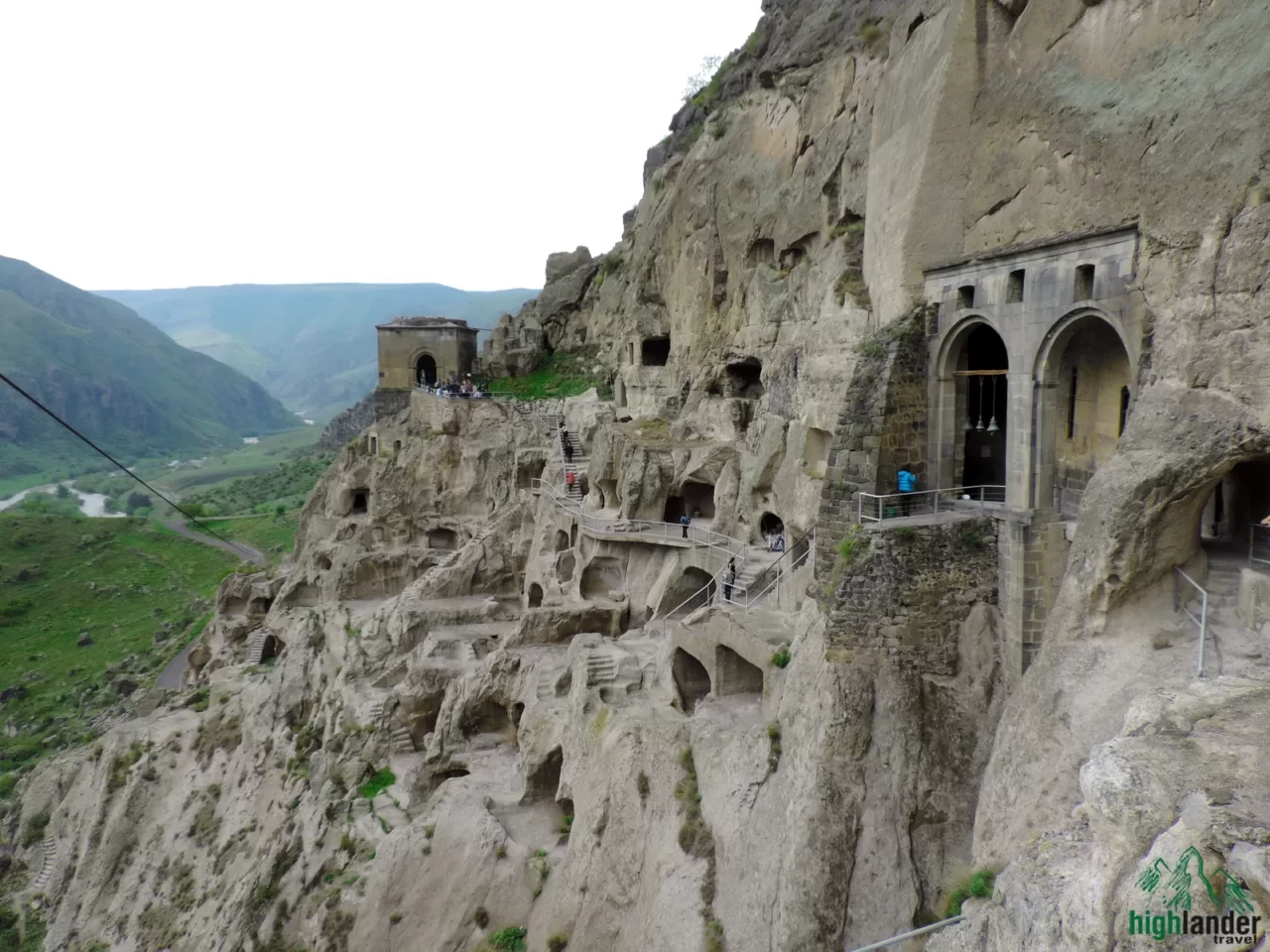
From a distance, the cliff face looks quiet, almost empty. Only when you draw closer do doors, tunnels, and windows reveal themselves. This was once a self-sustaining cave city — a place of refuge, worship, and learning.
Walking through Vardzia today is physically engaging. You climb, duck, and pause often, sometimes to read inscriptions, sometimes simply to take in the view over the Mtkvari River valley.
Late afternoon light brings out the texture of the rock and the scale of the site more clearly than any explanation.
Why it matters in 2026: Vardzia remains one of Georgia’s most powerful historical places, without being over-curated.
5. Borjomi–Kharagauli National Park
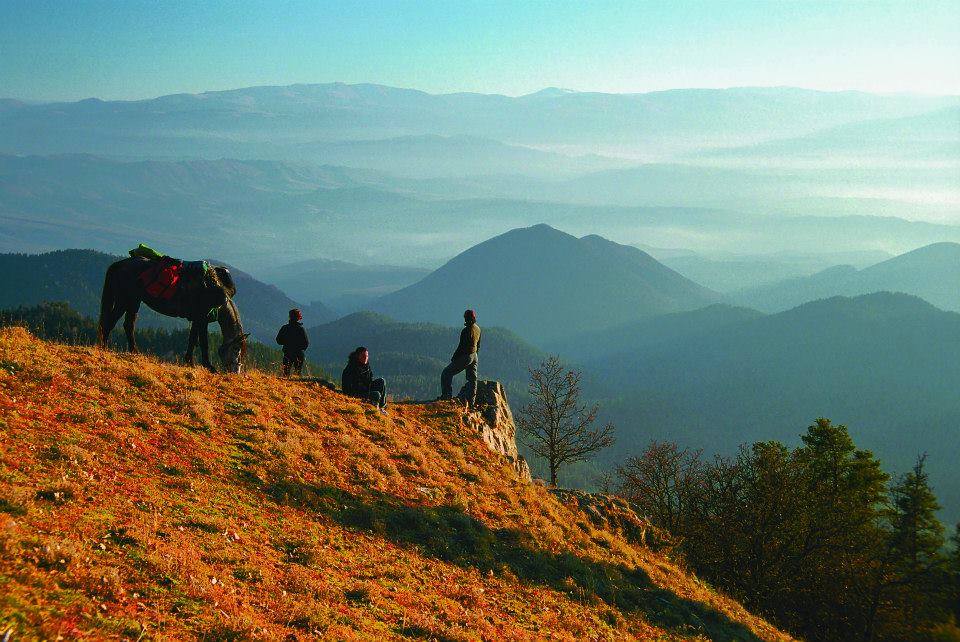
Borjomi–Kharagauli National Park is vast in a way that is difficult to convey on a map.
Marked trails pass through forests, alpine meadows, and high ridges, often without another person in sight. This is not a park for quick viewpoints; it is a place to walk for hours, sometimes days, and let the landscape set the pace.
Facilities are minimal but sufficient, and routes are well designed for independent hikers as well as guided multi-day treks.
Why it matters in 2026: As travelers seek quieter nature experiences, this park offers space without spectacle.
6. Tusheti
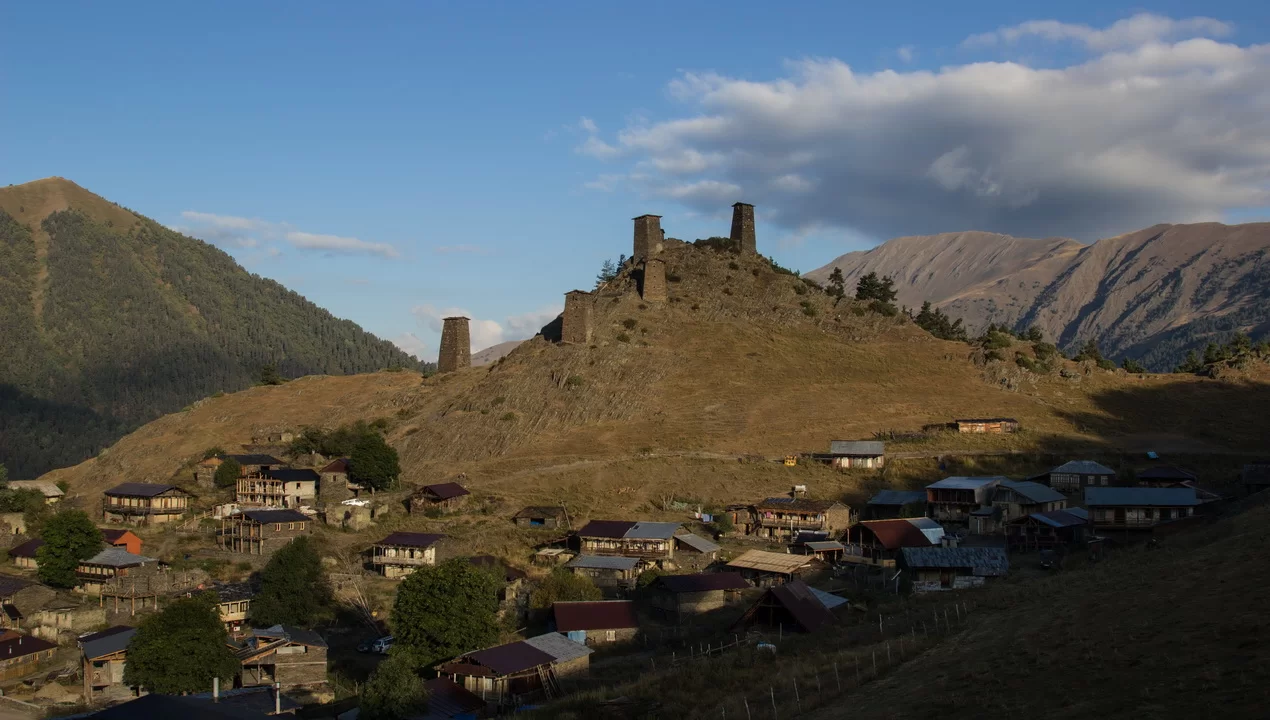
Tusheti is not easy to reach, and that remains part of its value.
Accessible only seasonally via a high mountain road, the region feels deliberately distant. Villages such as Omalo, Dartlo, and Shenako are built from stone and necessity, not decoration.
Life here follows mountain logic. Weather dictates plans. Distances feel longer than they appear. Visitors who adjust to this rhythm often find Tusheti unexpectedly grounding.
Why it matters in 2026: Tusheti represents a model of low-impact tourism that prioritizes preservation over volume.
7. Khevsureti
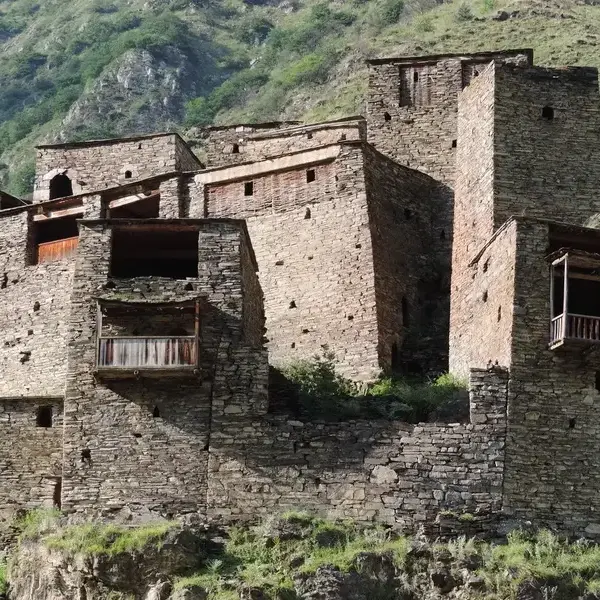
Khevsureti’s landscape is sharp, both visually and historically.
Fortified villages like Shatili and Mutso cling to cliffs, once guarding strategic routes through the Caucasus. Today they stand largely silent, shaped by wind, stone, and memory.
Hiking routes connect valleys and ridgelines, often revealing views that feel earned rather than staged.
Why it matters in 2026: Khevsureti remains one of the few places where Georgia’s medieval past is inseparable from its terrain.
8. Javakheti Plateau
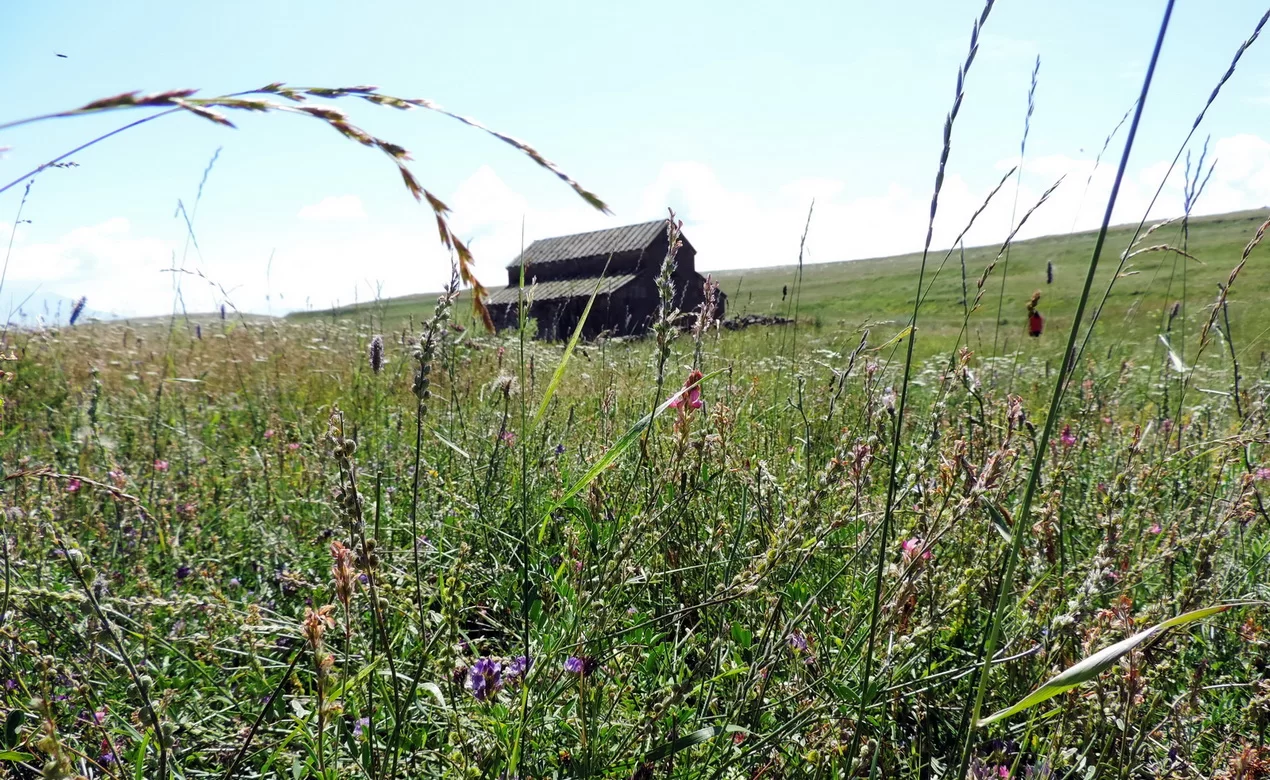
Javakheti feels open in a way few regions do.
The plateau stretches wide, shaped by ancient volcanic activity. Lakes reflect enormous skies. Roads are long and quiet. Villages are sparse, and time moves differently.
This is not a region of highlights, but of atmosphere. Travelers who appreciate minimalism in landscapes often find Javakheti unexpectedly compelling.
Why it matters in 2026: It offers something increasingly rare — space without distraction.
9. Kutaisi
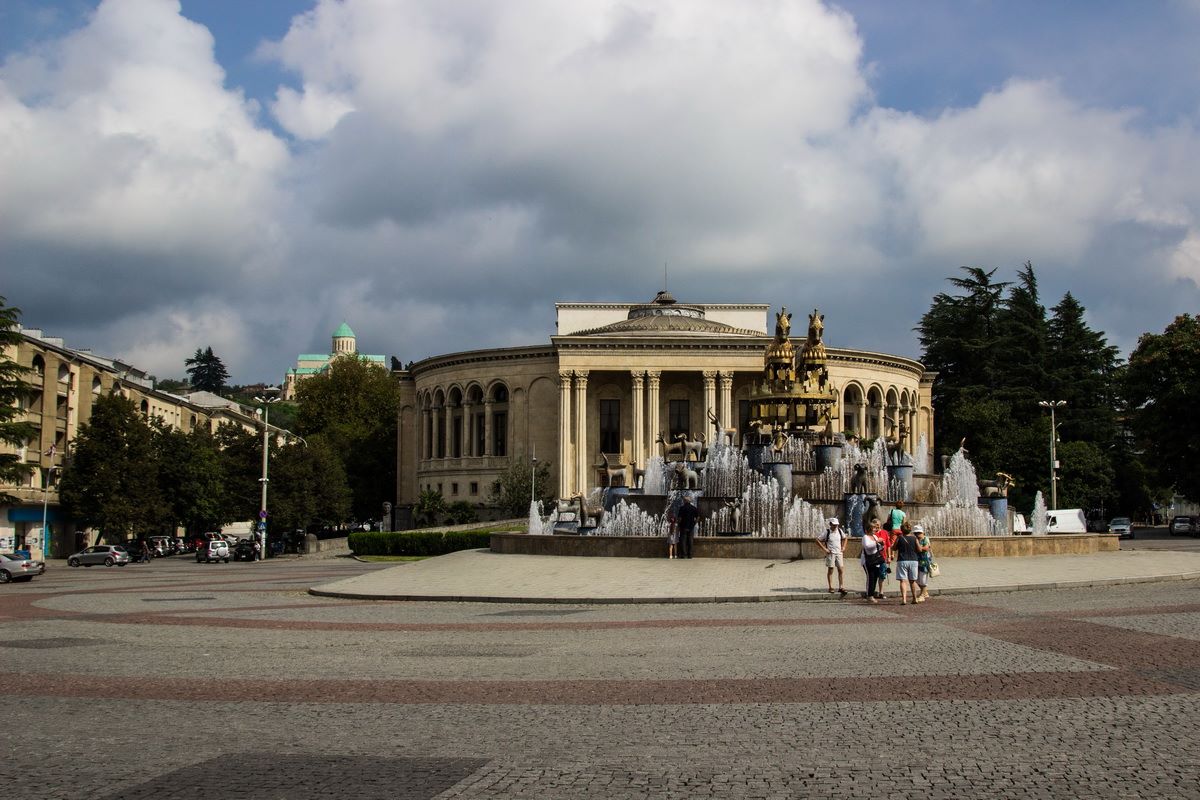
Kutaisi does not try to impress.
As one of Georgia’s oldest cities, it wears its history lightly. Life unfolds along the Rioni River, in markets, parks, and everyday rituals. Gelati Monastery, just outside the city, remains one of the country’s most important cultural landmarks.
Kutaisi works best as a pause – a place to slow down between mountain regions and the coast.
Why it matters in 2026: It offers cultural depth without urgency.
10. Abastumani
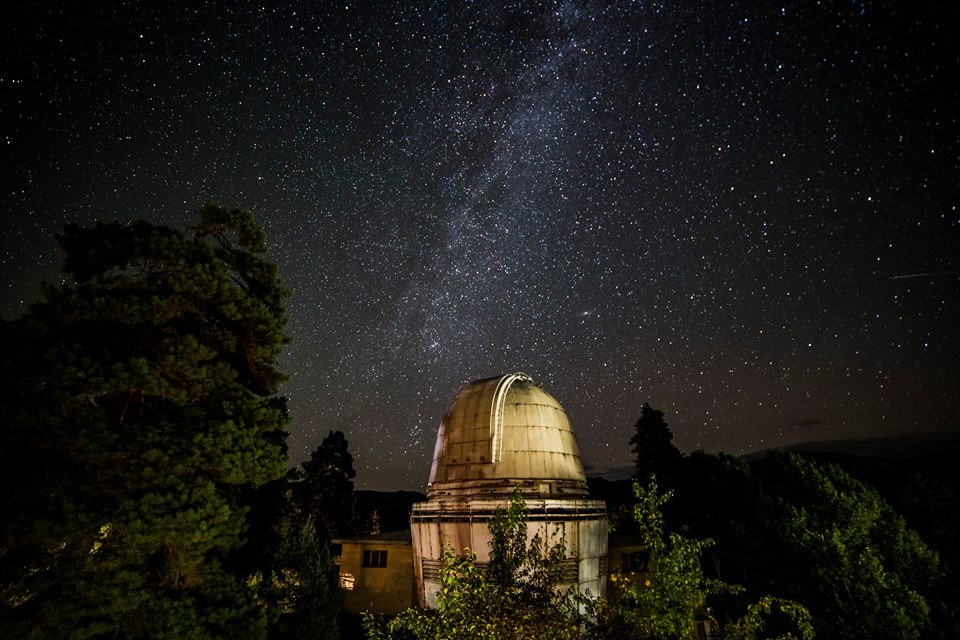
Abastumani has always been a place of retreat.
Set among forested hills, it is known for clean air, mineral springs, and Georgia’s historic astrophysical observatory. The town attracts visitors who are not looking to do much and are comfortable with that.
Walking trails, quiet streets, and cool evenings define the experience. On clear nights, you can visit the observatory for stargazing.
Why it matters in 2026: Wellness travel is evolving, and Abastumani fits naturally into that shift.
Final Thoughts: Why Georgia in 2026
Georgia in 2026 is not about novelty. It is about continuity.
These ten destinations reflect a country that still values time, place, and human connection. Whether you are exploring remote mountain regions or sitting at a family table in Kakheti, the experience feels grounded rather than curated.
For travelers willing to engage rather than rush, Georgia remains one of Europe’s most rewarding journeys.
❓ Frequently Asked Questions about Visiting Georgia in 2026
Is 2026 a good year to visit Georgia?
Yes. Georgia in 2026 offers improved infrastructure, expanded eco-tourism routes, and still remains far less crowded than most European destinations.
How many days do I need to visit Georgia properly?
Ideally, 8–14 days. This allows you to combine Tbilisi, wine regions, and at least one mountain area such as Svaneti or Kazbegi.
Which region of Georgia is best for first-time visitors?
A combination of Tbilisi, Kakheti, and Kazbegi or Svaneti offers the best introduction to Georgia’s culture, food, and landscapes.
Is Georgia safe for tourists?
Georgia is considered one of the safest countries in the region, with very low violent crime and strong hospitality toward visitors.
What is the best time to visit Georgia?
May–June and September–October are ideal for most regions. Mountain destinations like Tusheti and Svaneti are best from June to September.
Can I visit Georgia independently or should I book a tour?
Independent travel is possible, but guided tours are recommended for remote regions such as Tusheti, Khevsureti, and Javakheti for safety and cultural depth.