Old New Year: Meaning, Traditions, History & How It’s Celebrated
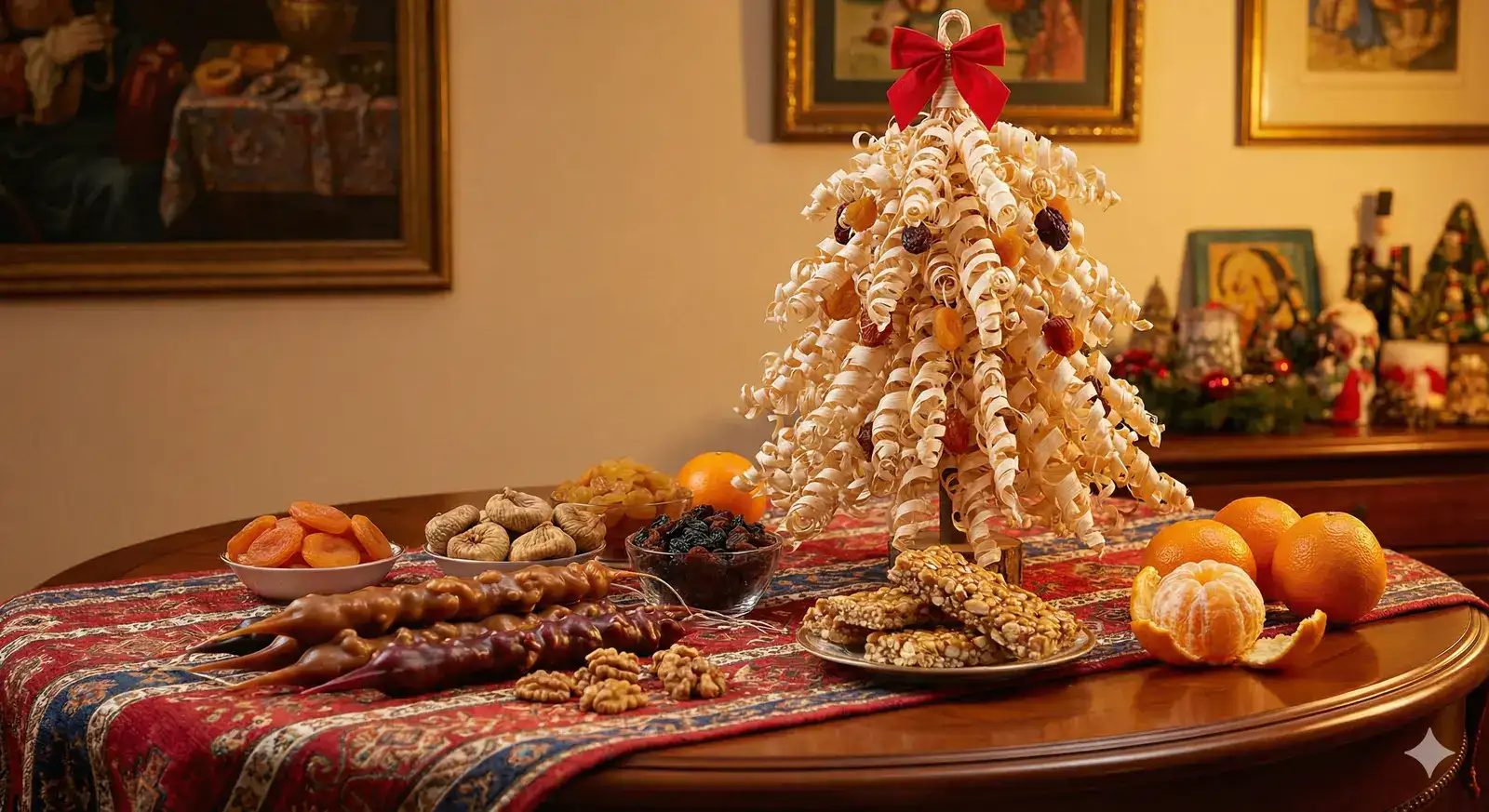
Just when you thought the holiday season was over, Georgia has a delightful surprise for you. While most of the world packs away decorations and returns to normal life after January 1st, Georgians are quietly preparing for another celebration. Welcome to the land where New Year comes twice, and both occasions are worth raising a glass of wine.
Why Does Georgia Have Two New Years?
The answer lies in calendars — specifically, the difference between the Julian and Gregorian calendars.
For centuries, much of the Christian world followed the Julian calendar, introduced by Julius Caesar in 46 BC. However, this calendar had a small but significant flaw: it was about 11 minutes too long each year. Over centuries, these minutes added up, causing the calendar to drift away from the astronomical year.
In 1582, Pope Gregory XIII introduced the Gregorian calendar to correct this drift. Most Western countries adopted it relatively quickly, but many Eastern Orthodox countries, including Georgia, continued using the Julian calendar for religious purposes. When Georgia eventually adopted the Gregorian calendar for civil use, a fascinating situation emerged: the old Julian New Year fell on January 14th according to the new calendar.
And so, a beautiful tradition was born. Georgians now celebrate the “regular” New Year on January 1st like most of the world, and then celebrate ძველით ახალი წელი — literally “New Year by the Old [calendar]” — on January 14th.
What Does ძველით ახალი წელი Mean?
The Georgian phrase ძველით ახალი წელი (pronounced roughly as “dzvelit akhali tseli”) translates to “New Year by the Old” or simply “Old New Year.” It might sound like an oxymoron, but it perfectly captures this unique celebration — a new year celebrated according to the old calendar.
This isn’t just a quirky historical footnote. For many Georgians, especially in rural areas, the Old New Year carries deep cultural and spiritual significance. It connects them to their ancestors, to Orthodox Christian traditions, and to a rhythm of life that predates modern calendars and international standardization.
Think of it as Georgia’s way of saying: why choose between old and new when you can embrace both?
Tbilisi vs. the Villages: Two Different Celebrations
Here’s something interesting that many visitors don’t realize: the Old New Year is celebrated quite differently depending on where you are in Georgia.
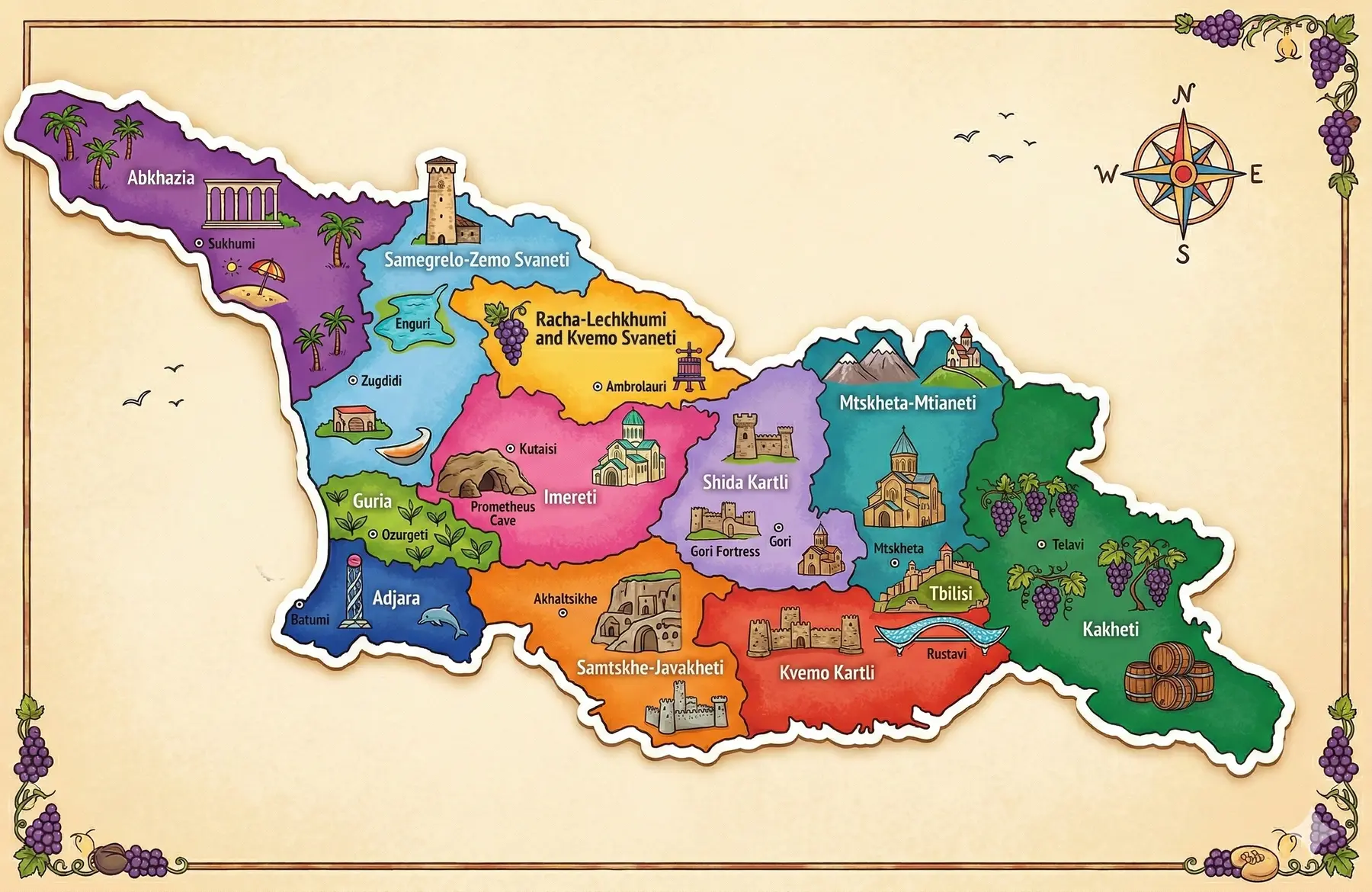
In Tbilisi: A Quiet Affair
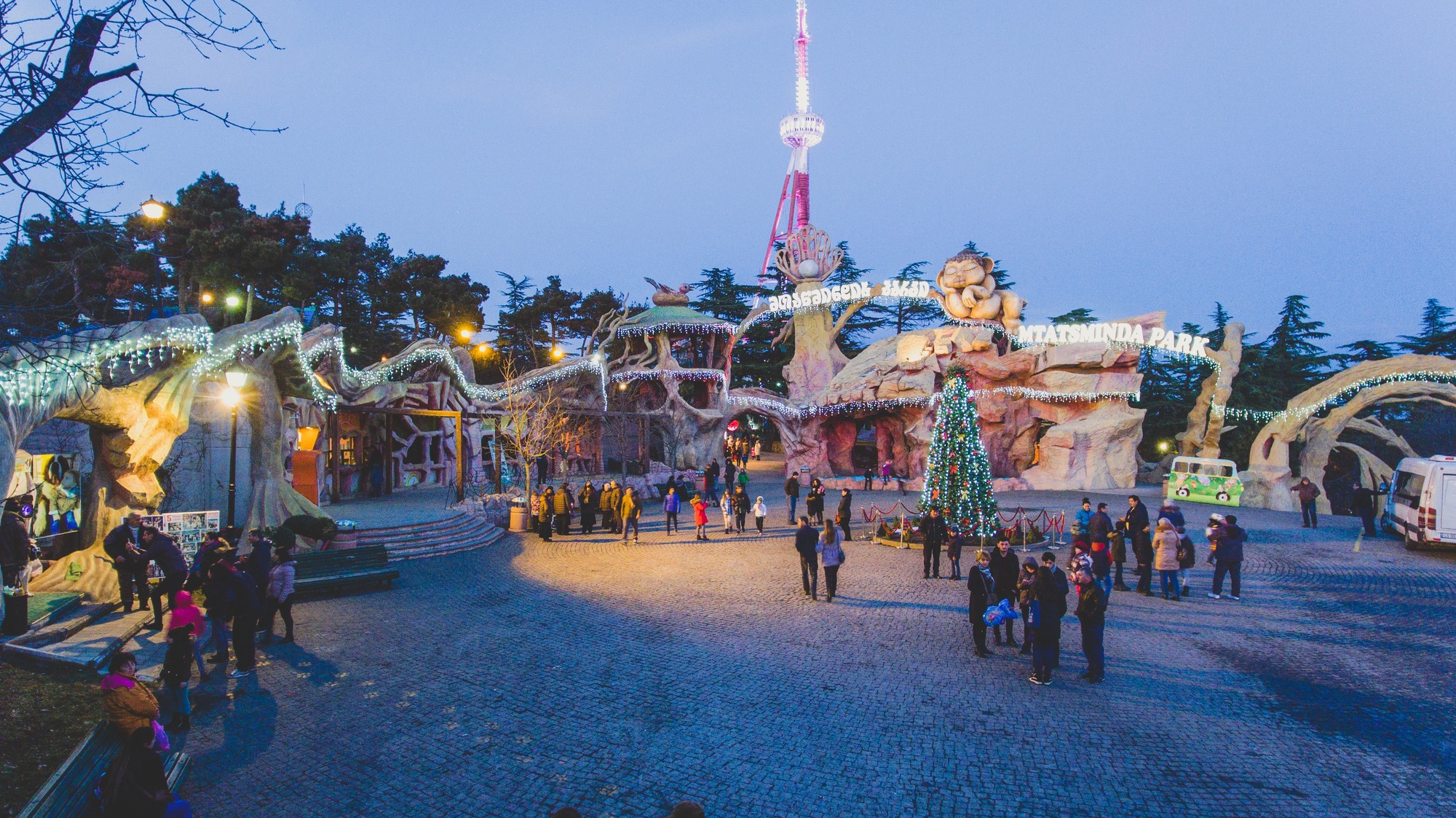
Walk through Tbilisi on January 14th, and you might not notice anything particularly special. The capital city, with its cosmopolitan atmosphere and fast-paced modern life, doesn’t make a huge fuss about the Old New Year. Most businesses operate normally, and while families might gather for a nice dinner, the elaborate celebrations that mark January 1st are notably absent.
This doesn’t mean Tbilisi residents have forgotten the tradition — they simply celebrate it more quietly, often as an intimate family occasion rather than a citywide event. You might find some restaurants offering special menus or small gatherings in homes, but the streets won’t be filled with fireworks and festivities.
For many urban Georgians, January 14th has become a gentle coda to the holiday season — one last excuse to enjoy leftover holiday treats, share a meal with family, and raise a toast before fully returning to everyday life.
In the Villages: Where Tradition Thrives
Travel to Georgia’s rural regions, and you’ll find a completely different story. In villages throughout the country, the Old New Year remains a significant celebration, observed with enthusiasm and adherence to traditions that have been passed down through generations.
Village celebrations often include special foods, traditional toasts, and gatherings that bring entire communities together. Elderly residents remember when the Old New Year was the primary celebration, and they’ve kept these customs alive for younger generations.
This urban-rural divide tells us something beautiful about Georgia: it’s a country that can simultaneously embrace modernity and preserve ancient traditions. The villages serve as living museums of Georgian culture, keeping customs alive that might otherwise fade in the rush of contemporary life.
Svaneti’s Special Celebration: ზომხა (Zomkha)
If you really want to experience the Old New Year in its most authentic form, there’s one destination that stands above all others: Svaneti.
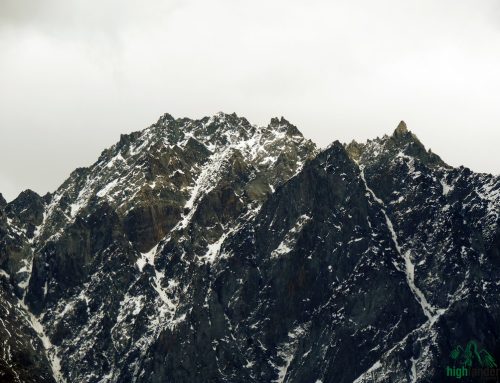
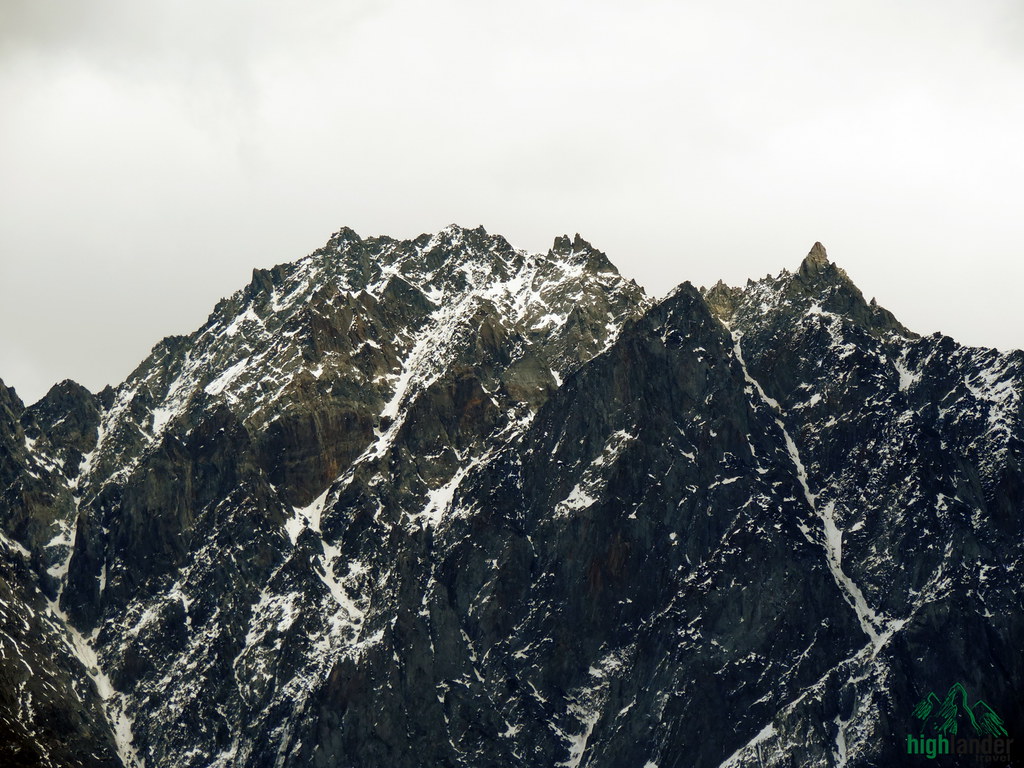
This remote mountainous region in northwestern Georgia is famous for its medieval tower houses, stunning landscapes, and fierce preservation of ancient traditions. Here, the Old New Year isn’t called ძველით ახალი წელი — it’s called ზომხა (Zomkha), and it’s one of the most significant celebrations of the year.
Zomkha in Svaneti is far more than just a date on the calendar. It’s a multi-day celebration filled with rituals, feasting, and customs that date back centuries. Families prepare special dishes, communities gather for celebrations, and ancient rituals are performed to ensure prosperity and protection for the coming year.
The Svans — the indigenous people of this region — have maintained their unique culture despite centuries of isolation in their mountain valleys. Zomkha represents this cultural preservation at its finest. Witnessing this celebration offers visitors a rare glimpse into traditions that have remained largely unchanged for hundreds of years.
If you’re planning to visit Svaneti during Zomkha, prepare for an unforgettable experience. The hospitality is legendary, the food is abundant, and the sense of participating in something genuinely ancient is profound.
Why the Old New Year Matters
In our increasingly globalized world, traditions like ძველით ახალი წელი might seem like quaint relics of the past. But they serve an important purpose — they connect us to our history, strengthen community bonds, and remind us that there’s more than one way to mark the passage of time.
For Georgia, the Old New Year is also a celebration of resilience. Throughout centuries of foreign invasions, occupations, and cultural pressures, Georgians have maintained their unique identity. Keeping traditions like the Old New Year alive is part of this cultural preservation — a way of honoring ancestors while looking forward to the future.
There’s also something wonderfully practical about it. After the intensity of December 31st celebrations, January 14th offers a second chance — to see friends you missed, to enjoy holiday foods one more time, or simply to extend the warmth of the holiday season a little longer.
How to Experience Georgia’s Old New Year
If you’re planning a winter trip to Georgia, timing your visit around January 14th can add a unique dimension to your experience. Here are some suggestions:
Visit a village: For the most authentic experience, arrange to spend the Old New Year in a rural area. Guesthouses in regions like Kakheti, Racha, or Adjara often host special dinners for the occasion.
Head to Svaneti: If you’re adventurous and don’t mind winter mountain conditions, Svaneti during Zomkha is extraordinary. Just be prepared for basic conditions and potential road closures due to snow.
Join a local family: Georgians are famously hospitable. If you’re fortunate enough to receive an invitation to a family celebration, accept it — you’ll experience genuine Georgian warmth and traditions firsthand.
Attend a supra: The traditional Georgian feast, or supra, takes on special significance during holidays. Look for restaurants or cultural centers hosting Old New Year supras with traditional toasts, songs, and dishes.
A Toast to Double Celebrations
Georgia is a country that knows how to celebrate. With two New Years on the calendar, Georgians have twice the opportunity to gather with loved ones, share abundant food and wine, and welcome fresh beginnings.
Whether you experience it in cosmopolitan Tbilisi, a traditional village, or the ancient towers of Svaneti, the Old New Year offers a window into Georgia’s soul — a culture that honors its past while embracing the present, that values community and family, and that never needs much excuse to set a beautiful table and raise a glass.
So here’s to ძველით ახალი წელი, to Zomkha, and to the wonderful Georgian tradition of celebrating twice. გილოცავთ ახალ წელს — Happy New Year, whichever calendar you choose to follow!