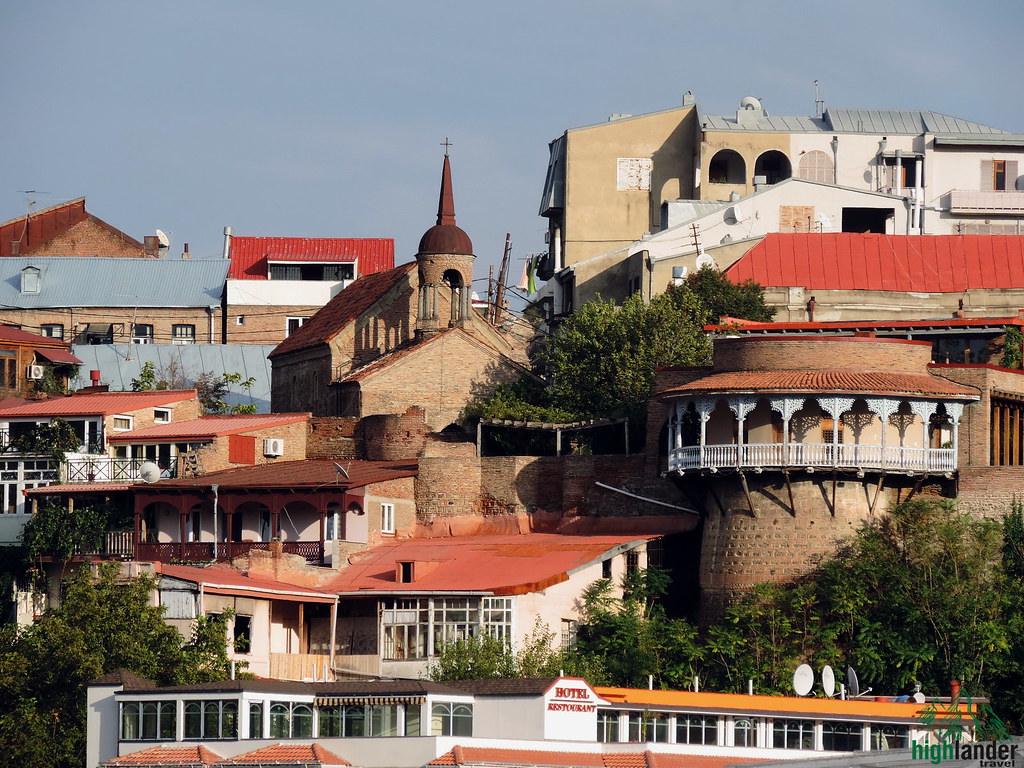
Abanotubani: Where Tbilisi Was Born
The Ancient Sulfur Bath District That Gave Georgia’s Capital Its Name
Stand in Abanotubani on a winter morning, and you’ll see steam rising from the earth itself, curling up from brick domes that have witnessed 1,500 years of Georgian history. This is where a hunting falcon changed the course of a nation, where Persian shahs sought healing, where Pushkin declared he’d never felt so clean, and where modern travelers still come to experience one of the world’s oldest continuous bathing traditions.
Abanotubani (აბანოთუბანი) translates simply as “bath district” in Georgian, but there’s nothing simple about this place. Nestled at the foot of Narikala Fortress, hidden between the Mtkvari River and the ancient city walls, this neighborhood is the spiritual birthplace of Tbilisi itself. The city’s very name comes from the Georgian word tbili (თბილი), meaning “warm”—a direct reference to these remarkable hot springs.
Quick Facts:
- Location: Old Tbilisi, at the base of Narikala Fortress
- Water temperature: 35-40°C (95-104°F) year-round
- Operating hours: 24/7 (most bathhouses)
- Entry: District is free; baths from 5 GEL (public) to 150+ GEL (private rooms)
- Best visited as part of: Old Tbilisi City Tour
The Falcon, the Pheasant, and the Birth of a Capital
Every Georgian knows the legend of how Tbilisi was founded, and it begins exactly where you’re standing.
In the mid-5th century, King Vakhtang I Gorgasali, one of the most celebrated rulers in Georgian history, was hunting in the forested valleys near the Mtkvari River. His prized falcon spotted a pheasant and gave chase. The wounded bird tumbled into a ravine, and the falcon dove after it.
When the king’s men descended to retrieve them, they found something unexpected: both birds had fallen into a pool of steaming water and been cooked by the heat. The natural hot springs had claimed them.
King Vakhtang, recognizing the significance of such a discovery, ordered a city built around these miraculous warm waters. He named it Tbilisi—the “warm place.” By royal decree in approximately 458 AD, Tbilisi became the new capital of the Iberian Kingdom, a role it has held, with brief interruptions, for over 1,500 years.
Today, a bronze statue of King Vakhtang on horseback stands on the Metekhi Plateau, gazing eternally toward the sulfur springs that inspired his decision. You can see it from Abanotubani—a fitting reminder that this humble bath district gave birth to one of the world’s oldest continuously inhabited capitals.
Fifteen Centuries of Steam and Stone
Abanotubani’s recorded history stretches back to the 5th century, but the thermal springs likely attracted human settlement far earlier. Archaeological evidence suggests people bathed here during the Bronze Age.
The Persian and Ottoman Centuries
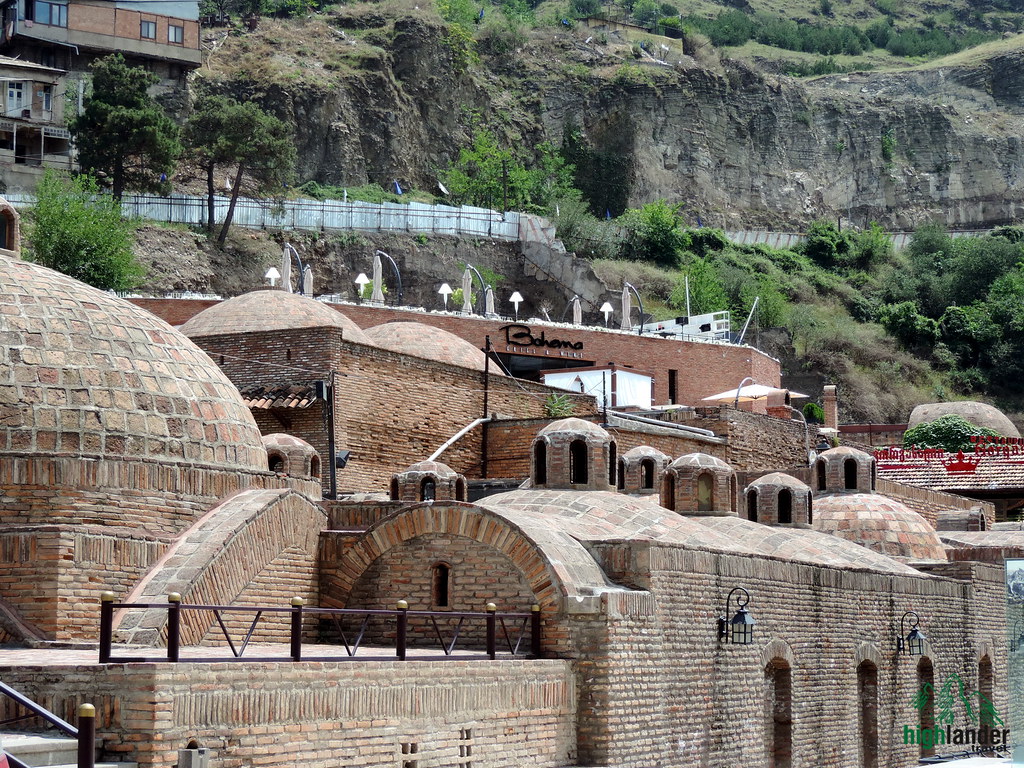
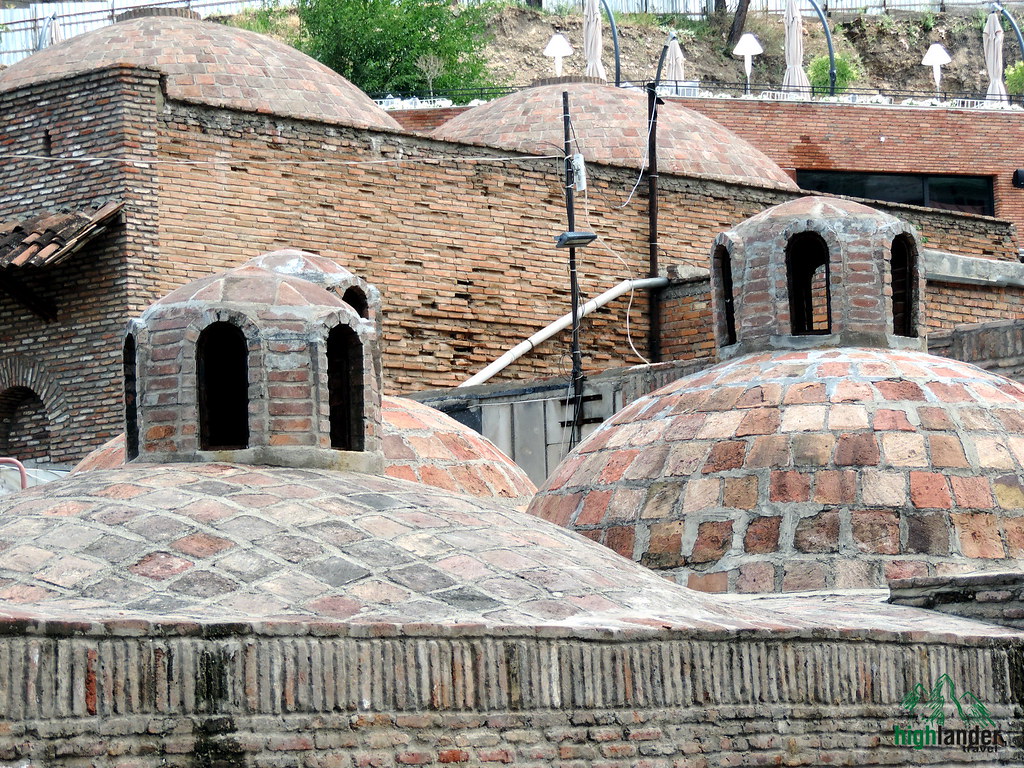
For much of its history, Tbilisi was a coveted prize, passing between Persian, Arab, Mongol, and Ottoman rulers. Each left their mark on Abanotubani. The distinctive brick domes you see today—rounded mounds rising from street level like buried igloos – reflect Persian architectural influence from the Safavid period (16th-18th centuries).
The Persians understood the strategic value of controlling the baths. They weren’t merely places of hygiene; they were social institutions where business was conducted, marriages arranged, and political alliances forged. The saying went: “What is discussed in the baths stays in the baths.” Tbilisi’s original version of Vegas rules.
The Golden Age of Caravanserais
By the 17th and 18th centuries, Tbilisi had become a major stop on Silk Road trade routes. At its peak, the city boasted 18 karvaslas (caravanserais)—the ancestors of modern hotels and shopping malls. These two-story courtyards provided lodging for traveling merchants, stables for their animals, and secure storage for valuable goods.
The sulfur baths became essential destinations for weary traders who had spent weeks crossing mountain passes. After a soak in the healing waters and a vigorous kisa scrub, they’d emerge feeling human again ready to negotiate in the bazaars of Meidan Square just uphill.
Pushkin’s Famous Declaration
Perhaps no visitor left a more memorable review than Russian poet Alexander Pushkin, who visited in 1829 during his Caucasus travels. After experiencing the baths, he wrote in his Journey to Arzrum:
“I have never in my life, either in Russia or in Turkey, encountered anything more luxurious than the Tiflis baths… The Persian attendant led me inside, and then laid me down and began to pound on my body with his fists… After this he washed me with a woolen mitten, scrubbed me with soap, doused me with water, and began to dry me with a towel. This completed, he handed me my clothes. I emerged as fresh as if reborn.”
Alexandre Dumas: The Three Musketeers Author Becomes a Bath Convert
Three decades later, another literary giant fell under the spell of Abanotubani. Alexandre Dumas, the celebrated French author of The Three Musketeers and The Count of Monte Cristo, arrived in Tbilisi in December 1858 during his extensive Caucasus expedition. What was meant to be a brief stop turned into a month-long love affair with the city, largely because of its baths.
Dumas visited the sulfur baths every other day during his stay, describing the experience in vivid detail in his book Adventures in Caucasia:
“Two torturers began to bend my joints. The operation started with the last joint of my finger… These exercises, which were apparently meant to dislocate my limbs, were carried out astonishingly naturally, not only without pain but with a sense of pleasure…”
The sensation was so profound that Dumas wrote he felt “so much pleasure that he could lift the entire Caucasus with open hands.” When it came time to leave Tbilisi on January 11, 1859, the author lamented: “Why doesn’t Paris, the city of physical pleasures, have such baths?”
Today, Chreli Abano honors both literary giants: one private room bears the name “Alexander Pushkin,” another “Alexandre Dumas”—allowing modern visitors to soak in the same waters that inspired two of the 19th century’s greatest writers.
Nearly 200 years after Pushkin and over 165 years after Dumas, the bathing experience remains essentially unchanged.
Why the Strange Domes? Understanding Abanotubani’s Architecture
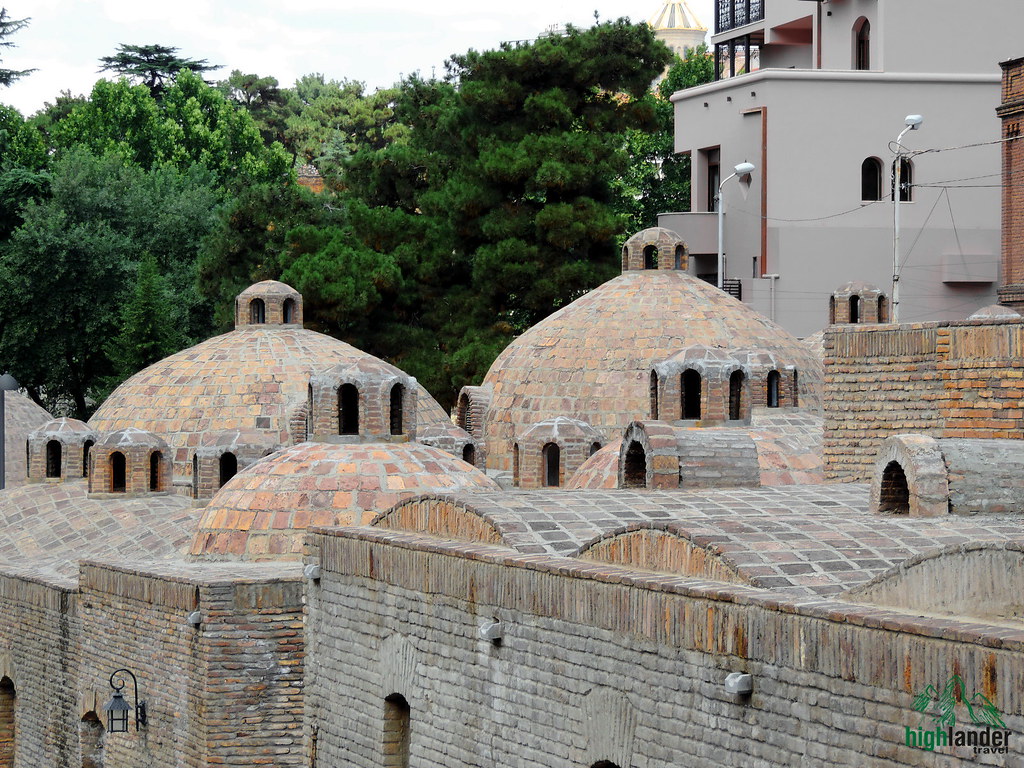
First-time visitors often puzzle over Abanotubani’s appearance. From street level, you see a series of brick mounds covered in grass and wildflowers—they look almost like buried spaceships or hobbit holes. This is intentional engineering, not aesthetic whimsy.
The Science of the Domes
The bathhouses are built into the hillside, not on top of it. The domed roofs serve multiple purposes:
- Temperature regulation: Earth and brick provide natural insulation, keeping the interior warm in winter and cool in summer
- Moisture control: The dome shape allows steam to rise and condense at the apex, then roll down the walls rather than dripping onto bathers
- Light diffusion: Small circular openings in the dome (similar to Roman oculi) admit natural light that diffuses beautifully through the steam
- Structural integrity: The dome distributes weight evenly, allowing thin brick walls to support the heavy earth covering
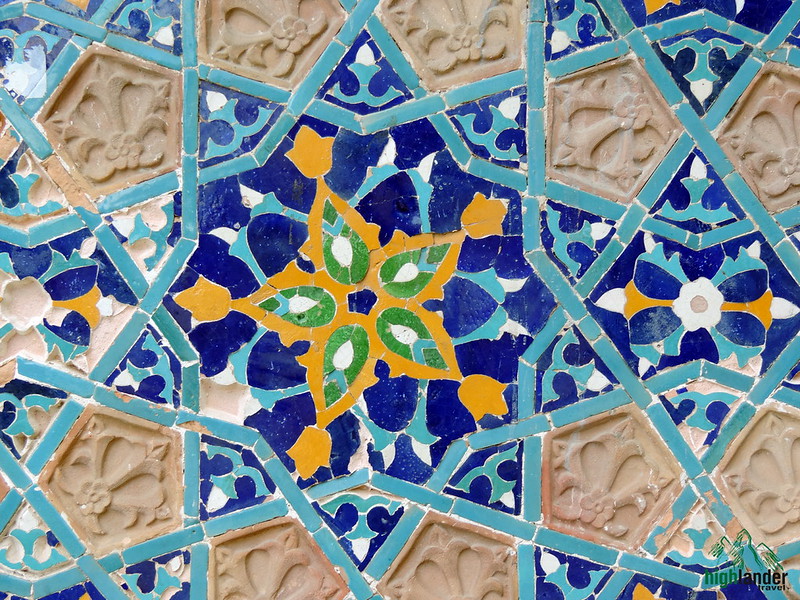
The largest and most ornate is the Orbeliani Bathhouse (also called Chreli Abano, meaning “Colorful Bath”). Its blue-tiled façade featuring twin minarets is the most photographed image of Abanotubani—a stunning fusion of Persian and Georgian design completed in the 1840s.
Choosing Your Bathhouse: A Local’s Guide
Abanotubani contains about a dozen active bathhouses, ranging from centuries-old historic buildings to modern wellness spas. Each has its character and clientele. Here’s what you need to know:
Royal Bath (Samepo Abano) – The Historic Choice
Price: Private rooms from 80-120 GEL/hour
Located in a 17th-century building, Royal Bath offers the most authentic historical atmosphere. The stone rooms, vaulted ceilings, and dim lighting transport you centuries back. The sulfur concentration here is among the highest, giving the water a distinctive green tint. Choose this if you want atmosphere over amenities.
Chreli Abano (Orbeliani Baths) – The Instagrammer’s Pick
Price: Private rooms from 100-150 GEL/hour
The most visually stunning option, with intricate blue-and-white tilework, mosaic floors, and excellent natural lighting from the dome. Recently renovated to high standards while preserving the historic character. Book in advance—it’s the most popular with tourists.
Bathhouse No. 5 (Abano No. 5) – Best Value
Price: Public section 5-10 GEL; private rooms 60-100 GEL/hour
This is where locals go. The public section (separate times for men and women) offers an authentic experience at budget prices. The private rooms are simpler than Chreli but clean and well-maintained. Staff are friendly and accustomed to international visitors.
Gulo’s Thermal Spa – Modern Comfort
Price: Private rooms from 90-130 GEL/hour
A contemporary take on the traditional bathhouse, with professional massage services, cleaner facilities, and English-speaking staff. The best choice for first-timers who want guidance or those who prefer modern amenities. The kisa scrub here is particularly thorough.
The Georgian Bath Ritual: What to Expect
A proper Georgian bath experience isn’t just a quick soak—it’s a multi-step ritual that has remained largely unchanged for centuries.
Step 1: The Warm-Up
Enter the main pool room, usually a domed chamber with a central pool of sulfur water at 35-40°C. Spend 15-20 minutes soaking, allowing your pores to open and your muscles to relax. The sulfur smell is strong at first but becomes unnoticeable after a few minutes.
Step 2: The Kisa Scrub
This is the signature treatment. A bathhouse attendant (traditionally called a mekise) uses a coarse woolen mitten called a kisa to scrub your entire body vigorously. You’ll be amazed—and slightly horrified—at the amount of dead skin that comes off. The treatment improves circulation, exfoliates, and leaves your skin impossibly smooth.
Tip: The scrub is included in most private room bookings or costs 20-40 GEL extra. It’s absolutely worth it.
Step 3: The Soap Massage
After the scrub, the attendant creates a cloud of soap foam and gives you a full-body massage through the bubbles. This is where you understand what Pushkin meant about feeling “reborn.”
Step 4: The Cool-Down
Finish with a bucket of cold water (bracing but invigorating), then relax on the heated stone benches to let your body temperature normalize. Most private rooms include a rest area with tea service.
The Hidden Waterfall: Legvtakhevi Canyon
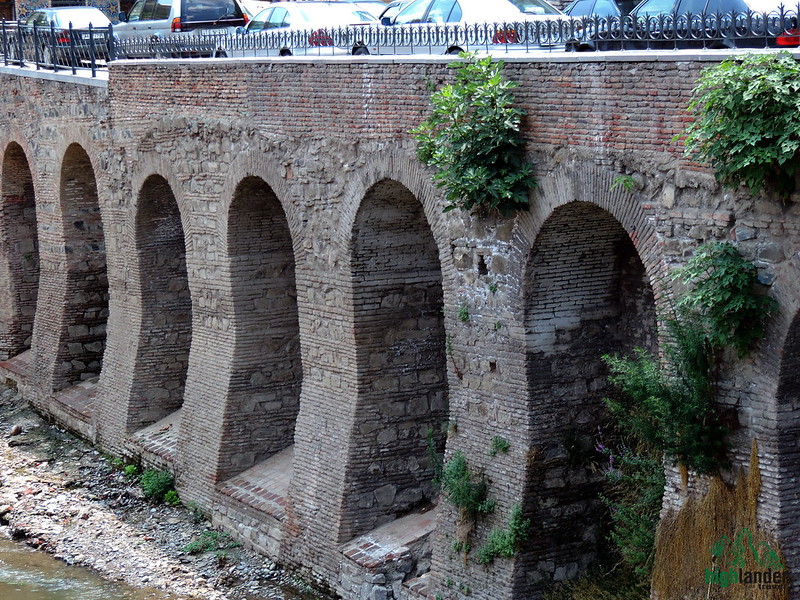
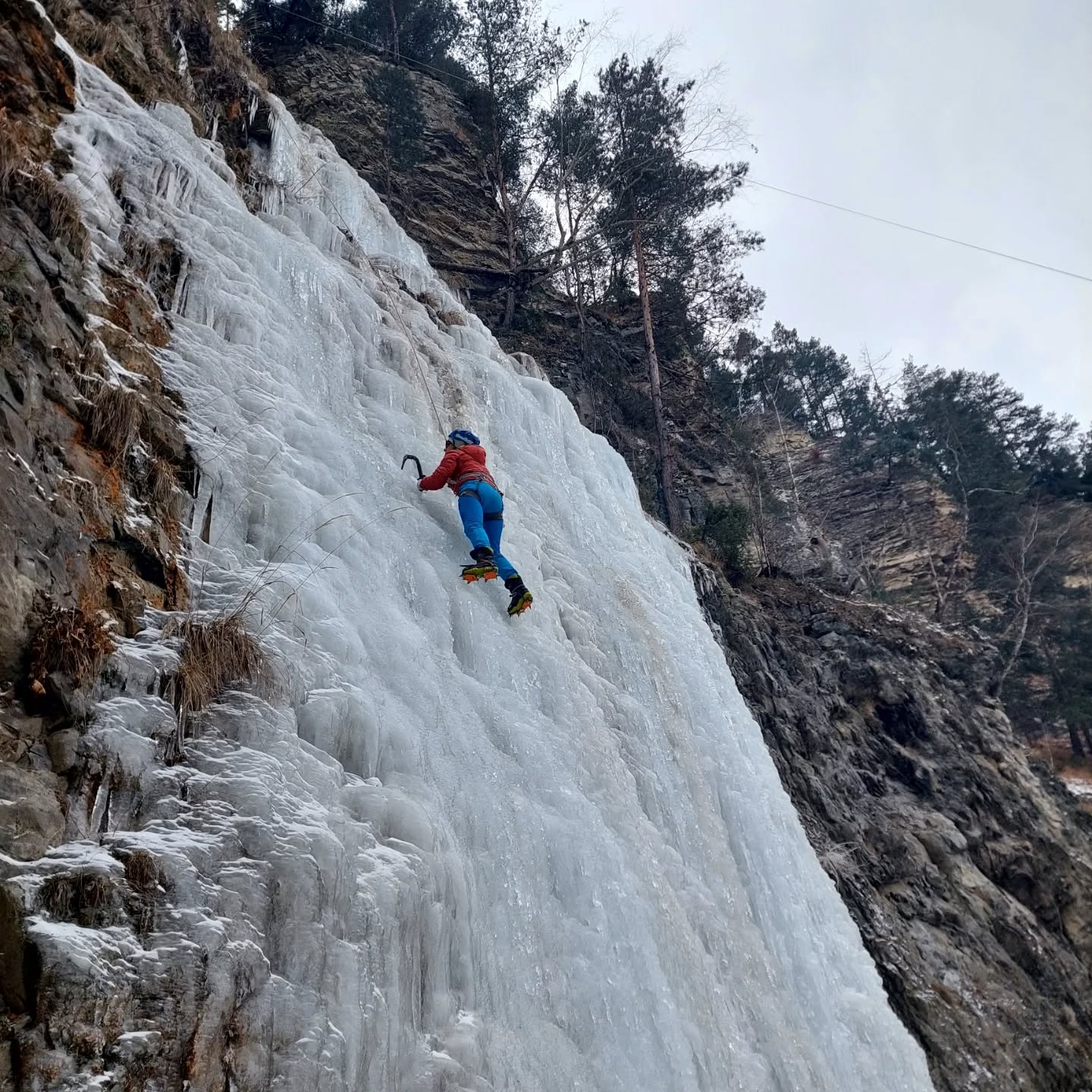
Here’s something many visitors miss: hidden behind the bathhouses, accessible through a narrow passage between buildings, lies one of Tbilisi’s most enchanting secrets—the Legvtakhevi Waterfall.
This urban canyon, carved by the same thermal waters that feed the baths, features a 22-meter waterfall cascading over sulfur-stained rocks into a turquoise pool. A wooden walkway winds up the gorge, passing hot springs, fig trees growing from ancient walls, and the backs of the bathhouse domes.
The microclimate here is remarkable: warm mist from the springs creates a subtropical pocket where vegetation stays green year-round, even when snow blankets the rest of Tbilisi. Look for the ruins of old bath structures built into the canyon walls—evidence that this area has been used for bathing since at least the medieval period.
Access: Free. Enter from Abano Street near Bathhouse No. 5. The walkway is well-maintained but involves some stairs. Allow 20-30 minutes to explore.
What Else to See in Abanotubani
Beyond the baths, this compact district packs in remarkable diversity:
Jumah Mosque (ჯუმა მეჩეთი)
The only mosque in Tbilisi, serving the city’s Shia and Sunni communities since the 18th century. Its brick minaret rises beside the bathhouses—a testament to Tbilisi’s tradition of religious coexistence. Respectful visitors are welcome outside prayer times.
The Carpet Sellers
The streets around Meidan Square are lined with antique shops selling Georgian, Persian, and Caucasian carpets. Bargaining is expected. Quality varies wildly—if you’re serious about buying, bring someone knowledgeable.
Betlemi Street Stairs
The steep staircase connecting Abanotubani to the upper old town passes historic homes with traditional carved wooden balconies. This is one of the most atmospheric walks in Tbilisi, especially at dusk when lights begin to glow in the windows.
Botanical Garden Access
From Legvtakhevi, a trail leads up to the Tbilisi Botanical Garden, one of the oldest in the former Soviet region. It’s a strenuous climb but offers spectacular views back down over the bath district.
Planning Your Visit: Practical Information
Best Time to Visit
- For the baths: Early morning (8-10 AM) or late evening (after 8 PM) to avoid crowds. Weekday mornings are quietest. Winter is magical—emerging from hot sulfur water into crisp mountain air is unforgettable.
- For photography, Golden hour light illuminates the domes beautifully. At night, the façade of Chreli Abano is dramatically lit.
- For walking tours: Morning hours before the heat builds. Our Old Tbilisi City Tour includes Abanotubani as a key stop.
How to Get There
- On foot: 10-minute walk downhill from Meidan Square or 15 minutes from Freedom Square
- By cable car: Take the Rike Park cable car to Narikala Fortress, then walk down through the fortress into the district
- By metro: Avlabari station is a 15-minute walk
- By taxi: Use Bolt or Yandex apps; trips from central Tbilisi cost 5-10 GEL
What to Bring
- Flip-flops or sandals (floors are wet)
- Towel (or rent one for 5-10 GEL)
- Swimwear for private rooms (some are mixed-gender)
- Cash in GEL (smaller baths may not accept cards)
- Waterproof phone case for photos
- Leave behind: Silver jewelry (sulfur tarnishes it)
Cultural Etiquette
- Public baths have strict gender separation—check schedules
- Private rooms can be booked by mixed groups
- Nudity is normal in single-gender public sections; swimwear is expected in private rooms
- Tipping the mekise (scrub attendant) is customary: 10-20 GEL is appropriate
- Shower before entering the main pool – it’s considered polite
Frequently Asked Questions
How much do the sulfur baths cost?
Public baths cost 5-15 GEL per hour. Private rooms range from 80-150 GEL per hour, depending on the bathhouse and room size. The kisa scrub and massage typically add 30-50 GEL. Royal Bath and Chreli Abano are the most expensive; Bathhouse No. 5 offers the best value.
Is the sulfur smell very strong?
Yes, there’s a distinct sulfur smell (like rotten eggs) throughout the district. It’s strongest near the bathhouses and Legvtakhevi waterfall. Most visitors adjust within 10-15 minutes and stop noticing it. Locals consider the smell a sign of the water’s healing properties.
Are the baths suitable for children?
Children are welcome in private rooms. The hot water is typically comfortable for kids aged 5-6. Public sections have age restrictions that vary by bathhouse. The Legvtakhevi waterfall walk is great for all ages.
Do I need to book in advance?
For Chreli Abano and weekend evenings at other popular bathhouses, advance booking is recommended. Call directly or book through your hotel. Weekday mornings rarely require reservations.
What health benefits do the sulfur baths offer?
The thermal sulfur waters (35-40°C) are traditionally believed to help with skin conditions like psoriasis and eczema, joint pain and arthritis, respiratory issues, muscle tension, and stress. The water contains sulfur, calcium, magnesium, and trace minerals. Those with heart conditions, high blood pressure, or pregnant women should consult a doctor before bathing.
Can I just walk through without bathing?
Absolutely! Abanotubani is worth visiting just to see the architecture, explore Legvtakhevi canyon, photograph the Orbeliani Baths façade, and wander the atmospheric streets. Many people experience the district as part of a walking tour before deciding whether to return for a bath.
Which bathhouse is best for first-timers?
Gulo’s Thermal Spa or Chreli Abano offer the most comfortable introduction for first-time visitors, with English-speaking staff and clear procedures. For a more authentic (and affordable) experience, Bathhouse No. 5 is excellent.
How long should I spend in Abanotubani?
Allow 1-2 hours for exploring on foot (including Legvtakhevi), or 2-3 hours if you’re taking a bath with scrub treatment. Our Old Tbilisi City Tour spends about 45 minutes in the district, which allows time to see the key sights and decide if you want to return independently for a bath.
Experience Abanotubani with Local Guides
Abanotubani is just one highlight of Old Tbilisi. To understand its full context—from King Vakhtang’s legacy to the Silk Road caravanserais to the hidden courtyards of the Jewish quarter—join our Old Tbilisi City Tour. Led by guides who grew up in these streets, the 4-5 hour walking tour includes:
- Metekhi Plateau and King Vakhtang’s statue
- Cable car ride to Narikala Fortress
- Walk through Abanotubani and Legvtakhevi canyon
- Sioni Cathedral and the Cross of St. Nino
- Meidan Square and historic caravanserais
- The whimsical Gabriadze Clock Tower
- Bridge of Peace and Rustaveli Avenue
Tour price: From $20 per person (group size dependent)
Duration: 4-5 hours
Languages: English, Russian, Georgian
Book your Old Tbilisi experience →
Last updated: December 2025. Prices and hours subject to change. For the most current information on specific bathhouses, contact our team.
 How to Ring in 2026 in Georgia: Your Ultimate Guide to New Year in Tbilisi
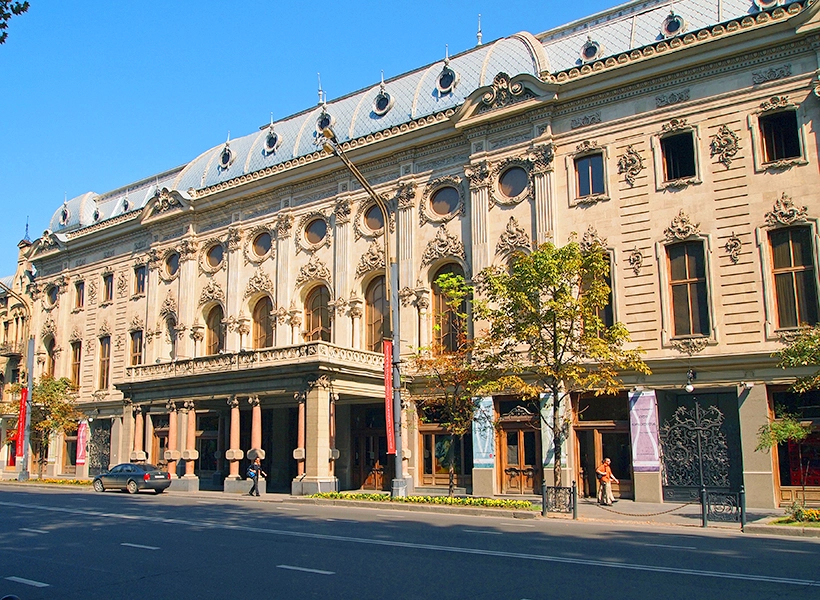 Rustaveli Avenue: The Heart of Tbilisi's Cultural and Historical Center