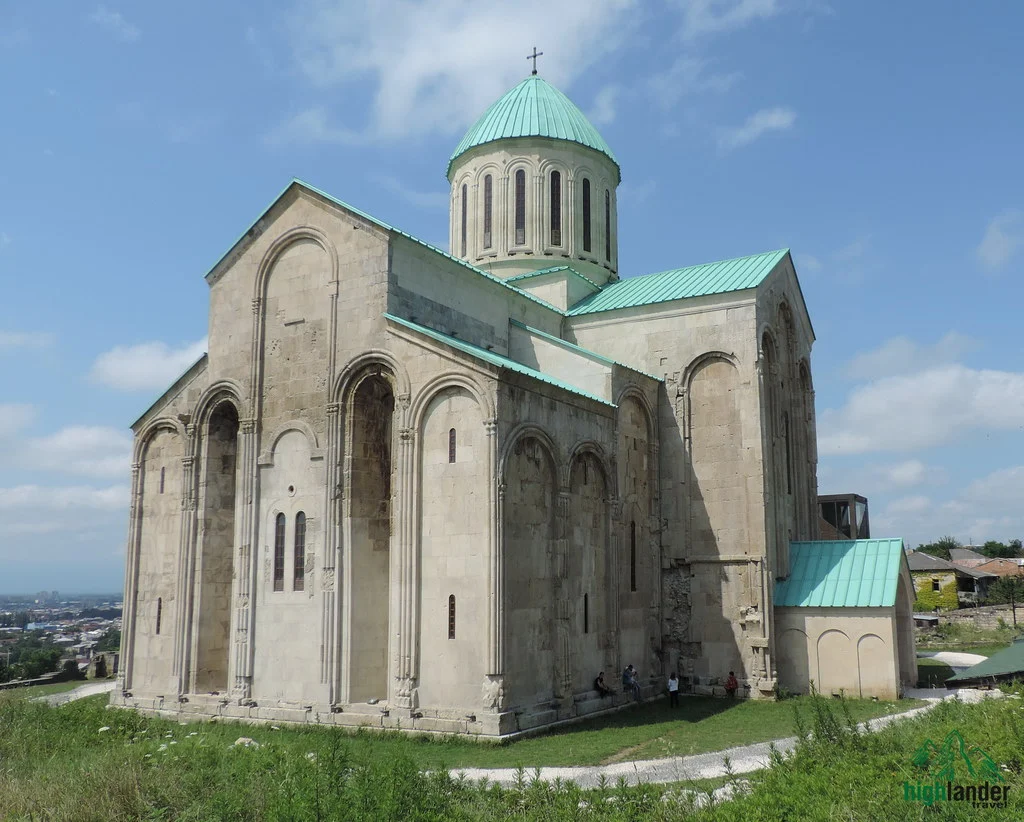
Bagrati Cathedral at a Glance
| Location | Ukimerioni Hill, Kutaisi, Georgia |
|---|---|
| Construction completed | 1003 |
| Built during the reign of | King Bagrat III |
| Religious tradition | Georgian Orthodox Church |
| Entry | Usually free; donations are welcome |
| Typical visit | 45–75 minutes |
| Best known for | Medieval history, monumental architecture and panoramic views |
A Cathedral Built for a United Georgia
Bagrati Cathedral was constructed at a decisive moment in Georgian history. King Bagrat III, supported earlier in his rise by the influential ruler David III of Tao, brought several Georgian lands under one crown. The cathedral was consecrated in 1003 and expressed the political and spiritual ambitions of the newly unified kingdom. An inscription preserved on the cathedral records its construction date using the medieval Georgian chronological system. The scale and position of the building were deliberate: from Ukimerioni Hill, the cathedral overlooked Kutaisi, then one of the kingdom’s most important political centres. Bagrati is also traditionally associated with King David IV, known as David the Builder, who is believed to have been crowned here in 1089. His reign later became another defining period in Georgia’s medieval history.Destruction, Ruin and Reconstruction
The cathedral survived for centuries before suffering catastrophic damage in 1692, when Ottoman forces occupying the area blew up part of the building. Its dome and roof collapsed, and Bagrati remained a dramatic ruin for generations. Conservation and archaeological work began in the 20th century. A much more extensive reconstruction followed and was completed in 2012, returning the cathedral to active use. The project preserved surviving medieval fabric but also introduced substantial new stone, structural elements and modern materials. This contrast is still clearly visible when walking around the building.Architecture: What Is Original and What Is New?
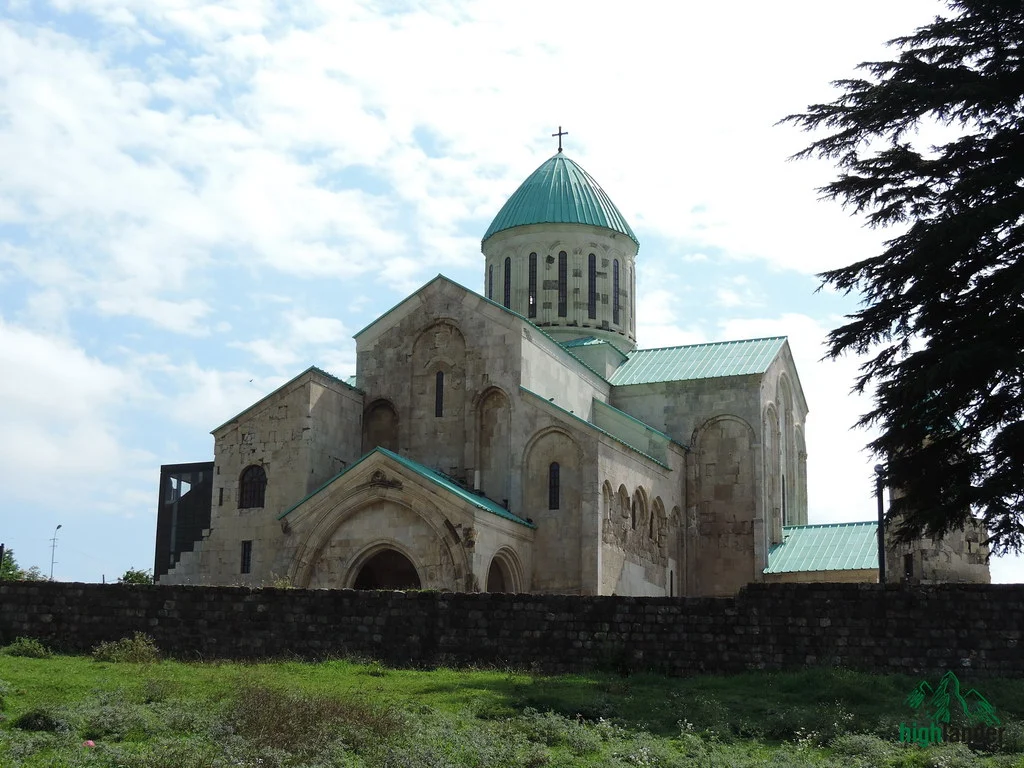
Bagrati was designed as a monumental cross-domed cathedral, a form closely associated with medieval Georgian church architecture. Its elevated proportions, carved stone ornament and spacious interior conveyed both royal authority and religious importance. Not every surface visitors see today dates from the 11th century. Original carved blocks, decorative fragments and surviving sections of masonry sit beside reconstructed walls and contemporary structural components. Looking for these transitions makes a visit more interesting and helps explain the debate surrounding the restoration.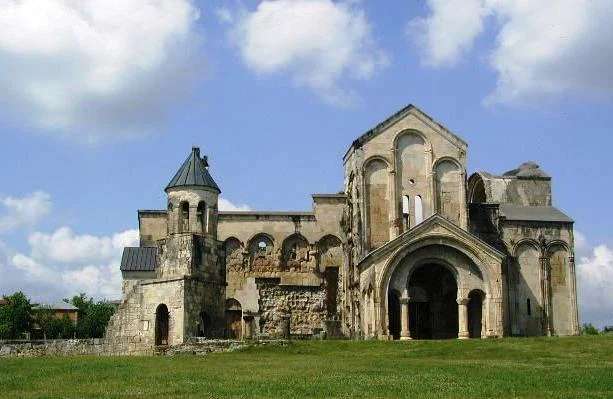
Why Bagrati Cathedral Is No Longer Part of the UNESCO Property
In 1994, UNESCO inscribed Bagrati Cathedral and Gelati Monastery together as one World Heritage property. The property was placed on the List of World Heritage in Danger in 2010 amid concerns that major reconstruction at Bagrati would damage its authenticity and integrity. In 2017, UNESCO approved a significant boundary modification that excluded Bagrati Cathedral. The World Heritage property continued under the name Gelati Monastery. Bagrati was therefore not treated as a simple deletion of the entire heritage site; the protected property was redefined around Gelati. The decision remains an important lesson in heritage conservation. The reconstructed cathedral regained its religious function and visual prominence, but the scale of intervention altered the qualities on which its original World Heritage recognition had depended.What to See at Bagrati Cathedral
- The cathedral interior: Step inside to appreciate the building’s height, cross-domed plan and active religious atmosphere.
- Surviving medieval stonework: Look closely for carved ornament and older masonry among the reconstructed sections.
- The exterior viewpoints: The cathedral grounds offer broad views over Kutaisi, the Rioni valley and the hills of Imereti.
- The changing light: Morning is usually quieter, while late afternoon can provide particularly attractive views and photography conditions.
- Living traditions: Bagrati is an active church, and visitors may encounter a service, wedding, baptism or local celebration.
Visitor Information
Bagrati Cathedral is commonly listed as open daily from approximately 10:00 to 20:00, although access can change for services, religious holidays or maintenance. Entry is normally free, and visitors may leave a donation. Allow 45–75 minutes to see the interior, examine the exterior and enjoy the views. A longer stay is worthwhile around sunset, but remember that church opening times and seasonal daylight vary.Dress Code and Photography
Dress respectfully because Bagrati is an active Georgian Orthodox church. Shoulders and knees should be covered, and women may be expected to cover their hair inside. Wraps or scarves may be available, but bringing your own is more reliable. Photography rules can change, especially during services. Avoid flash, do not photograph worshippers without permission and follow any instructions displayed at the entrance.Accessibility
Vehicles can approach close to the cathedral, but parts of the grounds have uneven paving, slopes and steps. Visitors with limited mobility should confirm current access arrangements in advance and consider travelling with assistance.How to Get to Bagrati Cathedral
From Central Kutaisi
Bagrati Cathedral stands on Ukimerioni Hill, north of the Rioni River. A taxi or private car from central Kutaisi usually takes about 10–15 minutes, depending on traffic and your starting point. Walking from the city centre generally takes 25–40 minutes. The route is uphill, so comfortable shoes are useful, especially in warm or wet weather. See our Kutaisi travel guide for more ideas in the city.From Kutaisi International Airport
The airport is roughly 20–25 kilometres west of central Kutaisi. Driving to Bagrati commonly takes around 25–40 minutes, depending on traffic. Confirm the fare with your driver or through your chosen taxi application before departure.From Tbilisi
Kutaisi is approximately 220–230 kilometres from Tbilisi. The road journey often takes 3.5–4.5 hours, but weather, traffic and roadworks can add time. Trains and intercity buses also operate, though schedules change, so check current departure information before travelling.Places to Visit Near Bagrati Cathedral
- Gelati Monastery: The surviving UNESCO World Heritage property lies northeast of Kutaisi. Major conservation work has affected access, so check current conditions before planning your visit.
- Motsameta Monastery: A picturesque monastery set above a wooded river gorge, often combined with Gelati.
- Prometheus Cave: An extensive show cave known for illuminated chambers and underground formations.
- Sataplia Nature Reserve: A compact attraction combining caves, forest trails and preserved dinosaur footprints.
- Kutaisi city centre: Explore the Green Bazaar, Colchis Fountain, White Bridge and the Rioni riverfront.
A Practical One-Day Kutaisi Heritage Route
- Visit Bagrati Cathedral in the morning, when the grounds are often quieter.
- Continue to Motsameta Monastery.
- Visit Gelati only after confirming which areas are currently accessible.
- Return to Kutaisi for lunch and a walk through the historic centre.
- If time and opening schedules allow, add Prometheus Cave or Sataplia in the afternoon.
Why Bagrati Cathedral Is Worth Visiting
Bagrati Cathedral brings together Georgia’s medieval unification, living Orthodox tradition and modern debate about how historic monuments should be restored. Even after extensive reconstruction, its hilltop setting and symbolic importance make it an essential stop in Kutaisi. Visit with an understanding that the building is both old and new: an 11th-century national monument whose present appearance reflects a bold and controversial 21st-century intervention.Frequently Asked Questions
What is Bagrati Cathedral?
Bagrati Cathedral is an active Georgian Orthodox cathedral on Ukimerioni Hill in Kutaisi. Built during the reign of King Bagrat III, it is a major symbol of Georgia’s medieval political and religious unity.
When was Bagrati Cathedral built?
The cathedral was completed and consecrated in 1003. A surviving medieval inscription records its construction date.
Is Bagrati Cathedral still a UNESCO World Heritage Site?
No. Bagrati and Gelati were originally inscribed together in 1994, but UNESCO approved a boundary modification in 2017 that excluded Bagrati. The World Heritage property continues as Gelati Monastery.
Why was Bagrati Cathedral excluded from the UNESCO property?
UNESCO considered the extensive reconstruction an irreversible intervention that weakened the cathedral’s authenticity and integrity. The protected property’s boundary was therefore redefined around Gelati Monastery.
Is there an entrance fee for Bagrati Cathedral?
Entry is normally free, although donations are welcome. Special events or future policy changes may affect access.
What are Bagrati Cathedral’s opening hours?
The cathedral is commonly listed as open daily from approximately 10:00 to 20:00. Hours can change for services, religious holidays or maintenance, so confirm locally when timing is important.
How long should I spend at Bagrati Cathedral?
Allow about 45–75 minutes to see the interior, examine the old and reconstructed stonework, and enjoy the views over Kutaisi.
How do I reach Bagrati Cathedral from central Kutaisi?
A taxi or car commonly takes 10–15 minutes. Walking usually takes 25–40 minutes and includes an uphill section.
Is there a dress code and can I take photographs?
Cover shoulders and knees, and women may be expected to cover their hair inside. Photography rules can change; avoid flash, respect worshippers and follow instructions at the entrance.
Can I visit Bagrati and Gelati on the same day?
Yes. Bagrati, Motsameta and Gelati are often combined in one day, but ongoing conservation work may limit access at Gelati. Check current conditions before setting the itinerary.