Medieval cave cities, ancient fortresses, healing mineral springs, and volcanic highland lakes—explore southern Georgia’s most spectacular historical landscape at the pace it deserves
Most tour operators offer one-day trips to Vardzia from Tbilisi. We don’t, and here’s why: the total distance exceeds 500 kilometers. That’s over 10 hours of driving squeezed around brief site visits, leaving you exhausted and robbing you of the experience you traveled so far to enjoy.
Our philosophy is simple. We never include more than 350 kilometers of driving in a single day. We’re not here to show you as much as possible in the shortest time at any cost. We’re here to let you discover the genuine taste of Georgia and fully enjoy our country at a comfortable, enriching pace.
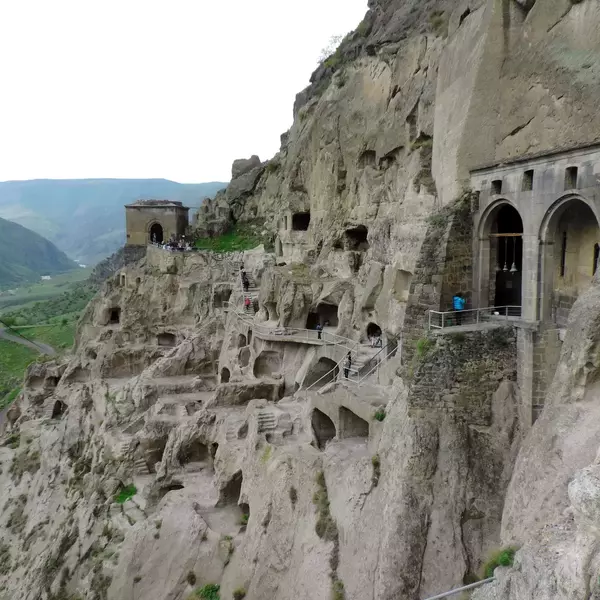
This 2-day format transforms your journey from a hurried checklist into an authentic exploration. Queen Tamar’s 12th-century cave monastery stretches 13 stories into volcanic cliffs—once home to 2,000 monks and soldiers. The route passes through Samtskhe-Javakheti, where medieval Georgia’s political, economic, and cultural power concentrated. You’ll trace ancient trade routes that connected civilizations, standing in fortresses that guarded the vital passage to Byzantium.
The landscapes shift dramatically as you travel south. From Tbilisi’s hills through Shida Kartli’s valleys, into the restored citadels and working monasteries of Samtskhe-Javakheti, up onto the volcanic Javakheti Plateau where alpine lakes reflect endless skies. Each region tells a different chapter of Georgia’s story.
This is raw historical immersion—climbing through carved chambers still adorned with medieval frescoes, exploring hidden tunnels and monks’ cells, walking ramparts where soldiers watched for invaders. You’re not just visiting sites; you’re tracing the spine of Georgian civilization.
This tour suits: History enthusiasts wanting deep engagement with medieval Georgia, travelers who appreciate architecture and religious art, photographers seeking dramatic landscapes, anyone who’s done rushed day trips before and wants a better experience, and visitors ready to explore beyond the main tourist trail.
This tour doesn’t suit: Those with very limited mobility (Vardzia involves significant stair climbing), travelers wanting luxury resort-style accommodation, anyone expecting quick “greatest hits” tourism, first-time visitors with only 3-4 days in Georgia (prioritize Kakheti and Kazbegi first).
Tour highlights
Southern Georgia’s medieval heartland—explored at a pace that honors the destination
Understanding Vardzia and Southern Georgia
Vardzia sits approximately 250 kilometers south of Tbilisi in the Samtskhe-Javakheti region, near the Turkish border. The cave monastery stretches along volcanic cliffs above the Mtkvari (Kura) River, occupying a position that was both spiritually significant and militarily strategic during Georgia’s Golden Age.
Why This Region Matters
The concentration of historical monuments in Samtskhe-Javakheti isn’t coincidental. This region was medieval Georgia’s political, economic, and cultural heartland. The Mtkvari River valley served as the main transit road between central Georgia and Byzantium (later Ottoman Turkey), making control of these mountain passages essential for any power seeking dominance in the Caucasus.
Every fortress you pass, every monastery you visit, stands where it does for strategic reasons. Khertvisi guards a crucial river confluence. The Saro fortresses watch over valley approaches. Rabati controlled the regional capital. And Vardzia itself combined spiritual authority with military capability—a statement of Georgian power at the edge of empire.
The Golden Age Context
Queen Tamar commissioned Vardzia in the 1180s during Georgia’s Golden Age, when the kingdom stretched from the Black Sea to the Caspian. This wasn’t just a monastery; it was a statement of civilizational achievement. The complex originally contained approximately 3,000 rooms carved into the cliff face, including churches, chapels, living quarters, storerooms, wine cellars, and an intricate system of tunnels connecting everything.
At its peak, Vardzia housed 2,000 monks and soldiers. The engineering sophistication—water systems, ventilation shafts, defensive architecture rivals anything medieval Europe produced. A 13th-century earthquake partially exposed the complex, which had been almost completely hidden within the mountain. Today, approximately 600 rooms remain accessible.
The Javakheti Plateau
Above the valleys rises the Javakheti Plateau, a volcanic highland sitting at nearly 2,000 meters in elevation. This high-altitude landscape creates unique ecosystems and microclimates dramatically different from the valleys below. Lakes Paravani and Sagamo dot the plateau, their mirror-still waters reflecting endless skies and hosting migratory birds that travel from Africa to breed in these protected wetlands.
The plateau’s stark beauty—vast horizons, sparse vegetation, weather that can shift rapidly provides a striking contrast to the forested valleys and carved cliffs you’ll explore at lower elevations.
Why Two Days Matter
Geography is non-negotiable. The round-trip distance from Tbilisi exceeds 500 kilometers through mountainous terrain. One-day tours mean 10+ hours of driving with rushed visits that barely scratch the surface of what these sites offer. Our 2-day format provides comfortable travel intervals, substantial time at each location, overnight accommodation near Vardzia, and the energy to actually absorb what you’re experiencing.
You can’t rush through 13 stories of carved chambers, medieval frescoes, hidden tunnels, and monks’ cells in an hour. You can’t appreciate fortresses that guarded empires while checking your watch for the return journey. This region deserves and rewards the time investment.
Tour Itinerary
Morning: Departure & Borjomi’s Healing Waters
Your adventure begins in Tbilisi as we head south through the regions of Shida Kartli and Samtskhe-Javakheti. These valleys have connected civilizations for millennia, and today you’ll follow ancient trade routes toward the Turkish border.
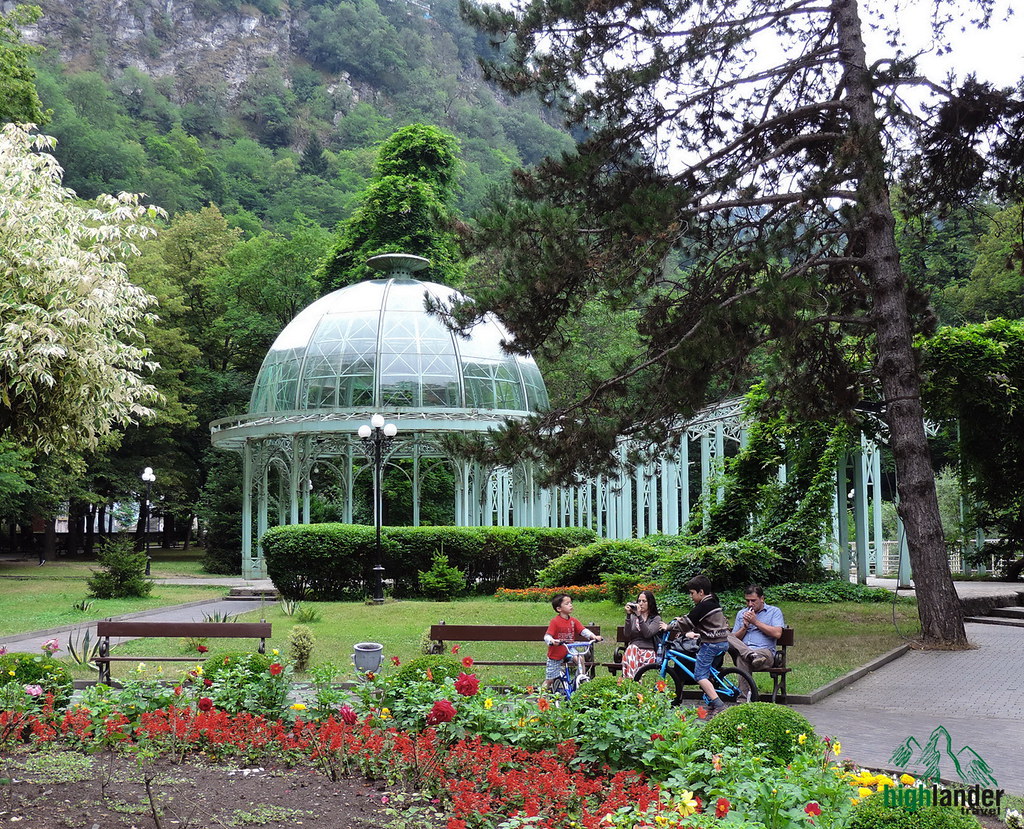
Our first stop brings you to Borjomi Park, Georgia’s beloved mineral spring resort. This verdant park has drawn visitors since the 19th century to taste its naturally carbonated waters, believed to aid digestion and promote wellness. Stroll through the landscaped gardens, sample the famous mineral water straight from the source, and breathe in the pine-scented mountain air before continuing deeper into history.
Midday: Akhaltsikhe and the Rabati Complex
The landscape shifts as we enter Samtskhe-Javakheti, a region where medieval Georgia’s political, economic, and cultural power once concentrated. This explains why so many historical monuments cluster in this relatively small area—you’re traversing what was once the heartland of an empire.
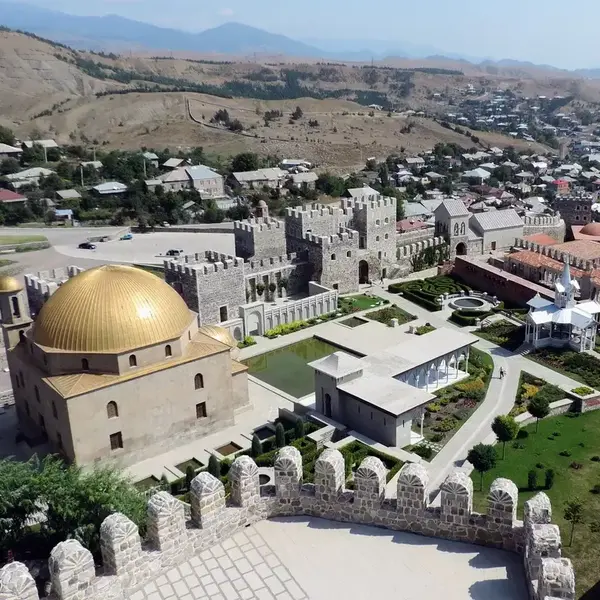
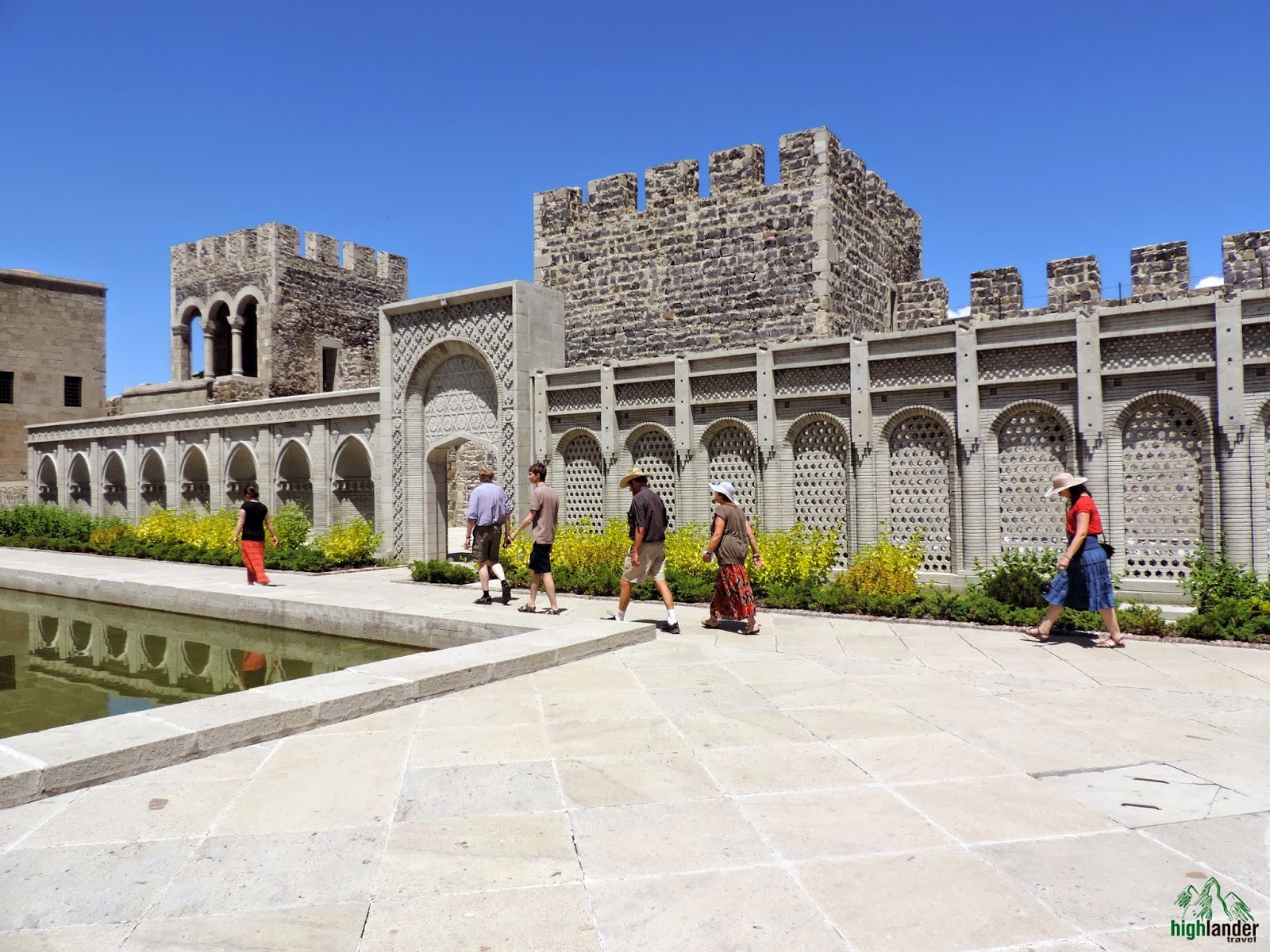
In Akhaltsikhe, the Rabati Complex rises before you like a miniature city unto itself. This restored fortress showcases centuries of architectural evolution, from Georgian castle walls to Ottoman-era mosques, revealing the complex cultural layers that define this borderland. Walk its ramparts, explore its courtyards, and imagine the merchants and soldiers who once passed through these same gates along the main transit road between central Georgia and Byzantium.
Lunch in Akhaltsikhe gives you time to absorb the fortress before continuing south.
Afternoon: Sacred Artistry at Sapara
Our journey continues at Sapara Monastery, a masterpiece of Georgian ecclesiastical architecture nestled in the forested mountains. Founded in the 10th century, Sapara showcases the artistic heights of medieval Georgia through its intricate stone carvings and interior paintings. The main church building dates from the 14th century, representing the architectural refinement that followed Vardzia’s era.
While less famous than Vardzia, Sapara offers intimate beauty—its peaceful setting and detailed artwork provide a contemplative counterpoint to Vardzia’s grand scale.
Late Afternoon: Fortresses Guarding the Valleys
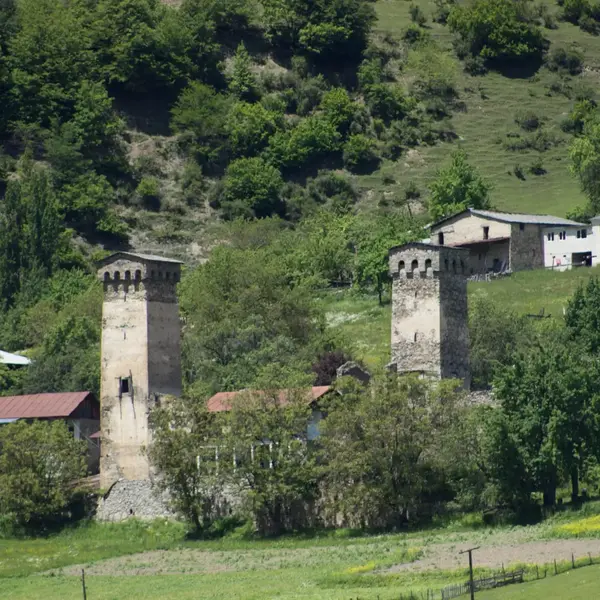
As we follow the upper valley of the Mtkvari River toward Vardzia, history unfolds through stone. The Saro fortresses appear first, their weathered walls still standing sentinel over the strategic valley. Then comes Khertvisi Fortress, perched dramatically at the confluence of the Mtkvari and Paravani rivers.
Dating from the 10th century, Khertvisi has witnessed countless battles and remains one of Georgia’s oldest surviving fortresses. These weren’t decorative castles—they were working fortifications protecting the vital route to Anatolia. Standing in their shadows, you understand medieval Georgia’s strategic brilliance in controlling these mountain passages.
Evening: First Glimpse of Vardzia
As afternoon light begins to soften, the valley opens, and suddenly—there it is. Vardzia appears carved into the volcanic cliff face ahead, revealing the scale and ambition of Queen Tamar’s 12th-century vision.
You’ll settle into nearby accommodation with the caves awaiting your exploration tomorrow, perfectly positioned to experience Vardzia without rushing.
Dinner at your guesthouse or local restaurant—traditional Georgian food, hearty and satisfying after a day of exploration.
Morning: Inside the Cave Monastery Complex
Dawn at Vardzia is something special. The complex awakens in morning light, and you’ll have time to truly explore this architectural wonder.
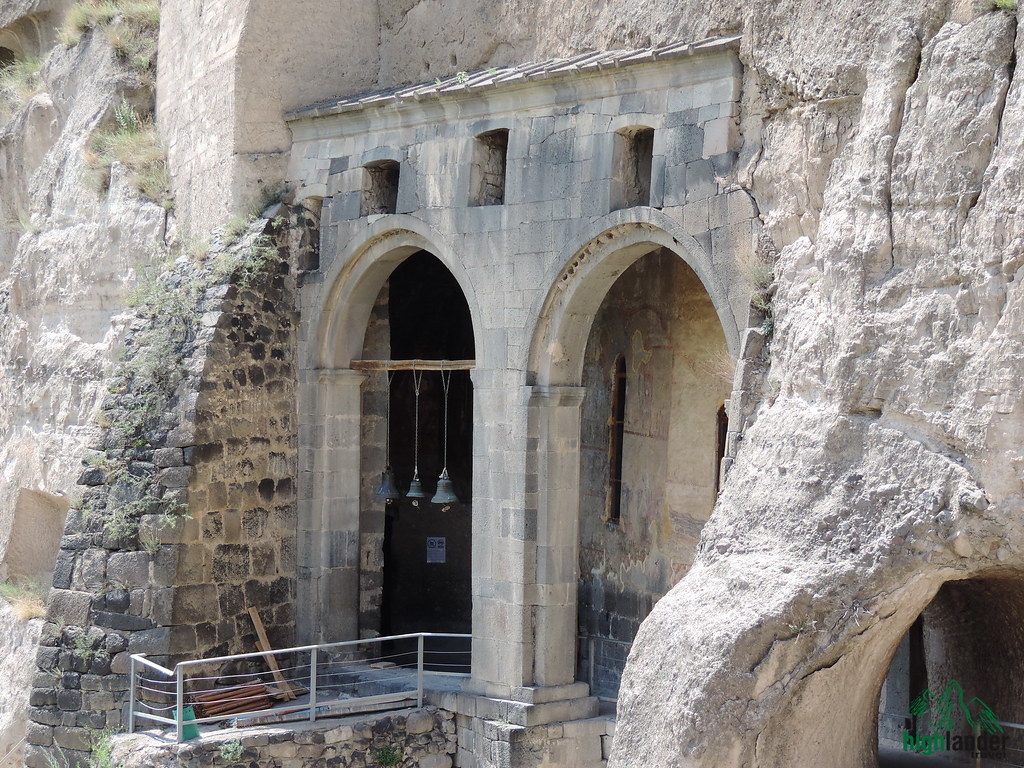
The Vardzia Cave Monastery stretches 13 stories vertically into the cliff—once home to 2,000 monks and soldiers who lived, prayed, and defended Georgia from these interconnected chambers. Queen Tamar commissioned Vardzia in the 1180s as both a monastery and fortress, a spiritual and military stronghold during Georgia’s Golden Age.
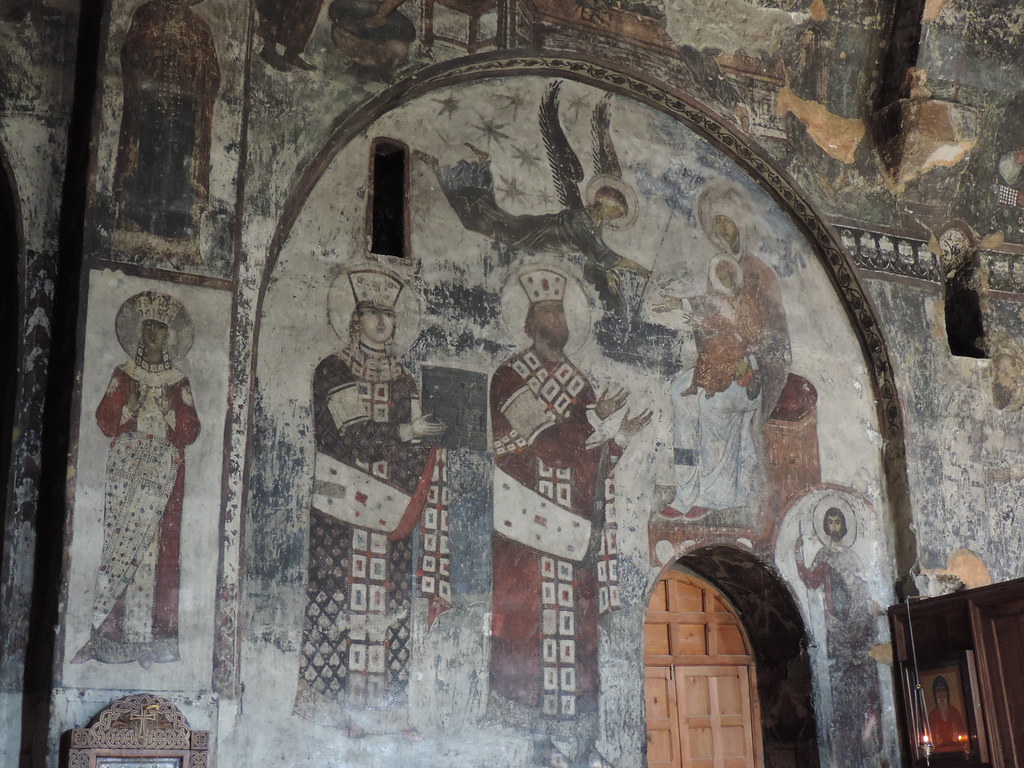
You’ll walk through carved churches still adorned with medieval frescoes, discover hidden tunnels, explore monks’ cells and communal halls, and climb between levels through ancient stone staircases. The ingenuity of the water systems, ventilation shafts, and defensive architecture reveals engineering sophistication that rivals any medieval European construction.
A 13th-century earthquake partially revealed the complex, which had been almost completely hidden within the mountain. Today, approximately 600 rooms remain accessible from the original 3,000—still enough to wander for hours.
Breakfast at your accommodation before heading to Vardzia, giving you maximum time at the site.
Midday: Tsunda Church
Before leaving the Vardzia valley, we visit Tsunda Church, a small but significant medieval church that provides additional context to the region’s religious heritage. Its position offers different perspectives on the valley landscape.
Lunch before beginning our return journey—either packed or at a local restaurant depending on timing and preference.
Afternoon: Mountain Lakes and Highland Beauty
Our route carries you across the volcanic Javakheti Plateau, a high-altitude landscape of extraordinary beauty and ecological significance. Here, mirror-still Lake Paravani and Lake Sagamo reflect endless skies, their shores hosting migratory birds that travel from Africa to breed in these protected wetlands.
The plateau sits at nearly 2,000 meters in elevation, creating a unique ecosystem and microclimate. In warmer months, wildflowers carpet the grasslands. Throughout the year, the stark highland beauty and vast horizons offer a striking contrast to the valleys and cave complexes you’ve explored.
We stop at viewpoints along the plateau, time permitting, for photographs and to absorb the dramatic landscape shift.
Evening: Return to Tbilisi
We complete the circuit back to Tbilisi through landscapes now familiar, arriving refreshed rather than exhausted—exactly as a journey should conclude.
Arrival in Tbilisi: Evening, dropped at your accommodation having experienced southern Georgia’s historical heartland at a pace that honored both the destination and your investment in traveling here.
Price details
What’s Included
Tour map
Tbilisi
Borjomi Park
Rabati Complex
Sapara Monastery
Khertvisi Fortress
Vardzia Cave Monastery
Lake Paravani
Lake Sagamo
Tour gallery
Practical Information
- Duration: 2 days / 1 night
- Difficulty: Moderate (significant stair climbing at Vardzia, walking on uneven surfaces)
- Group Size: Flexible, from private tours to small groups
- Best Season: April-November (winter possible but check road conditions)
- Starting Points: Tbilisi or Kutaisi
What to Bring – Essential
Comfortable walking shoes are critical. Vardzia involves climbing between cave levels on stone stairs and walking on uneven surfaces. Hiking boots or sturdy walking shoes with good grip are ideal.
Layered clothing: Temperature varies significantly between valley floors and highland plateau. Mornings can be cool, midday warm. Bring layers you can add or remove.
Sun protection: Hat, sunscreen, sunglasses—especially for the exposed plateau areas.
Camera equipment: Vardzia’s frescoes and cave architecture photograph beautifully. The highland lakes offer mirror reflections in calm conditions. Extra batteries recommended.
Water bottle: We provide water but bring your own reusable bottle.
Light rain layer: Mountain weather can change quickly.
Accommodation
Overnight accommodation is in guesthouses or small hotels near Vardzia. Expect clean, comfortable rooms with private or shared bathrooms, hot water, and home-cooked Georgian meals. These aren’t luxury hotels—they’re authentic family-run places that reflect the region’s hospitality traditions.
Physical Requirements
Vardzia involves substantial stair climbing between cave levels. The stairs are original stone, worn smooth over centuries. If you have serious knee problems or severe mobility limitations, discuss your situation before booking. Most travelers of varying ages complete the tour comfortably—the 2-day pace allows proper rest between active periods.
Alternative Starting Point: Kutaisi
Travelers in western Georgia can join from Kutaisi at the same price ($268 per person). The itinerary remains nearly identical, with the Javakheti Plateau lakes replaced by the western return route. Summer departures from Kutaisi can optionally include Abastumani and the scenic Zekari Road via Sairme.
Best Time to Visit
Spring (April-May) ⭐⭐⭐⭐⭐: Wildflowers blooming, mild temperatures, clear skies. Perfect conditions for photography.
Summer (June-September) ⭐⭐⭐⭐: Warm weather, full accessibility, longer daylight hours. Can be hot at lower elevations midday.
Autumn (October-November) ⭐⭐⭐⭐⭐: Stunning fall colors, crisp air, excellent visibility. One of the best times for the highland lakes.
Winter (December-March) ⭐⭐: Possible but check conditions. Mountain roads can be affected by snow. Fewer tourists but some sites may have limited access.
Tour FAQ
Why Book This Tour
Stop rushing through Georgia’s most spectacular medieval site. Vardzia deserves more than a fleeting visit squeezed between 10 hours of driving. Experience it the way it warrants—with time to climb its 13 stories, explore its churches, discover its hidden tunnels, understand its history, and absorb its majesty.
This is southern Georgia at a pace that honors both the destination and your investment in traveling here. From Borjomi’s mineral springs to Vardzia’s cave churches, from border fortresses to highland lakes, this carefully designed journey reveals a region that shaped Georgian history.
We’ve been operating tours here since 2011. Our guides know the region intimately—which viewpoints offer the best light, which routes avoid unnecessary fatigue, how to pace the experience so you absorb rather than merely survive. The logistics work because we’ve refined them over years of operation.
Our philosophy is simple: we never include more than 350 kilometers of driving in a single day. We’re not here to tick boxes on a checklist. We’re here to let you discover the genuine taste of Georgia and fully enjoy our country at a comfortable, enriching pace.
Vardzia is Georgia’s most ambitious medieval achievement. Queen Tamar’s 12th-century vision carved 3,000 rooms into volcanic cliffs, creating a monastery-fortress that protected and inspired a Golden Age empire. The engineering sophistication, the preserved frescoes, the sheer scale of human ambition carved into stone—this is why you came to Georgia.
Experience it properly. Experience it with us.