Mud volcanoes, semi-desert canyons, wild gazelles, and landscapes that feel nothing like the rest of Georgia—explore the country’s most remote and unusual protected area
Most travelers never hear about Vashlovani. While tourists flock to Kazbegi’s mountains or Kakheti’s vineyards, this protected area sits in Georgia’s far southeastern corner, practically unknown to foreigners.
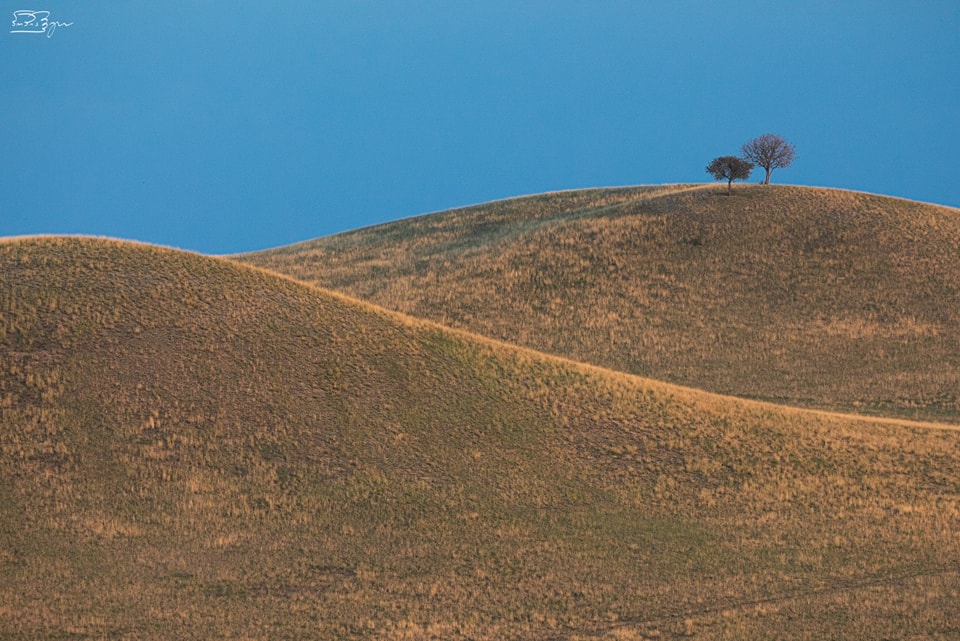
This is Georgia’s badlands—semi-desert steppes, dramatic canyons carved by seasonal rivers, active mud volcanoes bubbling from the earth, and wildlife you won’t see anywhere else in the country. Locals sometimes call it “Georgian Africa” because the landscapes feel more like East Africa or Central Asia than the Caucasus.
The landscapes are completely unexpected. After days of green mountains and vineyard valleys, suddenly you’re in semi-arid badlands with golden grasses, eroded cliffs in shades of rust and orange, and skies that stretch forever. The mud volcanoes bubble and hiss—a geological phenomenon that rivals anything in neighboring Azerbaijan.
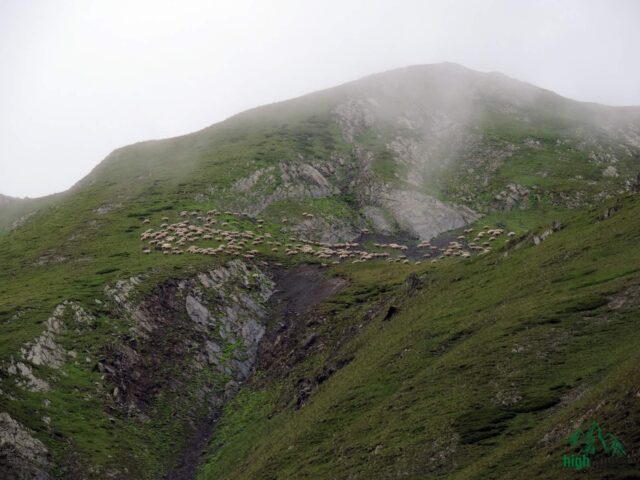
The wildlife tells you you’re somewhere different. Georgian gazelles (found nowhere else in Georgia) graze in herds across the steppes. Caucasian eagles circle overhead. In winter, Tushetian shepherds bring thousands of sheep down from the highlands, their flocks covering entire hillsides.
This is raw adventure tourism – rough roads, basic accommodation, genuine remoteness. You’re three hours from the nearest hospital, in landscapes where your phone probably won’t work, staying in villages where English is rare. That’s exactly what makes it worthwhile for travelers seeking Georgia beyond the tourist trail.
This tour suits: Adventure travelers wanting Georgia’s hidden corners, wildlife enthusiasts and birdwatchers, photographers seeking unique landscapes, anyone tired of crowded destinations, and travelers who’ve already seen Georgia’s “greatest hits.”
This tour doesn’t suit: Luxury seekers (accommodation is basic), anyone uncomfortable with heat in warmer seasons, first-time Georgia visitors with limited time (see Kazbegi and Kakheti first), travelers needing constant comfort and polish.
Tour highlights
Georgia’s secret national park—where most tourists never venture
Understanding Vashlovani National Park
Vashlovani Protected Areas occupy Georgia’s extreme eastern corner in the Dedoplistskaro district, bordering Azerbaijan along the Alazani River. The protected territory includes Vashlovani Strict Nature Reserve, Vashlovani National Park, and several natural monuments: Eagle Gorge, Takhti-Tepa mud volcanoes, Juma Bay, and Alazani Floodplains—roughly 25,000 hectares total.
Why This Landscape Exists
Vashlovani receives significantly less rainfall than western or central Georgia, creating semi-arid conditions unique in the country. Annual precipitation barely reaches 400-500mm (compared to 1,500-2,000mm in western Georgia), resulting in desert-like steppe ecosystems.
The geology tells an ancient story. Millions of years ago, this area sat beneath the Paratethys Sea—an ancient ocean that covered much of Central Asia. When the sea receded, it left sedimentary rock layers now exposed in canyon walls. In Pantishara Gorge, you’ll see fossilized bones of southern elephants and ancient sea clams embedded in the stone—tangible proof that this desert was once underwater.
The mud volcanoes at Takhti-Tepa result from geological activity pushing mud, gas, and minerals toward the surface. While Azerbaijan is famous for its extensive mud volcano fields, few realize Georgia has them too, right here on the border.
Ecosystems & Habitats
The park protects several distinct habitats:
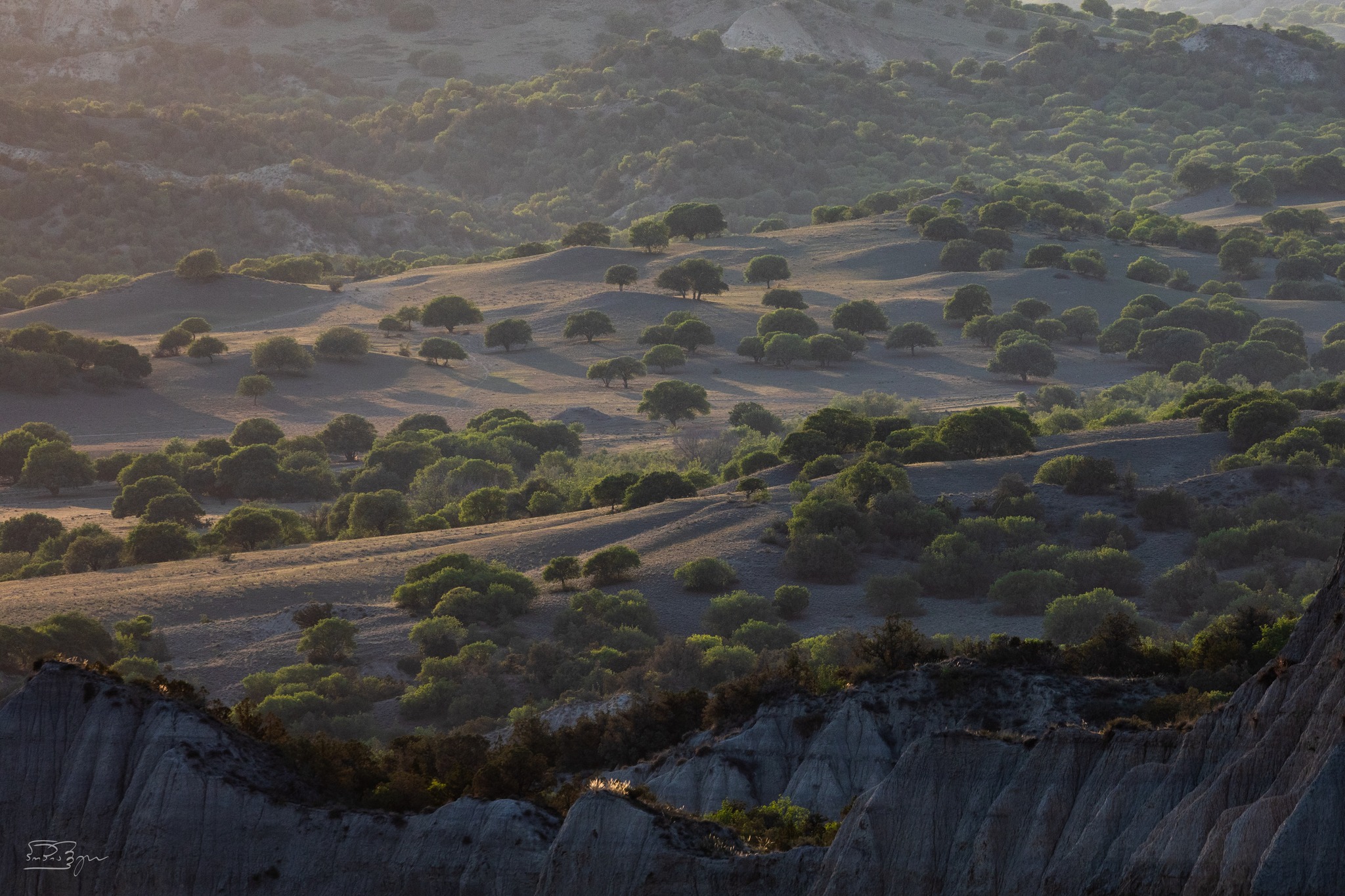
Semi-desert steppe: Golden grasses, low shrubs, sparse vegetation adapted to dry conditions. This is where gazelles graze and ground-nesting birds breed.
Badlands and eroded cliffs: Sedimentary rock carved by water and wind into dramatic formations with colors ranging from rust red to pale yellow.
River valleys: Ribbons of green along seasonal watercourses where vegetation thrives and wildlife concentrates.
Canyon ecosystems: Deep gorges provide shelter, nesting sites for raptors, and cooler microclimates.
Wildlife
Mammals: The Georgian gazelle (goitered gazelle) is the star—these elegant antelopes exist nowhere else in Georgia, and Vashlovani holds the country’s only viable population. You’ll see them grazing in herds, especially early morning and evening. Wild boar, jackals, badgers, and foxes inhabit the park. Wolves pass through occasionally. There have been reported sightings of leopards, though these remain unconfirmed and extremely rare.
Birds: Birdwatchers love Vashlovani. The canyon cliffs host nesting Caucasian eagles, bearded vultures (lammergeiers with massive wingspans), griffon vultures, black vultures, and Egyptian vultures. Smaller raptors—hawks, falcons, and kites—patrol the skies. During migration seasons, the park becomes a highway for birds. Dali Reservoir attracts waterfowl, herons, and sometimes even flamingos.
Reptiles: Various lizard species and snakes (mostly harmless) sun themselves on rocks. The dry climate suits reptiles well.
Why “Georgian Africa”
Stand in Vashlovani’s semi-desert, watching gazelles graze beneath acacia trees while eagles circle overhead, and you’ll understand the nickname. The landscapes, wildlife, and even the quality of light feel African rather than Caucasian. It’s a startling transformation from the Georgia most tourists experience—proof that this small country contains remarkable geographic diversity within its borders.
Tour Itinerary
Morning: Departure & Journey East
We depart Tbilisi early, driving east through Kakheti toward the Azerbaijan border. The landscape transforms gradually—the green valleys of wine country giving way to drier, more open terrain as we approach Georgia’s eastern extreme.
Our first stop is Khornabuji Fortress, a medieval fortress ruin perched dramatically on a cliff above the Iori River valley. The fortress itself isn’t particularly well-preserved, but the setting is spectacular—worth stopping to stretch your legs and photograph the panoramic views. The fortress reminds you that even this remote corner of Georgia has layers of human history.
Entering Vashlovani Protected Area
We arrive in Dedoplistskaro, the district center and our gateway to the park. Because Vashlovani borders Azerbaijan, we must register with border authorities. We stop at the visitor center where rangers check documentation and issue permits. This process takes 15-30 minutes—routine but essential.
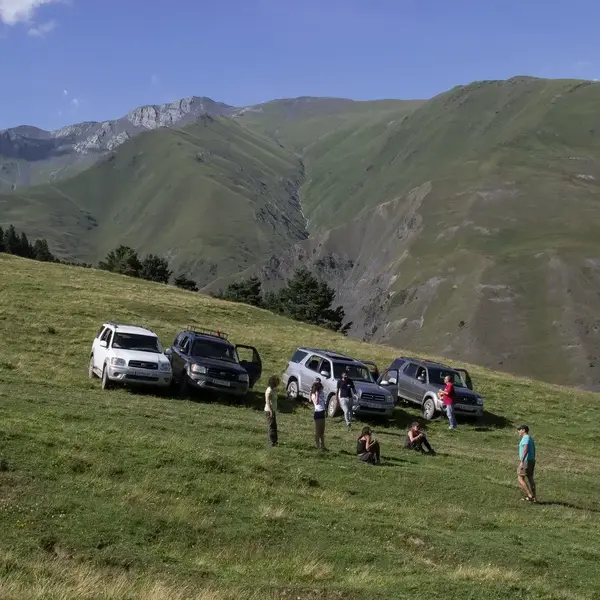
From Dedoplistskaro, we transfer to 4WD jeeps. Normal vehicles cannot handle what comes next—rough, unpaved tracks that climb and descend through increasingly wild terrain.
Takhti-Tepa Mud Volcanoes
The road to Takhti-Tepa bounces and lurches across open steppe. You’ll understand immediately why 4WD is essential. The landscape becomes increasingly otherworldly—less vegetation, more exposed rock, colors shifting from green-gold to rust-orange.
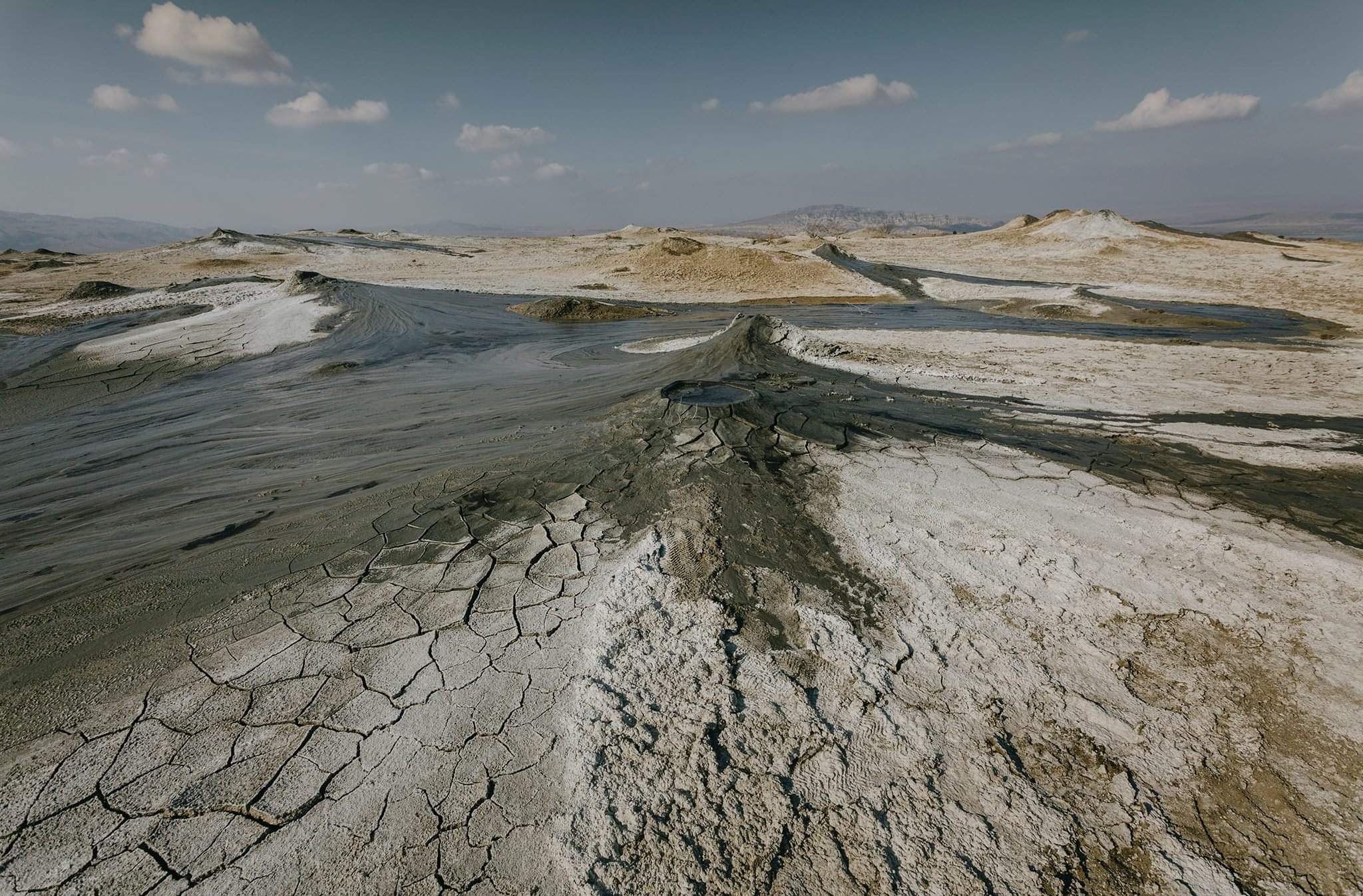
Then you see them: dozens of mud volcanoes dotting the landscape like miniature mountains. Gray mud bubbles and oozes from vents, sometimes making popping sounds as gas escapes. The largest cones reach several meters high, built up over years from mud flows. Fresh mud looks wet and shiny; older flows have dried and cracked into geometric patterns.
You can walk among the mud volcanoes, approaching carefully (the ground can be slippery near active vents). The smell is distinctive—sulfurous and mineral-rich. Touch the dried mud and it feels smooth, almost clay-like. The landscape looks lunar, completely unlike anywhere else in Georgia.
Packed lunch near the mud volcanoes, sitting in whatever shade we can find while you absorb the strange landscape.
Datvikhevi (Bear’s Gorge)
After lunch, we drive to Datvikhevi Canyon. The road becomes even rougher—rocky tracks that climb ridges and descend into valleys, crossing dry streambeds and navigating challenging sections. This is genuine off-road driving.
Datvikhevi Gorge is a deep canyon carved through limestone and sedimentary rock by seasonal water flow. The canyon walls drop steeply, exposing layers of different colored stone—creams, yellows, rust reds. When light hits the walls at the right angle, the colors glow.
We hike into the gorge, following what is sometimes barely a path. The terrain is uneven—loose rock, occasional scrambling over boulders. It’s not technically difficult, but you need to watch your footing. Look up at the cliff faces and you’ll often spot Caucasian eagles circling or perched on ledges—massive raptors with wingspans exceeding two meters. Bring binoculars.
Pantishara Gorge & Fossil Sites
Late afternoon brings us to Pantishara, another canyon with different geology. Here, the story shifts from erosion to deep time. In the sedimentary rock layers exposed in Pantishara’s walls, you’ll see fossilized remains—bones of southern elephants that roamed here hundreds of thousands of years ago, ancient sea clams proving this desert once lay beneath water.
Your guide points out the fossil layers and explains the geology. You’re not going to find complete skeletons, but the visible fragments make a tangible connection to the distant past. The fossils are protected—look but don’t remove anything.
Gazelles often graze in the area around Pantishara, so watch the surrounding steppes.
Artsivi (Eagle) Gorge
We make one more stop at Artsivi Gorge, named for the eagles that nest on its cliffs. This canyon offers different viewpoints and perspectives. As the sun lowers, the light on the canyons becomes increasingly dramatic—golden hour transforms the landscape.
This is prime photography time. The canyons, the open steppe, the sky—everything glows. If you’re lucky with wildlife, gazelles may be moving to evening grazing areas.
Evening: Dedoplistskaro
As dusk approaches, we drive back to Dedoplistskaro for the night. The accommodation is a basic family-run guesthouse—simple rooms, shared or private bathrooms depending on availability, Georgian hospitality, and home-cooked food.
Don’t expect boutique hotel standards. These are clean, functional guesthouses run by local families. What you’re paying for is location and access to the park, not luxury.
Dinner is traditional Georgian food—simple, hearty, filling. Bread, cheese, vegetable dishes, maybe grilled meat. After dinner, most guests sleep soundly after the long, dusty day.
Morning: Early Start
If you’re keen on wildlife and photography, consider starting before dawn. The hour around sunrise is when wildlife is most active—gazelles graze, birds hunt, the light is spectacular. This is optional but recommended for enthusiasts.
Breakfast at the guesthouse—bread, cheese, eggs, coffee, tea. Simple but adequate fuel for another day of exploration.
Dali Reservoir
Our first destination is Dali Reservoir, an artificial lake created in Soviet times that has become an important wetland ecosystem. The contrast with yesterday’s dry canyons is striking—suddenly there’s water, greenery, reeds, and birds.
Dali attracts waterfowl and wading birds. Depending on the season, you might see ducks, geese, herons, egrets, and occasionally even flamingos during migration periods. For birdwatchers, this stop is gold. Even if you’re not a birder, the reservoir provides peaceful scenery and a different perspective on the region’s ecology.
We walk along the reservoir shore, scanning for birds. Bring binoculars if you have them.
Additional Sites (Flexible)
Depending on time, weather, road conditions, and group interests, we can visit additional locations:
Alesilebi Canyon: Another dramatic gorge, less visited than Datvikhevi or Pantishara. Multiple viewpoints offer different perspectives on the canyon and surrounding badlands.
St. Elijah Church: A small church in a remote setting, a pilgrimage site for locals, with views over the surrounding landscape.
Additional canyon viewpoints or wildlife viewing areas based on what you’ve enjoyed most or want to photograph further.
The second day is somewhat flexible. While we have target destinations, we can adjust based on weather, wildlife sightings, photography opportunities, or if the group wants more time at particular locations. This flexibility is one advantage of small group touring.
Return Journey
Midday or early afternoon, we begin the drive back to Tbilisi. The return journey takes approximately 4-5 hours with stops for lunch (either at a restaurant en route or a packed lunch, depending on timing and preference).
Arrival in Tbilisi: Late afternoon or early evening, dropped at your accommodation—dusty and tired but having seen a side of Georgia most tourists never experience.
Price details
[wptb id=17388]
What’s Included
Tour map
Tbilisi
Khornabuji Fortress
Dedoplistskaro
Takhti-Tepa Mud Volcanoes
Datvikhevi Canyon
Pantishara Gorge
Eagle Canyon (Artsivi)
Dali Reservoir
Tour gallery
Practical Information
Duration: 2 days / 1 night
Difficulty: Moderate (rough roads, some hiking on uneven terrain)
Group Size: 4-6 people maximum per jeep
Best Season: April-June and September-November (avoid July-August heat)
What to Bring – Essential
Sun protection is critical and non-negotiable. The semi-desert sun is intense, reflected by light-colored rock, with minimal shade. Wide-brimmed hat, high SPF sunscreen (50+ recommended), sunglasses.
Sturdy footwear: Hiking boots with ankle support are ideal; trail runners are acceptable. Sandals or casual shoes are inadequate—you will twist an ankle.
Clothing: Light, breathable, coverage-providing. Long sleeves actually help in strong sun. Quick-dry fabrics work better than cotton. Layers for temperature variation.
Water: Reusable bottle (2-3 liter capacity recommended). We provide water but bring your own bottle.
Camera equipment: Extra batteries and memory cards—you’ll shoot more than expected. Dust is inevitable. Polarizing filter helps with intense sun.
Binoculars: Essential for wildlife viewing. We can provide if requested in advance.
Accommodation Reality
The Dedoplistskaro guesthouse is basic: simple rooms with beds, shared or private bathrooms (availability varies), hot water usually available (evening most reliable), clean bedding and towels, no/limited WiFi, no air conditioning, limited electrical outlets, family-run home cooking. This serves its purpose—clean place to sleep after a long day—not luxury.
Border Zone Requirements
Vashlovani borders Azerbaijan, making parts restricted territory. Provide passport photocopies 3-4 days before the tour. We submit these for advance clearance. Bring original passport on tour day. Permit processing takes 15-30 minutes at the checkpoint. Very rarely, permits can be denied for security reasons (full refund or reschedule if this happens).
Weather Cancellations
Heavy rain makes the roads impassable. Full stop. We monitor forecasts closely. If significant rain is predicted or conditions are wet, we cancel with full refund or reschedule option. This is non-negotiable for safety.
Physical Requirements
Jeep travel means hours daily on rough, bumpy roads. If you have back or neck problems, consider whether this is advisable. Walking/hiking totals 3-5 km per day on uneven terrain. Heat exposure can be significant in warmer seasons. Remoteness means being far from medical facilities—nearest hospital is hours away.
Best Time to Visit
Spring (April-June) ⭐⭐⭐⭐⭐: Desert blooms with wildflowers. Comfortable temperatures. Gazelles have young. Best photography conditions.
Summer (July-August) ⭐⭐: Brutal. Temperatures 40-45°C. Not recommended unless you have exceptional heat tolerance.
Autumn (September-November) ⭐⭐⭐⭐⭐: Perfect temperatures, beautiful light. November brings Tushetian shepherds with their flocks—cultural dimension adds depth.
Winter (December-March) ⭐⭐⭐: Cold but viable. February offers lambing season at shepherd camps. Unique perspective but limited facilities.
Tour FAQ
Why Book This Tour
Vashlovani isn’t for everyone. It’s hot or cold depending on season, accommodation is basic, roads are rough, and you’re far from comfort and convenience. But for travelers seeking authentic adventure and landscapes unlike anywhere else in Georgia, it’s extraordinary.
While Kazbegi sees hundreds of tourists daily fighting for selfie spots, Vashlovani might have a dozen visitors weekly. You’ll experience remoteness and solitude that’s increasingly rare in modern travel.
The landscapes genuinely surprise. After days of green mountains and vineyard valleys, the semi-desert feels like you’ve entered a different country. The mud volcanoes bubble and hiss. The canyons drop dramatically through colored rock layers. The gazelles graze in herds across golden steppes. It’s strange, beautiful, and completely unexpected.
The wildlife viewing exceeds what most of Georgia offers. Where else can you watch endangered gazelles, see multiple eagle species in a single day, and walk among ancient fossils proving this desert once lay beneath seas?
We’ve been running tours here for years. Our guides know the park intimately—where gazelles typically graze, which viewpoints offer best light for photography, how to read weather and adjust accordingly. The jeeps are proper 4WD vehicles maintained for rough conditions. The permits are arranged correctly. The logistics work.
Small group sizes mean flexibility. If you spot interesting birds, we stop. If light is perfect for photography, we linger. If everyone’s exhausted from heat, we adjust pace.
This is Georgia’s secret national park. Most travelers never hear about it. Those who visit remember it long after wine tours and mountain selfies have blurred together.