Wine Tours in Georgia: Discover the Cradle of Wine

Experience the enchanting world of Georgian wine with our authentic wine tours through one of the world’s oldest and most fascinating wine regions. Georgia’s 8,000-year winemaking tradition, recognized by UNESCO as Intangible Cultural Heritage, offers wine enthusiasts an unparalleled journey through ancient vineyards, family-owned wineries, and the unique qvevri winemaking method that has remained unchanged for millennia.

From the legendary wine valleys of Kakheti to the rare indigenous varieties of Western Georgia, our expertly curated wine tours immerse you in authentic Georgian hospitality, traditional supra feasts, and the stories of passionate winemakers who continue ancestral traditions. Whether you’re a seasoned sommelier or curious traveler, Georgian wine tours promise unforgettable tastings, cultural discoveries, and memories that will last a lifetime.

Why Choose Georgia for Wine Tours?

The World’s Oldest Wine Country: Archaeological evidence confirms Georgia has been making wine for over 8,000 years, making it the birthplace of wine civilization. Ancient pottery discovered in Georgia contains the world’s oldest known wine residues.

UNESCO Heritage Winemaking: The traditional qvevri method—fermenting wine in buried clay vessels—is recognized as UNESCO Intangible Cultural Heritage, preserving techniques used for millennia.

525+ Indigenous Grape Varieties: Georgia boasts more indigenous grape varieties than any other country, offering unique flavors found nowhere else on Earth. From the famous Saperavi and Rkatsiteli to rare varieties like Khikhvi and Chkhaveri, each tells a story.

Authentic Family Wineries: Visit small family cellars where winemaking traditions have been passed down through generations, experiencing genuine Georgian hospitality that treats every guest as family.

Georgia’s Premier Wine Regions

Kakheti: The Heart of Georgian Wine

Located in eastern Georgia, Kakheti produces approximately 70% of Georgia’s wine and is home to the most celebrated wine appellations. The region’s diverse microclimates, from the Alazani Valley to the slopes of the Caucasus Mountains, create ideal conditions for both indigenous and international grape varieties.

Signature Grape Varieties:

  • Saperavi: Georgia’s premier red grape, producing full-bodied wines with deep ruby colors and notes of blackberry and black cherry
  • Rkatsiteli: Ancient white variety creating crisp, aromatic wines with honey and citrus notes
  • Kisi: Rare white grape producing complex, mineral-rich wines with floral aromas
  • Mtsvane: Elegant white variety known for fresh, fruity characteristics
  • Khikhvi: Nearly extinct variety being revived by passionate winemakers

Western Georgia: Hidden Wine Treasures

The regions of Imereti, Racha-Lechkhumi, and Samegrelo offer distinctive wines rarely found outside Georgia, including naturally semi-sweet varieties and unique indigenous grapes.

Distinctive Varieties:

  • Tsolikouri: Imereti’s signature white grape with delicate floral notes
  • Tsitska: Light, refreshing white wine with high acidity
  • Otskhanuri Sapere: Rare red grape from Racha producing naturally semi-sweet wines
  • Aleksandrouli: Combined with Mujuretuli to create the legendary Khvanchkara wine
  • Ojaleshi: Samegrelo’s pride, creating elegant red wines with berry notes

Understanding Georgian Qvevri Winemaking

The qvevri (also spelled kvevri) method is what makes Georgian wine truly unique. This ancient technique involves fermenting, aging, and storing wine in large egg-shaped clay vessels buried underground, where consistent temperatures allow wine to develop complex flavors naturally.

The Qvevri Process:

  1. Harvest: Grapes are hand-picked at optimal ripeness during the traditional “Rtveli” harvest celebration
  2. Crushing: Grapes are traditionally crushed by foot in a large stone basin called “satsnakheli”
  3. Fermentation: Juice, skins, stems, and seeds are placed in qvevri, where natural yeasts begin fermentation
  4. Burial: Qvevri are buried up to their necks in the ground, maintaining stable temperatures (13-15°C)
  5. Aging: Wine remains in contact with grape skins for 5-6 months, creating distinctive amber-colored white wines
  6. Storage: After aging, wine can remain in qvevri for years, developing complexity and character

Popular Wine Tour Experiences

One-Day Wine Tours from Tbilisi

Perfect for travelers with limited time, our day tours offer comprehensive wine experiences:

  • Organic Wine Tour in Kakheti (8-10 hours): Visit 2-3 family wineries specializing in organic, biodynamic wines with traditional lunch
  • Sighnaghi and Wine Tasting Tour: Explore the “City of Love” combined with authentic qvevri wine experiences
  • Telavi Wine Region Tour: Discover the administrative heart of Kakheti with visits to historic estates and boutique wineries
  • Qvevri Workshop and Tasting: Learn how traditional clay vessels are made before tasting wines aged in them

Multi-Day Wine Tours

For wine enthusiasts seeking deeper immersion:

  • 5-Day Western Georgia Wine Tour: Explore the rare wines of Racha-Lechkhumi and Imereti regions, visiting remote family cellars
  • Complete 11-Day Georgia Wine Journey: Comprehensive exploration from Kakheti to the Black Sea, including wine, culture, and nature
  • 3-Day Kakheti Wine Immersion: Stay in the heart of wine country, visiting multiple appellations and meeting legendary winemakers

Special Wine Experiences

  • Rtveli Harvest Participation: Join the grape harvest festival (September-October) with traditional foot-stomping and feast
  • Supra Wine Dinners: Experience authentic Georgian feast with toastmaster, polyphonic songs, and unlimited wine
  • Wine and Food Pairing Classes: Learn to match Georgian wines with traditional cuisine at family wineries
  • Qvevri Making Workshops: Visit master craftsmen’s workshops to see how these UNESCO-protected vessels are created
  • Private Winery Tours: Exclusive access to prestigious estates and rare wine collections
  • Chacha Distillation Experience: Learn about Georgian grape vodka (chacha) production and traditional distillation methods

What to Expect on Georgian Wine Tours

At Family Wineries

Georgian wine culture is inseparable from hospitality. At family wineries, expect:

  • Warm welcomes from winemaking families who treat guests as honored friends
  • Tours of marani (wine cellars) with ancient qvevri and modern winemaking facilities
  • Tastings of 5-8 different wines, often including rare varieties and experimental batches
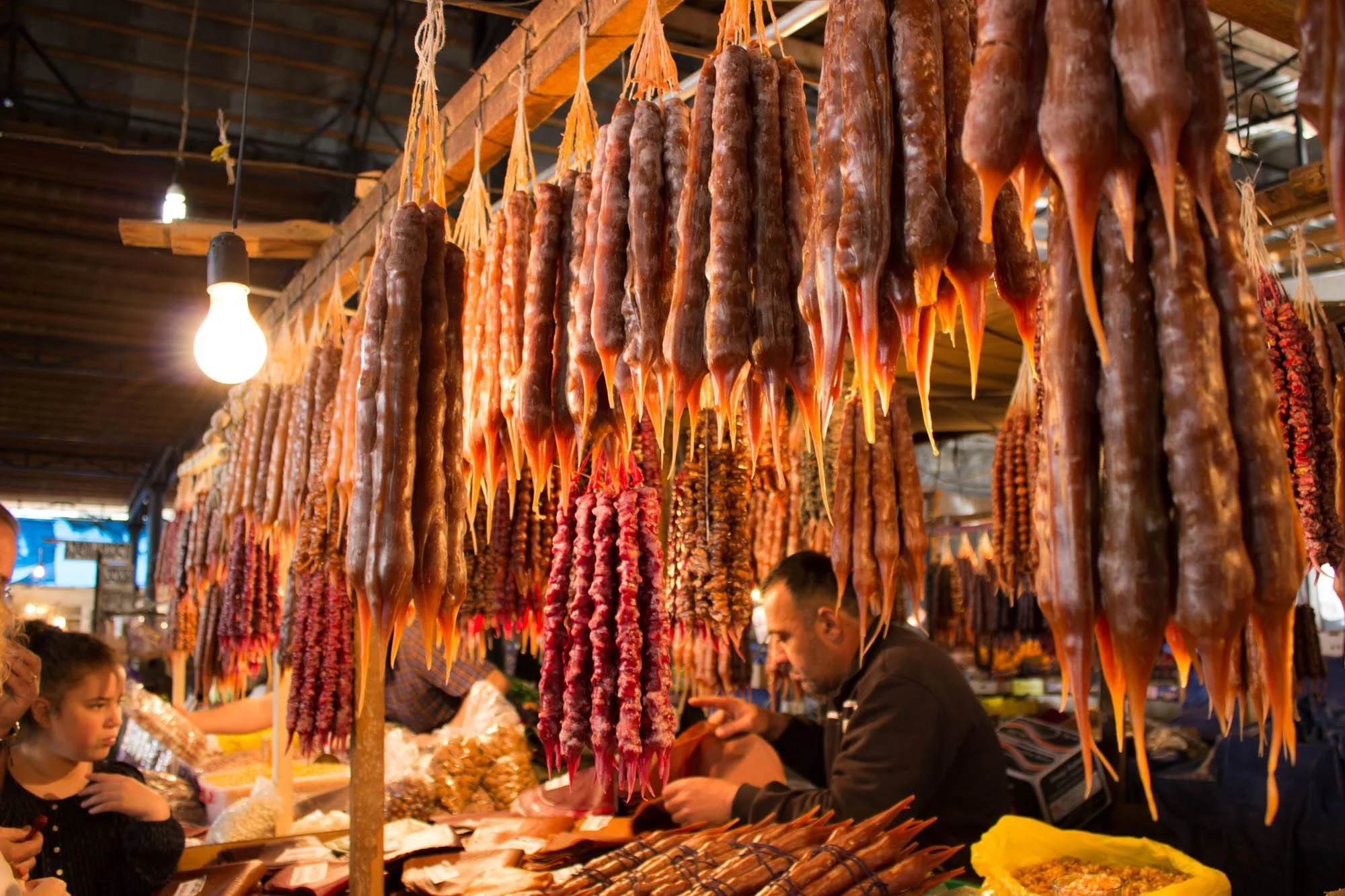
  • Traditional food pairings featuring homemade bread, cheese, churchkhela, and seasonal dishes
  • Stories about family winemaking traditions spanning generations
  • Opportunities to taste wine directly from qvevri using traditional clay bowls
  • Purchase options for wines rarely available in commercial markets

Wine Tasting Tips

  • Pace Yourself: Georgian hospitality means generous pours—it’s okay to sip slowly
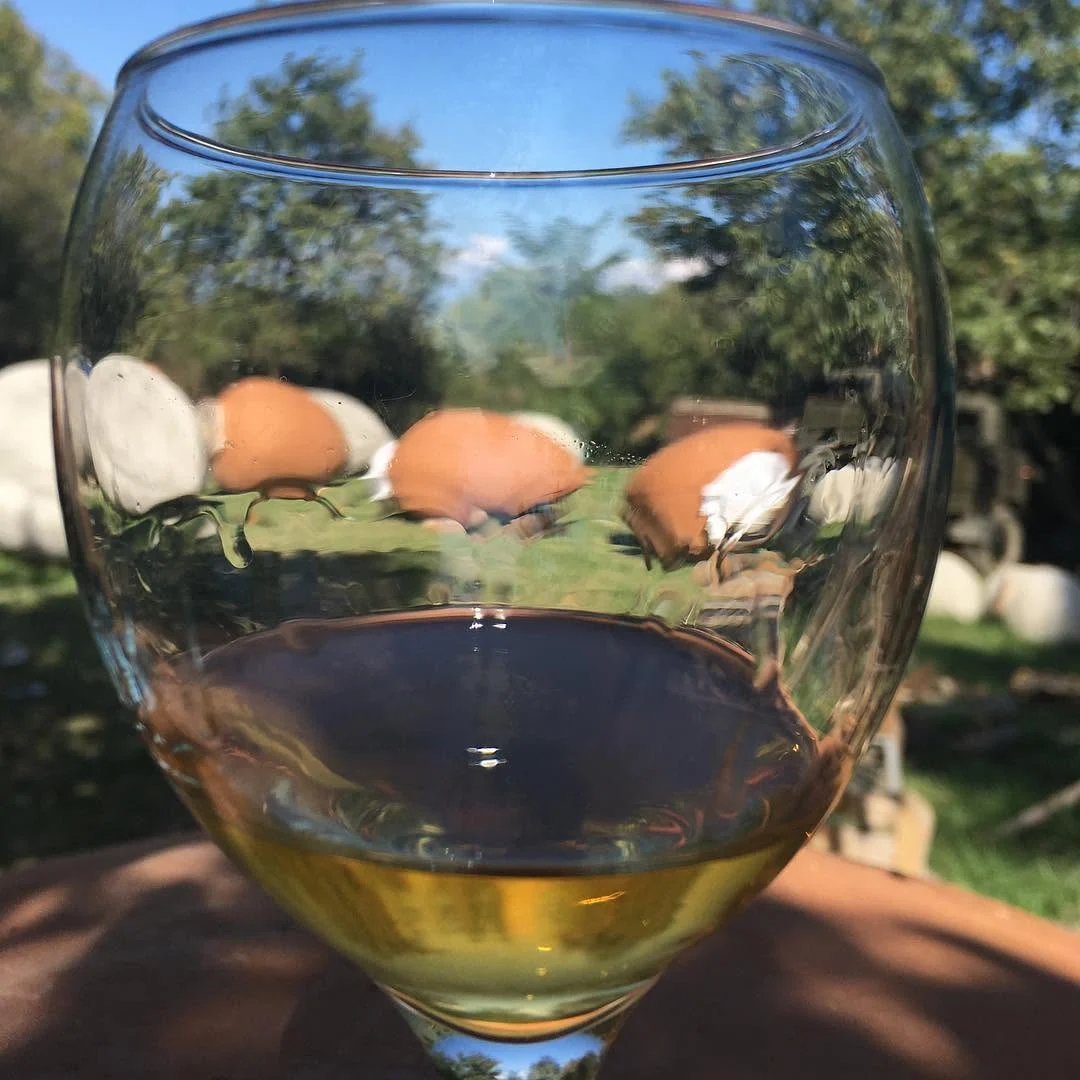
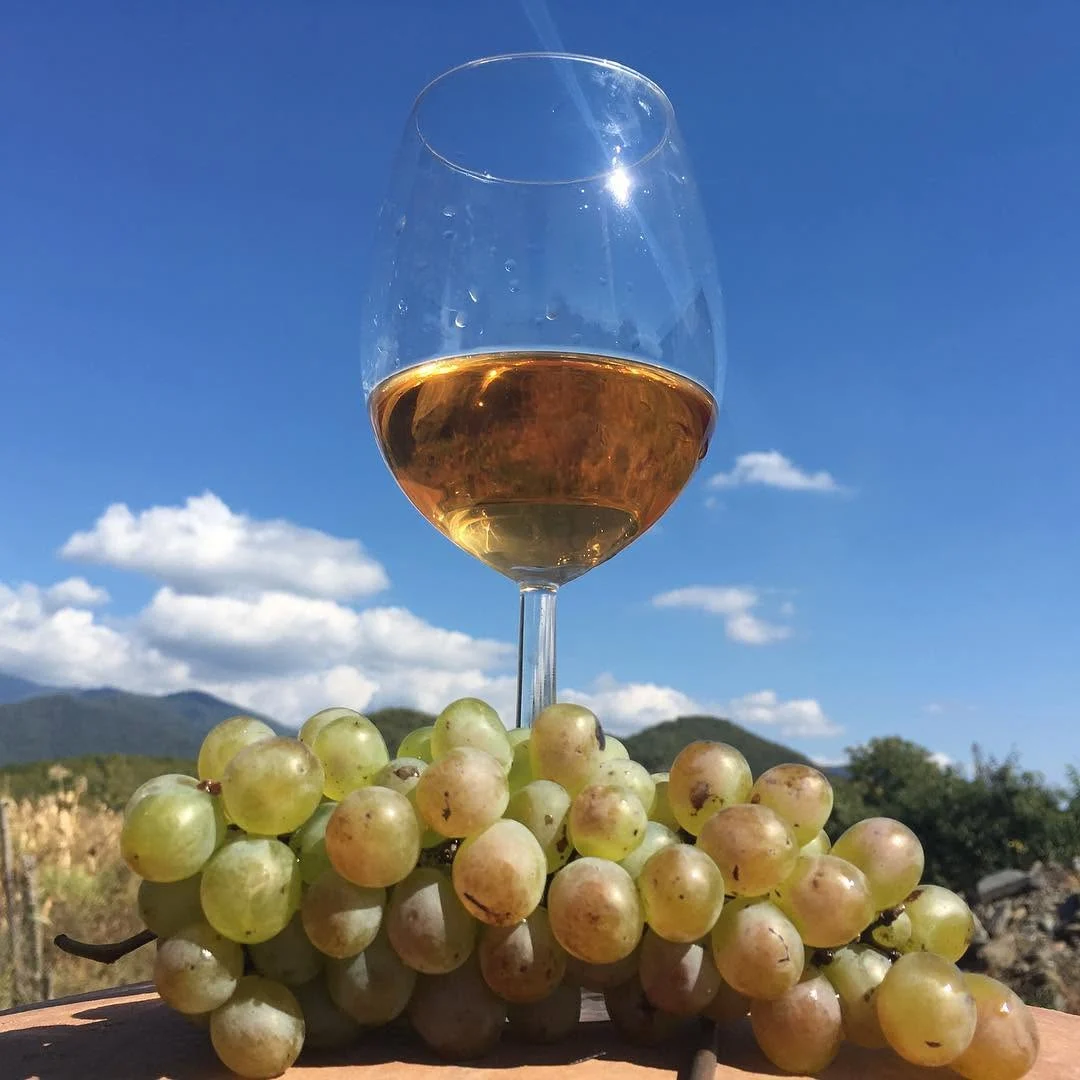
  • Try Amber Wines: White wines made with skin contact create unique orange/amber colors and tannic structures
  • Embrace Natural Wines: Many Georgian wines are unfined and unfiltered, with minimal intervention
  • Learn the Toast: “Gaumarjos!” (გაუმარჯოს) means “to victory” and is the Georgian toast
  • Ask Questions: Winemakers love sharing their knowledge and stories

Best Wine Tour Destinations in Kakheti

Telavi: The Wine Capital – The administrative center of Kakheti, Telavi offers easy access to numerous wineries, qvevri workshops, and the beautiful Gombori Pass. Don’t miss the local bazaar for Kakhetian specialties.

Sighnaghi: City of Love and Wine – This charming hilltop town offers stunning Caucasus Mountain views, cobblestone streets, and proximity to excellent family wineries in surrounding villages like Bodbe and Tibaani.

Tsinandali: Noble Wine Estate – Home to Prince Alexander Chavchavadze’s 19th-century estate, where European winemaking techniques were first introduced to Georgia. The historic wine cellar and English-French garden are must-visits.

Kvareli: Underground Wine Tunnels – Famous for the Khareba Wine Tunnels—7.7 kilometers of tunnels carved into the Caucasus Mountains, maintaining perfect wine storage conditions year-round.

Alaverdi Valley: Ancient Monasteries and Wine – Home to the 11th-century Alaverdi Monastery, which has maintained winemaking traditions for a millennium. The valley produces some of Kakheti’s finest wines.

Georgian Wine and Food Pairing

Georgian cuisine and wine evolved together, creating perfect natural pairings:

Saperavi Pairs With: Mtsvadi (Georgian BBQ), Khinkali (soup dumplings), Chakhokhbili (chicken stew), Aged Georgian cheeses

Rkatsiteli Amber Wine Pairs With: Khachapuri (cheese bread), Lobio (bean stew), Pkhali (vegetable spreads), Satsivi (walnut sauce dishes)

Semi-Sweet Wines Pair With: Churchkhela (walnut candy), Gozinaki (honey-nut brittle), Fresh fruit, Mild cheeses

Chacha Accompanies: Toasts during supra, Pickled vegetables, Cured meats, After-dinner digestif

Wine Harvest Season: Rtveli

The annual grape harvest, called “Rtveli,” is one of Georgia’s most important cultural celebrations. Taking place from late August through October (depending on the grape variety and region), Rtveli is both hard work and joyous festival.

Experience Rtveli Traditions:

  • Grape Picking: Join families in the vineyards for traditional hand-harvesting
  • Grape Stomping: Participate in crushing grapes by foot in stone basins
  • Harvest Supra: Feast with winemakers celebrating the year’s harvest
  • Traditional Music: Enjoy polyphonic Georgian songs sung during work
  • Wine Making: Watch as fresh juice is transferred to qvevri for fermentation
  • Festive Atmosphere: Experience the joy and community spirit of this ancient tradition

Practical Information for Wine Tours

Best Time for Wine Tours

  • Spring (April-June): Perfect weather, blooming vineyards, and lighter crowds
  • Harvest Season (September-October): Experience Rtveli, though wineries are busiest
  • Autumn (September-November): Beautiful foliage, harvest activities, and pleasant temperatures
  • Summer (July-August): Warm weather, all wineries operating, good for outdoor tastings
  • Winter (December-March): Fewer tourists, cozy cellar tastings, snow-capped mountain views

What to Bring

  • Comfortable walking shoes for vineyard visits
  • Modest clothing for monastery visits (many wine tours include cultural sites)
  • Light jacket for wine cellars (cool underground)
  • Camera for stunning vineyard landscapes
  • Notebook for tasting notes
  • Empty luggage space for wine purchases

Transportation and Logistics

  • Most wineries are 1.5-3 hours from Tbilisi
  • Roads in wine regions are generally good but can be winding
  • Having a designated driver is essential (our tours include transportation)
  • Many wineries require advance booking, especially smaller family operations
  • English is spoken at most tourist-oriented wineries; guides provide translation at smaller cellars

Booking Your Georgian Wine Tour

  • Expert Wine Guides: Our guides are trained in wine knowledge and can translate nuanced conversations with winemakers
  • Curated Winery Selection: We partner with the best family cellars and established estates in each region
  • Small Group Sizes: Limited groups ensure personalized attention and authentic interactions
  • Flexible Itineraries: Customize tours based on your wine preferences and interests
  • All-Inclusive Options: Tours include transportation, tastings, and meals
  • Direct Winery Relationships: Access to exclusive experiences not available to general visitors

Frequently Asked Questions About Georgian Wine Tours

General Wine Tour Questions

Q: Why is Georgia called the birthplace of wine?

A: Archaeological evidence discovered in Georgia, including 8,000-year-old wine residues found in ancient pottery, proves that Georgia is the world’s oldest winemaking region. The traditional qvevri winemaking method has been continuous for millennia and is recognized by UNESCO as Intangible Cultural Heritage of Humanity.

Q: What makes Georgian wine unique?

A: Georgian wine is unique for several reasons: the ancient qvevri fermentation method, over 525 indigenous grape varieties found nowhere else, the tradition of fermenting white wines with skins (creating “amber” or “orange” wines), minimal intervention natural winemaking practices, and the deep cultural connection between wine and Georgian identity.

Q: How many wineries will we visit on a typical day tour?

A: Most day tours visit 2-3 wineries to allow sufficient time at each location for tours, tastings, and meals. This provides a balanced experience without rushing. You’ll typically taste 10-15 different wines throughout the day, along with traditional food pairings.

Q: Are wine tours suitable for non-drinkers?

A: Absolutely! Georgian wine culture is about hospitality, tradition, and community. Non-drinkers can enjoy the cultural experience, beautiful scenery, traditional food, and learn about winemaking history. Wineries also offer grape juice, mineral water, and chacha alternatives for tasting experiences.

Q: What is qvevri and how does it affect the wine?

A: Qvevri (or kvevri) are large egg-shaped clay vessels buried underground for winemaking. The shape creates natural convection currents during fermentation, the clay is porous allowing micro-oxygenation, and the stable underground temperature (13-15°C) creates ideal aging conditions. This method produces wines with distinctive mineral qualities, complex tannin structures, and exceptional aging potential.

Planning Your Wine Tour

Q: What’s the best time to visit for wine tours?

A: Georgia offers wine experiences year-round, but September-October is special for the Rtveli (harvest) season when you can participate in grape picking and crushing. Spring (April-June) offers pleasant weather and blooming vineyards. Summer (July-August) has long days and all facilities operating. Winter provides intimate cellar experiences with fewer tourists.

Q: How far are the wineries from Tbilisi?

A: Kakheti wine region is 1.5-2.5 hours from Tbilisi, depending on specific wineries. The journey crosses the scenic Gombori Pass with panoramic mountain views. Western Georgia wine regions (Imereti, Racha) are 3-4 hours from Tbilisi. All our tours include comfortable transportation with experienced drivers.

Q: How much do wine tours cost?

A: Day wine tours from Tbilisi typically range from $80-170 per person, depending on group size and inclusions. Private tours cost more but offer personalized experiences. Multi-day wine tours range from $300-800+ depending on duration, accommodation level, and included experiences. Our tours include transportation, guide, tastings, and usually one meal.

Q: Should I book wine tours in advance?

A: Yes, especially during peak season (May-October) and for harvest experiences. Small family wineries often require advance notice, and popular tours sell out. Booking 1-2 weeks ahead ensures availability. We can sometimes accommodate last-minute bookings based on availability.

Wine Tasting Experience

Q: How many wines will I taste on a tour?

A: Typically 10-15 different wines on a full-day tour across 2-3 wineries. Each winery usually offers 4-6 wines for tasting, including whites, ambers, reds, and sometimes semi-sweet varieties or chacha (grape vodka). Tastings are paired with traditional food to enhance the experience and pace consumption.

Q: What are amber wines?

A: Amber wines (also called orange wines) are white wines made using the traditional Georgian method of fermenting grape juice with skins, seeds, and stems in qvevri for 5-6 months. This creates an amber or orange color and adds tannins, giving white wine a fuller body and complex flavor profile with notes of dried fruits, nuts, and honey.

Q: What food is included with wine tastings?

A: Most wine tastings include traditional accompaniments like homemade bread, Georgian cheese, churchkhela (walnut candy), sunflower oil, and pickled vegetables. Full-day tours typically include a traditional Georgian lunch at a winery or local restaurant, featuring dishes like khinkali, khachapuri, mtsvadi, and seasonal specialties paired with wines.

Q: Can I buy wine directly from wineries?

A: Yes! Most wineries sell bottles directly, often at better prices than shops. Family wineries may offer wines not available commercially. Prices range from 15-50 GEL ($5-18) per bottle for quality wines. We can help arrange shipping for larger purchases, though hand-carrying in checked luggage is common (check airline regulations).

Q: What should I expect at a traditional Georgian supra?

A: A supra is a traditional Georgian feast led by a tamada (toastmaster) who gives elaborate toasts throughout the meal. Expect 15-20 dishes, continuous wine service, polyphonic singing, and toasts to family, friendship, peace, and ancestors. Participation is encouraged but not mandatory. The experience typically lasts 3-4 hours and embodies Georgian hospitality.

Grape Varieties and Wine Styles

Q: What is Saperavi wine?

A: Saperavi is Georgia’s most famous red grape variety, producing full-bodied, age-worthy wines with deep ruby-purple color. The name means “dye” in Georgian, referring to its intense color. Saperavi wines feature flavors of blackberry, black cherry, and plum, with firm tannins and good acidity. It’s excellent for aging and pairs wonderfully with Georgian grilled meats.

Q: Why are some Georgian wines naturally semi-sweet?

A: Traditional Georgian semi-sweet wines like Khvanchkara and Kindzmarauli are naturally semi-sweet due to high sugar content in grapes grown in specific microclimates. These wines are not artificially sweetened. Fermentation is stopped while residual sugar remains, creating balanced wines with 3-4% residual sugar that aren’t overly sweet.

Q: What grape varieties should I try?

A: Must-try varieties include Saperavi (red), Rkatsiteli (white/amber), Kisi (complex white), Mtsvane (aromatic white), Khikhvi (rare white), Tavkveri (light red from Kartli), and Western varieties like Tsolikouri, Tsitska, and Otskhanuri Sapere. Each offers unique characteristics found nowhere else in the world.

Q: Are Georgian wines organic?

A: Many Georgian wines, especially from small family wineries, are produced using organic or biodynamic methods, though not all are officially certified. The traditional qvevri method uses minimal intervention with no added yeasts or chemicals. We can arrange tours focusing specifically on certified organic and natural wine producers.

Cultural and Historical Questions

Q: What is the significance of wine in Georgian culture?

A: Wine is deeply woven into Georgian identity, religion, and daily life. The grapevine is a national symbol, Saint Nino brought Christianity to Georgia with a cross made from grapevine, and every important life event involves toasts with wine. Georgians say “wine is not a beverage, it’s a culture” – it represents hospitality, family bonds, and connection to ancestors.

Q: Can we visit wine-producing monasteries?

A: Yes! Several monasteries maintain ancient winemaking traditions. Alaverdi Monastery in Kakheti produces wine using traditional methods and offers tastings. Shio-Mgvime Monastery near Tbilisi also makes wine. These visits combine spiritual heritage with winemaking history, showing how monasteries preserved viticulture through centuries of invasions.

Q: What is chacha and will we taste it?

A: Chacha is Georgian grape vodka, distilled from grape pomace (skins, seeds, stems) left after winemaking. It typically ranges from 40-70% alcohol. Many family wineries produce chacha and offer tastings. It’s traditionally consumed as a digestif and accompanies toasts during supra feasts. Some premium aged chacha rivals fine brandies in complexity.

Logistics and Practical Matters

Q: Is transportation included in wine tours?

A: Yes, all our wine tours include comfortable, air-conditioned transportation with experienced drivers. This is essential for wine touring as Georgian hospitality means generous pours. Our drivers navigate mountain roads safely while you enjoy the scenery and relax after tastings.

Q: What languages are tours conducted in?

A: Our wine tours are conducted in English by knowledgeable guides who can translate conversations with winemakers. We also offer tours in Russian, German, French, and other languages upon request. At larger wineries, English-speaking staff are common; our guides ensure smooth communication at smaller family cellars.

Wine tours