
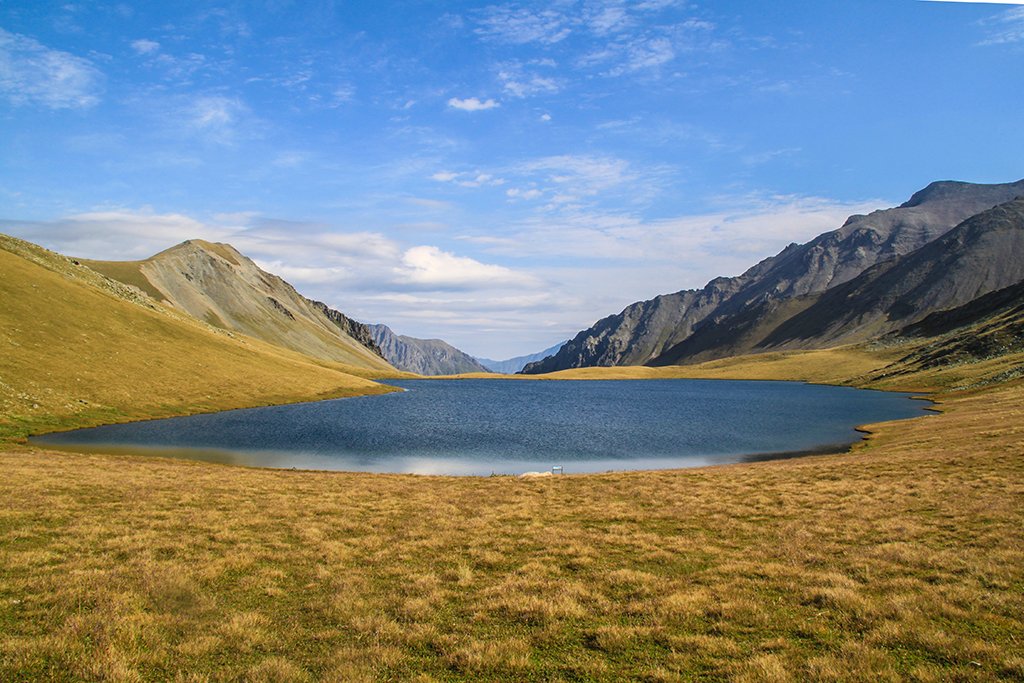
Nestled in the far northeastern corner of Georgia’s Kakheti region, Lagodekhi National Park stands as one of the Caucasus’ most pristine wilderness sanctuaries. This spectacular protected area, stretching across 24,255 hectares of untouched mountain terrain, offers adventurers a rare glimpse into one of Europe’s last truly wild frontiers.
About Lagodekhi Protected Area
Lagodekhi Protected Area represents a cornerstone of Georgia’s conservation efforts, encompassing dramatic elevation changes from 590 metres to 3,500 metres above sea level. The protected area comprises two distinct zones: the strictly protected Lagodekhi Nature Reserve, covering 19,755 hectares, and the 4,500-hectare Managed Reserve, where sustainable tourism and environmental education coexist with nature conservation.
What makes Lagodekhi National Park extraordinary is its exceptional biodiversity. Ancient hornbeam forests, some of the rarest in the Caucasus, cascade down the mountain slopes alongside pristine beech woodlands. The park provides an important habitat for East Caucasian tur, chamois and roe deer, while brown bears and lynx roam its remote valleys.
The administrative and visitor centre at the park’s main entrance welcomes travellers with exhibition halls explaining the ecological importance of the Lagodekhi Protected Area. Visitors can plan their trip, review safety guidelines and choose from five hiking trails, each revealing a different side of this remarkable wilderness.
When to Visit Lagodekhi National Park
The best time to visit the Lagodekhi Protected Area is from late April through October. The summer months, from June to September, offer the most reliable weather for multi-day treks, with alpine meadows bursting into colour.
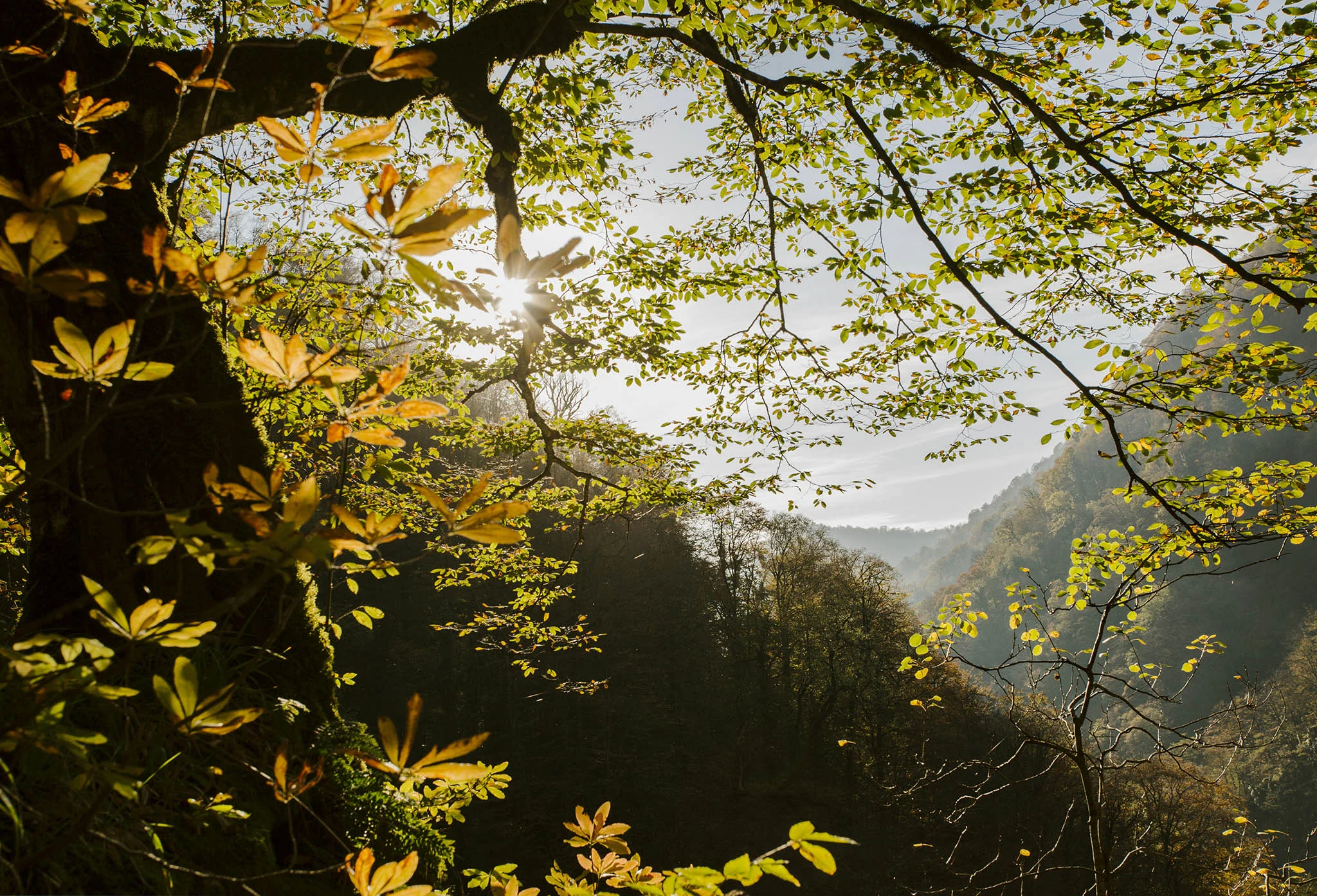
Spring visitors are rewarded with waterfalls at peak flow and the endemic Leotnice smirnowii painting the hillsides purple. Autumn transforms the beech forests into golden amphitheatres, making September and early October particularly attractive for photography.
Winter conditions make most trails in the Lagodekhi Protected Area inaccessible to casual hikers. Experienced mountaineers may attempt winter expeditions with the necessary permits and equipment.
Five Essential Trails in Lagodekhi Protected Area
1. Black Grouse Waterfall Trail
Distance: 9.5 km round trip | Duration: 3–5 hours | Difficulty: Moderate
This rewarding day hike penetrates deep into the virgin forests of Lagodekhi National Park, following the thundering Shroma River Valley. The trail begins among rare hornbeam groves before entering mixed deciduous woodland, where ash, lime, maple and wild chestnut create a cathedral-like canopy.
The narrow path clings to the mountainside above the roaring river, offering glimpses of smaller cascades before reaching the spectacular six-metre Rocho Waterfall. Here, water rushes through a narrow gap between moss-covered boulders, creating rainbows in the mist. Wildlife encounters are relatively common, so watch for roe deer grazing in forest clearings.
2. Ninoskhevi Waterfall – The Great Waterfall
Distance: 8 km round trip | Duration: 4–6 hours | Difficulty: Moderate
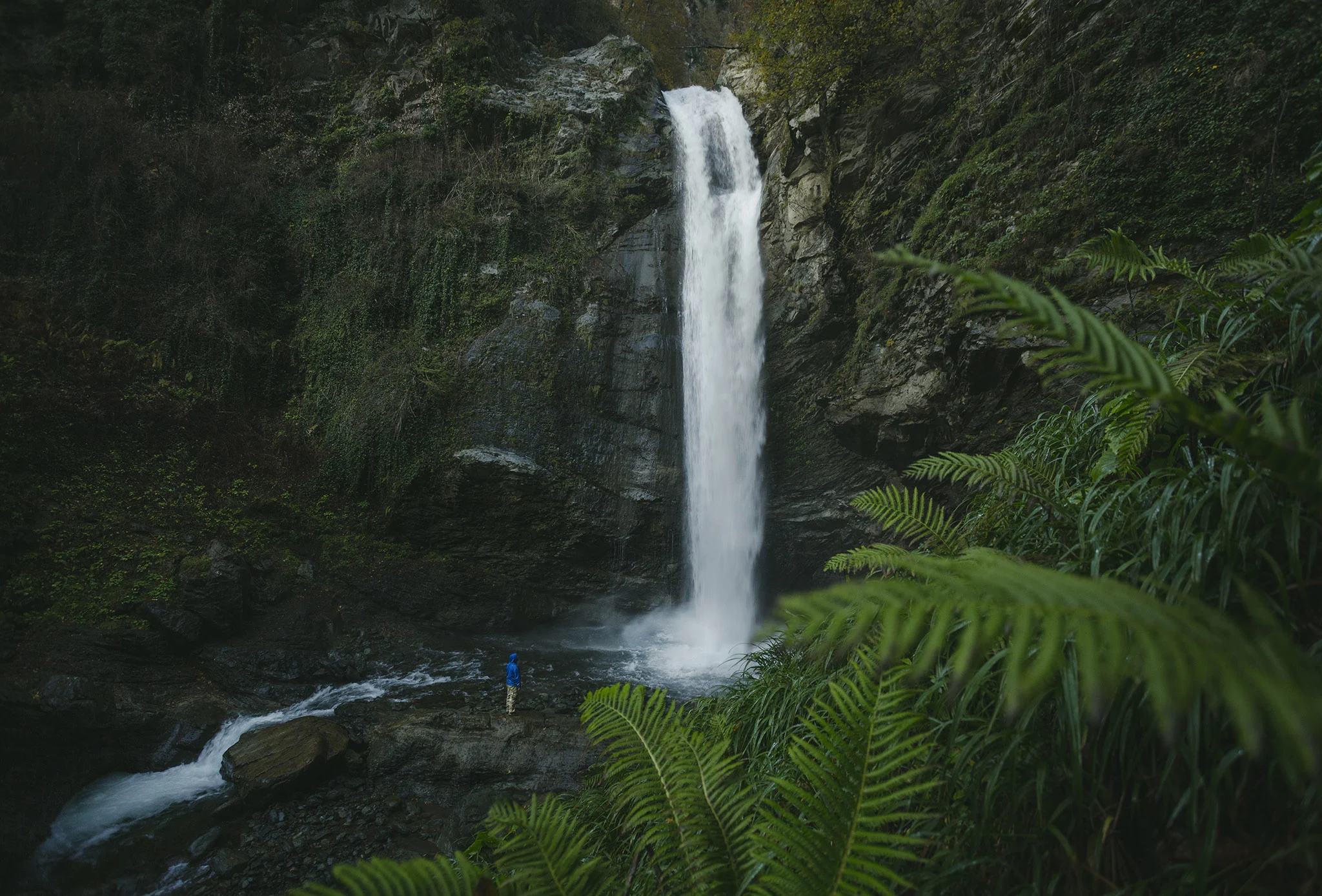
Known locally as the Great Waterfall, Ninoskhevi is one of the most dramatic natural attractions in the Lagodekhi Protected Area. The trail takes hikers on a more challenging ascent through dense forest before revealing a powerful multi-tiered cascade plunging over ancient rock formations. The microclimate around the waterfall supports unusual plant communities found in few other parts of Lagodekhi National Park.
3. Machi Castle Historical Trail
Distance: 6 km round trip, plus a 7 km vehicle transfer | Duration: 3–4 hours | Difficulty: Easy to moderate
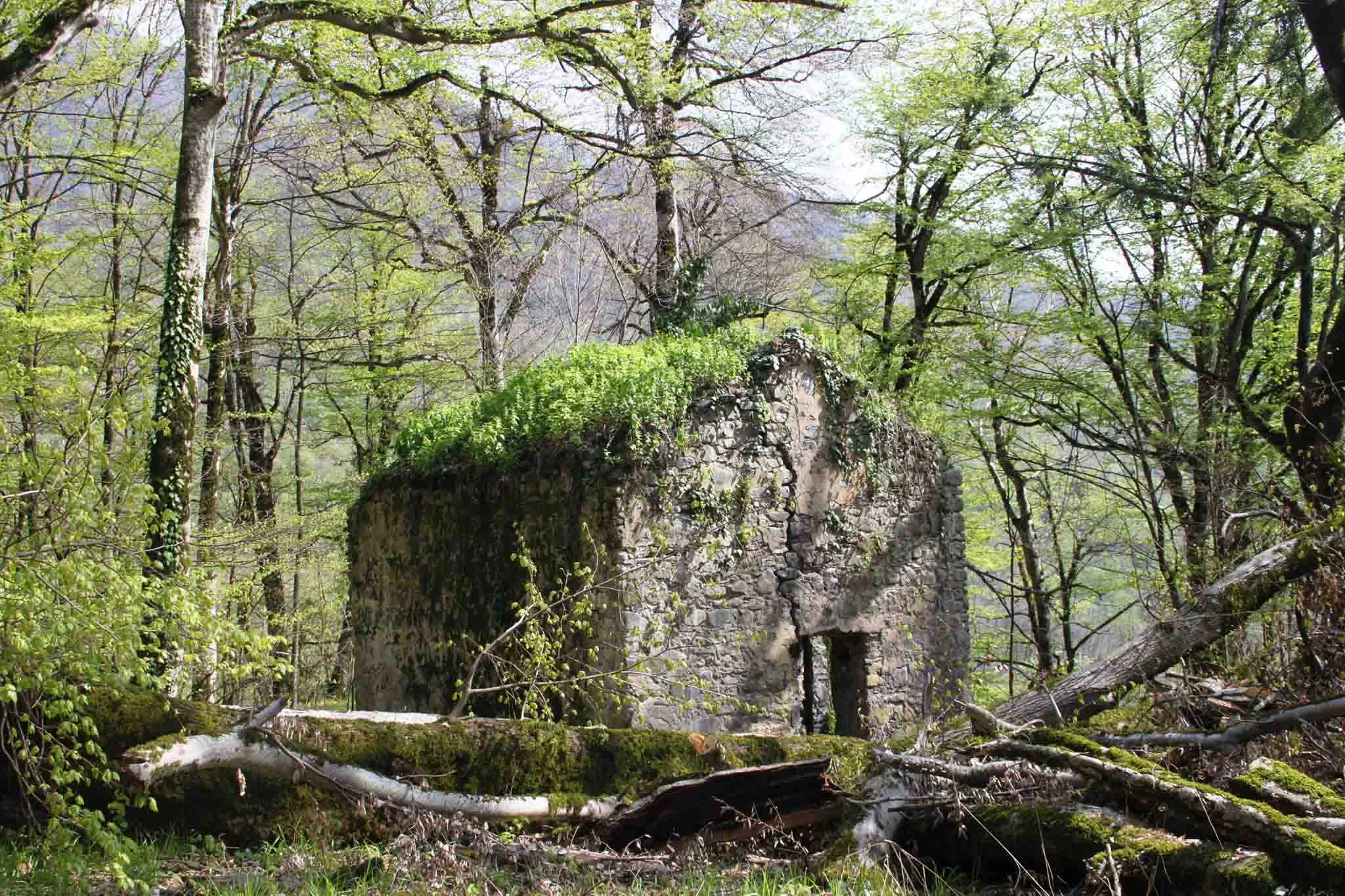
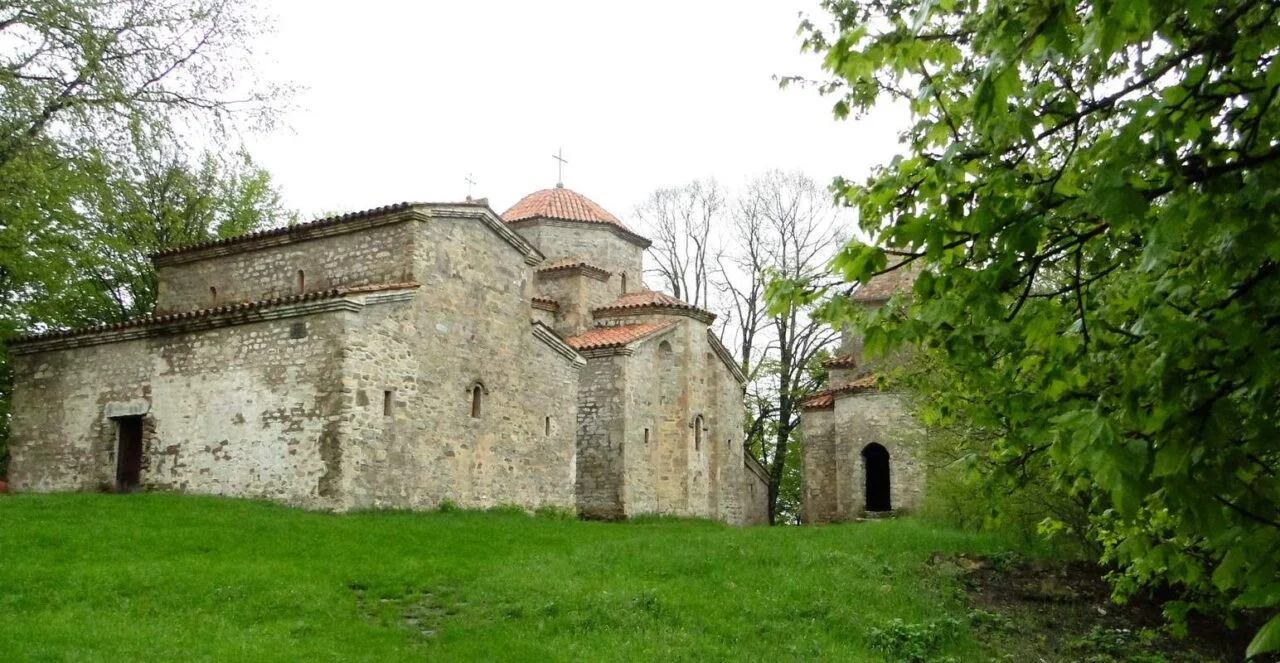
This trail combines natural scenery with medieval history. After a short drive to Matsimi village, hikers enter the mysterious Bneli Kheoba, or “Dark Gorge”, where carpet-like moss covers stones beneath oriental hornbeam trees. The trail winds through mixed forest before ascending to the impressive Machi Fortress.
This medieval Kakhetian stronghold, positioned strategically on a mountain promontory, features partially intact defensive walls, a noble family church, underground passages and the ruins of residential buildings. It demonstrates the strategic importance of this corner of Georgia throughout history. The Machi trail provides a combination of cultural history and natural scenery rarely found elsewhere in Lagodekhi National Park.
4. Black Rock Lake Expedition
Distance: 48 km total | Duration: 3 days | Difficulty: Moderate to challenging
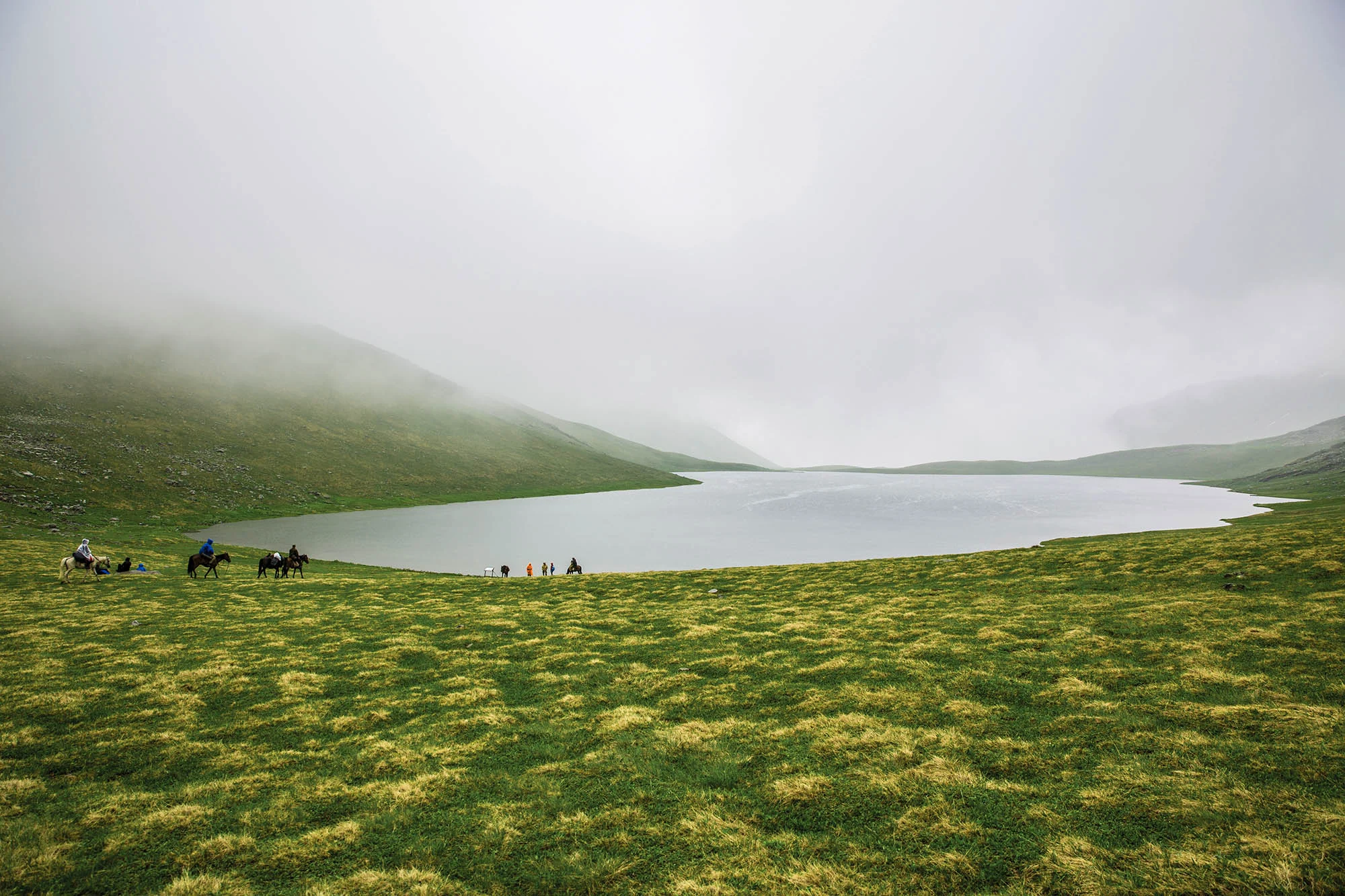
The crown jewel of the Lagodekhi Protected Area, this multi-day route ranks among Georgia’s finest wilderness experiences. The trail ascends from lowland hornbeam forests through successive vegetation zones, revealing new ecosystems as hikers climb towards the alpine landscape.
Day One – 11.5 km: The trail begins among rare low-elevation hornbeam trees before crossing the Lagodekhi River Valley. Hikers pass through forests regenerated after a major windstorm in 1933 and may see the endemic, red-listed Leotnice smirnowii flowering in spring. The steady climb through pristine beech forest leads to the Meteo tourist shelter at 1,350 metres.
Day Two – 25 km: The route continues along Kochalo Ridge, where the landscape changes from subalpine scrub to the upper alpine zone. Above the treeline, hikers enter the habitat of East Caucasian tur, chamois and wild goats. Birdwatchers may spot Caucasian black grouse, snowcocks and eagles.
The trail crosses the Demidov Pass, known as a natural refuge for wild goats, before descending into alpine meadows dotted with glacial ponds. Black Rock Lake eventually appears among the surrounding peaks, marking the natural border between Georgia and Russia’s Dagestan region. The return to the shelter completes a long and demanding day.
Day Three – 11.5 km: The descent follows the same route, allowing hikers to see the park’s ecological zones from a different perspective.
The Meteo shelter accommodates up to 16 people and serves as the base for this expedition. Horses, camping equipment and guides can be arranged through the Lagodekhi National Park administration.
5. Nature Interpretation Path
Distance: 600 metres | Duration: 1 hour | Difficulty: Easy | Family-friendly
Designed for families with young children and visitors with limited time, this educational loop begins beside the visitor centre. Twelve interactive stations invite visitors to experience nature through different senses by touching bark textures, identifying bird calls, examining forest-floor ecology and learning about the connections between species.
The trail’s mascot, Tony the Tur, guides young visitors through activities designed to develop environmental awareness. It is an accessible introduction to the ecosystems found across Lagodekhi National Park.
Wildlife Watching in Lagodekhi National Park
The Lagodekhi Protected Area supports an impressive variety of Caucasian wildlife. Patient observers may encounter:
Mammals: Brown bear, wolf, lynx, East Caucasian tur, chamois, bezoar goat, red deer, roe deer, wild boar, Caucasian squirrel, stone marten and badger.
Birds: Caucasian black grouse, Caucasian snowcock, golden eagle, bearded vulture, griffon vulture, goshawk, sparrowhawk and numerous forest songbirds.
The best wildlife-viewing opportunities occur during the early morning and late afternoon. The Black Rock Lake trail offers the highest probability of seeing mountain ungulates, while the forest trails provide better opportunities to encounter woodland species.
Practical Information for Visiting Lagodekhi Protected Area
Location: Lagodekhi district, Kakheti region, approximately 170 km northeast of Tbilisi
Access: From Tbilisi, take the main highway towards Kakheti. The journey takes approximately 2.5–3 hours by car. Marshrutkas run regularly between Tbilisi and Lagodekhi town, from where a taxi can reach the park entrance in approximately 10 minutes.
Visitor Centre: The administrative building contains exhibitions about the natural history of Lagodekhi National Park, trail maps, safety information and booking facilities.
Permits and Fees: Visitors should register and obtain any required permits at the visitor centre. Fees vary according to the trail and activity, including hiking, horse riding and overnight camping. Guides may be required for some multi-day routes.
Facilities: The park provides marked trails, picnic areas, the Meteo mountain shelter, equipment rental and guide services.
Safety: Mountain weather can change quickly at higher elevations. Carry suitable layers, enough water and inform park rangers of your itinerary. Brown bears inhabit the protected area, so follow the wildlife safety advice provided at the visitor centre.
Accommodation: The Meteo shelter serves overnight trekkers, while Lagodekhi town offers guesthouses and small hotels for visitors seeking greater comfort before or after their hike.
Why Lagodekhi Protected Area Deserves Your Time
In a country already renowned for its mountain scenery, Lagodekhi National Park distinguishes itself through its biodiversity, accessible wilderness routes and visitor infrastructure. Compared with Georgia’s more famous destinations, the Lagodekhi Protected Area remains relatively uncrowded, offering genuine solitude among some of the Caucasus’ most pristine landscapes.
Whether you are looking for a challenging multi-day journey to an alpine lake, a family-friendly nature walk or an opportunity to explore medieval ruins hidden in the forest, Lagodekhi National Park offers a wide range of outdoor experiences.
The protected area represents Georgia’s commitment to preserving its natural heritage while allowing responsible tourism. Every trail reveals another aspect of Caucasian ecology, while visitor fees and responsible travel support the continued conservation of this irreplaceable wilderness.
Official website: nationalparks.ge/en/site/lagodekhinp



[…] Lagodekhi […]