
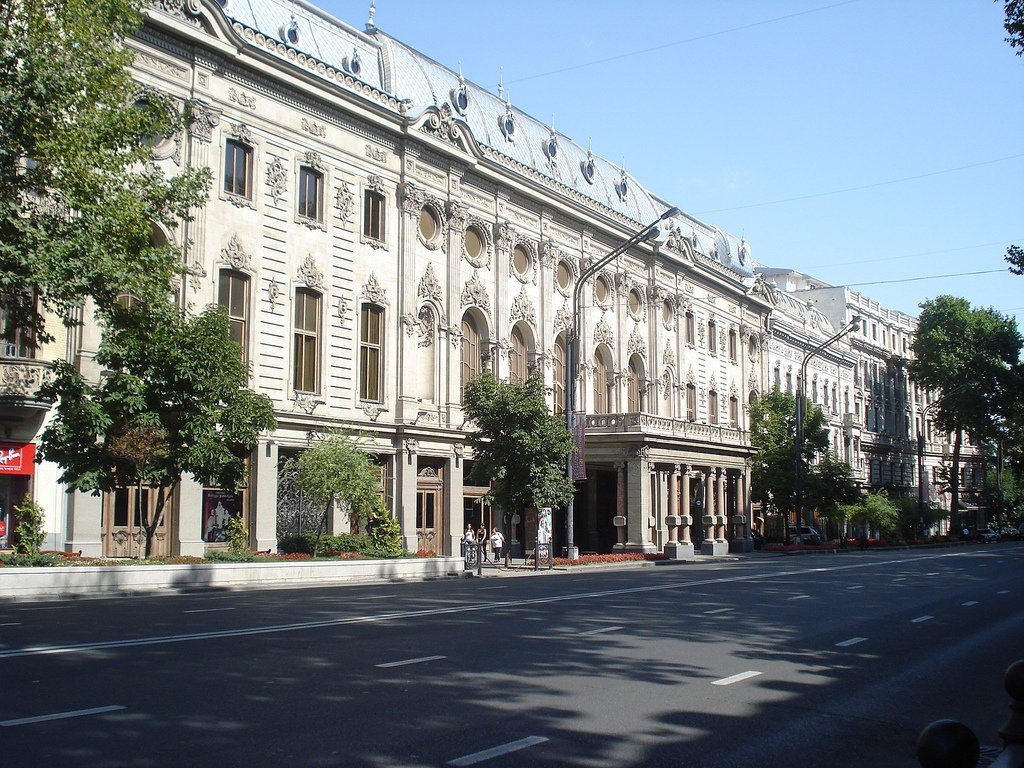
Rustaveli Avenue stands as Tbilisi’s most prominent thoroughfare, stretching 1.5 kilometers through the heart of Georgia’s capital. Named after the medieval Georgian poet Shota Rustaveli, this grand boulevard serves as the cultural, political, and social epicenter of the city. Whether you’re planning a Tbilisi city tour or exploring the Georgian capital independently, Rustaveli Avenue offers an essential introduction to the city’s rich heritage and vibrant modern life.
A Journey Through History: Rustaveli Avenue’s Evolution
The avenue’s story begins in the 1850s during the Russian Imperial period, when Tbilisi underwent significant urban development. Originally known as Golovin Prospect, the street was designed as a European-style boulevard to modernize the expanding city. Following Georgia’s brief independence from 1918 to 1921, the avenue was renamed in honor of Shota Rustaveli, the 12th-century poet whose epic work “The Knight in the Panther’s Skin” remains Georgia’s national treasure.
Throughout the 20th century, Rustaveli Avenue witnessed pivotal moments in Georgian history. The Soviet era left its architectural mark with grand public buildings, while the avenue became the stage for peaceful demonstrations during Georgia’s independence movement in the late 1980s. The tragic events of April 9, 1989, when Soviet troops violently dispersed protesters on Rustaveli Avenue, remain etched in Georgian collective memory as a turning point toward independence.
Today, the avenue beautifully balances its historical gravitas with contemporary energy. Tree-lined sidewalks bustling with locals and tourists, historic facades housing modern businesses, and cultural institutions standing alongside trendy cafes create a unique urban tapestry that defines modern Tbilisi.
Architectural Treasures Along Rustaveli Avenue
The Georgian Parliament Building
The Parliament complex was built in two main stages: the upper building from 1933 to 1938 and the Rustaveli Avenue frontage from 1946 to 1953. Its monumental design combines Soviet-era scale with motifs drawn from Georgian architecture. Parliament moved its plenary sessions to Kutaisi in 2012 and fully returned to Tbilisi in 2019. Because the building remains central to Georgian political life, demonstrations and temporary road closures often occur nearby.
Rustaveli National Theatre
Georgia’s professional drama tradition dates to 1879, while the Rustaveli Theatre has occupied its present home since 1901. The ornate Baroque and Rococo building was originally created for the Tbilisi Artistic Society and became associated with the theatre that took Shota Rustaveli’s name in 1921. Productions are mainly in Georgian, but the architecture alone makes the venue worth seeing.
Georgian National Museum
This essential stop on any Tbilisi city tour houses an extraordinary collection spanning archaeology, ethnography, and art history. The museum’s treasury displays stunning examples of Georgian goldwork dating back millennia, while the Soviet Occupation exhibition provides sobering insight into Georgia’s recent past. The building itself represents early 20th-century Georgian architecture at its finest.
Opera and Ballet Theatre
With its ornate Moorish-style facade dating to 1896, the Tbilisi Opera and Ballet State Theatre ranks among the South Caucasus’ most beautiful performance venues. The richly decorated interior features plush red velvet and gilded details, creating an atmosphere of old-world elegance. Attending a performance here offers both cultural enrichment and architectural appreciation.
Kashveti Church
Built between 1904 and 1910, this small but exquisite church represents Georgian ecclesiastical architecture during the national revival period. Designed by German architect Leopold Bielfeld, Kashveti Church features traditional Georgian design elements reinterpreted through early 20th-century sensibilities. Its location directly across from the Parliament building creates a striking juxtaposition of spiritual and temporal power.
Youth Palace (Former Pioneers Palace)
The National Youth Palace is not a Soviet modernist building but the former residence of the Russian imperial Viceroy of the Caucasus. The palace reached much of its present Renaissance-inspired appearance after a 19th-century reconstruction led by Otto Jakob Simonson. Georgia’s Act of Independence was declared here on 26 May 1918. Since 1941, the building has served children and young people through educational and cultural programmes.
Melik-Azaryantz House

A masterpiece of Art Nouveau architecture, the Melik-Azaryantz House stands as one of Rustaveli Avenue’s most photographed buildings. Built in 1913 for the wealthy Armenian merchant Alexander Melik-Azaryantz, this residential building showcases the elegant curves, floral motifs, and decorative elements characteristic of the Art Nouveau movement. Designed by architect Konstantin Zangiladze, the building’s facade features intricate ironwork balconies, ornamental details, and flowing organic lines that contrast beautifully with the more austere Soviet-era structures nearby. The building’s colorful exterior and sophisticated design make it a perfect example of Tbilisi’s pre-revolutionary architectural golden age. Today, the building contains residential apartments and commercial spaces, remaining a living testament to the city’s cosmopolitan past when Georgian, Armenian, and Russian merchants competed to build the most beautiful mansions along the avenue.
Freedom Square: Where History Meets Modern Tbilisi
At Rustaveli Avenue’s eastern terminus, Freedom Square serves as the psychological center of Tbilisi. This expansive plaza has witnessed numerous political transformations, reflected in its changing names and monuments. Once Lenin Square during the Soviet period, it was rechristened Freedom Square following independence.
The square’s centerpiece, a towering column topped with a golden statue of Saint George slaying the dragon, was erected in 2006. This symbol of Georgian nationhood rises 35 meters, visible from multiple vantage points across the city. The square functions as Tbilisi’s primary gathering space for celebrations, protests, and everyday city life.
Surrounding Freedom Square, you’ll find the Tbilisi City Hall, several major hotels, and the entrance to the Old Town’s maze-like streets. The square also serves as a transportation hub, with metro access and numerous bus routes converging here, making it an ideal starting point for exploring Tbilisi.
First Republic Square: A Tribute to Georgian Independence
Located at the western end of Rustaveli Avenue, First Republic Square commemorates Georgia’s Democratic Republic period from 1918 to 1921. Though less prominent than Freedom Square, this plaza holds deep significance for Georgians as a reminder of their nation’s brief but cherished independence before Soviet annexation.
The square underwent renovation in recent years, creating an open pedestrian space that connects Rustaveli Avenue with newer districts. During summer evenings, locals gather here to enjoy the cooler air and socialize, while the square’s fountains provide a pleasant backdrop for relaxation after exploring the avenue.
Orientation: Rustaveli Avenue runs between Liberty Square (Freedom Square) and First Republic Square. Liberty Square metro serves the eastern end and Rustaveli metro the western end.
Where to Stay: Hotels on and Near Rustaveli Avenue
Luxury Options
Rooms Hotel Tbilisi occupies a converted publishing house in Vera on Merab Kostava Street, a short walk from the western end of Rustaveli Avenue. Its industrial design and courtyard make it a popular contemporary option, although it is not directly on the avenue.
Radisson Blu Iveria Hotel stands at First Republic Square, beside the western end of Rustaveli Avenue. It offers city views, restaurants and convenient access to Rustaveli metro.
Mid-Range Choices
Several boutique hotels line the side streets off Rustaveli, offering character and convenience at moderate prices. These properties typically occupy renovated 19th-century buildings, providing authentic architectural charm alongside modern comforts.
Budget-Friendly Accommodations
Numerous guesthouses and hostels cluster in the neighborhoods immediately adjacent to Rustaveli Avenue, particularly in the Vera district. These options provide affordable stays within walking distance of the avenue’s attractions while offering opportunities to experience local residential life.
Cafes and Dining Along Rustaveli Avenue
Traditional Georgian Cuisine
Restaurant line-ups change frequently, and many of Tbilisi’s best-known Georgian restaurants are in nearby Vera, Sololaki and the Old Town rather than directly on Rustaveli Avenue. Check current opening information and recent reviews before choosing a venue.
Coffee Culture
Coffee shops and bakeries operate along the avenue and its side streets. Stamba Cafe, inside Stamba Hotel on Merab Kostava Street, is a short walk from the western end; always confirm current hours before visiting.
International Options
The avenue also hosts various international restaurants catering to diverse tastes. From Italian trattorias to Asian fusion establishments, Rustaveli’s dining scene reflects Tbilisi’s increasingly cosmopolitan character.
Shopping and Entertainment
Rustaveli Avenue and its side streets offer bookshops, souvenir stores, Georgian designer boutiques and galleries. Businesses change, so check current listings before making a special trip.
Amirani Cinema is on Merab Kostava Street near the western end of the avenue and screens a mix of Georgian and international films. Confirm the current programme and screening language online.
Pros and Cons of Staying on Rustaveli Avenue
Advantages
Central Location: From the eastern end, the Old Town is a short walk away, while Liberty Square and Rustaveli metro stations connect the avenue with other parts of Tbilisi.
Cultural Immersion: Staying here places you at the heart of Georgian cultural life. Museums, theaters, and galleries cluster along the avenue, allowing effortless access to Tbilisi’s rich artistic heritage.
Excellent Connectivity: Liberty Square and Rustaveli metro stations serve opposite ends of the avenue, and numerous city buses stop nearby. This makes the area convenient for first-time visitors.
Dining and Nightlife: The concentration of restaurants, cafes, and bars ensures you’ll never struggle to find good food or evening entertainment. Late-night options abound, catering to various tastes and budgets.
Safety: The avenue is busy and generally well lit, but normal city precautions still apply. Keep valuables secure, pay attention when crossing traffic and use licensed transport late at night.
Disadvantages
Noise Levels: The avenue’s central position means traffic noise persists throughout the day and into the evening. Light sleepers might find the constant urban buzz disruptive, particularly in hotels facing the main street.
Tourist Crowds: During peak season, the avenue becomes congested with tour groups and independent travelers. While this creates a lively atmosphere, those seeking quieter experiences might find it overwhelming.
Limited Parking: Drivers will struggle with parking availability and regulations along Rustaveli Avenue. If you’re planning a self-drive tour of Georgia, accommodations in less central neighborhoods might prove more practical.
Political Demonstrations: Parliament makes this a frequent gathering point for demonstrations. Events may bring crowds, road closures, transport changes and late-night noise. Check current local conditions, avoid active protest areas and follow official safety advice.
Higher Prices: The avenue’s prime location commands premium prices for accommodations, dining, and services compared to peripheral neighborhoods. Budget travelers can find better value in adjacent areas while maintaining reasonable access.
Less Residential Character: Rustaveli Avenue’s commercial and institutional nature means it lacks the intimate, neighborhood atmosphere found in districts like Vera, Sololaki, or Vake. Travelers seeking authentic local life might prefer these alternatives.
Planning Your Rustaveli Avenue Experience
When incorporating Rustaveli Avenue into your Tbilisi city tour, allocate at least a half-day to explore properly. Begin at Freedom Square in the morning when the avenue awakens and museums open. Walk westward, pausing at architectural highlights and cultural institutions that interest you.
Consider timing your visit to catch a performance at the Opera House or Rustaveli Theatre, which adds cultural depth to your experience. Book tickets in advance through your hotel or online, as popular performances sell out quickly.
The avenue transforms as day becomes evening. Cafes fill with after-work crowds, street performers emerge, and the boulevard takes on a romantic quality as historic buildings illuminate against the darkening sky. Evening strolls along Rustaveli provide insight into contemporary Georgian social life.
Beyond Rustaveli: Connecting to Wider Tbilisi
While Rustaveli Avenue deserves extended exploration, it also serves as an excellent base for discovering Tbilisi’s diverse neighborhoods. The nearby Vera district offers art nouveau architecture and bohemian cafes, while Sololaki’s steep streets hide charming wine bars and traditional restaurants.
The avenue’s metro and bus connections make it easy to continue toward other parts of Tbilisi. Some attractions, including the Open Air Museum of Ethnography, require an additional bus, taxi or uphill walk. Many Tbilisi city tours begin or end on Rustaveli Avenue, recognizing its role as the city’s symbolic and practical center.
Don’t miss our tour in old Tbilisi, which also includes Rustaveli Avenue!
Frequently Asked Questions
How long is Rustaveli Avenue?
Rustaveli Avenue is approximately 1.5 kilometres long, running between Liberty Square, commonly called Freedom Square, and First Republic Square.
What are the main attractions on Rustaveli Avenue?
Highlights include the Parliament of Georgia, Kashveti Church, the Georgian National Museum, Rustaveli National Theatre, Tbilisi Opera and Ballet Theatre, the National Youth Palace and several notable historic buildings.
How much time should I allow for Rustaveli Avenue?
Allow at least half a day for a relaxed walk with several exterior stops. Plan a full day if you want to visit a museum or attend a theatre or opera performance.
How do I reach Rustaveli Avenue by metro?
Use Liberty Square station for the eastern end or Rustaveli station for the western end. Both stations are on Tbilisi Metro Line 1.
Is Rustaveli Avenue easy to explore on foot?
Yes. The avenue has broad pavements and is straightforward to walk, although traffic is busy and you should use marked pedestrian crossings or underpasses where provided.
What is the best time to walk along Rustaveli Avenue?
Morning is best for a quieter walk and museum visits, while early evening offers lively cafes and illuminated architecture. Check venue schedules in advance if you plan to see a performance.
Is it safe to visit Rustaveli Avenue during demonstrations?
Demonstrations often gather near Parliament and may cause crowds, road closures or transport changes. Avoid active protest areas, follow local authority advice and check current conditions before travelling through the avenue.
Is Rustaveli Avenue a good area to stay in Tbilisi?
It is convenient for museums, theatres, public transport and the Old Town, but rooms facing the avenue may experience traffic or demonstration noise. Nearby Vera and Sololaki offer a more residential atmosphere while remaining central.
Conclusion: Rustaveli Avenue as Tbilisi’s Essential Experience
No visit to Georgia’s capital is complete without experiencing Rustaveli Avenue. This historic boulevard encapsulates Tbilisi’s complexity—its imperial past and independent present, its Georgian traditions and European aspirations, its architectural heritage and modern vitality. Whether you spend a few hours or several days exploring the avenue and its surroundings, you’ll gain invaluable insight into what makes Tbilisi one of the Caucasus’ most compelling destinations.
For travelers planning a comprehensive Tbilisi city tour, Rustaveli Avenue provides the perfect introduction to Georgian culture, history, and contemporary life. Its central location, cultural richness, and urban energy create an experience that lingers long after you’ve returned home, often inspiring return visits to discover even more of this fascinating city’s treasures.





[…] ranks 44th among 380 cities worldwide on the 2025 Safety Index. The Old Town, Rustaveli Avenue and most central neighbourhoods are safe to explore. Exercise additional caution around Shardeni […]
[…] occur periodically in Tbilisi, often around Rustaveli Avenue. The practical impact on tourists usually involves temporary road closures and transport […]
[…] Discover the heart of the old city, Meidan, and see a synagogue, Georgian churches, and more. Visit the Sioni Cathedral Church and the National Museum’s Treasury. Walk down Baratashvili Avenue, admire the Tower Clock, and explore the modern heart of Tbilisi, Rustaveli Avenue. […]
[…] Rustaveli Avenue: Tbilisi’s grand boulevard of theatres and museums starts just uphill. Read our Rustaveli Avenue guide. […]