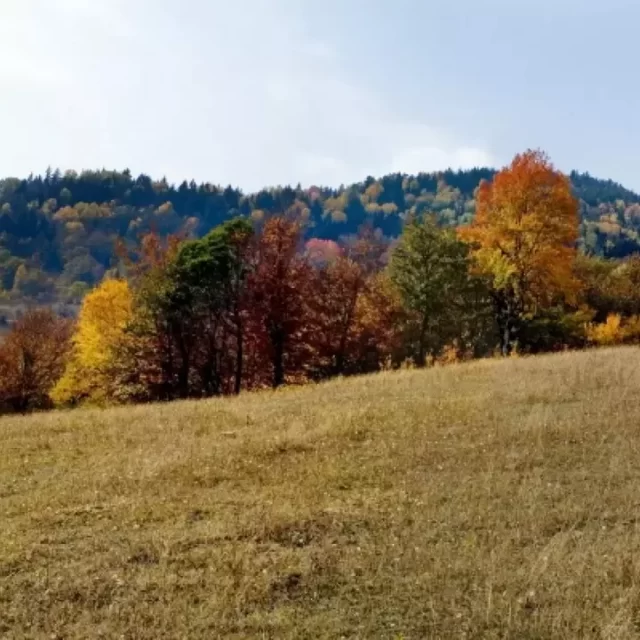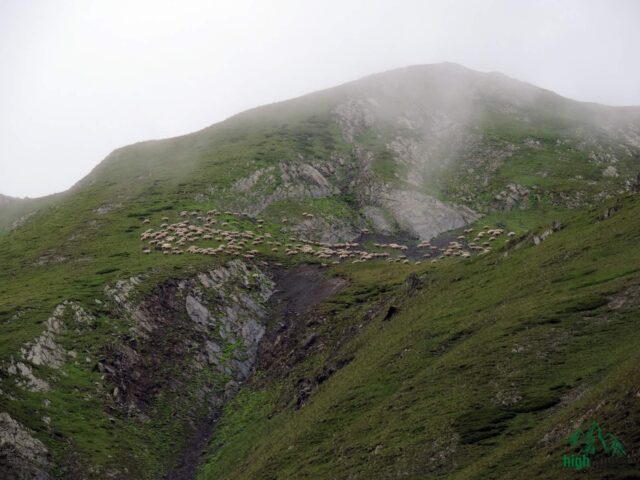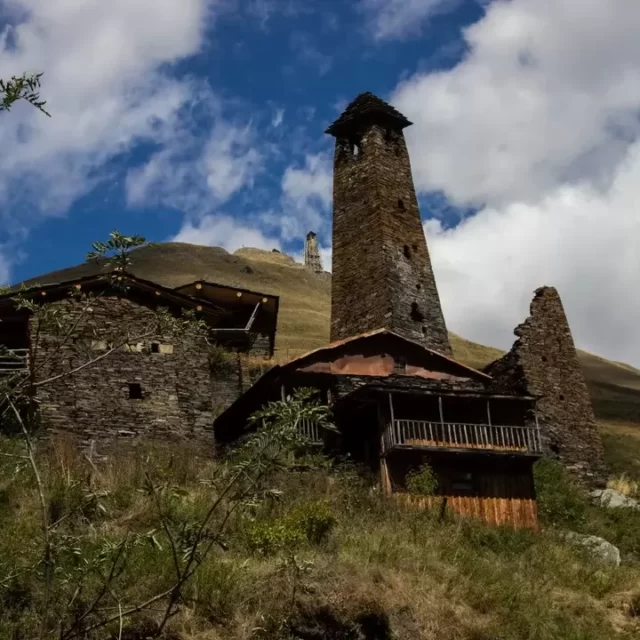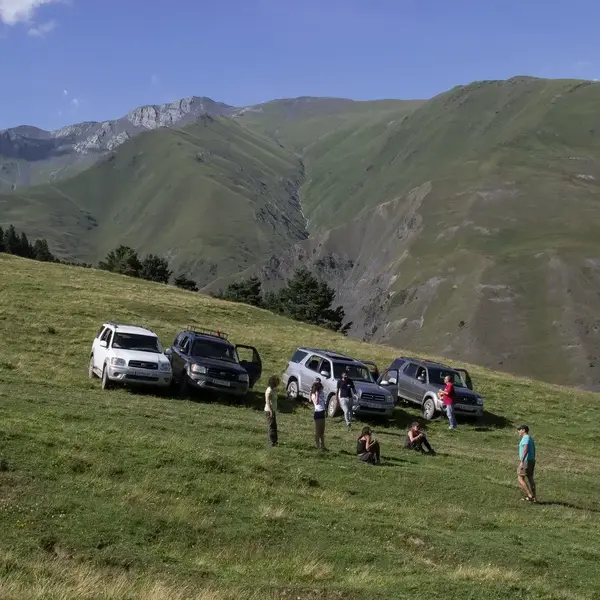
Escape Georgia’s tourist trails to discover a landscape most visitors never see—a vast semi-desert wilderness of eroded badlands, dramatic canyons, and windswept plateaus where eagles soar and rare wildlife roams. This is Vashlovani, Georgia’s most remote and least-visited national park, a UNESCO World Heritage candidate that feels like stepping onto another planet.
While most Georgia tours focus on green mountains and lush wine valleys, this journey takes you to Georgia’s wild eastern frontier—the Kiziki region where dramatic geology creates otherworldly landscapes, where a spectacular medieval fortress stands sentinel on an impossibly steep rock pinnacle, and where nature photographers discover Georgia’s best-kept secret.
Then, having explored wilderness few travelers reach, you’ll transition to civilization’s gentler pleasures: the sacred Bodbe Monastery and romantic Sighnaghi, creating a perfect balance between raw nature and refined culture.
Perfect for: Nature photographers, birdwatchers, wildlife enthusiasts, geology lovers, adventurers seeking off-beaten-path experiences, and travelers who want to see a Georgia beyond the standard itinerary.
Tour highlights
Discover Georgia’s hidden wild east—a UNESCO World Heritage candidate
Vashlovani: Georgia’s Badlands
When most people imagine Georgia, they picture green mountains, lush valleys, and vine-covered hillsides. Vashlovani shatters that expectation.
Located in Georgia’s far southeastern corner bordering Azerbaijan, Vashlovani Protected Areas encompass a unique semi-desert ecosystem utterly unlike anywhere else in the country. Here, rainfall is scarce, temperatures are extreme, and the landscape is shaped by millions of years of erosion into dramatic badlands, canyons, and plateaus.
The Geology
Vashlovani’s distinctive landscape formed from soft sedimentary rocks—mudstones, sandstones, and clays—deposited when this region lay beneath ancient seas. Over millions of years, rare but intense rainfall carved these soft rocks into knife-edge ridges, steep-walled canyons, eroded pillars, and labyrinthine gullies.
The result is a badlands landscape reminiscent of the American Southwest or Middle Eastern deserts—but this is the Caucasus, making it all the more unexpected and dramatic.
The Wildlife
Despite harsh conditions, Vashlovani supports remarkable biodiversity:
Mammals: Caucasian leopard (critically endangered, fewer than 10 in Georgia), bezoar goat navigating impossible cliffs, wild boar, jackal (often heard at dusk), Caucasian lynx (rare and elusive).
Birds (150+ species): Egyptian vulture, griffon vulture, golden eagle, steppe eagle, long-legged buzzard, various falcons and kestrels, see-see partridge, European roller. Eagle Canyon is a birdwatcher’s paradise—prime raptor habitat where you can observe multiple species soaring on thermals.
Flora: Spring (April-May) transforms the badlands with wildflowers—poppies, irises, tulips creating temporary carpets of color before summer heat returns.
UNESCO World Heritage Candidate
Vashlovani is on Georgia’s tentative list for UNESCO World Heritage status due to its unique ecosystem, rare species, and geological significance. It represents the westernmost extent of Central Asian semi-desert habitats in the Caucasus.
Itinerary
Departure: 7:00 AM from Tbilisi (hotel pickup) – early start required
Return: Approximately 9:30-10:00 PM
Total Distance: 450-500 km round trip
8:00 AM – Departure from Tbilisi
Your adventure begins early—Vashlovani is remote, requiring a long drive east through Kakheti to Georgia’s edge.
The journey itself is part of the experience, watching landscapes transform: from Tbilisi’s urban environment to Kakheti’s lush wine valleys, then gradually to drier, more open country as you approach the Azerbaijani border and the Iori River valley.
This is Georgia’s least-populated region—vast horizons, scattered villages, a sense of frontier remoteness. Your guide will provide context about the Kiziki region, its strategic importance in guarding Georgia’s eastern approaches, and how geography shaped history here.
Drive time to Dedoplistskaro: Approximately 3 hours
10:00 AM – Dedoplistskaro: Gateway to Vashlovani
Arrive at Dedoplistskaro, the small town serving as gateway to Vashlovani National Park. The town reflects the frontier character—a modest settlement serving a sparsely populated agricultural region, with visible Azerbaijani cultural influence and an end-of-the-road atmosphere.
The landscape has already changed dramatically from lush Kakheti—drier, more open, with visible badlands formations on the horizon.
10:30 AM – Eagle Canyon: Into the Badlands
Drive toward Eagle Canyon as the landscape becomes increasingly dramatic. Soft sedimentary rocks erode into fantastic shapes—ridges, gullies, pillars. Colors shift from greens to tans, yellows, grays, and ochres. You’re entering the badlands.
Eagle Canyon (არწივის კანიონი): A dramatic gorge carved through soft rocks, offering the most accessible and spectacular viewpoint into Vashlovani’s wilderness character.
Walk to the canyon rim and a vast erosional landscape spreads before you—steep-walled gullies cutting through layered sediments, knife-edge ridges extending to horizons, the Alazani Valley visible in the distance, and beyond on clear days, the Greater Caucasus mountains.
The Eagles: This is genuinely prime raptor habitat. Golden eagles, steppe eagles, vultures, buzzards, and various raptors use the thermals rising from sun-heated canyon walls to soar for hours. Bring binoculars. You’ll likely see multiple raptor species circling at various heights. For birdwatchers, this is exceptional—the diversity, the ease of observation (birds often at or above eye level), and the dramatic setting make this one of Georgia’s premier birding locations.
Photography: Dramatic geological formations, eagles against canyon backdrops, wildflowers in spring, layered sedimentary rocks in shifting light, vast horizons and big skies.
Duration: 40-60 minutes
11:30 AM – Khornabuji Fortress: Medieval Sentinel
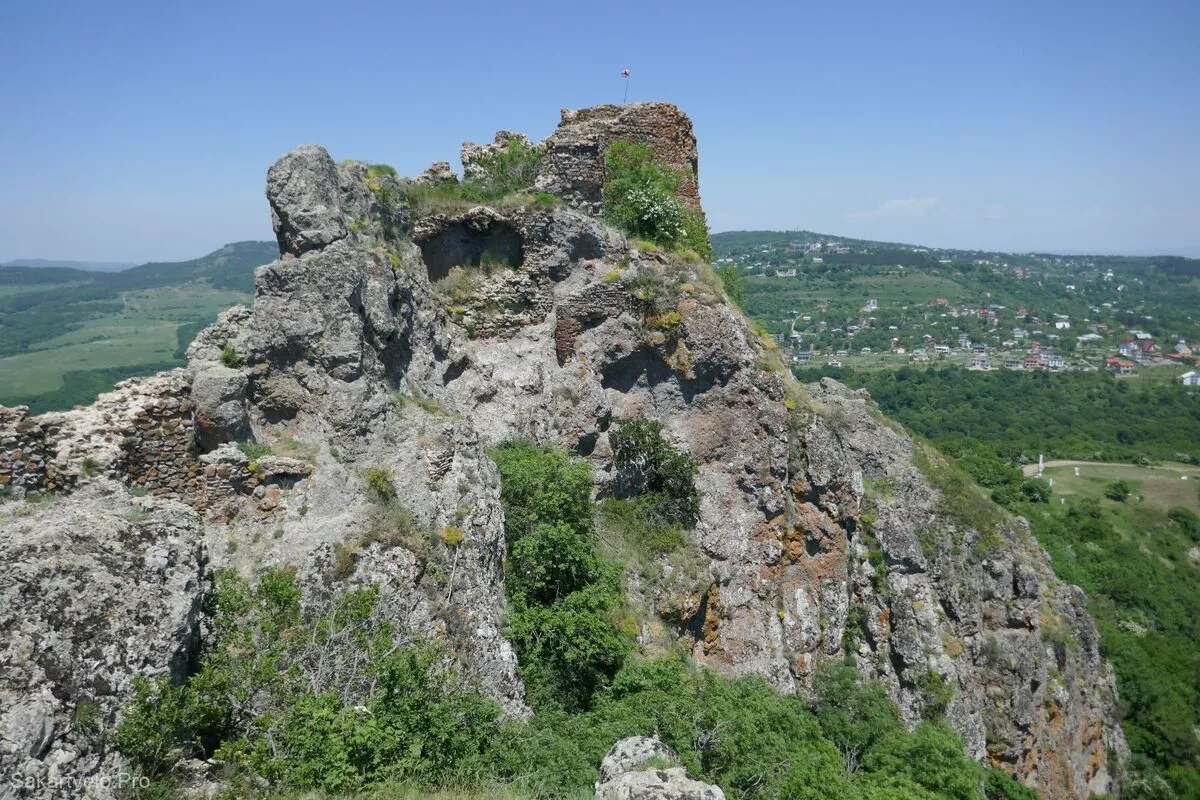
One of Georgia’s most spectacularly situated fortresses: Khornabuji appears almost impossibly dramatic—a medieval fortress crowning a sheer, isolated rock pinnacle rising abruptly from surrounding plains.
The rock is a volcanic plug (an ancient lava conduit), resistant to erosion, while softer rocks around it wore away, leaving this spectacular monolith. The fortress walls follow the rock’s irregular summit.
Historical significance: Dating to approximately the 5th century, Khornabuji (“Horn Castle”) controlled a crucial route through the Iori River valley, serving as early warning outpost and defensive stronghold guarding eastern Kakheti from Persian, Arab, and Turkic invasions.
What remains: Defensive walls following precipitous edges, gateway ruins, water cisterns carved into rock, church ruins, and the dramatic setting itself.
Visiting: Most visitors (90%) view from below, walking around the base and photographing the dramatic pinnacle—this provides excellent views without risk. The climb to the summit is possible but difficult and potentially dangerous: steep scramble over loose rocks, exposed sections with drop-offs, not maintained or officially encouraged. Only for fit, experienced hikers comfortable with exposure. Your guide will assess conditions and your comfort level.
Duration: 45-60 minutes
1:30 PM – Bodbe Monastery: Sacred Sanctuary
After the wild, harsh beauty of Vashlovani, Bodbe offers a different energy—contemplative, peaceful, spiritual.
In the 4th century, St. Nino converted King Mirian III and Queen Nana, making Georgia one of the world’s first Christian nations in 337 AD. After her missionary work, she retired to Bodbe where she lived until death. The current monastery dates to the 9th century and functions as an active convent.
What you’ll experience: The main church housing St. Nino’s tomb beneath the altar, peaceful monastery gardens, and optionally the sacred spring (200+ steps descent) with healing properties attributed to its waters.
Duration: 30-40 minutes
2:00 PM – Sighnaghi: The Town of Love
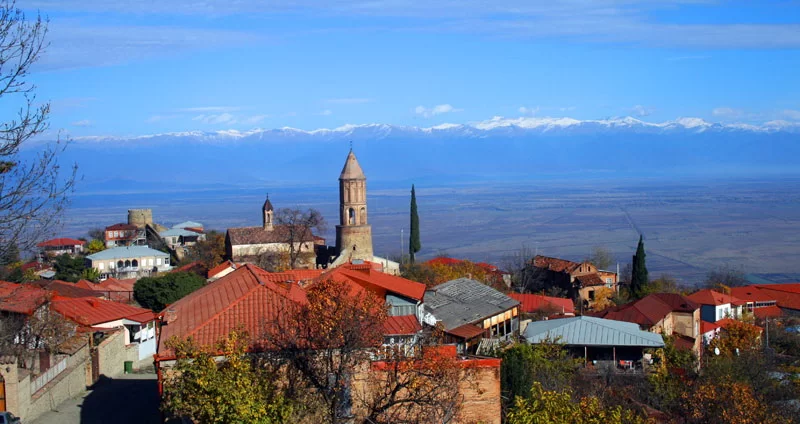
Georgia’s most romantic town, perched on a hilltop with panoramic views of the Alazani Valley and Caucasus mountains.
Sighnaghi earned its romantic nickname through its 24-hour wedding registry—couples can marry any time with just passports and witnesses. Combined with picture-perfect architecture, stunning views, and intimate scale, the “town of love” nickname stuck.
Exploring Sighnaghi: Walk sections of the remarkably preserved 18th-century defensive walls (4 km, 23 towers) for spectacular views. Wander pastel-colored streets with distinctive wooden balconies. Browse wine shops and art galleries.
Optional Wine Tasting ($15-20): Visit a boutique natural wine producer like Pheasant’s Tears for 4-5 wines with explanation of qvevri method and indigenous grape varieties.
Free time: 60-75 minutes to explore independently.
Duration: 80-90 minutes
4:30 PM – Return to Tbilisi
Begin the westward journey back to Tbilisi (approximately 2 hours). Arrival approximately 6:00-6:30 PM.
Price details
[wptb id=17388]
What’s Included
Tour map
Tbilisi
Dedoplistskaro
Eagle Canyon
Khornabuji Fortress
Bodbe Monastery
Sighnaghi
Tour gallery
Practical Information
Duration: 13-14 hours (very full day with long drives)
Distance: 450-500 km round trip
Activity Level: Moderate (walking on uneven terrain, optional difficult fortress climb)
Group Size: Maximum 6 people (smaller for better wildlife viewing)
Best Season: Spring (April-May) for wildflowers; Autumn (September-October) for raptor migration
What to Wear & Bring – ESSENTIAL
This is a wilderness/nature tour—proper preparation is crucial.
Required: Sturdy hiking boots (not casual sneakers—terrain is rough), sun protection (hat with brim, SPF 50+ sunscreen, sunglasses), layers (temperatures vary), long pants and long-sleeved shirt (sun/thorns/insect protection), water bottle, camera with zoom lens, binoculars (we have extras if needed).
Recommended: Field guides (for serious birders), small backpack, insect repellent (spring/summer), snacks (remote area with limited facilities), power bank.
For Bodbe/Sighnaghi: Modest clothing for monastery, light jacket, cash (GEL) for optional wine tasting.
Physical Requirements
Walking on rough, uneven badlands terrain, standing at canyon rim viewpoints, circling Khornabuji base on rocky ground. Long vehicle time (6-7 hours total driving).
Khornabuji Fortress Climb Warning: Climbing to the summit is difficult and potentially dangerous—steep crumbling trail, exposed sections with drop-offs, loose rocks, not maintained. Most visitors view from below (completely worthwhile). Only for fit, experienced hikers comfortable with exposure. Dangerous when wet or windy.
Age Suitability: Best for ages 12+ (younger children may struggle with long drives and lack tolerance for nature observation). Particularly appeals to teens interested in nature, photography, or adventure.
Seasonal Guide
Spring (April-May): BEST SEASON! Wildflowers transform the badlands. Migrating birds pass through. Perfect temperatures (18-25°C). Book early—limited season.
Summer (June-August): Very hot (30-40°C). Early morning essential. Harsh conditions emphasize desert character. Bring extra water and sun protection.
Autumn (September-October): Excellent. Peak raptor migration (best for eagle watching). Comfortable temperatures (20-28°C). Good photography conditions.
Winter (November-March): Cold (5-15°C). Stark, monochrome beauty. Fewer birds but clearer air. Only for those comfortable with cold and solitude.
Tour FAQ
For Photographers & Birders
Professional/Serious Amateur Photographers
This tour can be customized as a private photography-focused expedition with flexible timing for optimal light, extended time at productive locations, golden hour scheduling, and guides who understand photographers need time to set up and shoot multiple angles.
Contact us about private photography tours with specialized guides.
Serious Birders
Private tours can be optimized for birding with early starts for best bird activity, extended observation time, guides with ornithology backgrounds for accurate identification, and flexible itineraries adjusting based on bird activity.
Contact us about specialized birding tours.
Conservation & Responsible Tourism
Vashlovani is a protected area with fragile ecosystems. We practice responsible tourism:
Stay on designated trails—don’t damage vegetation or disturb wildlife. No littering—pack out all trash. No collecting—leave rocks, plants, and artifacts in place. Respect wildlife—observe from distance, don’t approach or feed animals. Quiet observation—noise disturbs wildlife and other visitors.
Your visit supports the case for UNESCO World Heritage protection by demonstrating the site’s value for sustainable tourism and education.