Borjomi is a spa town in southern Georgia where a visit can be as short as a mineral-water tasting or as long as a few days of forest walks. The town sits in Samtskhe-Javakheti, roughly 160 km from Tbilisi, and makes a useful stop on the road to Akhaltsikhe and Vardzia.
Start with the park and the spring. If you have the afternoon free, continue through the gorge to the outdoor pools. Stay overnight if you want a proper hike in Borjomi-Kharagauli National Park: its mountain trails need their own time and preparation.
This guide helps you choose what fits your trip, with practical routes, transport options and the distinctions that matter when booking.
Is Borjomi worth visiting
Borjomi suits travelers who enjoy walking, spa hotels and a slower day between longer drives. Its appeal is concentrated around the river, the mineral-water park and the forest beyond. A short visit works particularly well on a journey through southern Georgia.
For a first visit, allow two to three hours for the spring, park and nearby architecture. Give yourself a full day if you want the pools as well. For hiking, plan at least one extra night so you can start a trail early.
Two planning points matter: recent reporting says the Kukushka train remains suspended and Likani Palace remains closed. Neither should be the reason for booking a trip without fresh confirmation. The ordinary Tbilisi–Borjomi train is a separate service.
Borjomi mineral water and where to taste it
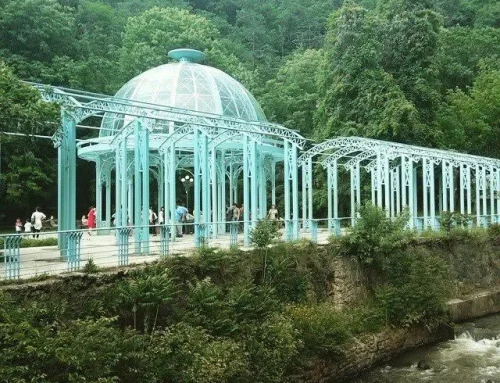
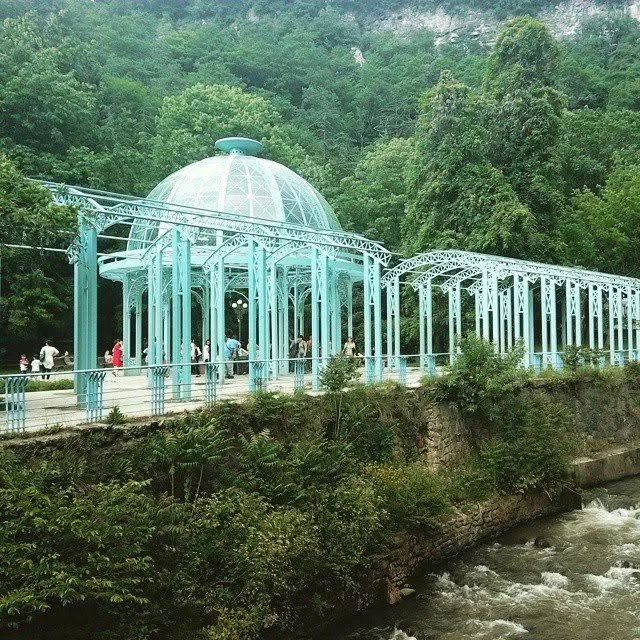
The first sip is the part many visitors remember. At Ekaterina Spring in Central Park, the water is warm and distinctly salty, with a mineral aftertaste. Try a small amount before filling a bottle. Chilled bottled Borjomi can feel quite different, so disliking one does not necessarily mean disliking the other.
Bring a clean cup or reusable bottle. Tasting at the pavilion does not normally carry a separate charge, but entry to the park does. Use the designated drinking fountain; the bathing pools are a different attraction.
Borjomi is a naturally carbonated mineral water rich in sodium and bicarbonate. Its reputation helped build the town’s spa industry. That history is worth understanding, but a travel guide should not promise detoxification or treatment of an illness. Enjoy the tasting as part of the visit, rather than following a drinking “cure” from an online itinerary.
How Borjomi became a spa town
Borjomi developed as a fashionable resort during the 19th century under Russian imperial rule. Spring pavilions, summer residences and later bottling facilities grew around its mineral waters. The association with the Romanov family helped establish the town’s reputation.
During the Soviet period, sanatoriums broadened its role as a destination for organized rest and treatment. That history is still visible in the mixture of ornamental villas, larger resort buildings and public recreation areas.
Keep this background in mind as you walk from the town streets toward Central Park. The buildings make more sense when you see Borjomi as a working resort that has changed over time.
Things to do in Borjomi
Walk through Borjomi Central Park
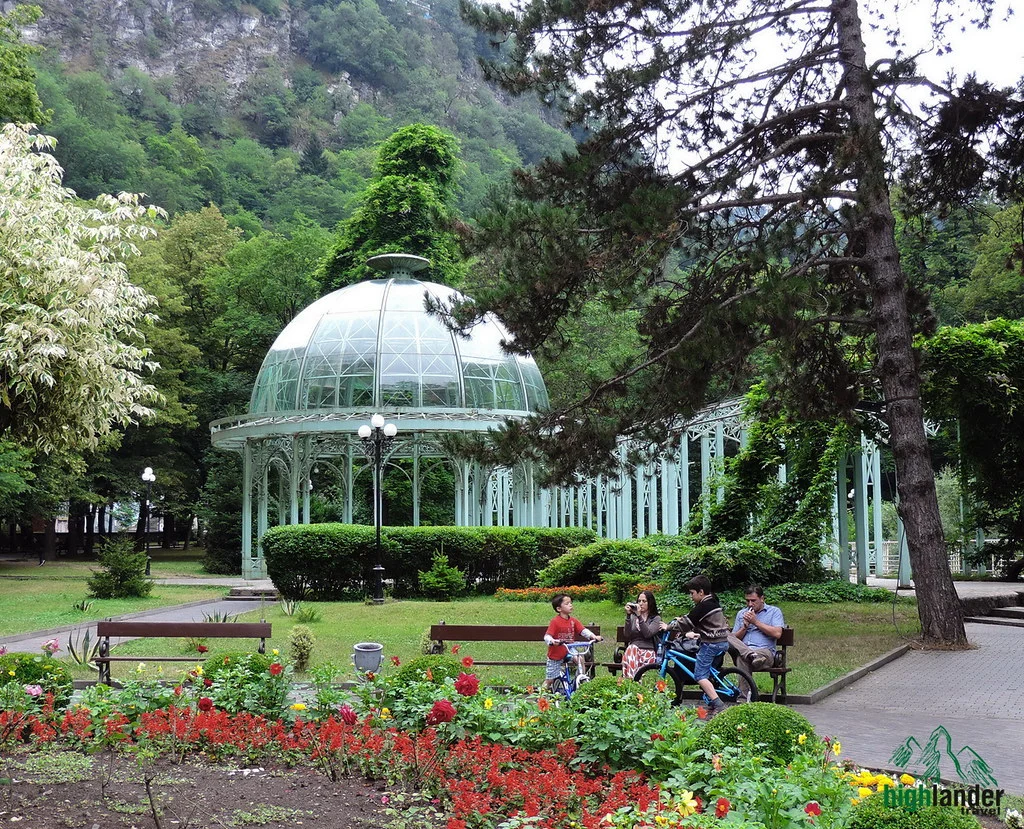
Borjomi Central Park, also called Mineral Water Park, follows the Borjomula River into a narrow gorge. This is the easiest place to begin: taste the spring water, follow the riverside paths and stop by the Prometheus statue and waterfall.
The entrance area is a recreational park, with cafes, souvenirs and attractions for children. If you want a quieter walk, continue beyond the developed section toward the forest. Central Park and Borjomi-Kharagauli National Park are separate places; paying to enter one does not arrange a hike in the other.
Allow around one to two hours for an unhurried park visit, excluding the walk to the sulfur pools. For a short stop, choose the spring and riverside walk first, then decide whether there is time for the cable car.
Visit Firuza beside the park entrance
Firuza is the blue villa near the entrance, with decorative balconies that reward a closer look. It now operates as the Golden Tulip Borjomi hotel, rather than as a public palace museum.
You can appreciate the facade while walking to the park. If you want to enter for a meal or drink, ask hotel staff which areas welcome non-residents. Guest rooms and other private spaces are not sightseeing areas. See the Golden Tulip hotel website for its facilities and dining options.
Take the cable car if the view interests you
The cable car links the park entrance area with the plateau above the gorge. The journey takes only a few minutes, so think of it as a short viewpoint excursion rather than a long aerial tour.
Before buying, confirm whether the fare is one-way, the last return departure and whether the service is operating in the day’s weather. Leave time for the return journey if you have a driver waiting or a bus to catch.
Walk to the Borjomi sulfur pools
The outdoor pools lie beyond the main park, with roughly two kilometers of riverside path from its rear. Including the walk through the park, allow about three kilometers each way from the main entrance.
Budget around three hours for the return walk, changing and a soak. This is a planning allowance, not a fixed walking time: children, photo stops and muddy sections can make the outing longer. Wear walking shoes and carry your swimsuit, towel, sandals and a bag for wet clothing.
The official tourism page describes several pools, showers and changing rooms. Published temperatures vary, so expect warm outdoor bathing without assuming every pool will feel as hot as a spa bath. Pool admission is separate from park entry.
For families, count the full return distance before setting off. For anyone using a wheelchair or stroller, check current path conditions and access directly; a paved park entrance does not mean the entire forest route is accessible. Do not assume a regular taxi can drop you beside the pools.
Keep the local museum as an indoor option
The Borjomi Museum of Local Lore provides context for the resort, its mineral water and the surrounding region. Allow about 45 minutes if local history interests you, or use it as an alternative when rain makes a longer walk less appealing.
Confirm its current location, opening hours and admission before going. Museum redevelopment has been reported, so an old map pin or a copied weekly schedule should not be your only reference.
Check access before going to Likani Palace
Likani Palace is associated with the Romanov family, but recent visitor reporting describes the palace and grounds as closed to tourists. Ask for explicit confirmation of public access before making a special journey. A hotel booking nearby does not automatically include a palace visit.
Borjomi ticket costs and opening hours
For initial budgeting, a 2026 independent guide reports 5 GEL for Central Park, 15 GEL for the pools and 15 GEL each way for the cable car. That totals 50 GEL per adult for all three with a return cable-car ride, before food or transport.
These are reported prices, not operator-confirmed quotations. Check the posted tariffs, child concessions and closing times when you arrive. Carry some lari for small purchases and transport. Hotel prices and private transfers depend on dates and what is included, so request a quote rather than relying on a fixed range.
The Kukushka train and visiting Bakuriani
The historic narrow-gauge Kukushka railway connects Borjomi with Bakuriani. Current travel reporting describes passenger services as suspended. A proposed reopening is not an operating timetable: plan to reach Bakuriani by road unless Georgian Railway confirms a service for your dates.
Bakuriani can still be included as a separate excursion for winter sports or a summer stay in the mountains. Decide whether you actually want time there before adding a return trip to an already full day in Borjomi. Confirm road conditions in winter and arrange your return transport.
For rail travel from Tbilisi, use the ordinary regional service described below. It is not the Kukushka.
Hiking in Borjomi Kharagauli National Park
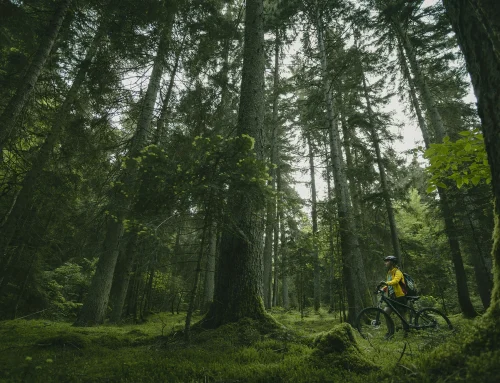
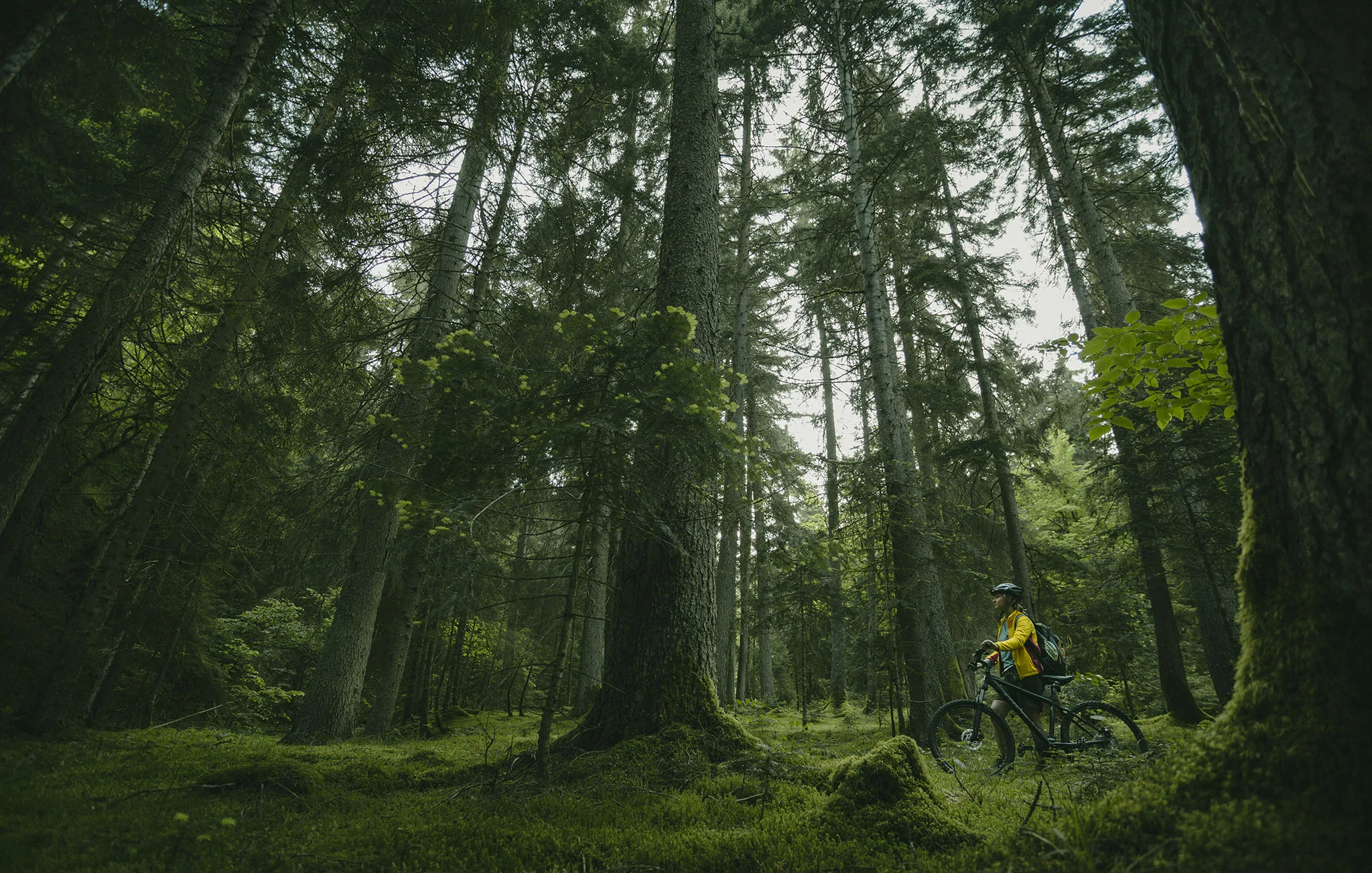
The national park protects forests and higher mountain terrain, with marked routes ranging from short outings to multi-day crossings. A trail name alone does not tell you whether it suits a casual afternoon.
Register before entering and discuss your route with staff at the visitor center, 23 Meskheti Street. The official park website lists contact number +995 599 747 919. Ask about trail closures, weather, water sources and shelter availability, and arrange transport to the start and from the finish.
The three routes below are very different commitments. Distances and ratings follow the official route descriptions; walking conditions and your fitness still determine the effort required.
| Trail | Distance | Difficulty | Highlights |
| Footprint Trail | 13 km | Moderate | 1 day; Likani to Kvabiskhevi; steep descent |
| Panorama Trail | 34 km | Hard | 2 days; loop from Atskuri; overnight shelter |
| Nikoloz Romanov Trail | 43 km | Moderate | 3 days; Likani to Marelisi; onward transport needed |
For an easier outing, ask the visitor center about a short route suited to the day’s conditions. Do not mistake the full Likani–Kvabiskhevi Footprint Trail for a three-kilometer family stroll: it includes a sustained climb and a steep descent.
On the Nikoloz Romanov route, the start and finish are on different sides of the park. Plan the journey back before leaving. For overnight routes, reserve shelters and confirm what bedding and cooking equipment you need to bring.
Carry drinking water, food, rain protection, an offline map and a charged phone. Allow a daylight margin rather than aiming to finish at sunset. Independent hiking is possible, but a guide is a sensible choice if you are unfamiliar with mountain navigation or uncertain conditions.
Our Borjomi-Kharagauli hiking guide compares the wider trail network. Use it to shortlist a route, then confirm your plan with the park.
Green Monastery near Borjomi
The Green Monastery, or Mtsvane Monastery, is an active medieval monastery in the forest near Chitakhevi. The official park guide places it about eight kilometers from Borjomi, with a 1.2-kilometer approach from the main road toward Akhaltsikhe.
It fits naturally into a southbound drive. Arrange a taxi with waiting time or ask your driver to include it, allowing roughly 30–60 minutes at the site. If walking the approach, agree exactly where you will be collected.
Cover shoulders and knees, keep voices low and respect any photography restrictions. The appeal here is the small church and wooded setting; there is no need to turn it into an extended detour unless you want a slower visit.
Day trips from Borjomi to Rabati and Vardzia
Rabati Castle in Akhaltsikhe
Akhaltsikhe is roughly 50 kilometers from Borjomi. Rabati’s restored fortress complex is the main sightseeing stop, with courtyards, religious buildings and a museum. Allow around an hour for the drive as a planning estimate, with more time for stops.
Much of what visitors see reflects substantial modern restoration. Go for the setting and the regional history, while recognizing that the complex is not an untouched medieval fortress. Check museum admission separately from access to the wider grounds.
Vardzia cave monastery
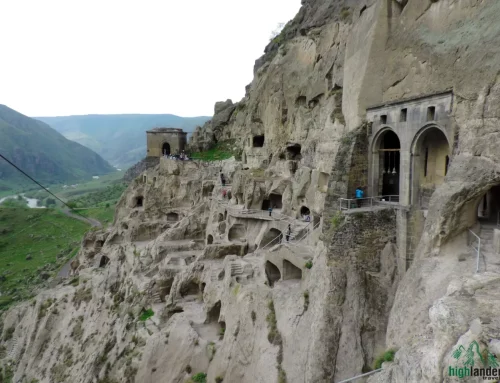
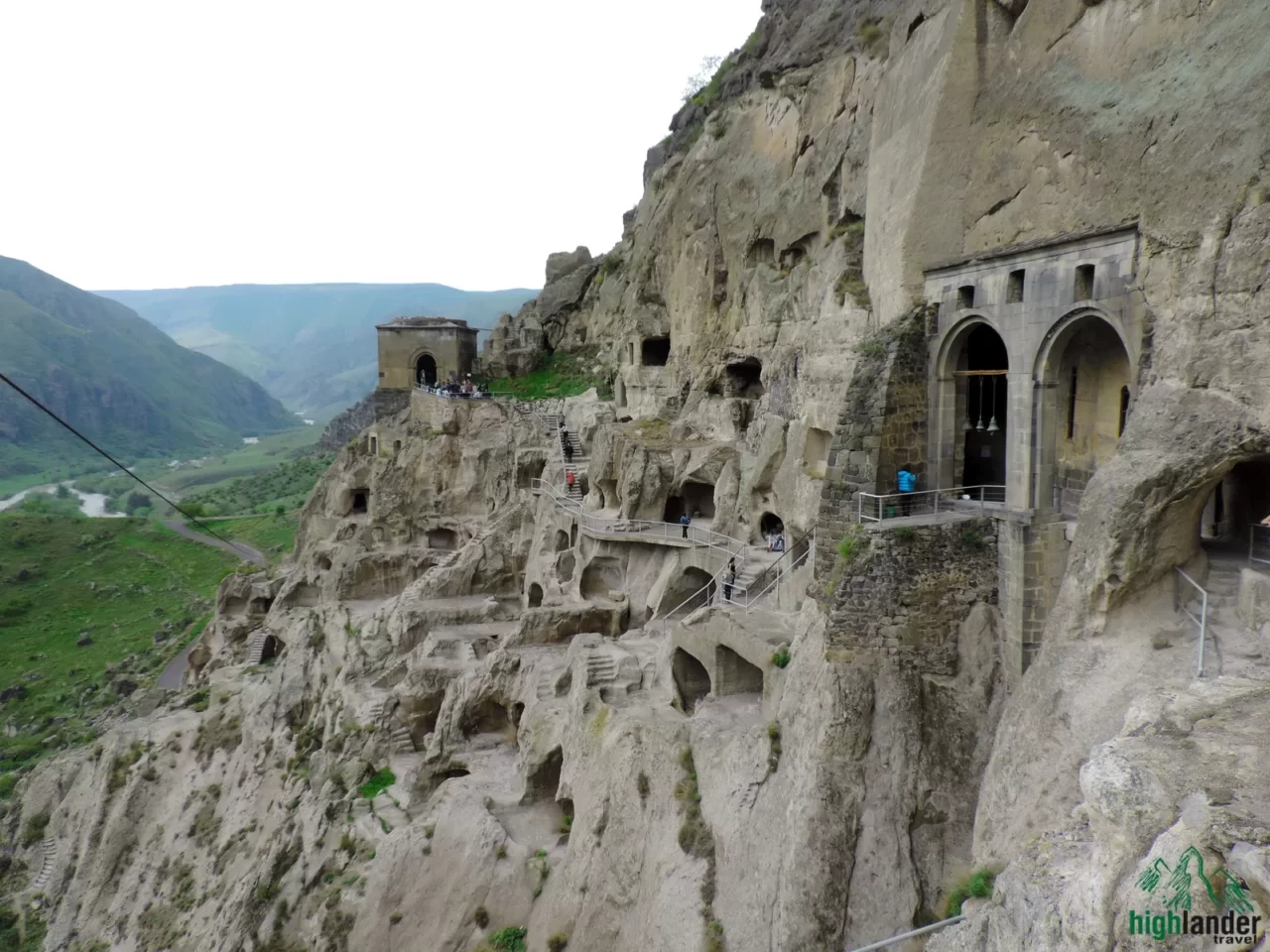
Vardzia is roughly 110 kilometers from Borjomi via Akhaltsikhe and Aspindza. Treat it as a full-day excursion: allow around two to two and a half hours each way as a planning estimate, plus two to three hours for the monastery and time for lunch.
The visitor route involves steps, uneven surfaces and passages cut into the cliff. Wear shoes with grip and take drinking water. Our Vardzia monastery guide explains the main sights and visitor arrangements.
A private vehicle makes combining Vardzia and Rabati more manageable. With public transport, establish the onward and return connections before leaving; a minibus to Akhaltsikhe does not guarantee a convenient connection all the way to Vardzia.
A more comfortable two day route from Tbilisi
Day 1: Travel from Tbilisi to Borjomi, visit the park and spring, then continue toward Akhaltsikhe. Add the Green Monastery or Rabati only if your departure time leaves enough room. Stay in Akhaltsikhe or nearer Vardzia.
Day 2: Visit Vardzia early enough to walk without rushing, then return to Tbilisi by an agreed route. Check road and weather conditions before choosing a highland alternative.
If you want the sulfur pools or a national-park hike, add a night in Borjomi. Those activities need time of their own; squeezing them into the same day as a long drive reduces the value of each stop.
Getting to Borjomi
From Tbilisi by road
Borjomi is roughly 160 kilometers from Tbilisi. Allow about two and a half to three hours by car as an estimate, excluding sightseeing stops and significant traffic.
Minibuses generally leave from Didube. Ask for Borjomi and confirm the departure point, fare and return options locally. For a day trip, establish your way back before spending the afternoon at the pools.
A private transfer is useful with luggage, children or planned stops. Agree the vehicle, total price, waiting time and final destination before departure. A transfer fare and a full day’s driver service are different bookings.
From Tbilisi by train
Georgian Railway’s published timetable lists two daily Tbilisi–Borjomi departures, at 06:35 and 18:35, taking about four hours and twelve minutes. Listed departures from Borjomi are 05:50 and 16:30.
Check the official railway timetable again before traveling. The train takes longer than a road transfer, and the evening departure reaches Borjomi late. Let your accommodation know if you choose that arrival.
From Kutaisi
The usual road journey goes east toward Khashuri and then south into the Borjomi valley. It is not necessary to cross a remote mountain pass on the standard route.
Compare a direct transfer with available minibus connections for your travel day. Kutaisi airport and the city center are different starting points, so specify which one you mean when requesting a pickup and travel-time estimate.
Where to stay and eat in Borjomi
Choose your location before comparing room categories. Staying near Central Park makes a short visit easier, especially if you want to walk out for dinner. A property farther from the center may suit a stay built around its own grounds and spa.
For guesthouses, check the walking route and gradient rather than relying only on the map distance. Ask about heating for a cold-weather visit and about parking if you are driving.
For a spa hotel, confirm exactly what the room rate includes. Pool entry, mineral baths, treatments and meals may be priced separately. Golden Tulip occupies the historic villa near the park; larger resort hotels offer a different style of stay. Compare current facilities and rates for your dates.
For lunch, leave a proper break between the park and an afternoon excursion. Georgian staples such as lobio, khachapuri and khinkali are useful options to look for on menus. If you have dietary restrictions, ask about ingredients rather than assuming that a familiar dish is prepared the same way everywhere.
Best time to visit Borjomi
Late spring and early autumn are practical choices for walking, provided you allow for rain. Bring a light waterproof layer and shoes that can handle wet ground.
Summer suits a longer stay with park walks and outdoor activities, but build in time for queues and busy public spaces. Starting early leaves more flexibility than arriving with every hour already allocated.
Autumn foliage can make a forest walk particularly rewarding, although timing varies by year and elevation. Shorter daylight matters if you are planning a hike.
Winter works for a hotel stay or a trip combined with Bakuriani. Snow and ice can affect roads and footpaths, and a pleasant day in town does not establish safe conditions on higher trails. Confirm outdoor activities separately.
How long to spend in Borjomi
Use the following as itinerary suggestions, allowing extra time for weather, children and transport connections.
| Visit Type | Time |
| Spring and town park | 2–3 hours |
| Full day in Borjomi | 5–7 hours |
| Borjomi and Bakuriani by road | Full day |
| Town visit and a day hike | 1–2 days |
| Borjomi plus Rabati and Vardzia | 2 days |
A one day Borjomi itinerary
Start beside Firuza, then enter Central Park for the mineral spring and a riverside walk. Continue to the sulfur pools if that is your priority, carrying what you need so you do not have to return to your hotel first.
Have a late lunch after the walk. Add the cable car if it is operating and you still have time, or choose the museum if the weather turns. Leave your final hour flexible for collecting luggage and reaching your transport.
With only two or three hours, keep to Firuza, the spring and the park. The full walk to the pools is better saved for a longer visit.
Frequently asked questions
Can you visit Borjomi as a day trip from Tbilisi
Yes. Road transport gives you more sightseeing time than the slower regional train. Choose a few town attractions rather than trying to include the pools, a mountain hike and Vardzia in the same day.
Can you drink the spring water in Borjomi
Visitors taste mineral water at the designated Ekaterina Spring pavilion in Central Park. Bring a clean cup and start with a small taste. Mineral-water tasting is not a substitute for medical advice or treatment.
Are Central Park and the national park the same place
No. Central Park contains the town’s best-known drinking pavilion and leads toward the outdoor pools. Borjomi-Kharagauli National Park is a separate protected area with its own trailheads and visitor registration.
Is the Kukushka train running
Recent reporting still describes services as suspended. Use road transport for Bakuriani unless the railway confirms that passenger services have resumed.
Can you visit Likani Palace
Do not assume access. Recent reporting describes it as closed to tourists; confirm public entry before including it in your itinerary.
Can you hike without a guide
Independent hiking is possible on suitable routes after registration. Choose a trail that matches your fitness and navigation skills, check conditions with staff and book shelters in advance for an overnight trip.
Is Borjomi suitable for children
The park and a short spring-water visit can fit a family day well. Decide on the pools only after considering the walk back, changing facilities and your child’s stamina. Ask directly about accessibility if you need a step-free route.
Plan your Borjomi and South Georgia trip
Our two-day Vardzia tour includes Borjomi as part of a route through southern Georgia. It is a useful starting point if you want transport and sightseeing arranged together.
Contact us with your dates, number of travelers and preferred pace. Tell us whether you want a short park visit, time at the pools or a separate hiking day, so the itinerary gives that activity enough space.